
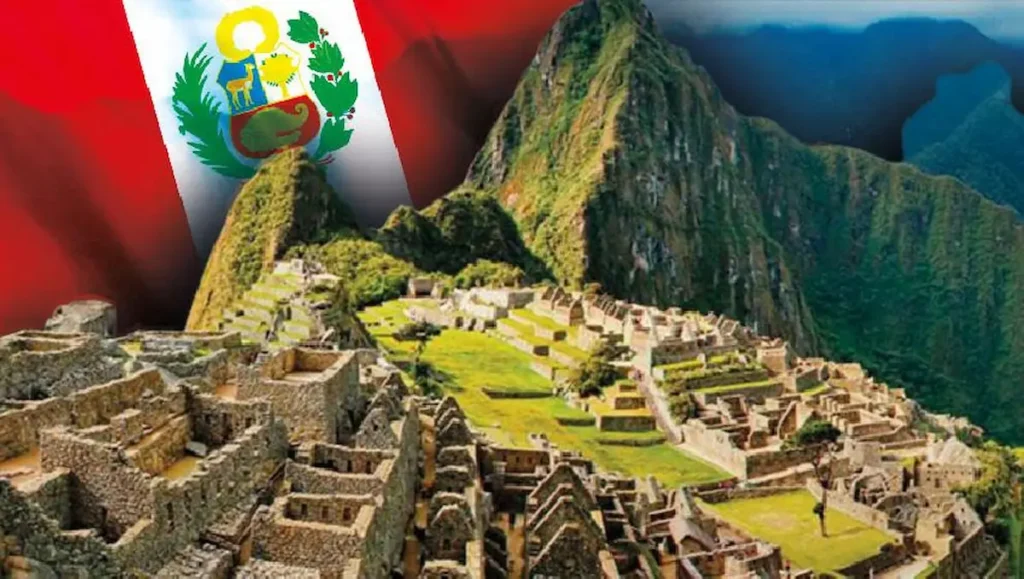
When July arrives, Peru dresses in colors, melodies, and deep rooted emotions. From the bustling streets of Lima to the tranquil highlands of the Andes and the vibrant Amazon rainforest, this month becomes a tribute to the country’s heritage, history, and identity. July in Peru is not just about celebrating its independence; it is a complete cultural experience filled with religious festivities, regional customs, and community gatherings that showcase the nation’s rich diversity. Let’s explore all the key celebrations that take place during this special month.
Inti Raymi and the Prelude to July Celebrations
Although technically celebrated on June 24, Inti Raymi in Cusco acts as the spiritual and cultural prelude to July in Peru. Its echoes linger into the first days of July as local communities continue traditional rituals, dances, and offerings to the sun god, Inti. This continuity emphasizes the deep spiritual roots that connect ancient Andean traditions with modern Peruvian identity.
July 6: Día del Maestro (Teacher’s Day)
In Peru, Teacher’s Day is observed on July 6, commemorating the founding of the first Normal School for Men in 1822 by José de San Martín. On this day, students across the country express gratitude to their teachers with flowers, letters, and small celebrations. Educational institutions often hold ceremonies and homages, highlighting the vital role that educators play in building the future of the nation.
You might also be interested in: The 10 most fascinating native Peruvian animals

July 16: Virgen del Carmen | A Celebration of Faith and Folklore
One of the most vibrant religious celebrations during July in Peru is the Festivity of the Virgen del Carmen, held on July 16. While it is celebrated in several regions, the most famous is in Paucartambo, Cusco. Thousands of devotees and tourists gather to witness the colorful processions, elaborate costumes, and traditional dances that blend Catholic faith with pre-Columbian elements.
The celebration extends for several days and includes masked performers known as “comparsas,” fireworks, and a theatrical representation of the battle between good and evil. The narrow streets of Paucartambo become a living stage for this dynamic cultural expression.
July 24–26: Festivities for Simón Bolívar
Though not always officially observed nationwide, some regions commemorate Simón Bolívar’s legacy around July 24, the anniversary of his birth. As one of the great liberators of South America, his name is tied closely to Peru’s path toward independence. In towns like Ayacucho, Junín, or Trujillo, local municipalities may organize parades, speeches, and civic activities leading up to Independence Day.
July 28: Independence Day of Peru
Without a doubt, the 28th of July marks the most important date in the Peruvian calendar. Peru’s Independence Day, known as Fiestas Patrias, commemorates the declaration of independence made by Don José de San Martín in 1821 in Lima.
This national holiday is a full display of patriotism. Celebrations begin with the Te Deum Mass held in Lima and attended by top government officials, followed by the military parade on July 29. Homes, businesses, and public buildings are decorated with red and white flags, and people take pride in showcasing their national identity through music, traditional food, and family gatherings.
Key Elements of the 28th of July:
- Official Ceremonies: Held across the country in main squares.
- Civic Parades: Schools, military forces, and cultural organizations participate.
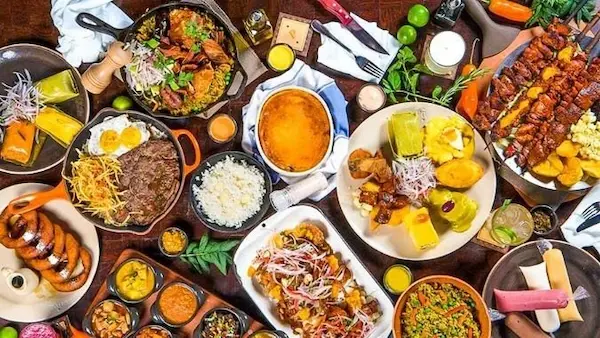
- Traditional Dishes: Families enjoy iconic meals like anticuchos, rocoto relleno, ají de gallina, and picarones.
- Fireworks: Cities and towns light up the sky with coordinated shows.
July 29: Armed Forces and National Police Day
The day after Independence Day, July 29, is dedicated to recognizing the services of Peru’s Armed Forces and National Police. Military parades continue in various regions, and special recognition is given to personnel for their role in national security and peacekeeping.
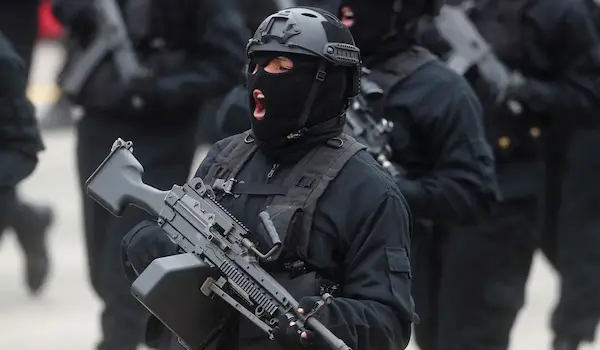
In Lima, the Great Military Parade is one of the highlights, featuring marching bands, traditional uniforms, and demonstrations of discipline and national pride. This event reflects the deep respect that the Peruvian people hold for those who defend the nation.
You might also be interested in: Maido: World’s best restaurant 2025 is Peruvian
Regional Festivals That Add Color to July in Peru
In addition to national holidays, many regional festivals occur throughout the month, adding more color, flavor, and depth to the experience of July in Peru.
Fiesta del Santiago (July 25 and onward)
Celebrated mainly in Huancavelica, Ayacucho, and Apurímac, Santiago is honored as the patron saint of farmers. This festivity includes agricultural rituals, blessings of livestock, music, and horse parades. Traditional dances like the “santiagos” are performed by locals dressed in bright, intricate costumes.
This is not only a religious festival but also an opportunity for Andean communities to reaffirm their connection with Pachamama (Mother Earth) and agricultural cycles.
Fiesta de Santa Ana (July 26)
In Huánuco, Santa Ana is celebrated as the patroness of the city. On July 26, streets are filled with joy as the community organizes masses, processions, and folkloric activities. The festivities often extend for several days and attract both locals and tourists. Artisanal fairs and local gastronomy are key highlights.
Culinary Celebrations During July
One cannot talk about July in Peru without mentioning its extraordinary cuisine. During this month, traditional Peruvian food becomes a central part of the celebrations. It is common to find food fairs, pop-up restaurants, and communal cookouts throughout cities and towns.
Typical dishes served include:
- Ceviche – A fresh and spicy symbol of the coast.
- Pachamanca – Andean meat and vegetables cooked underground.
- Juane – Traditional Amazonian rice dish, often shared during regional festivities.
- Tamales and Humitas – Commonly prepared for Fiestas Patrias.
Desserts such as mazamorra morada, arroz con leche, and turrón de Doña Pepa are also enjoyed.
You might also be interested in: Andean New Year: celebrate the winter solstice in the heart of the Andes
Travel and Tourism in July
Because of the combination of national holidays, religious festivals, and mild winter weather in many parts of the country, July in Peru is one of the peak months for domestic and international tourism.
Many travelers choose this time to explore iconic destinations like:
- Cusco and Machu Picchu
- Arequipa and the Colca Canyon
- The Amazon Rainforest (Tambopata, Iquitos, Manu)
- Lake Titicaca and Puno
- Lima’s Historic Center
Booking tours and accommodations in advance is recommended, as cities tend to be fully booked during the last week of July.
Traditional Crafts and Clothing in the July Festivities
During July in Peru, many of the celebrations become spaces where folk art and cultural identity take center stage. Andean, Amazonian, and coastal communities proudly display their traditional costumes, hand-embroidered, and elaborate pieces of jewelry or textiles made using ancestral techniques.
During festivities such as the Virgen del Carmen or Santiago festivals, dancers wear carved wooden masks, capes decorated with mirrors, and embroidery that tells stories of local mythology, agriculture, or resistance. This aesthetic expression not only enhances the visual spectacle but also transmits an intergenerational legacy of textile wisdom and indigenous symbolism.
In addition, craft fairs emerge in main squares of cities such as Cusco, Ayacucho, and Arequipa, where unique products can be found: tapestries, ceramics, musical instruments, fabrics with natural dyes, and more. These spaces, typical of July, not only generate economic activity but also strengthen sustainable cultural tourism.
The Role of Music and Dance in July
Traditional music accompanies all of the month’s celebrations, consolidating itself as a universal language of identity. Instruments such as the charango, zampoña, cajón, and quena are featured in the bands that lead parades or religious rituals.
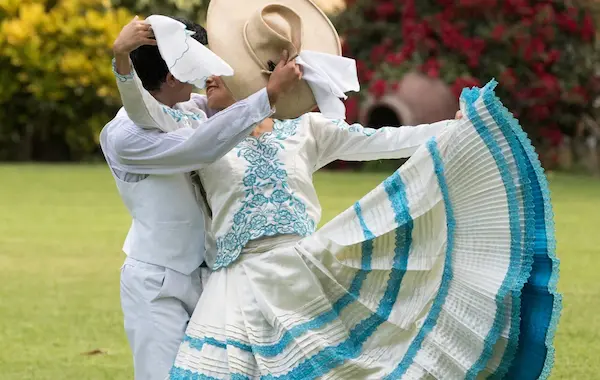
In the Andes, the sounds of huaynos and dances such as the tijeras and danzaq resonate through cobblestone streets, while in the Amazon, ancestral songs and rhythms unique to each native community can be heard. On the coast, criollo waltzes and marinera norteñas set the tone at festivals and cultural gatherings organized to mark Fiestas Patrias (National Holidays).
Dance is not just entertainment: each choreography has a purpose, whether it be honoring nature, praying for good harvests, celebrating freedom, or preserving ancient myths. Therefore, July in Peru is also an opportunity to reconnect with the essence of movement and sound as part of a living national identity.
You might also be interested in: 15 interesting facts about Pink River Dolphins
Cultural Expression and National Identity
Perhaps what makes July in Peru so memorable is not just the quantity of celebrations, but the spirit in which they are held. Music, dance, crafts, clothing, and storytelling all play a part in preserving and renewing cultural traditions.
Schools rehearse patriotic songs weeks in advance, artisans prepare special merchandise, and entire neighborhoods unite to decorate their streets. It’s a time when Peruvians of all backgrounds celebrate not only their independence, but also their shared heritage and rich diversity.
Final Thoughts: Why July in Peru Is an Unforgettable Experience
For those seeking to understand the soul of Peru, traveling to or experiencing July within its borders is a lasting experience. It’s a month where tradition and modernity go hand in hand; where the voices of the ancestors resonate in the streets; and where each celebration tells a story of resilience, pride, and community. July in Peru isn’t just a succession of festive dates: it’s an emotional, symbolic, and multisensory journey. Throughout this month, the entire country transforms into a grand celebration that blends history, faith, art, gastronomy, and passion. Each region contributes its nuance, its accent, its rhythm.
If you’re planning a trip to Peru, this is the time to experience the nation in all its splendor: passionate, joyful, and with a deeply rooted culture.
