
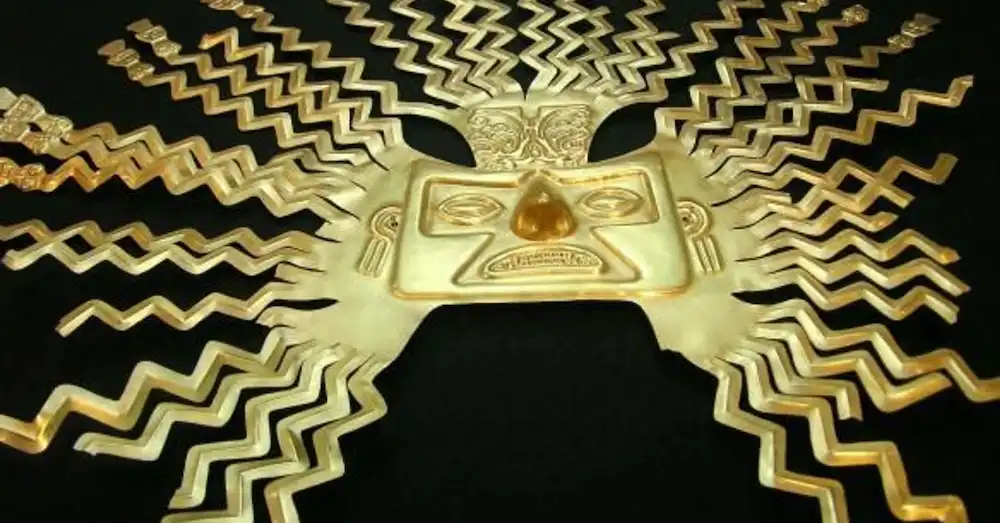
Understanding ancient cultures allows us to connect with how people once explained life, nature, and their surroundings. In this context, Inti the Sun God stands out as one of the most important figures in Andean history. The Inca civilization built a deep relationship with nature, and the sun became a central symbol of life and balance. Learning about this deity is not complicated; it is actually a simple way to understand how people valued light, time, and survival in their daily lives.
You might also be interested in: Nazca Lines Meaning and Its Mysteries
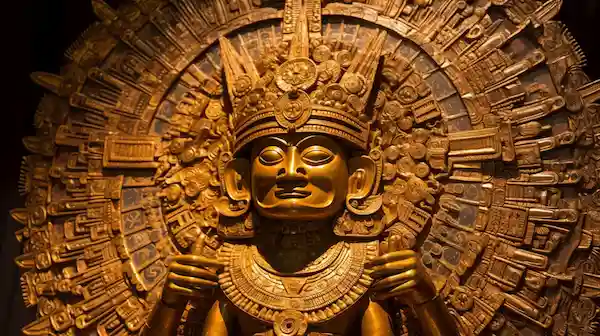
Inti the Sun God: An Introduction to the Inca Deity
The figure of Inti the Sun God represents much more than just a celestial body. For the Inca civilization, the sun was a living presence that influenced every aspect of life, from agriculture to spirituality. This belief was not abstract, but deeply connected to daily experiences.
People observed the sun’s movement to organize their routines and agricultural cycles. This made their connection with nature practical and meaningful. Instead of seeing the world as separate from the divine, they understood everything as interconnected.
Because of this, the sun became a symbol of order, warmth, and protection. It gave meaning to time and structure to society. This perspective shows how ancient cultures created harmony between belief systems and everyday life.
Who Was Inti the Sun God and Why Was He Important
To understand the importance of Inti the Sun God, we need to consider the environment where the Incas lived. The Andes presented challenging conditions, and survival depended heavily on natural elements like sunlight.
The sun was essential for growing crops, which were the foundation of the economy and daily sustenance. Without it, life would have been extremely difficult. This practical dependence explains why the sun became central to their belief system.
Additionally, the sun symbolized stability and continuity. Its daily presence created a sense of security. People trusted that as long as the sun rose, life would continue.
This importance also extended to politics, as rulers connected themselves with divine authority to strengthen unity and leadership.
Historical Origins of Inti the Sun God
The Role of Inti in Inca Mythology
In Inca mythology, Inti the Sun God was understood as a central and life-giving force, guiding both nature and human existence. He was not only associated with the physical sun, but also with order, time, and the cycles that governed agriculture and daily life. According to traditional narratives, Inti provided warmth, light, and the essential energy needed for crops to grow, making him indispensable for survival in the Andean environment.
These myths often describe how Inti influenced the development of society by bringing knowledge, structure, and moral guidance to humanity. Stories were used as teaching tools, helping communities understand their relationship with the natural world and the importance of balance. Through these narratives, values such as respect for nature, gratitude for resources, and cooperation within society were reinforced.
Over generations, oral storytelling ensured that these beliefs remained alive. Elders passed down myths that connected people to their ancestors and environment, making Inti the Sun God not only a divine figure but also a symbol of continuity and cultural identity.
Inti and the Foundation of the Inca Empire
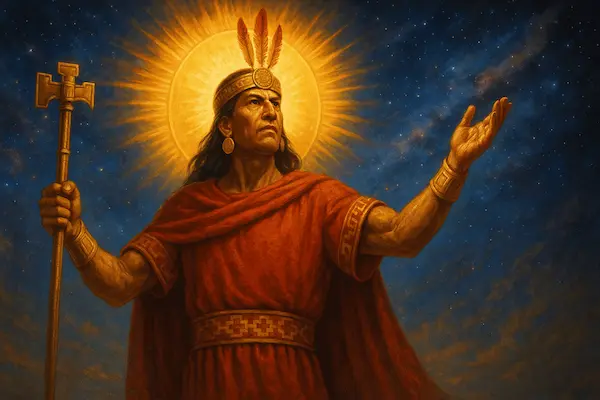
The foundation of the Inca Empire is deeply connected to Inti the Sun God, as rulers claimed to be direct descendants of this powerful deity. This divine lineage gave legitimacy to their authority, reinforcing the idea that leadership was sacred and guided by higher principles. The emperor, often referred to as the “Son of the Sun,” was seen as a representative of Inti on Earth.
This connection transformed governance into a spiritual responsibility. Leadership was not based solely on control or power, but on the duty to maintain harmony within the empire. Rulers were expected to ensure agricultural prosperity, social order, and the well-being of their people, reflecting the balance and generosity associated with the sun.
By linking political power to divine origin, the Incas created a unified system where religion and governance were inseparable. Inti the Sun God became a central figure not only in belief systems but also in the organization and expansion of the empire.
How Inti Worship Spread Across the Andes
As the Inca Empire expanded across the Andes, the worship of Inti the Sun God extended into newly incorporated regions. This expansion was not imposed in a rigid way; instead, it allowed different communities to integrate Inti into their existing belief systems. This flexibility made it easier to unify diverse populations under a shared spiritual framework.
Local traditions were often respected and blended with imperial practices, creating a dynamic cultural exchange. While Inti remained a central figure, regional deities and customs continued to coexist, enriching the overall religious landscape. This adaptability strengthened the cohesion of the empire without erasing cultural diversity.
Through ceremonies, temples, and state-sponsored rituals, the influence of Inti the Sun God became visible across vast territories. This shared reverence helped create a sense of unity and identity among different groups, demonstrating how spirituality played a key role in connecting the people of the Andes.
You might also be interested in: Peru Mountain Range: A Complete Guide
Religious and Cultural Significance of Inti the Sun God
Inti as the Source of Life and Agriculture
The role of Inti the Sun God in agriculture was fundamental, as sunlight directly influenced crop growth and seasonal cycles. In the Andean world, where environmental conditions could be challenging, the sun represented stability, energy, and life itself. Without consistent sunlight, agriculture—and therefore survival—would not have been possible.
Farmers carefully observed solar movements to determine the best times for planting and harvesting. These cycles were integrated into daily life, creating a deep connection between belief systems and practical knowledge. Agricultural success was not seen as random, but as a result of harmony between human effort and natural forces guided by Inti the Sun God.
This relationship fostered a culture of gratitude and respect toward nature. Rituals, offerings, and daily practices expressed appreciation for the sun’s role in sustaining life. In this way, spirituality was directly linked to survival, reinforcing values of balance, responsibility, and environmental awareness.
The Relationship Between Inti and Inca Rulers
The connection between rulers and Inti the Sun God played a crucial role in shaping the social and political structure of the Inca Empire. Emperors were believed to be descendants of Inti, which gave their authority a sacred dimension. This divine association strengthened their legitimacy and positioned them as more than political leaders—they were spiritual figures as well.
As intermediaries between the divine and the people, rulers were responsible for maintaining harmony within the empire. Their duties extended beyond governance to include overseeing rituals, ensuring agricultural prosperity, and upholding moral and social order. This connection to Inti the Sun God created a sense of trust, as leadership was viewed as guided by higher principles rather than personal ambition.
This relationship also reinforced unity among the population. By sharing a common belief in the divine origin of their leaders, communities across vast territories felt connected under a single spiritual and political system.
Temples and Sacred Spaces Dedicated to Inti
Sacred spaces dedicated to Inti the Sun God were constructed with remarkable precision and symbolic intention. These temples were often aligned with solar events such as solstices, allowing sunlight to interact with specific architectural elements at important times of the year. This design reflected a deep understanding of astronomy and its integration into spiritual practice.
These sites were not only places of worship but also centers of social, cultural, and ceremonial life. Communities gathered in these spaces to participate in rituals, celebrate important events, and reinforce shared beliefs. The presence of such temples strengthened collective identity and maintained spiritual continuity across generations.
The architecture of these sacred spaces demonstrates a profound respect for natural elements and cosmic order. Built using stone and adapted to the surrounding landscape, they embody the harmony between human creation and the environment. Through these structures, the importance of Inti the Sun God was expressed not only in belief, but also in enduring physical form.
Rituals and Ceremonies Honoring Inti the Sun God
Inti Raymi: The Festival of the Sun
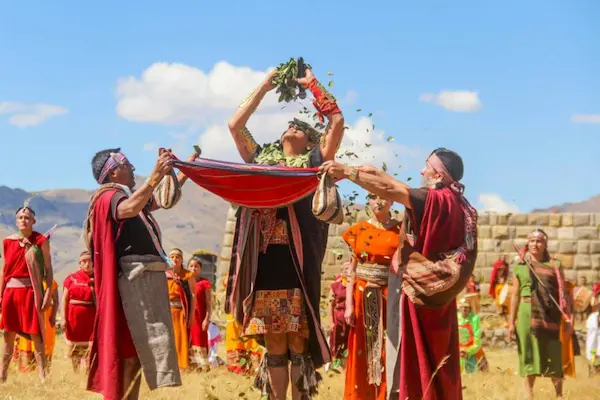
One of the most important celebrations dedicated to Inti the Sun God was Inti Raymi, a grand festival that marked the winter solstice in the Southern Hemisphere. This event symbolized renewal, the return of the sun, and the continuation of life cycles that were essential for agriculture and society. It was a moment of both spiritual reflection and collective celebration.
During Inti Raymi, elaborate ceremonies were performed, including offerings, music, dances, and symbolic reenactments led by priests and rulers. The entire community participated, reinforcing unity and shared belief. The presence of ritual attire, sacred objects, and coordinated performances highlighted the importance of honoring Inti the Sun God with respect and devotion.
Beyond its ceremonial aspects, Inti Raymi also served as a social and political event. It brought together different regions of the empire, strengthening cultural identity and reaffirming the connection between the people, their leaders, and the divine.
Daily Offerings and Religious Practices
Daily practices honoring Inti the Sun God were often simple yet deeply meaningful. Individuals and families expressed gratitude through small offerings, gestures of respect, and moments of reflection directed toward the sun. These everyday acts ensured that spirituality remained a constant presence in daily life rather than being limited to large ceremonies.
Such practices reinforced awareness of the natural cycles that sustained life. Observing the sunrise, acknowledging its warmth, and aligning daily routines with daylight hours created a continuous connection with Inti the Sun God. This routine fostered a sense of balance and mindfulness within communities.
Additionally, these daily rituals helped strengthen social cohesion. Shared beliefs and practices created a common rhythm that connected individuals, families, and entire communities, reinforcing cultural identity through consistent spiritual expression.
Seasonal Ceremonies and Agricultural Cycles
Seasonal rituals connected to Inti the Sun God marked key agricultural moments such as planting, harvesting, and transitions between seasons. These ceremonies were essential for ensuring harmony between human activity and the natural environment, particularly in regions where agriculture depended heavily on climate patterns.
Communities gathered to perform collective rituals that included offerings, music, and symbolic acts intended to honor the sun’s role in sustaining crops. These ceremonies reflected a deep understanding of environmental cycles and the importance of respecting natural rhythms. Agriculture was not seen as separate from spirituality, but as an activity guided by divine influence.
Through these seasonal celebrations, the relationship between people and nature was continually reinforced. The rituals served as reminders of interdependence, teaching that prosperity depended on maintaining balance with the forces represented by Inti the Sun God.
You might also be interested in: 10 Traditional Food in Peru
Symbolism and Representation of Inti the Sun God
The symbolism of Inti the Sun God is deeply connected to elements that represent life and cosmic order, particularly light, gold, and energy. In the Andean worldview, the sun was not only a celestial body but a divine force that sustained existence, regulated time, and ensured agricultural productivity. These symbolic associations allowed communities to understand their environment through a spiritual lens.
Gold held a special place within this symbolism because it was believed to be the “sweat of the sun.” Its brilliance and reflective quality made it a natural representation of Inti the Sun God, often used in temples, ornaments, and ceremonial objects. Rather than being valued purely for wealth, gold was considered sacred and closely tied to divine presence.
Key symbolic elements associated with Inti the Sun God include:
- Light: Representing knowledge, clarity, and life-giving force.
- Gold: A sacred material symbolizing divine energy and solar power.
- Energy and warmth: Essential for agriculture, survival, and continuity.
- Cycles of time: Reflecting renewal, balance, and the rhythm of nature.
Together, these symbols expressed fundamental ideas of life, continuity, and authority, reinforcing the importance of harmony between humans and the natural world.
Inti the Sun God in Modern Peruvian Culture
Today, Inti the Sun God continues to play an important role in Peru’s cultural identity, bridging the past with the present. Although society has evolved, many traditions rooted in ancient beliefs remain visible in festivals, artistic expressions, and community practices. This continuity reflects the resilience of Andean heritage over time.
Modern celebrations, especially those inspired by historical rituals, keep the legacy of Inti alive. Events such as reenactments, cultural performances, and educational initiatives allow both locals and visitors to engage with this ancestral knowledge. These expressions are not exact replicas of the past, but adaptations that preserve meaning while fitting into contemporary contexts.
This ongoing presence demonstrates how cultural beliefs can evolve without losing their essence. Inti the Sun God remains a symbol of identity, reminding Peruvians of their origins while continuing to inspire pride and connection across generations.
You might also be interested in: Holy Week in Peru: A Guide to Traditions and Festivities
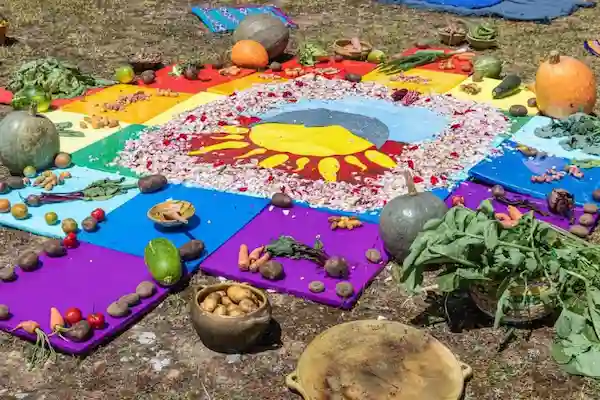
Why Inti the Sun God Still Matters Today
The relevance of Inti the Sun God in modern times lies in its enduring connection to nature, balance, and sustainability. In a world facing environmental challenges, the ancient Andean perspective offers valuable lessons about respecting natural cycles and living in harmony with the environment.
- Environmental awareness: Emphasizes respect for natural resources and ecosystems.
- Balance and harmony: Encourages a sustainable relationship between humans and nature.
- Cultural continuity: Preserves ancestral knowledge and identity.
- Spiritual perspective: Promotes mindfulness and gratitude toward life’s essential elements.
These values remain highly meaningful today. Inti the Sun God serves as a reminder that progress and tradition can coexist, and that ancient wisdom can still guide modern approaches to sustainability, community, and cultural preservation.
A Simple Light That Still Guides Us
The story of Inti the Sun God shows how ancient people understood life in a very simple but meaningful way. The sun was not only light, but also a source of connection, hope, and balance. Today, this idea still feels relevant because it reminds us to value nature and the world around us. Even in modern times, looking back at these beliefs helps us understand that simple ideas can carry deep meaning in our everyday lives.
