
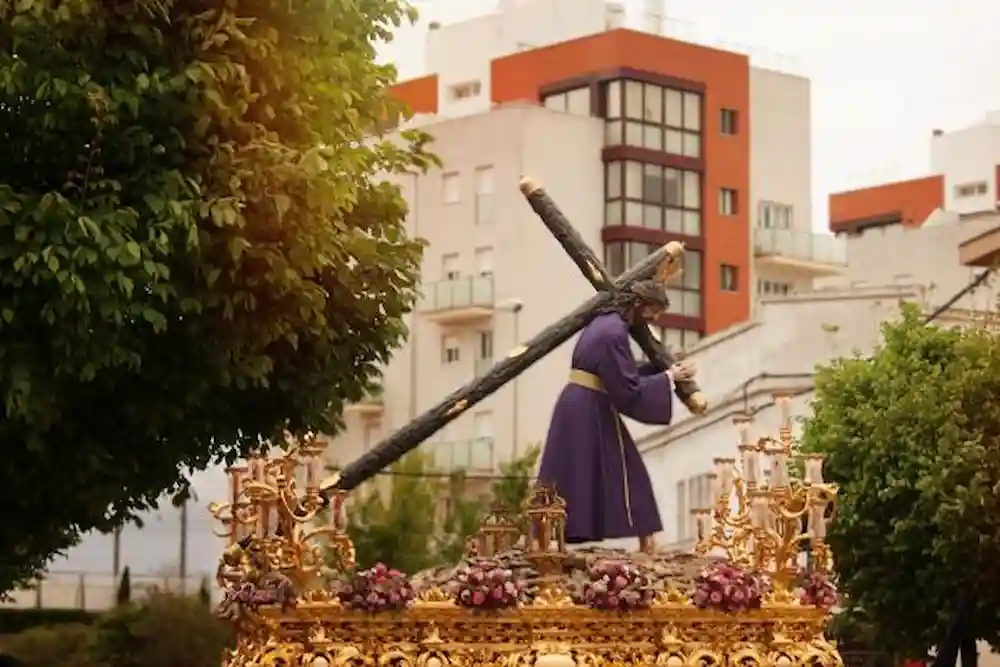
Holy Week in Peru is one of the most meaningful and culturally rich periods of the year. It is a time when faith, history, and daily life come together in a unique way. Across the country, cities and towns slow down to reflect, celebrate, and reconnect with tradition. Holy Week in Peru is not only about religion; it is also about community, identity, and shared experiences passed down through generations. From solemn processions to family gatherings, this week offers a deep and authentic look into Peruvian culture, making it a special moment for both locals and visitors.
You might also be interested in: 6 best places to visit in the Peruvian jungle
What Is Holy Week in Peru
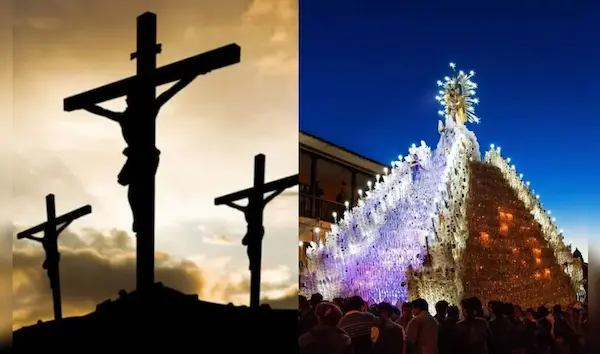
Holy Week in Peru refers to the period leading up to Easter Sunday, commemorating the final moments of Jesus Christ’s life according to Christian belief. It usually begins with Palm Sunday and concludes with Easter, symbolizing resurrection, renewal, and hope. During this time, cities and towns host religious ceremonies, processions, and symbolic acts that reflect deep devotion.
What makes this week especially meaningful is how strongly it is integrated into daily life. Streets are transformed into spaces of reflection, homes prepare traditional meals, and families organize their routines around religious activities. Even those who are not deeply religious often take part, showing how the celebration transcends faith and becomes a shared cultural expression.
It is also a time for pause and introspection. Many people use these days to reflect on personal values, reconnect with loved ones, and step away from daily routines. For this reason, Holy Week in Peru holds strong emotional and spiritual significance within society.
Why Holy Week in Peru Is So Important
Holy Week in Peru carries immense significance because it represents a powerful blend of spirituality and cultural identity. For many Peruvians, this period is one of the most sacred times of the year, offering a moment to reconnect with faith, tradition, and collective memory shaped over centuries.
Beyond religion, this celebration plays a major role in preserving national history. The rituals observed today are the result of a long process of cultural adaptation, where Catholic beliefs merged with indigenous customs. This fusion has created traditions that feel authentic, meaningful, and deeply rooted in local identity.
Another key reason for its importance is community participation. Entire neighborhoods come together to organize events, decorate streets, and prepare traditional dishes. This shared effort strengthens social bonds and fosters a sense of belonging, turning the celebration into a collective experience that is lived, remembered, and passed down through generations.
You might also be interested in: 10 Best Places to Travel in February 2026
Origins and History of Holy Week in Peru
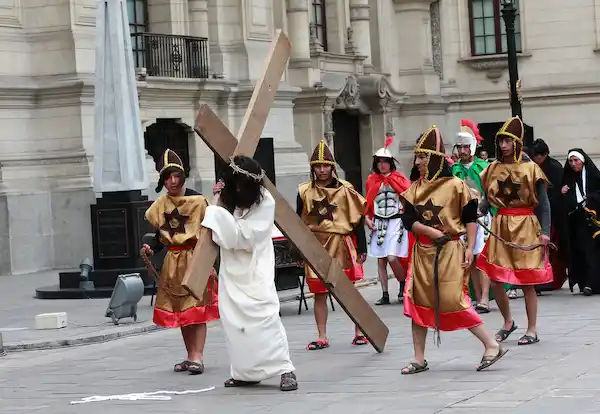
The origins of Holy Week in Peru date back to the Spanish colonial era, when Catholic missionaries introduced religious celebrations as a means of spreading Christian teachings. As these practices reached different regions, local communities gradually incorporated their own symbols, traditions, and ancestral beliefs.
This process of cultural blending gave the celebration its distinctive character. While the central religious message remained, regional influences shaped music, clothing, processions, and gastronomy. In Andean areas, for instance, respect for nature and ancestral traditions became intertwined with Christian rituals.
Over time, Holy Week in Peru has evolved without losing its essence. Historical changes, modernization, and globalization have influenced how it is celebrated today, yet its spiritual depth and cultural meaning remain strong. The tradition stands as a reflection of resilience, faith, and the ability of a culture to adapt while preserving its core values.
Religious Traditions During Holy Week in Peru
Religious traditions are the foundation of Holy Week in Peru. Each day carries specific meanings and rituals that guide believers through reflection, sacrifice, and renewal.
Palm Sunday and Its Meaning
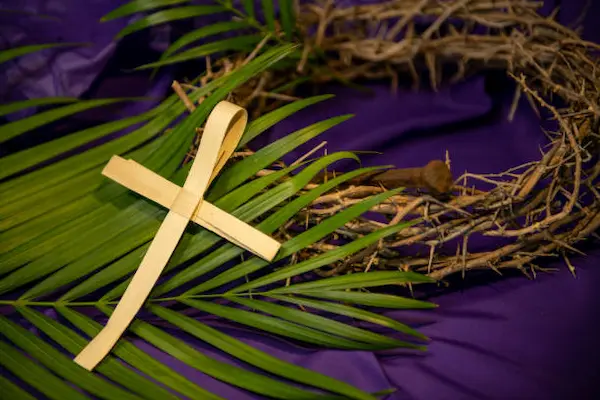
Palm Sunday marks the beginning of the celebration and commemorates Jesus’ entrance into Jerusalem, a moment symbolizing humility, faith, and hope. In Peru, churches bless palm leaves, olive branches, or intricately woven crosses that families take home as symbols of protection and spiritual guidance.
This day blends celebration with reflection. While there is joy in gathering as a community and welcoming the sacred days ahead, there is also awareness of the suffering and sacrifice that will be remembered later in the week. Palm Sunday establishes an emotional balance between hope and contemplation, preparing believers for the deeper moments to come.
Holy Thursday and the Visita de las Siete Iglesias
Holy Thursday commemorates the Last Supper and emphasizes themes of humility, service, and unity. One of the most distinctive traditions is the Visita de las Siete Iglesias, a ritual in which believers visit seven different churches in a single evening.
This practice represents a spiritual journey of prayer and reflection. Families and groups walk together through city streets, often in silence, reinforcing a sense of devotion and togetherness. Beyond its religious meaning, this tradition strengthens social bonds and transforms the city into a shared space of faith and respect.
Good Friday Processions and Symbolism
Good Friday is the most solemn day of the celebration, dedicated to honoring the crucifixion of Jesus Christ. Silence, fasting, and public processions define the atmosphere, creating a powerful sense of collective reflection.
Many cities organize symbolic marches or dramatic reenactments that invite participants to meditate on sacrifice, compassion, and forgiveness. The slow pace, candlelight, and solemn music intensify the emotional experience, making this day the spiritual and emotional center of Holy Week in Peru.
Easter Sunday Celebrations
Easter Sunday marks the resurrection and brings a renewed sense of joy and hope. After days of solemn reflection, the atmosphere changes dramatically, focusing on life, renewal, and gratitude.
Churches fill with music, flowers, and vibrant gatherings. Families come together to share meals, reconnect, and celebrate new beginnings. This day closes the celebration with optimism and unity, leaving behind a message of spiritual rebirth that resonates well beyond the week itself.
You might also be interested in: Chilcano week 2026
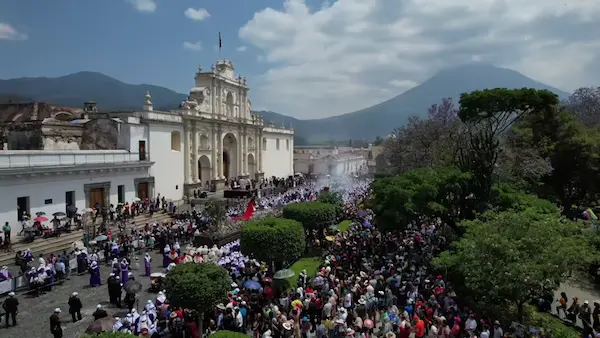
Cultural and Social Customs During Holy Week in Peru
Holy Week in Peru extends beyond churches and religious spaces. Cultural customs play a major role in shaping the experience. Traditional foods are prepared, often avoiding red meat and emphasizing fish, grains, and local ingredients.
Family gatherings are central. Many people travel to their hometowns, turning Holy Week in Peru into a time of reunion. Streets become quieter, businesses adjust schedules, and daily routines slow down.
Artistic expressions also emerge during this time. Carpets made of flowers, colored sawdust, or natural materials decorate streets for processions. These creations reflect creativity, devotion, and community pride.
Main Destinations to Experience Holy Week in Peru
Some destinations are especially known for their Holy Week in Peru celebrations, offering unique expressions of faith and culture.
Ayacucho: The Most Iconic Holy Week Celebration
Ayacucho is widely recognized as the most emblematic destination for Holy Week in Peru. Its celebrations extend over several days and are considered among the most intense and traditional in the country. Each procession is carefully organized, involving entire communities that prepare throughout the year.
The city’s colonial churches and narrow streets create a powerful visual and emotional setting. Candles, religious imagery, and solemn music accompany processions that attract both locals and visitors. Ayacucho’s Holy Week is not only observed but deeply felt, making it a profound spiritual and cultural experience.
Beyond the ceremonies, daily life in Ayacucho slows down during this period. Families gather, traditional foods are prepared, and visitors are welcomed into a city where devotion and heritage remain central to community identity.
Cusco and Andean Religious Expressions
In Cusco, Holy Week in Peru reflects a strong connection between Catholic traditions and Andean spirituality. The city’s celebrations reveal how indigenous beliefs have blended harmoniously with religious practices introduced during colonial times.
Processions often center around revered local images, accompanied by traditional music and symbolic offerings. The participation of local communities gives these events a deeply authentic character. Cusco’s Holy Week is marked by respect for nature, ancestral values, and collective memory.
The surrounding landscape also plays an important role. The green valleys and mountains enhance the spiritual atmosphere, reminding participants of the close relationship between faith and the natural world. Cusco offers a unique perspective on Holy Week in Peru, rooted in cultural continuity.
Lima and Coastal Holy Week Traditions
Lima presents a more urban interpretation of Holy Week in Peru, blending religious observance with modern city life. Processions take place in historic areas such as the city center, where colonial architecture provides a meaningful backdrop for public ceremonies.
Families often use this time for reflection and rest, combining church attendance with shared meals and quiet moments at home. The coastal setting brings a calmer rhythm, and many residents take advantage of the holidays to reconnect with loved ones.
Lima’s celebrations demonstrate how Holy Week in Peru continues to adapt to contemporary lifestyles while maintaining its spiritual core. Tradition and modernity coexist, offering a balanced and accessible experience for both residents and visitors.
You might also be interested in: Procession of the Lord of the Earthquakes 2026
How Holy Week in Peru Is Celebrated Today
Today, the celebration reflects a careful balance between long-standing traditions and modern forms of participation. While religious ceremonies continue to be at the heart of the experience, the ways people engage with them have evolved over time. Many families now combine in-person attendance with digital sharing, allowing these customs to reach wider audiences and younger generations.
Tourism has also influenced how the festivities are experienced. Visitors from different cultural backgrounds attend processions, religious services, and cultural events, contributing to greater visibility and appreciation of these practices. At the same time, local communities remain deeply committed to preserving the spiritual meaning that defines this period.
Modern celebrations emphasize continuity rather than transformation. The essence of reflection, community involvement, and faith remains strong. Holy Week in Peru continues to be a moment when people slow down, reconnect with their values, and share meaningful experiences that connect the past with the present.
Tips for Visiting Peru During Holy Week
Visiting Peru during Holy Week can be a rewarding experience when planned thoughtfully. To fully enjoy this period, travelers should keep several practical considerations in mind:
- Book accommodation and transportation in advance, especially in popular destinations such as Ayacucho and Cusco.
- Be aware that some businesses and public services may operate on limited schedules during key religious days.
- Dress respectfully when attending religious ceremonies or processions.
- Observe local customs quietly and avoid interrupting rituals or sacred moments.
- Take time to learn about the cultural and emotional significance of Holy Week in Peru to enhance understanding and respect.
Being prepared allows visitors to experience Holy Week in Peru in a meaningful and respectful way, creating deeper connections with local traditions and communities.
Conclusion: Experiencing the Spirit of Holy Week in Peru
Holy Week in Peru is more than a religious celebration; it is a reflection of identity, history, and community. Through rituals, traditions, and shared moments, this week invites reflection and connection. Experiencing Holy Week in Peru offers a rare opportunity to understand the country beyond its landscapes, discovering values rooted in faith and togetherness. Whether observed quietly or celebrated publicly, this sacred time leaves a lasting impression, reminding us of the power of tradition, reflection, and collective memory.
