Inca Trail 4 days / 3 nights

Embark on a 4 days / 3 nights Inca Trail adventure and travel the same paths that once linked the great Inca Empire. Connect with history, nature, and the thrill of walking to Machu Picchu in an experience you will remember for a lifetime.

Inca Trail 4 days / 3 nights
US$: 699 per person
Duration

4-day / 3-night

Difficulty

Hard

Group

+ 4 persons

As a guide, I would love for you to know all of Peru. All of Cusco. All of Machu Picchu. But I know that sometimes trips are short, time is limited, and simply not enough to explore everything you dream of. Even so, there is one experience that, honestly, you have to live at least once in your life: the Inca Trail 4 days / 3 nights.

It's not just a hike. It is a journey into the heart of history. A path that the Incas used to unite an immense empire, and that today continues to unite travelers looking for something more: a real connection with nature, with the past, and with themselves.

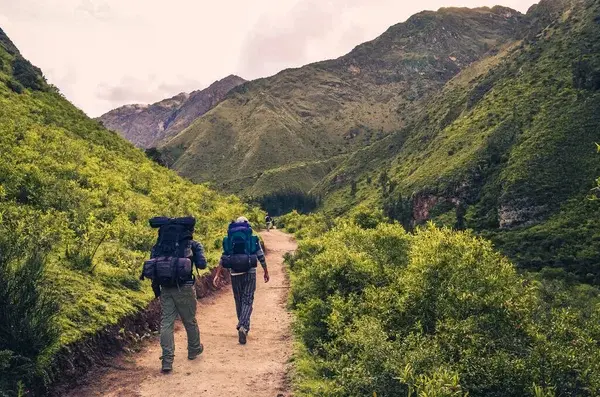
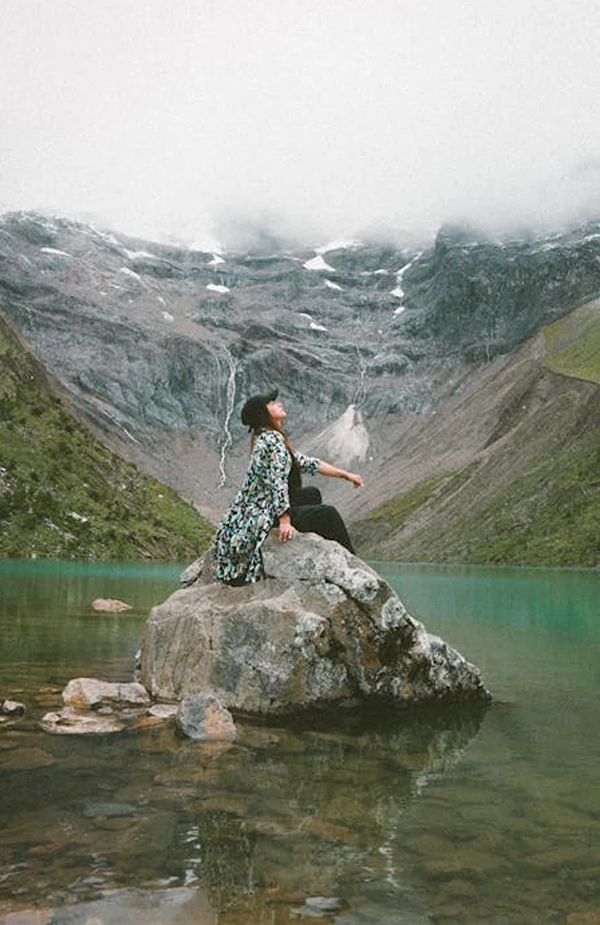
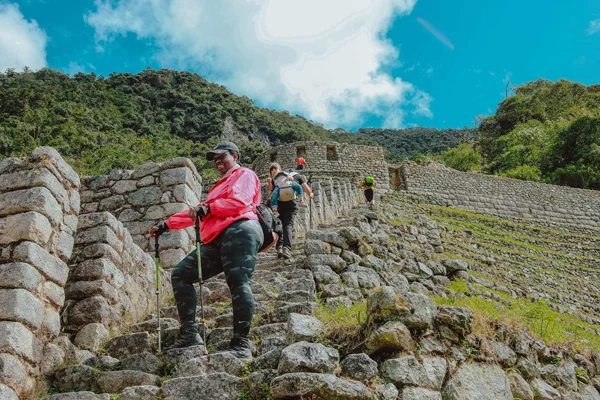
For four days, you will walk along legendary trails built by the Incas themselves. You will cross landscapes that seem like something out of a dream, you will sleep under starry skies far from the noise of the city, and you will be surrounded by Andean mountains that will make you feel very small, but also very much alive.

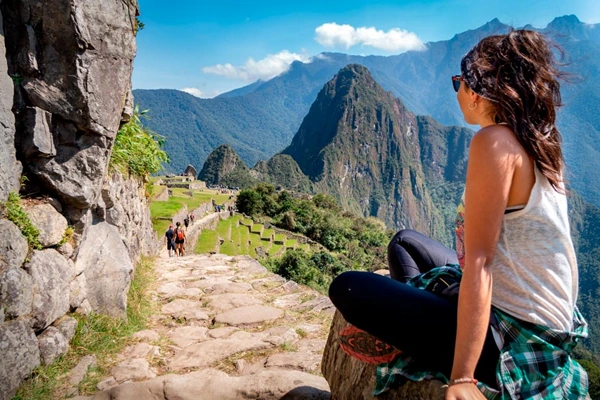
And then that moment will come: the Sun Gate, where you will see Machu Picchu looming between the mountains for the first time. When you reach the citadel, you'll know: every step, every effort, every climb was worth it.

If you're looking for more than a photo... if you want an experience that will stay with you long after the trip, then this is the trail you've been looking for.

Why choose the classic inca trail 4 days / 3 nights to Machu Picchu

Why choose the classic Inca Trail to Machu Picchu?

Walking the Inca Trail isn’t just about reaching Machu Picchu. It’s about the path you take to get there. These stone-paved trails were once walked by messengers, nobles, and pilgrims of the Inca Empire. Every step brings you closer to a deeper understanding of Andean culture, spirituality, and the powerful connection between people and nature.

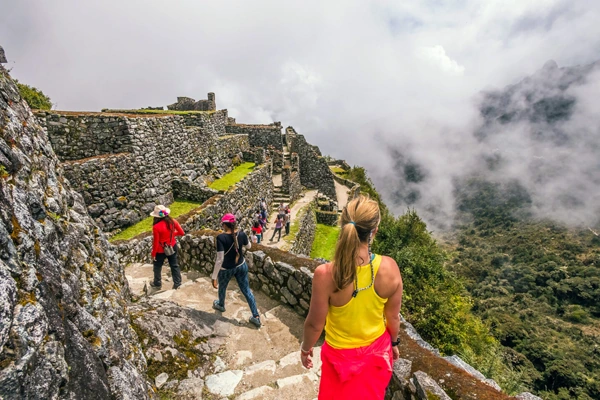
As you pass through ancient sites like Runkurakay, Sayacmarca, and Wiñayhuayna, you’re not just looking at ruins—you’re touching history. The Inca Trail 4 days / 3 nights is a cultural immersion that makes you feel like part of something greater than yourself.

Breathtaking landscapes and archeological treasures

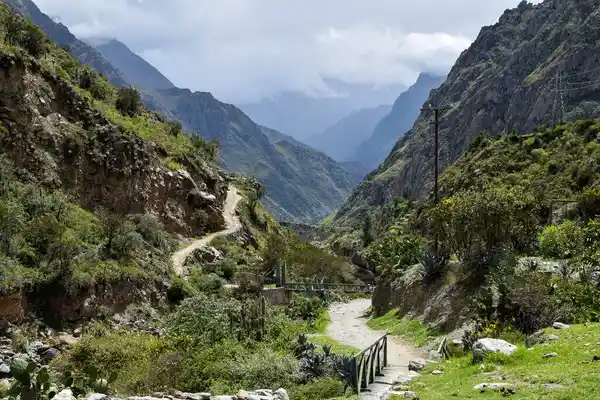
From cloud forests dripping with mist to high mountain passes that open up to sweeping Andean valleys, this trek is a visual masterpiece. The trail takes you through dramatically different ecosystems, each one more stunning than the last.

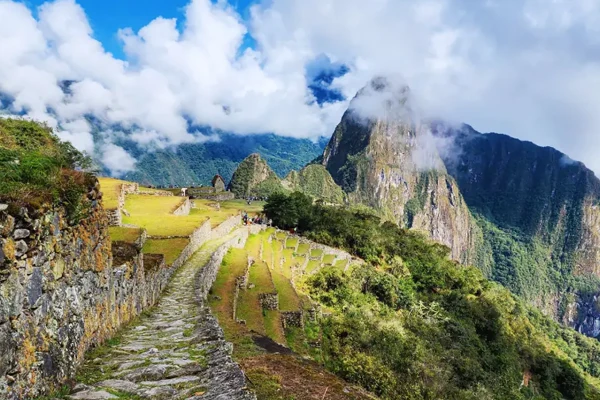
One moment you’re ascending a stone stairway beneath towering trees, and the next you’re standing atop Warmiwañusca Pass at 4,200 meters, surrounded by peaks that seem to touch the sky. Along the way, you'll discover remote archaeological sites, some perched dramatically on cliff edges, others hidden in lush greenery, each with stories carved in stone and silence.

What makes this four day Inca Trail to Machu Picchu unique

There are many ways to reach Machu Picchu, but none carry the depth, mystery, and emotion of the Inca Trail. What makes this route so unique is not only the scenery or the ruins but the experience of walking in the footsteps of history.

This is the only trek that allows you to enter Machu Picchu through the Inti Punku (Sun Gate), just as the Incas did. After four days of effort, arriving at the citadel as the first light breaks over the mountains is something that can’t be described—only felt.

It’s a journey of endurance, wonder, and transformation. And that’s what makes the Machu Picchu Inca Trail 4 days one of the most iconic trekking adventures in the world.

Map of the Inca trail used by this civilization to communicate with each other

The history of the Inca Trail: A road built by an empire

Qhapaq Ñan: The backbone of the Inca civilization

The Inca Trail is just one piece of a vast and sophisticated network of roads known as the Qhapaq Ñan, or "Great Inca Road." This ancient highway system once stretched over 30,000 kilometers, connecting the Inca capital of Cusco with the farthest corners of the empire, from modern-day Colombia to Chile and Argentina.

These roads weren’t just for transport. They were arteries of administration, communication, and ceremony. Messengers called chasquis ran along these paths delivering messages and goods, while pilgrims and soldiers moved in carefully organized flows. The section we now call the "Inca Trail to Machu Picchu" was a sacred route—one that only the elite, or those with spiritual purpose, could walk.

The sacred connection between Cusco and Machu Picchu

The trail to Machu Picchu wasn’t the easiest or shortest route, but it was the most meaningful. It passed through mountains, cloud forests, and temples, leading travelers through a spiritual journey before reaching the sacred citadel.

Machu Picchu itself is believed to have been a royal estate or ceremonial center, and the path leading to it reflects that purpose. Along the way, you find sites like Runkurakay, Sayacmarca, and Phuyupatamarca, each one thought to have played a specific role in preparing pilgrims mentally and spiritually for the final destination.

Walking the Inca Trail today is more than a hike; it’s a chance to experience a path once reserved for nobility, astronomers, priests, and those in search of cosmic alignment.

Rediscovery, protection, and modern use of the trail

The trail fell into obscurity for centuries after the fall of the Inca Empire. Overgrown by forest and nearly forgotten, it was rediscovered in the early 20th century, around the same time that Hiram Bingham brought global attention to Machu Picchu.

Since then, the trail has been carefully studied, mapped, and protected. In 2001, the Peruvian government introduced a permit system to control access and preserve the route. Only a limited number of hikers are allowed each day, and all treks must be led by licensed guides.

Today, the Inca Trail 4 days / 3 nights is one of the most sought-after treks in the world—not only for its beauty and challenge but because it allows you to walk in the footsteps of an empire, through a living landscape that still whispers the stories of its past.
Itinerary

Day 1Cusco, Km 82, Wayllabamba and Llulluchapampa

Your adventure begins with an early morning pickup in Cusco. After a scenic drive to Km 82 (Piscacucho), the official starting point of the Inca Trail, you’ll meet your guides and support team, take your first steps, and begin the journey of a lifetime.

The hike starts gently, passing through the small village of Miskay, where the trail gradually climbs alongside the Urubamba River. You’ll have your first views of Llactapata, an ancient Inca site surrounded by greenery. After lunch in Wayllabamba, the trail begins to rise toward Llulluchapampa, where you'll set up camp. As night falls, you're deep in the Andes, under a sky full of stars.

Day 2Llulluchapampa, Warmiwañusca Pass and Chaquicocha

+

This is the most challenging day, but also one of the most rewarding. After a hearty breakfast, you’ll ascend to Warmiwañusca (Dead Woman’s Pass) at 4,200 meters—the highest point of the Inca Trail. The views from the top are breathtaking, both literally and figuratively.

From there, you’ll descend into the Pacaymayu Valley, where you’ll rest and have lunch. In the afternoon, you’ll explore the circular ruins of Runkurakay, then continue your hike past Sayacmarca, a fascinating Inca outpost built into the mountain. You’ll camp that night in Chaquicocha, where silence wraps the valley and the stars reflect the spirit of the journey.

Day 3Chaquicocha, Phuyupatamarca and Wiñayhuayna

+

The third day is less intense, but rich in scenery and Inca architecture. The path takes you through high-altitude forests and stone-paved paths toward Phuyupatamarca ("Town in the Clouds"), a stunning ceremonial site with panoramic views of the Urubamba Valley.

As you descend through lush vegetation and ancient stairways, you’ll reach Wiñayhuayna, your final campsite and one of the most beautiful Inca sites on the trail. It’s a time for celebration, reflection, and anticipation—Machu Picchu is now within reach.

Day 4Wiñayhuayna, Inti Punku and Machu Picchu

+

The day starts early, around 4:30 AM, as you make your way through the final stretch of trail in darkness, guided by moonlight and headlamps. And then, just as the sun begins to rise, you arrive at Inti Punku, the Sun Gate.

And there it is: Machu Picchu, glowing in the morning light. It’s a moment few forget. After taking in the view, you’ll descend into the citadel for a guided tour, learning about its temples, terraces, and mysteries. Later, you’ll head to Aguas Calientes, where you can grab lunch or visit the hot springs before boarding the train back to Cusco.

You’ll return physically tired, maybe a little sunburned, but with a full heart and a story you’ll never stop telling.

What’s included in the Inca Trail 4 days / 3 nights tour?

Planning a trek like this takes effort, but with us, everything essential is covered. We’ve designed this experience so you can fully immerse yourself in the journey without worrying about logistics.

Here’s what’s included in your Inca Trail adventure:

  • Hotel pickup in Cusco (6:00 AM): We start by picking you up directly from your accommodation so you can begin your day stress-free.
  • Private tourist transport to Km 82: A comfortable ride to the trailhead at Piscacucho, the official starting point of the Inca Trail.
  • Professional bilingual guide and assistant guide: Our expert guides will walk with you every step of the way, offering cultural insights, safety, and support.
  • Entrance tickets to the Inca Trail and Machu Picchu: All permits are handled in advance; no need to worry about availability.
  • Meals during the trek (3 breakfasts, 3 lunches, 3 dinners): Our cooks prepare warm, nourishing meals at every stop. Special dietary options are available upon request.
  • Experienced cook and support team: You’ll be accompanied by a friendly team who set up camp, prepare meals, and ensure everything runs smoothly.
  • Porters for agency camping equipment: Our porters carry the tents, cooking gear, and supplies, allowing you to hike with just your personal daypack.
  • Group camping equipment: Includes spacious 4-person tents (for 2 people), a dining tent with tables and chairs, a kitchen tent, sleeping mats, and all shared gear.
  • First aid kit and oxygen bottle: For your safety and peace of mind throughout the trek.
  • Train ticket from Aguas Calientes to Ollantaytambo + bus to Cusco: After visiting Machu Picchu, we’ll coordinate your return via train and private transport.
  • Hotel drop-off in Cusco: We’ll make sure you arrive back to your accommodation safe and sound.

Everything is organized so you can focus on what truly matters: walking in the footsteps of the Incas, connecting with the Andes, and living a once-in-a-lifetime experience.

What’s not included in this four day Inca Trail to Machu Picchu?

We like to keep things transparent. While your Inca Trail experience covers nearly everything, there are a few items not included in the base package:

  • Sleeping bag: This is a personal item. If you don’t have one, you can easily rent one from us before the trek.
  • Personal porter (optional): Our tour includes porters for shared camping equipment, but if you'd like help carrying your personal belongings, you can hire a personal porter for an additional fee.
  • Final lunch in Aguas Calientes: After exploring Machu Picchu, you’ll have free time in Aguas Calientes before taking the train. Lunch here is on your own.
  • Bus from Machu Picchu to Aguas Calientes (optional): You can walk down the scenic path (about 2 hours) or choose to take a shuttle bus (ticket not included).
  • Travel insurance or tips: We always recommend having travel insurance. Tips for guides, porters, and cooks are not mandatory but are highly appreciated.

Planning ahead for these extras will help you enjoy the trek even more. If you need help with rentals or booking any of the above, just let us know—we’re here to assist.

What to bring for the Inca Trail 4 days adventure?

Trekking the Inca Trail is a once-in-a-lifetime experience—but it also means walking for hours through changing altitudes, weather, and terrain. Packing smart can make a huge difference in your comfort and enjoyment.

Here’s a list of what you should definitely bring:

  • Comfortable trekking shoes: Waterproof, broken-in hiking boots are a must. Avoid wearing brand-new shoes on the trail.
  • Backpack with rain cover: A small daypack to carry water, snacks, layers, and personal items. Rain protection is essential.
  • Layers of clothing: Mornings can be cold, days sunny, and nights chilly again. Pack thermal layers, a warm jacket, and lightweight shirts.
  • Rain gear: A rain poncho or waterproof jacket and pants will keep you dry if the weather turns.
  • Sun protection: Hat, sunscreen, sunglasses, and lip balm with SPF. The Andean sun is strong, even on cloudy days.
  • Reusable water bottle or hydration system: Staying hydrated is crucial. We'll provide boiled or filtered water at campsites.
  • Headlamp or flashlight: Especially useful for early morning starts and night walks at camp.
  • Personal hygiene kit: Toothbrush, biodegradable soap, hand sanitizer, toilet paper, and wet wipes.
  • Snacks and electrolytes: Energy bars, nuts, and electrolyte powder are great pick-me-ups on long climbs.
  • Camera or smartphone: Optional, but highly recommended. You’ll want to remember these views.

Optional but useful:

  • Walking sticks (with rubber tips)
  • Earplugs (for a better night’s sleep at camp)
  • Portable power bank

We’ll provide a full packing list when you book, and if you forget anything, we’re here to help. Better prepared means better memories.

Booking
from US$: 699 per person
Duration

4-day / 3-night

Difficulty

Hard

Group

+ 4 persons

Packages
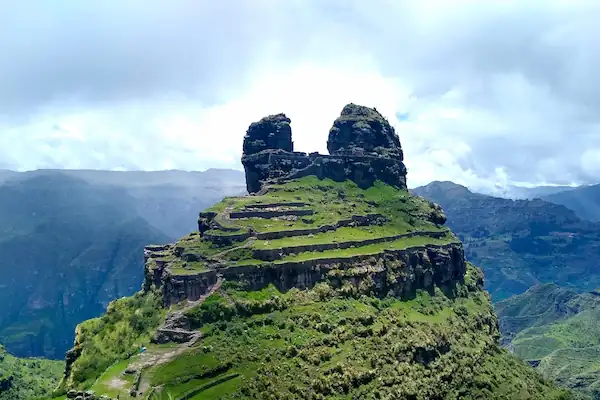
With a Waqrapukara tour you'll see all the wonders of this place
Were you looking for an unexplored destination to have an out of the ordinary experience? We have the perfect proposal for this, the Waqrapukara tour….

Price: US$.

259 per person
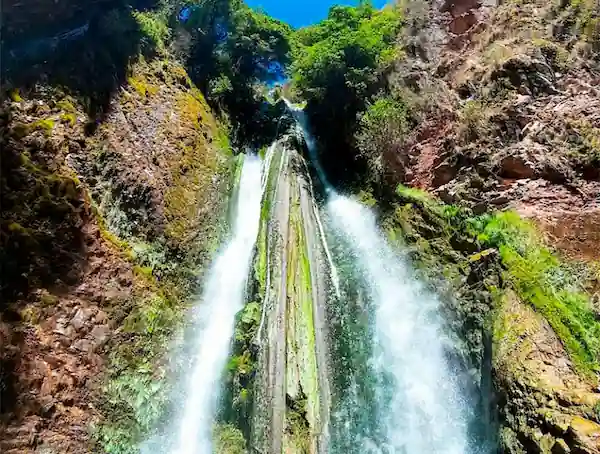
poc poc waterfall hike
If you are a super fan of nature, I recommend that you take the Poc Poc waterfall hike, as it is the ideal way for…

Price: US$.

49 per person

FAQs about the Inca Trail 4 days 3 nights

Before beginning this classic trek, it helps to understand how permits work, what the daily rhythm is like and what you can expect in terms of weather, comfort and preparation. These questions bring together the concerns travellers usually have before taking on this four day journey, so you can start your adventure feeling confident and well informed.

How challenging is the Inca Trail 4-day route to Machu Picchu?

Although the trail is well maintained, the overall challenge comes from the combination of altitude, long climbs and the constant variation in terrain. The pace is steady rather than rushed, but you will feel the effects of hiking above 3,000 metres, especially on the ascent towards the highest pass. Most travellers with a reasonable fitness level manage the route without difficulty as long as they take their time, drink plenty of water and allow their body to adjust. The support of the guiding team also makes a big difference, as they help you set a rhythm that feels comfortable rather than overwhelming.

What a typical day looks like on the Classic Inca Trail 4-day trek

Each day begins early with a gentle wake up, followed by a warm breakfast before setting off. The mornings usually involve the main section of walking, with breaks in scenic spots where you can rest and enjoy the surrounding landscape. Lunch is freshly prepared at a set location, and the afternoons tend to include shorter stretches or visits to archaeological sites. Once you arrive at camp, you can relax, enjoy dinner and prepare for the next stage while the team handles all logistics. Evenings are quiet, often ending under clear Andean skies.

What to expect from the campsites on the four-day Inca Trail

The campsites are located in designated areas chosen for both safety and environmental protection. They offer a peaceful atmosphere with impressive views, especially at higher altitudes. Tents are already set up when you arrive, and meals are served in a shared dining space. Facilities are basic but well organised, with access to cold water for cleaning and simple restroom areas. What travellers appreciate most is the sense of calm at night, when the surrounding mountains become silhouettes beneath a bright sky.

How unpredictable the weather can be on the Inca Trail 4 days and 3 nights

The weather can change quickly due to the mix of cloud forest, high passes and sheltered valleys. Mornings often begin cool, afternoons can feel warm when the sun is strong and evenings are usually cold again. Sudden showers are common, particularly during the rainy season, which is why layers and waterproof gear are essential. Even when the day starts clear, mist may gather around the mountains, creating dramatic views rather than causing any major inconvenience. Being prepared for a little of everything is the key to enjoying the journey comfortably.

Inca Trail 4 days / 3 nights
FAQs about the Inca Trail 4 days 3 nights

Need more information?

If you’d like extra details or still have questions about this trip, feel free to get in touch. Send us a message and our team will respond promptly to help you plan with confidence.

Unforgettable travel stories

Our clients share their happiness and adventures. Find out why Climb Sunday is their choice in Peru.

Need Help? Chat with us