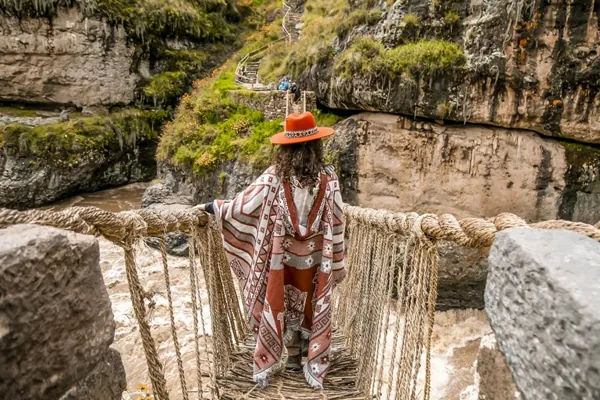
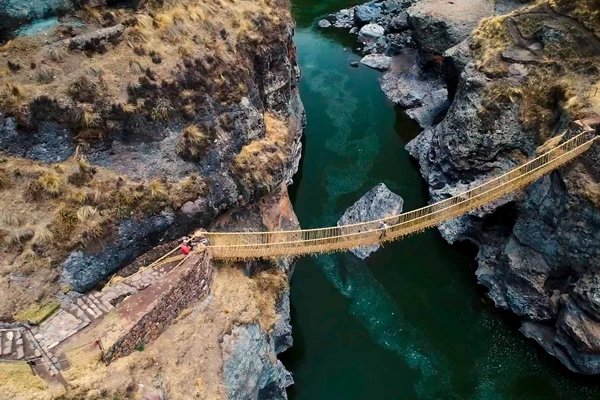
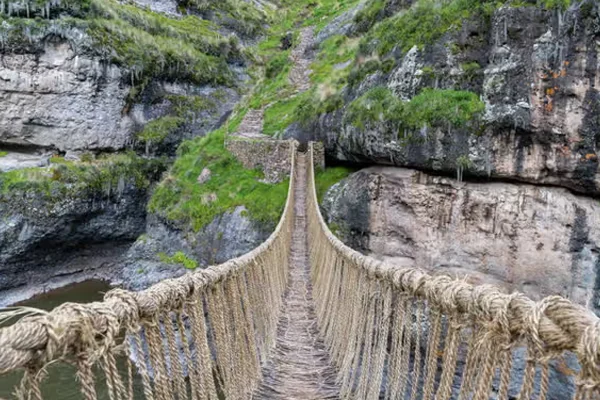
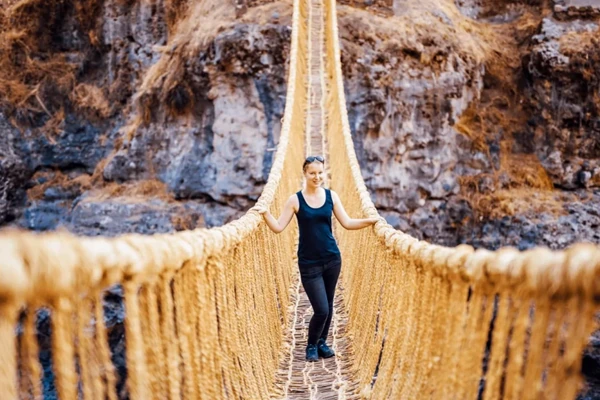
Experience a different side of the Cusco region with our Q'eswachaka Bridge Tour, a full-day journey designed for travelers who want to combine Andean landscapes, local culture, and one of the region's most distinctive destinations.
The tour brings together the principal services needed for an organized day trip. Round-trip transportation is included, allowing you to travel to and from the Q'eswachaka Bridge area without arranging the main transfers separately. Your entrance to the site is also covered as part of the package.
Throughout the experience, you will be accompanied by a professional local guide. This gives you the opportunity to explore the destination as part of a structured visit while receiving guidance throughout the day.
Breakfast and lunch are also included, helping you stay prepared for a full day away from Cusco. Additional personal expenses and services that are not specifically mentioned in the confirmed itinerary remain separate.
The Q'eswachaka Bridge Tour is currently available in both group and private formats, making it possible to choose the type of service that best fits your travel plans.
The Q'eswachaka Bridge experience offers travelers an opportunity to explore beyond the better-known routes around Cusco while having the essential logistics arranged in advance.
The Q'eswachaka Bridge Tour is a full-day excursion that takes you beyond the conventional city and archaeological tours commonly included in a Cusco itinerary.
It is especially suitable for travelers who want to dedicate a complete day to discovering another part of the Andean region.
With transportation already organized, you can focus on the destination and the experience rather than coordinating the journey independently.
Round-trip transportation is part of the updated tour package.
This means the principal transportation required to complete the organized excursion is already arranged.
The latest tour information does not provide fixed departure or return times, so the exact schedule should follow the itinerary confirmed for your travel date.
A professional local guide accompanies the tour.
Having a guide provides structure to the experience and professional support during your visit to the Q'eswachaka Bridge area.
Follow the instructions provided throughout the journey and use the guided experience to make the most of your time at the destination.
Entrance to the Q'eswachaka Bridge site is included in the tour package.
This means the standard admission covered by the experience does not need to be purchased separately.
Your final reservation will provide any additional operational information associated with the visit.
Both breakfast and lunch are specifically included in the updated package.
Having these meals organized helps make the full-day experience easier to plan.
Additional snacks and personal purchases are not included, so you may still wish to carry something light according to your own needs.
The updated Q'eswachaka Bridge Tour is available in both group and private formats.
This gives travelers the flexibility to select the service option that best matches their travel preferences and budget.
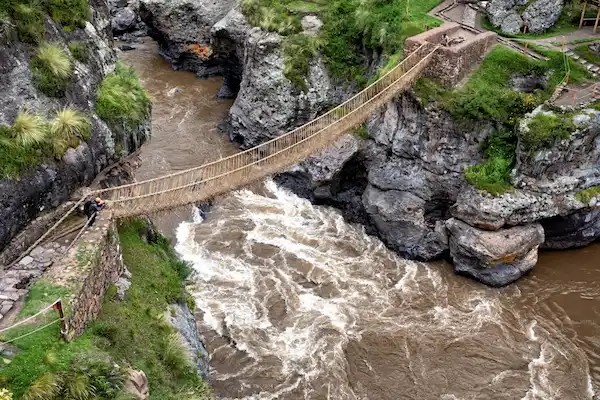
In 2013, this ancestral practice was officially declared part of the Intangible Cultural Heritage of Humanity by UNESCO—not for the bridge itself, but for the collective knowledge, collaboration, and spiritual importance behind it. Every June, the four Quechua-speaking communities come together to harvest the grass, bless the fibers, and rebuild the bridge from scratch in a ceremony filled with music, food, and deep-rooted meaning.
It’s rare to find a place where ancient tradition hasn’t been frozen in time, but instead kept alive through community. Visiting Q’eswachaka means being witness to a ritual that continues not for tourism, but for culture, for the people who still live by the same rhythms as their ancestors.

The Q'eswachaka Bridge Tour combines transportation, meals, professional guidance, and entrance to the site within a full-day experience.
Your journey begins with the round-trip transportation arranged as part of the package. The exact departure point and schedule should be confirmed through the final information provided for your travel date.
Breakfast is included during the experience, giving you an opportunity to prepare for the day before continuing toward the Q'eswachaka Bridge area.
Once at the destination, your professional local guide accompanies the organized visit. Entrance to the bridge site is already included.
Lunch is also provided as part of the tour before or during the return portion of the itinerary, depending on the arrangements confirmed for the day.
The updated source does not establish exact travel times, meal times, length of stay at the bridge, or a fixed return time. These details should therefore follow your confirmed itinerary.
We believe a great adventure should feel effortless. That’s why we’ve taken care of every detail so you can focus on what matters most, soaking in the experience.
Here’s what’s included in your full-day journey:
Everything is planned so you can immerse yourself in the culture, history, and beauty of this incredible corner of Peru.