
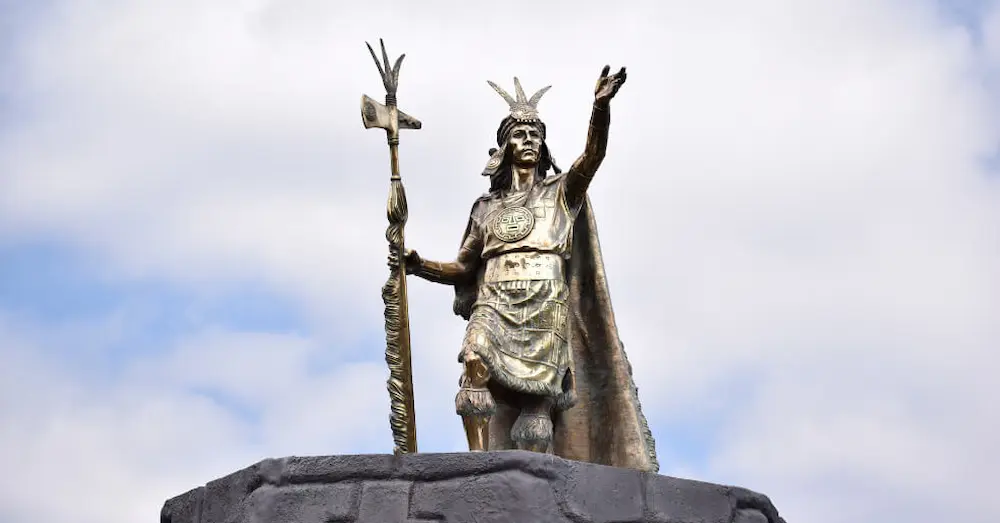
The Inca Culture History represents one of the most fascinating and influential civilizations in the history of the Americas. Long before European contact, the Incas built an advanced society based on organization, spirituality, and harmony with nature. Their traditions, beliefs, and social systems shaped the Andean world and continue to influence modern Peru today. Understanding the Inca culture is not only about learning historical facts, but also about recognizing a worldview that valued community, balance, and respect for the natural environment. This legacy remains deeply rooted in Peruvian identity and cultural memory.
You might also be interested in: Holy Week in Peru: A Guide to Traditions and Festivities
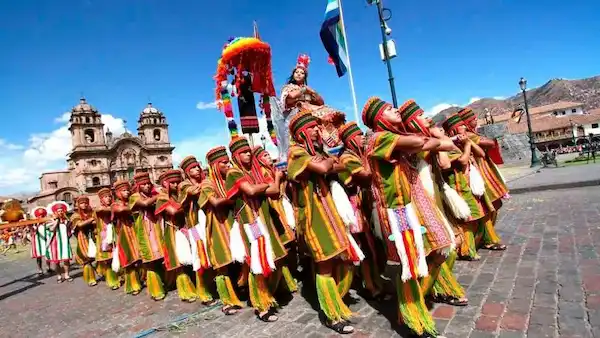
What Is the Inca Culture History
The Inca Culture History refers to the development, expansion, and legacy of the Inca civilization, which dominated much of western South America before the arrival of the Spanish in the 16th century. This culture emerged in the Andean region and grew into one of the largest empires in the pre-Columbian world.
The Incas were not only conquerors but also skilled administrators. They created a highly organized state that integrated diverse ethnic groups under a centralized system. Roads, agricultural terraces, and communication networks allowed the empire to function efficiently across vast and challenging terrain.
Studying the Inca culture history helps us understand how knowledge, tradition, and social responsibility shaped a civilization that thrived without written language, metal currency, or modern technology.
Why the Inca Culture History Is Still Relevant Today
The relevance of Inca Culture History extends far beyond textbooks. Many aspects of Inca life continue to influence modern Andean communities, from agricultural practices to social values.
Concepts such as collective work, respect for nature, and community responsibility remain visible in rural Peru. Traditional farming methods, like terrace agriculture, are still used today because of their sustainability and effectiveness.
Culturally, the Inca legacy is present in language, festivals, clothing, and spiritual beliefs. By understanding this history, modern society can appreciate the importance of cultural preservation and ancestral wisdom in a rapidly changing world.
You might also be interested in: 10 Best Places to Travel in February 2026
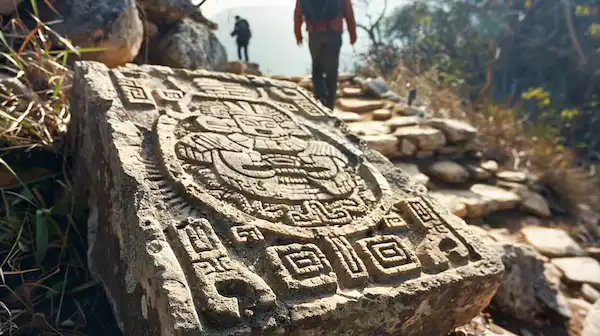
Origins of the Inca Civilization
The origins of the Inca civilization are shaped by a deep connection between mythology, geography, and gradual historical development. According to Inca oral tradition, their ancestors were sent by the sun god Inti and emerged from the sacred waters of Lake Titicaca to bring order and wisdom to the Andean world. This belief was central to their identity, as it reinforced the idea that their society was divinely guided and destined to lead.
Historically, the Incas began as a small ethnic group in the Cusco Valley around the 12th century. They were not immediately powerful and lived alongside other Andean cultures with their own traditions and systems. What distinguished the Incas was their ability to observe, adapt, and integrate knowledge from their surroundings. They gradually strengthened their agricultural methods, social organization, and political alliances.
Their early growth was supported by several interconnected factors:
- Adaptation to high-altitude environments through terrace farming
- Development of irrigation systems to control water resources
- Strong community cooperation that prioritized survival over expansion
These elements laid the foundation of Inca Culture History, demonstrating that the rise of the Incas was a slow and intelligent process rather than a sudden conquest.
The Expansion of the Inca Empire
The expansion of the Inca Empire is one of the most remarkable achievements in pre-Columbian history. In less than a century, the Incas transformed from a regional power into rulers of an immense territory known as Tawantinsuyu, which extended across much of western South America. This expansion was not chaotic or purely militaristic; it was carefully planned and strategically executed.
Military strength played a role, but diplomacy and integration were equally important. The Incas often allowed conquered communities to maintain their local customs, leaders, and traditions, as long as they accepted Inca authority and contributed labor or resources. This approach reduced resistance and fostered cooperation, creating a sense of shared purpose rather than imposed domination.
A key factor in maintaining such a vast empire was infrastructure. The Incas built an extensive network of roads, bridges, and storage centers that connected distant regions. These routes allowed for efficient communication, trade, and the movement of armies when necessary. Through organization and adaptability, the empire maintained stability across diverse landscapes and cultures. This stage of expansion clearly reflects the strategic intelligence and inclusiveness that define Inca Culture History.
You might also be interested in: 6 best places to visit in the Peruvian jungle
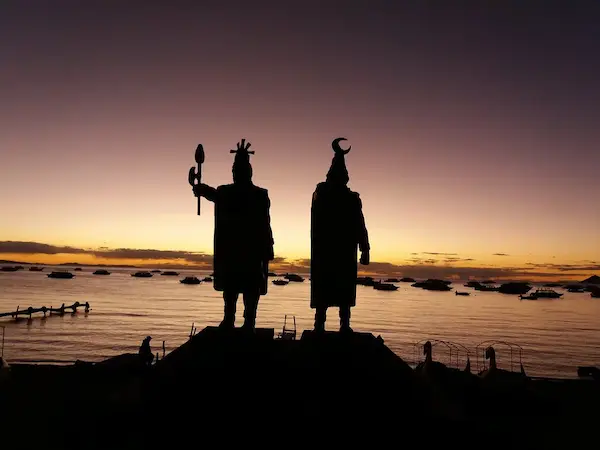
Social Organization in the Inca Culture
Inca society was structured around order, responsibility, and hierarchy. Every individual had a role, and social harmony was essential to survival.
The Role of the Sapa Inca
The Sapa Inca was the supreme ruler of the empire and was believed to be the direct descendant of the sun god Inti. This divine origin placed him at the center of political, religious, and social life, making his authority unquestionable. His presence symbolized order, continuity, and the connection between the human world and the cosmos.
Beyond governance, the Sapa Inca played a crucial role in maintaining balance within society. He oversaw agricultural calendars, approved large construction projects, and led key religious ceremonies that ensured harmony with nature. Loyalty to the Sapa Inca was deeply spiritual, as obedience was seen as essential to preserving cosmic balance. This fusion of sacred belief and leadership strengthened unity and stability throughout Inca Culture History, reinforcing the idea that power was both a responsibility and a divine trust.
Social Classes and Community Life
Inca society was organized into clearly defined social classes, including nobility, priests, artisans, farmers, and laborers. Each group had specific duties, and all were considered essential to the survival and success of the empire. Although hierarchy existed, social structure was designed to promote cooperation rather than division.
Community life focused strongly on collective well-being. Families worked together in agriculture, shared resources, and supported one another during times of need. The state played an active role in ensuring access to food, shelter, and protection, which strengthened trust between leadership and the population. This sense of shared responsibility and social cohesion remains one of the most enduring characteristics of Inca Culture History, reflecting a society built on mutual dependence rather than individual gain.
The Ayllu System and Collective Work
The ayllu was the fundamental unit of social organization in Inca society. It functioned as an extended family group based on shared ancestry, land, and obligations. Members of an ayllu worked together in farming, construction, and public service, ensuring that no individual faced hardship alone.
Collective labor was not only an economic system but also a cultural value deeply rooted in identity and belonging. Cooperation reinforced solidarity, discipline, and respect among community members. Participation in shared work strengthened social bonds and reinforced the idea that individual effort contributed to collective survival. The ayllu system stands as one of the most significant legacies of Inca Culture History, as its principles of cooperation and reciprocity continue to influence Andean communities today.
Religion and Spiritual Beliefs in Inca Culture
Religion was a foundational pillar of Inca society and one of the most defining elements of Inca Culture History. Spiritual beliefs were deeply integrated into everyday life, governance, agriculture, and social organization. The Incas did not separate religion from daily activities; instead, they understood the world as a sacred system in which humans, nature, and the divine were interconnected.
Natural elements such as the sun, mountains, rivers, and earth were considered living forces with spiritual power. This worldview shaped decision-making at both personal and state levels, influencing when to plant crops, conduct ceremonies, or wage war. Religious authority reinforced political power, helping maintain order and unity across the vast empire. Through rituals and beliefs, religion provided meaning, structure, and balance in Inca society.
Main Inca Gods and Deities
The Incas practiced a polytheistic religion, worshiping multiple gods associated with natural forces and cosmic elements. Inti, the sun god, was the most important deity and was considered the ancestor of the Inca rulers. His influence symbolized life, warmth, and agricultural fertility, making him central to state rituals and celebrations.
Other important deities included Pachamama, the earth mother, who represented fertility and nourishment, and Viracocha, the creator god associated with the origin of the universe. These gods reflected the Incas’ deep respect for nature and their belief that harmony with the environment was essential for survival. The worship of these deities highlights how Inca Culture History was shaped by spiritual reverence for the natural world.
Sacred Sites and Temples
Sacred sites played a vital role in Inca religious life. Temples were constructed with extraordinary architectural precision, often aligned with astronomical events such as solstices and equinoxes. These structures were not only places of worship but also centers of social and political significance.
Cusco, the capital of the empire, was considered a sacred city, and sites like Coricancha served as spiritual hubs dedicated to Inti. Mountains, known as apus, were also revered as protective spirits. These sacred places connected the physical and spiritual realms, reinforcing the belief that divine forces were present in the landscape itself. Such sites remain powerful symbols of Inca Culture History and continue to inspire reverence today.
Rituals, Ceremonies, and Offerings
Rituals and ceremonies were essential practices used to honor gods, seek protection, and maintain balance between humans and nature. These events often coincided with agricultural cycles, seasonal changes, or significant political moments. Festivals involved music, dance, food, and symbolic acts that reinforced community bonds.
Offerings were made to express gratitude or request blessings. These could include food, textiles, or symbolic items placed in sacred spaces. Through these rituals, the Incas expressed respect for natural forces and acknowledged their dependence on divine harmony. Such practices demonstrate how spirituality was woven into every aspect of Inca Culture History, shaping both belief systems and daily behavior.
You might also be interested in: Procession of the Lord of the Earthquakes 2026

Daily Life and Traditions of the Incas
Daily life in Inca society was carefully organized around agriculture, family ties, and communal responsibility, forming a system that prioritized collective well-being over individual gain. Farming was the foundation of survival, and the Incas developed highly sophisticated agricultural methods such as terracing, irrigation canals, and crop rotation to adapt to the challenging Andean environment. Crops like maize, potatoes, quinoa, and coca were essential not only for nutrition but also for social and ritual purposes.
Work was divided by age, gender, and ability, ensuring that everyone contributed to the community according to their capacity. Labor was not viewed as punishment but as a social duty that reinforced belonging and identity. Communal work strengthened social bonds and ensured that resources were distributed fairly, especially during times of scarcity.
Clothing, tools, and housing reflected a balance between functionality and symbolism. Textiles were especially significant, as they indicated social status, regional identity, and even political authority. Homes were built using local materials and designed to withstand environmental conditions. Education was primarily reserved for the elite, particularly the sons of nobility, while most cultural knowledge was transmitted orally. Storytelling, music, dance, and ritual gatherings played a vital role in preserving traditions, values, and collective memory. Together, these elements show how daily life in Inca society was deeply connected to cooperation, discipline, and cultural continuity
The Legacy of the Inca Culture Today
The legacy of Inca Culture History remains strongly present in modern Peru, influencing identity, traditions, and social values. Although the empire fell centuries ago, its cultural foundations continue to shape daily life and national consciousness in meaningful ways.
Some of the most visible aspects of this legacy include:
- Archaeological heritage: Sites such as Machu Picchu, Sacsayhuamán, and Ollantaytambo stand as enduring symbols of Inca engineering, spirituality, and organization.
- Agricultural practices: Terracing systems and crop diversity developed by the Incas are still used in Andean communities today.
- Community values: Principles such as collective work, mutual support, and respect for nature remain central in many rural regions.
- Language and traditions: Indigenous languages like Quechua, along with festivals, music, and rituals, preserve ancestral knowledge and identity.
Tourism and education play a crucial role in safeguarding this heritage, allowing both locals and visitors to learn from the Inca worldview. Beyond monuments and artifacts, the Incas left a philosophy centered on balance, resilience, and harmony with nature. This enduring legacy continues to inspire discussions about sustainability, social responsibility, and cultural pride in the present day.
Understanding the Depth of Inca Culture History
Understanding Inca Culture History allows us to connect with a civilization that valued harmony, responsibility, and collective strength. The Incas created a society deeply rooted in respect for nature and community, principles that remain relevant today. By exploring their traditions and legacy, we gain insight into Peru’s cultural foundation and the enduring wisdom of ancestral knowledge. The Inca story is not only about the past; it is a living heritage that continues to inspire identity, resilience, and cultural pride.
