
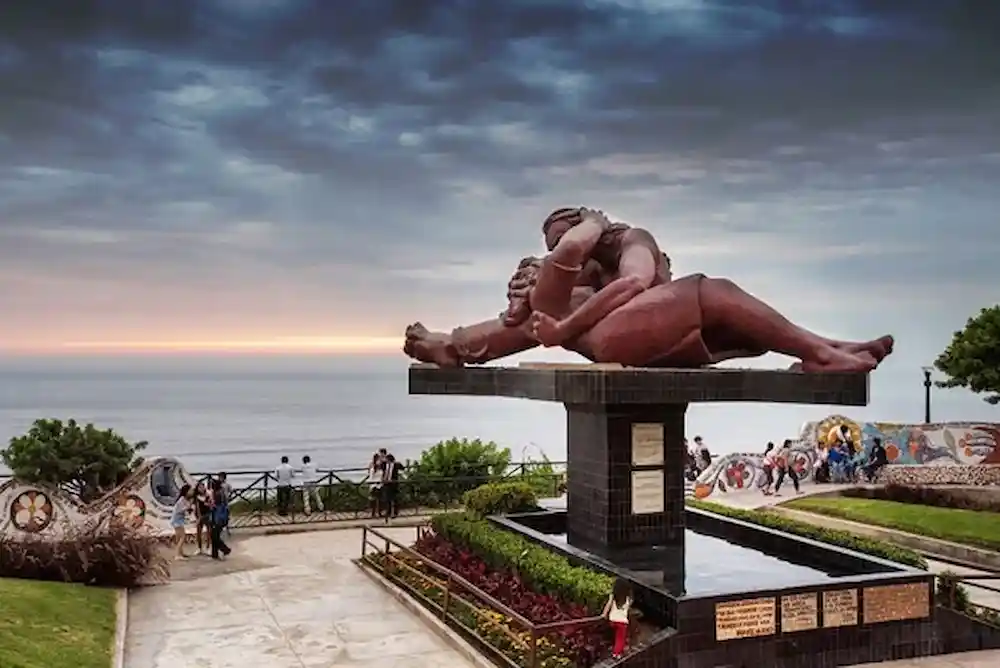
Celebrating love is a universal tradition, yet every culture expresses it in a unique way. In Peru, this special date goes beyond romance and becomes an opportunity to strengthen emotional bonds in everyday life. Relationships are valued not only between couples, but also among friends, families, and social circles. This broader vision of affection reflects the importance of connection, gratitude, and shared moments. Understanding how Valentine’s Day in Peru is celebrated allows travelers and readers to appreciate the emotional depth behind the festivities and recognize how cultural values influence the way love and friendship are expressed across the country.
You might also be interested in: The Inca Culture History and Traditions
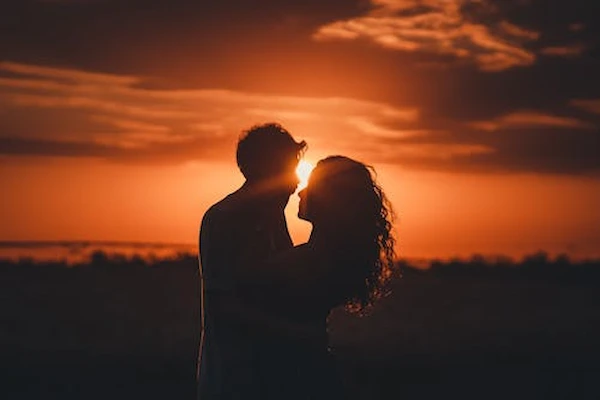
Valentine’s Day in Peru: Meaning and Cultural Context
In Peruvian culture, this celebration is commonly known as Día del Amor y la Amistad, a name that highlights its inclusive meaning. Rather than focusing exclusively on romantic relationships, the date emphasizes appreciation, companionship, and emotional closeness in different forms. Social relationships play a central role in daily life, and this celebration reinforces those connections in a symbolic and meaningful way. Within this context, Valentine’s Day in Peru reflects a society that values emotional expression, community ties, and shared experiences as essential elements of personal well-being.
Over time, global influences blended with local customs, shaping a celebration that feels familiar yet culturally distinctive. The date is marked not only by gifts, but also by gestures of kindness, verbal expressions of gratitude, and quality time spent together. This cultural background explains why the celebration feels warm, accessible, and emotionally grounded rather than overly formal or commercial.
Why Valentine’s Day in Peru Is Different from Other Countries
One of the main reasons this celebration stands out is its collective and inclusive nature. In many countries, the date is strongly associated with couples, which can create social pressure or exclusion. In contrast, Valentine’s Day in Peru allows people to participate freely, regardless of their relationship status. Friendship, family affection, and social appreciation are equally valued, making the celebration more flexible and emotionally inclusive.
Another difference lies in how affection is shared. Group activities, small symbolic gestures, and informal gatherings are common, reinforcing the idea that emotional connection matters more than material display. Schools, workplaces, and public spaces often become part of the celebration, transforming it into a shared social experience. This openness and adaptability give the Peruvian celebration a distinct character that feels genuine and deeply connected to everyday life.
You might also be interested in: Holy Week in Peru: A Guide to Traditions and Festivities
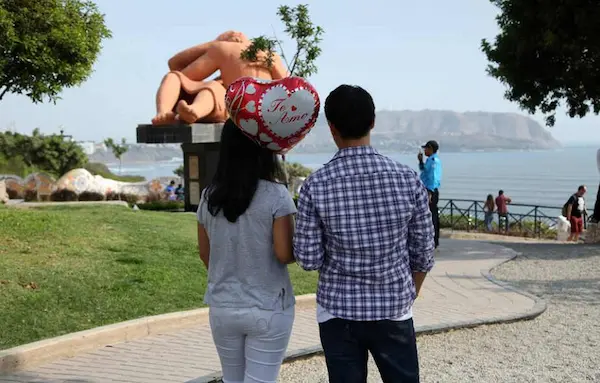
Valentine’s Day Traditions in Peru
The traditions associated with this celebration reflect a balance between emotional expression and social connection. Rather than being limited to romantic expectations, the date encourages people to recognize affection in multiple forms. Throughout the country, gestures of appreciation, shared experiences, and symbolic details define how Valentine’s Day in Peru is experienced, creating a festive yet meaningful atmosphere that feels accessible to everyone.
These traditions have evolved over time, blending local customs with global influences. While modern elements such as social media and commercial campaigns play a role, the emotional essence remains rooted in closeness, gratitude, and interpersonal bonds. This combination explains why the celebration continues to feel authentic and culturally relevant.
Romantic and Friendship-Based Celebrations
In Peru, love is understood as a broad emotional concept that includes friendship as a central element. Couples may exchange gifts, letters, or spend time together, but friends also play a key role in the celebration. Schoolmates, coworkers, and close companions often organize small gatherings or symbolic exchanges, reinforcing emotional bonds. This inclusive approach makes Valentine’s Day in Peru feel less restrictive and more socially welcoming.
The emphasis on friendship helps reduce pressure and allows people to celebrate authentically. Acts of kindness, verbal appreciation, and shared laughter often matter more than formal gestures. These dynamics highlight how emotional connection is prioritized over status or expectations, creating a more relaxed and heartfelt celebration.
Popular Activities for Valentine’s Day in Peru
Activities during this date vary depending on age, location, and personal preferences. Many people choose simple yet meaningful plans such as shared meals, walks, or casual outings. Restaurants, cafés, and public spaces become gathering points for couples and groups alike. These shared experiences reinforce emotional closeness and highlight how Valentine’s Day in Peru is centered on togetherness rather than extravagance.
Cultural and recreational activities also play a role. Concerts, small events, and outdoor experiences are common, especially in urban areas. These activities allow people to celebrate in a relaxed environment, combining enjoyment with emotional connection. The focus remains on creating memories rather than fulfilling rigid traditions.
Common Symbols and Gifts in Peru
Gift-giving is part of the celebration, but it tends to be symbolic rather than excessive. Flowers, chocolates, handwritten notes, and small personalized items are among the most common choices. These objects represent affection and thoughtfulness, reinforcing emotional bonds. In this context, Valentine’s Day in Peru emphasizes intention over material value.
Certain symbols such as hearts, roses, and soft colors appear in decorations and packaging, reflecting global influences. However, local preferences often guide gift selection, favoring practicality and emotional meaning. This balance ensures that gifts feel personal, sincere, and culturally aligned with everyday values
You might also be interested in: 10 Best Places to Travel in February 2026

How Peru Valentine’s Day Is Celebrated in Different Regions
Celebrations vary significantly across the country due to geography, lifestyle, and cultural background. Urban centers, highland communities, and coastal cities each express affection in different ways, shaped by local traditions and daily routines. This regional diversity allows Valentine’s Day in Peru to be experienced through multiple perspectives, making the celebration richer and more representative of national identity.
Rather than following a single pattern, each region adapts the date to its own rhythm. Climate, social dynamics, and community values influence how people gather, interact, and express emotions. This adaptability explains why the celebration feels both familiar and unique depending on where it takes place.
Valentine’s Day in Lima and Urban Areas
In Lima and other large cities, the celebration is closely linked to modern lifestyles. Restaurants, shopping centers, and entertainment venues become central spaces for social interaction. Couples often plan dinners, outings, or short trips, while friends gather after work or school. In these settings, Valentine’s Day in Peru reflects a fast-paced yet emotionally expressive urban culture.
Digital communication also plays an important role in urban celebrations. Messages, posts, and online gestures complement in-person experiences, allowing people to stay connected throughout the day. This blend of traditional affection and modern habits defines how the date is lived in metropolitan areas.
Celebrations in the Andes and Rural Communities
In Andean and rural areas, the celebration tends to be more intimate and community-oriented. Rather than focusing on commercial activities, people prioritize shared time, family bonds, and local traditions. Simple gestures, communal meals, and social gatherings define the experience. In these regions, Valentine’s Day in Peru aligns closely with values of solidarity and collective identity.
Nature and daily life play a strong role in shaping the celebration. Agricultural routines, local customs, and traditional beliefs influence how affection is expressed. The emphasis is less on the date itself and more on reinforcing relationships within the community, making the celebration feel organic and deeply rooted.
Valentine’s Day in Coastal and Tourist Cities
In coastal and tourist destinations, the celebration often takes on a relaxed and festive tone. Beaches, promenades, and open-air spaces become popular settings for socializing and shared experiences. Couples and groups enjoy sunsets, outdoor dining, and recreational activities. In these environments, Valentine’s Day in Peru is closely connected to leisure and natural surroundings.
Tourism adds an additional layer to the celebration. Local businesses offer special experiences, while visitors bring diverse perspectives and customs. This interaction creates a dynamic atmosphere where local traditions blend with international influences, making the celebration visually vibrant and socially engaging.
You might also be interested in: 6 best places to visit in the Peruvian jungle
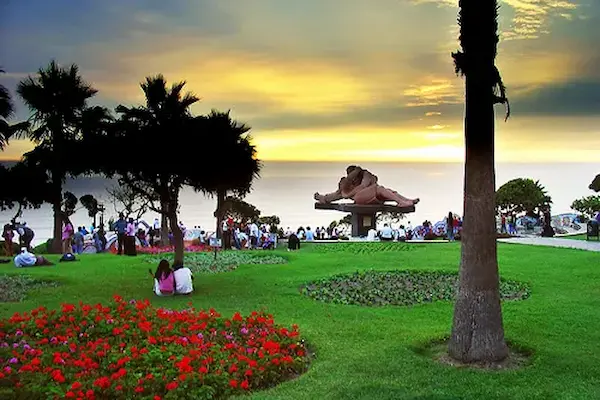
Modern Valentine’s Day in Peru
Modern celebrations reflect how society has evolved while still preserving emotional meaning. Today, relationships are expressed through a combination of face-to-face moments and digital interactions, creating a more flexible and personalized way of celebrating. Technology plays an important role, allowing people to stay connected through messages, video calls, and social platforms, especially when distance is a factor. These changes have reshaped how affection is communicated during Valentine’s Day in Peru, without replacing its emotional core.
Younger generations often prioritize experiences over material gifts. Shared meals, short trips, creative activities, or meaningful conversations are valued more than traditional presents. At the same time, the celebration has become more inclusive, recognizing different types of relationships and identities. This modern perspective keeps the occasion relevant, emotionally authentic, and aligned with contemporary lifestyles.
The Importance of Valentine’s Day in Peruvian Culture Today
This celebration continues to hold cultural value because it reinforces emotional bonds in a society that often moves at a fast pace. It creates a moment to slow down and recognize the importance of relationships that provide support, trust, and emotional stability. Beyond romantic connections, the date encourages expressions of gratitude and appreciation toward friends, family members, and loved ones. In this way, Valentine’s Day in Peru functions as a social pause that highlights the value of human connection.
Its relevance also lies in its adaptability. The celebration evolves alongside social and cultural changes while preserving its central message of closeness and empathy. Each generation finds its own way to participate, making the occasion inclusive, meaningful, and emotionally resonant across different stages of life.
Valentine’s Day in Peru: A Celebration of Love and Connection
This celebration goes beyond gifts and commercial gestures, becoming a meaningful moment to strengthen emotional ties. It reflects how affection, friendship, and appreciation are expressed in everyday life, shaped by local culture and shared values. Through traditions, gatherings, and simple acts of kindness, Valentine’s Day in Peru highlights the importance of human connection, reminding people that love is not only celebrated on one day, but cultivated through presence, respect, and genuine relationships throughout the year.
