

Hi, welcome to this fantastic post. If you are here, that means that you are a superstitious person, so interested in the Mystery of the Nazca Lines. As you must know these lines are incredible drawings in the desert and there are many theories about their meaning, we don’t know precisely if they are linked to astronomy or perhaps they were landing strips for extraterrestrial spacecraft (I know, we love this theory) or maybe they were created to mark special trails.
I am sure that seeing this kind of cultural representations makes you think: how did they do that, how is it that they had an aerial vision so that the figures they created have so much coherence and proportion and are not just meaningless doodles? What does all this also mean? Was it a way of communicating with their gods? A gigantic calendar about astronomy? Or did they just want to express themselves in a handmade way?
This kind of reconstructions that generate so many questions fascinates me, because visiting them is like trying to find an answer to all that. And I think that makes it all the more interesting, because it is as if you also become part of the mystery, trying to solve an enigma that has been investigated by experts for years and years,
So let’s explore more about the Nazca Lines and discover a little bit of their meaning, because I’m sure it will help us understand what a manifestation of this magnitude represents, not only for the ancient Peruvians, but also for the current ones.
You must be interested in: Peruvian superfoods: ancient treasures for modern health

What are the Nazca Lines?
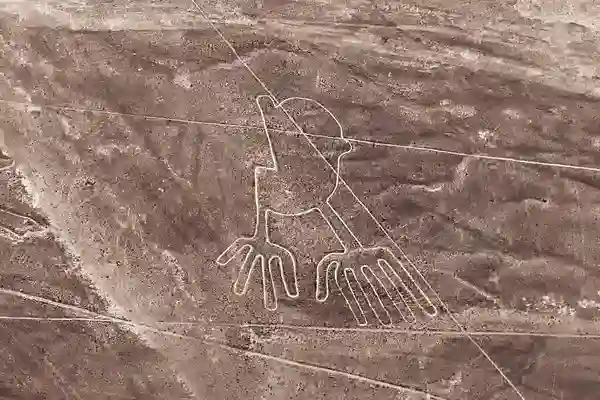
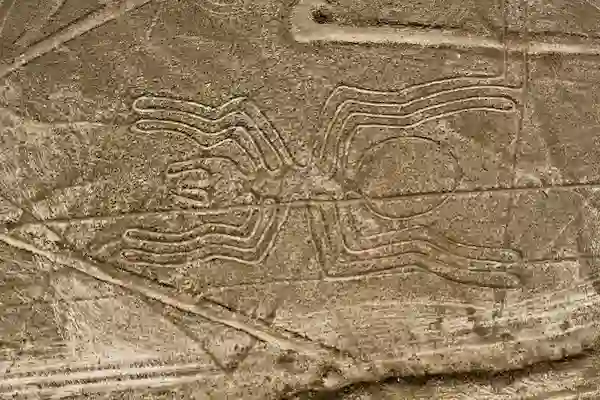
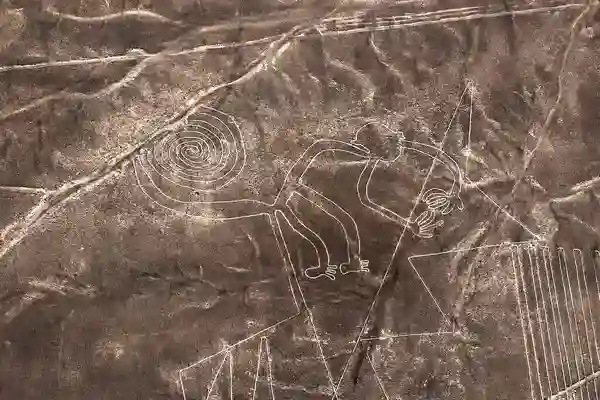
The Nazca Lines are a series of massive shapes carved into the earth, many of which only make sense when viewed from above. Stretching across more than 50 square kilometers, these geoglyphs were created by the Nazca people sometime between 500 BCE and 500 CE. Some are pictures of animals, like a spider, a monkey, and a hummingbird, while others are vast geometric patterns or long, winding lines that cut across the barren desert.
What’s truly mind-blowing about these ancient creations is how large and precise they are. Some of the lines are so long that it’s hard to imagine how anyone could have drawn them without the help of modern technology, and that is the main reason the Mystery of the Nazca Lines exists. The sheer size and exactness make you wonder how the Nazca people were able to pull it off without aerial views. It’s almost like they were creating something meant to be seen from the sky, but why?
Location and size of the Nazca Lines
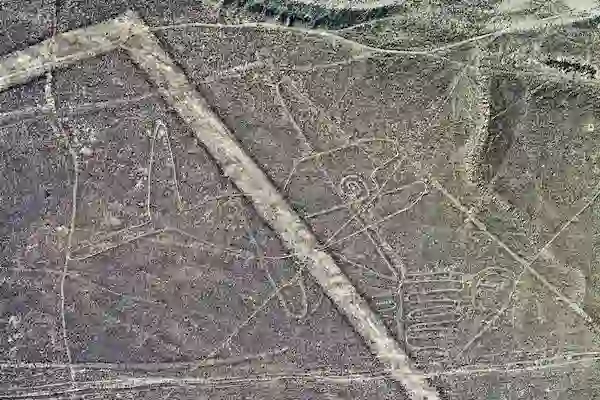
These ancient designs can be found in the heart of the Nazca Desert in southern Peru. This area, with its dry, windswept landscape, turned out to be the perfect place for preserving the lines over the centuries. To create the geoglyphs, the Nazca people would carefully remove the darker top layer of stones, revealing the lighter ground beneath. This contrast made the lines visible, but it also meant that only those who knew where to look could spot them from the ground.
The area covered by the Nazca Lines is enormous. Over 50 kilometers in total, some of these lines are so long that they stretch for more than 20 kilometers. And this increases the mystery of the Nazca Lines even more. What’s even more puzzling is how some lines intersect or form patterns that seem to connect to other parts of the desert. All of this raises a lot of questions: How did they create such precision in such a remote, vast area? And, perhaps more importantly, why?
You must be interested in: Altitude sickness in Peru: Everything you need to know before your trip
Theories behind the mystery of the Nazca Lines
Well, if we thought that seeing giant tracks in a desert was going to stay just like that, well, let me tell you that we are wrong. Because, indeed, there are many, many theories about its origin, and the most curious ones are always there, inventing a new one -one crazier than the other, to be honest- but that’s just the exciting thing about having something like this: it makes your mind explore options that you might never have imagined.
Over time, different researchers (and also very curious people) have tried to find an explanation that makes sense of it, something that justifies its existence. Some theories point to human creativity, others are more… let’s say, out of this world. Do you know what I mean?
There are two theories that are the most popular. One speaks of a strong indigenous and ritual influence, and the other suggests that the lines could have been a kind of astronomical calendar. So let’s explore these ideas a little more, to see how crazy -or how possible- they sound… and who knows, maybe you’ll end up formulating your own theory too.
Alien Influence or human ingenuity?
Perhaps one of the most captivating theories about the mystery of the Nazca Lines is the notion that they were created with help from extraterrestrials. This theory often pops up when people look at the sheer scale and complexity of the geoglyphs. Given that many of the lines and shapes are best viewed from the sky, it’s easy to imagine why some would suggest that only beings from another planet, with advanced technology, could have possibly made such designs.
For example, some lines stretch across vast distances, while others are so long that they seem to disappear into the horizon. How could ancient people have had the knowledge and precision to create such massive artwork without the benefit of aerial views? The mystery of the Nazca Lines increase when we consider the idea that the Nazca people were somehow guided by alien intelligence has sparked the imagination of many. After all, the lines are so large and intricate that they are almost impossible to appreciate without seeing them from above—a view that would have been impossible for the Nazca to obtain at the time. Could these designs have been created to communicate with visitors from outer space?
Many proponents of the alien theory about the mystery of the Nazca Lines point to other mysterious archaeological sites, such as the Pyramids of Egypt or Stonehenge, which also raise questions about the technological capabilities of ancient civilizations. Could the Nazca Lines be another piece of evidence suggesting that ancient civilizations had help from extraterrestrial visitors?
But not everyone is ready to embrace this theory. While it’s an exciting possibility, there’s another, more grounded explanation: the ingenuity of the Nazca people themselves. Some historians argue that the Nazca were skilled engineers and artists who could have developed techniques to create the lines and patterns over time. They may have used simple tools like wooden stakes, ropes, and knowledge of geometry to produce the designs.
Additionally, the idea that the Nazca people were creating these lines for religious or ceremonial purposes has gained significant traction. These massive geoglyphs could have been a way to connect with their gods or deities, a form of worship that was visible only to the gods in the sky. Perhaps the Nazca believed that creating such vast designs would help them communicate with celestial beings or offer prayers for fertile crops and favorable weather. With this in mind, the mystery of the Nazca Lines might not need to involve aliens at all, but rather the extraordinary capabilities of the human spirit and mind.
Astronomical alignments: A celestial connection in the mystery of the Nazca Lines?
Another theory that has gained significant attention in the mystery of the Nazca Lines suggests that the Nazca Lines were not just artistic creations, but also had a deeply rooted astronomical significance. In this theory, the lines and geoglyphs may have served as an ancient calendar or observatory, helping the Nazca people track celestial movements like the stars, planets, and the sun.
When we look at the designs of the Nazca Lines, some appear to align with important celestial events, such as the solstices or the movements of stars. For instance, some lines point toward specific constellations, while others seem to align with the position of the sun during key times of the year. The large, sweeping lines, which appear to stretch across miles of desert, could have been markers for important seasonal events, such as planting or harvesting times, dictated by the stars and the sun.
The theory behind the astronomical connection in the mystery of the Nazca Lines is supported by the fact that the Nazca people were known for their advanced knowledge of timekeeping. They were skilled farmers who likely relied on the cycles of the sun and the stars to guide their agricultural practices. The precise alignments of the lines with celestial bodies could indicate that the Nazca used these markings to track seasonal changes or even to signal specific events in their religious practices.
In fact, some researchers suggest that the lines may have had a dual purpose: serving as both spiritual symbols and functional tools for astronomical observation. It’s possible that the Nazca people, with their deep understanding of the cosmos, used the lines as a way to mark important celestial moments—whether to celebrate a god’s influence over the harvest or to align their community with the universe’s cosmic order.
There’s even evidence to suggest that the Nazca people may have used the lines to track the movement of the planets. The path of the planets across the sky is intricate and predictable, and it’s believed that the Nazca could have mapped these movements using the geoglyphs. In this sense, the Nazca Lines weren’t just random artwork but were part of a larger, cosmic communication system.
You must be interested in: 7 most impressive traditional dances of Peru
Why do the Nazca Lines remain a mystery?
The mystery of the Nazca Lines continues to captivate people from all over the world. Despite decades of research, these ancient geoglyphs have yet to reveal all their secrets. While we know a great deal about their size, location, and possible purposes, many questions remain unanswered. Why is it so hard to unravel the full story behind the Nazca Lines? The answer lies in the limited evidence we have, the challenges of preservation, and the ongoing search for answers.
Limited evidence and ongoing research
One of the main reasons the mystery of the Nazca Lines remains unsolved is the limited evidence available to researchers. Unlike other ancient sites, like the pyramids of Egypt or Stonehenge, where physical records or inscriptions help piece together a clear history, the Nazca Lines don’t have the same kind of written documentation or artifacts to offer clues about their creation. This lack of historical context makes it difficult for experts to form definitive conclusions about who created the lines, why, and how they did it.
Most of what we know comes from the designs themselves, the surrounding environment, and the few surviving oral histories of the Nazca people. However, much of their culture has been lost to time, leaving researchers to work with incomplete data. Modern technology, such as satellite imagery and drones, has helped map and study the lines in greater detail, but it still doesn’t answer all the burning questions about their purpose or origins. The mystery of the Nazca Lines may be like a puzzle with pieces scattered across time and space—some of them may be forever out of reach.
Theories continue to evolve as new evidence is uncovered, but the absence of written records or a clear explanation from the ancient people themselves means that the lines still hold many secrets. Perhaps future discoveries will shed light on their true purpose, but for now, the mystery remains tantalizingly unresolved.
Preservation challenges and modern understanding
Another reason the Nazca Lines remain shrouded in mystery is the delicate nature of their preservation. The lines were carved into the desert floor thousands of years ago, and while the arid climate of the region has helped preserve them, environmental factors still pose a significant challenge. Wind, rain, and human activity have all played their part in altering or damaging the geoglyphs over time. In recent decades, there have been concerns about the impact of modern development and tourism on the lines. Despite efforts to protect the site, there’s always the risk that further erosion or neglect could erase parts of this ancient artwork.
In addition to environmental threats, modern understanding of the Nazca Lines continues to evolve. Thanks to new technologies like ground-penetrating radar and more sophisticated aerial surveys, we’re able to study the lines in ways that weren’t possible in the past. But even with these advancements, there’s still much we don’t know about how the Nazca people created the lines and what they truly meant. As researchers continue to dig deeper into the mystery of the Nazca Lines, they face the challenge of piecing together a jigsaw puzzle that’s been scattered across centuries of history.
Despite these obstacles, the intrigue surrounding the Nazca Lines only grows. The question of why these ancient people went to such great lengths to create such massive and intricate designs—without leaving behind any clear explanation—keeps both scholars and visitors wondering. Perhaps some mysteries are meant to remain unsolved, adding to the allure of the Nazca Lines. The more we learn, the more fascinating they become, and the more we realize that these ancient geoglyphs are not just relics of the past—they are part of an ongoing journey to uncover the secrets of our shared human history.
You must interested in: The Inca’s Capital: Exploring the traditions and customs of Cusco
How to explore the Mystery of the Nazca Lines
The mystery of the Nazca Lines is something that draws travelers from across the globe. If you’re wondering how to experience these incredible geoglyphs for yourself, you’re in luck—there are several ways to explore the Nazca Lines up close, whether you’re in search of adventure, history, or simply the thrill of seeing these ancient wonders with your own eyes. Here’s a guide to help you navigate this fascinating site and uncover its secrets firsthand.
Visiting the Nazca Lines: Tours and accessibility
Visiting the Nazca Lines is an adventure in itself. The lines are located in a remote desert area, so getting there requires a bit of planning. The closest major city is Nazca, which is about a 7-hour drive south of Lima, Peru. There are buses that run regularly from Lima to Nazca, or you can fly into a nearby airport, like the one in Pisco, and continue by land to the Nazca Lines.
Once you’re in the area, there are a variety of tour options available. One of the most popular ways to experience the Nazca Lines is by taking a flight tour, which offers the best opportunity to appreciate the full scale of these mysterious shapes. Small aircraft, often small Cessnas, will take you up into the sky, giving you a bird’s-eye view of the geoglyphs. These flights last around 30 minutes and take you over several of the most famous lines, such as the hummingbird, the monkey, and the spider, allowing you to witness the grandeur of the shapes in all their glory.
For those who prefer a more grounded experience, there are also observation towers near the Nazca Lines. These towers are positioned at strategic points where you can see a limited number of the geoglyphs from the desert floor. While you won’t be able to take in the full panorama as you would from the air, standing at these elevated vantage points still gives you a unique perspective on the lines and the surrounding landscape.
Tours to the Nazca Lines can be arranged from Nazca, Pisco, or Ica. If you’re traveling with a guide, many tours also include explanations about the history, theories, and ongoing research around the lines. This can really enhance your experience, as you’ll get to learn more about the mystery and significance of the geoglyphs from someone knowledgeable.
What to expect from a Nazca Lines tour
A tour of the Nazca Lines is a thrilling and eye-opening experience, but it’s important to know what to expect to make the most of your visit. Here’s a look at what you can expect from a typical Nazca Lines tour:
The flight experience
If you’ve chosen to fly, the first thing you’ll notice is the sheer size of the lines as your plane ascends into the sky. The planes are small, usually holding just a handful of passengers, which allows for an intimate experience. As you fly over the desert, the pilot will give you a guided tour of the different geoglyphs. Keep your eyes peeled for the most famous designs, such as the spider, the hummingbird, and the monkey, as well as the long, straight lines that seem to stretch endlessly. The flight can be a bit bumpy at times, so it’s a good idea to prepare for a little turbulence. However, the view from above is worth every moment.
Historical insights
During your tour, whether it’s aerial or from the ground, your guide will likely dive into the history and theories behind the Nazca Lines. You’ll hear about the different interpretations—from theories about alien involvement to the belief that they were created for astronomical purposes. The guide will also share interesting facts about the Nazca culture, which adds a layer of depth to your understanding of the lines. Expect to hear about the Nazca people’s advanced knowledge of agriculture, religion, and engineering.
Stunning views of the desert
While the Nazca Lines are the star of the show, you’ll also get to experience the breathtaking beauty of the desert landscape around you. Whether you’re on the ground or in the air, the desert has a rugged, untouched beauty that feels timeless. The vastness of the landscape, combined with the mystery of the lines, gives you a sense of awe and wonder.
Duration and Comfort
A typical flight tour lasts around 30 minutes, but some extended tours might offer more time in the air. It’s important to keep in mind that the flight can be intense for some—especially for those who are prone to motion sickness—so it’s best to take precautions before you fly. Tours from the ground, such as those from the observation towers, are usually shorter but still offer plenty of opportunities for great photos and moments of reflection.
- The Best Time to Visit: The Nazca desert’s climate is quite hot during the day, especially in the summer months, so it’s best to plan your visit during the cooler times of the year, which are typically from May to October. Early morning or late afternoon tours are ideal, as the lighting at these times can really bring the designs to life, adding an extra layer of magic to the experience.
Whether you choose to fly or view the lines from the ground, visiting and discovering the Mystery of the Nazca Lines is a chance to connect with something much bigger than yourself—a piece of human history that’s still waiting to reveal its secrets.
You must be interested in: Peruvian holidays: The 10 most iconic traditions
A journey into the past
By now I’m sure you already know all those fascinating secrets surrounding the Nazca lines, and that you’re more than ready to embark on a new adventure. This time, you will be the explorer, the curious one who dares to look for new reasons, maybe even a theory of your own that will change the way we see these incredible creations. So don’t miss this experience in the middle of one of the most mysterious and amazing places in Peru, come and visit them and live the mystery of the Nazca Lines yourself!
