

If there’s one thing a Peruvian, and anyone who loves culture and new experiences, never wants to miss, it’s Peruvian Holidays. These are not just celebrations we do for the sake of it; they are a window into our most vibrant culture and traditions that have been shared for many, many years.
From the well-known and impressive Inti Raymi to the intimate and moving Day of the Dead, each festival in Peru reflects a part of our history, our faith, and the deep connection we have with our roots. They are a reflection of how we have managed to fuse the ancestral with the modern, creating some of the most multicultural and meaningful celebrations in the world.
Are you ready to discover the magic behind these festivities? Then read on and explore the Top 10 Peruvian Holidays you can’t miss for anything in the world.
También te puede interesar: Cuzco Cuisine: A culinary journey through the capital of the Incas

Peruvian holidays and their cultural significance
Peruvian Holidays are celebrations born from a unique fusion of Andean expressions, colonial history, and, of course, contemporary Peruvian culture. Each of these festivities is a living expression of that mix, where local rituals, music, and dances are strongly manifested, after having been carefully preserved generation after generation.
And the most incredible thing is that they are not celebrated only in one part of the country. These festivities are experienced all over Peru, so if you are looking for options, you have many to choose from. Each one offers you a unique glimpse into the heart of Peru’s cultural heritage.
The importance of these traditions in the national identity
The diverse celebrations of Peruvian holidays are central to the country’s national identity, playing a crucial role in connecting its varied regions, cultures, and peoples. These holidays are not just about festivals, but about preserving and transmitting the nation’s rich history, values, and traditions. Each celebration, whether from the coast, the Andes, or the Amazon, reflects the unique customs of these regions, while also serving as a reminder of Peru’s shared heritage. By taking part in these festivities, Peruvians honor their ancestors and reaffirm their cultural pride, ensuring that these traditions continue to shape the future for generations to come. The holidays offer a profound opportunity to unite the country, reinforcing a sense of collective belonging and national pride, and showcasing the strength that lies in the rich diversity of the nation.
The 10 most iconic traditions of Peruvian Holidays
1. Inti Raymi: The Festival of the Sun
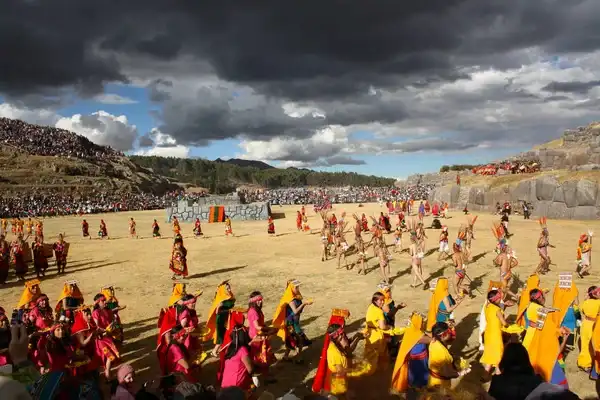
Inti Raymi, celebrated since the Inca Empire, honors Inti, the Sun God, believed to control agricultural success. Held during the winter solstice, it seeks the Sun’s favor for the coming season. This tradition ties modern Peruvians to their ancestral roots, emphasizing agriculture, spirituality, and community. For the Inca, Inti was the source of life, and today, this is one of the Peruvian holidays that continues to celebrate that cultural and religious connection, making it one of the most significant Peruvian holidays.
The main celebration in Cusco
In Cusco, the heart of the Inca Empire, the festival takes place at Sacsayhuamán, an iconic archaeological site. Here, the reenactment of the Incan rituals is the focal point of the celebration. Thousands of participants, including actors, dancers, and musicians, dress in traditional Incan attire to bring ancient history to life. The festival unfolds throughout the day, with ceremonial offerings and symbolic gestures performed by the Sapa Inca (the emperor) and his court, invoking the blessings of the Sun God for a prosperous year ahead. The majestic atmosphere, coupled with the stunning landscape, makes it a breathtaking experience for both locals and visitors alike.
In Cusco, the heart of the Inca Empire, the Inti Raymi festival takes place at the iconic Sacsayhuamán archaeological site. The reenactment of ancient Incan rituals, with thousands of participants in traditional attire, invokes the blessings of the Sun God for a prosperous year. This breathtaking celebration, set against the stunning landscape, is a must-see. For a deeper experience of this majestic event, consider joining a Cusco city tour.
Regional variations of Inti Raymi
Though the grandest celebration takes place in Cusco, Inti Raymi is also celebrated in other regions such as Puno, Arequipa, and throughout the Andean highlands. Each area brings its local customs to the festival, reflecting regional identities and the unique ways communities engage with their Incan heritage. In Puno, for example, the festival blends Andean spirituality with the ancient Incan traditions, creating a distinct atmosphere. Similarly, in Arequipa, locals organize parades and offer prayers, though the celebrations are often less formalized than in Cusco. Regardless of the region, the essence of the festival—honoring the Sun—is preserved across Peru.
Key traditions and rituals
One of the most iconic elements of Inti Raymi is the performance of traditional dances. The “tusuy” and “pukllay” dances, filled with energetic movements and vibrant costumes, reflect the joyous and spiritual nature of the festival. These dances, alongside live music from Andean instruments like the pan flute, provide an immersive sensory experience. The sounds and rhythms echo through the streets, carrying the spirit of the Incan empire into the present day. The festival also involves ceremonies that include offerings of food, coca leaves, and other items to honor the Sun God, ensuring the prosperity and fertility of the land.
Spiritual and agricultural importance
The festival aligns with the winter solstice, a time when the Sun begins its journey back to its strongest point in the sky. For the Incas, this was a moment of renewal, a time to honor the Sun’s power and ask for blessings for the crops that would be planted in the coming months. The spiritual significance of Inti Raymi transcends just rituals; it is deeply connected to the rhythm of nature and the cycles of life. By celebrating the Sun, Peruvians reaffirm their connection to the land and its life-giving forces, ensuring that the tradition endures for generations.
Inti Raymi for tourists
Inti Raymi offers tourists a once-in-a-lifetime opportunity to experience the magic of Peru’s ancient cultures. For those visiting Cusco, the festival provides a front-row seat to an extraordinary celebration of history, culture, and spirituality. The reenactments, parades, and rituals of the Inti Raymi, one of the most iconic Peruvian holidays, allow visitors to step back in time, witnessing the powerful connection between Peruvians and their past. Whether you’re a history enthusiast, a lover of cultural experiences, or simply looking for an unforgettable adventure, Inti Raymi is a compelling reason to visit Peru. The vibrant colors, sounds, and emotions are sure to leave a lasting impression on anyone who participates in this ancient festival.
2. Día de la canción criolla: A musical celebration
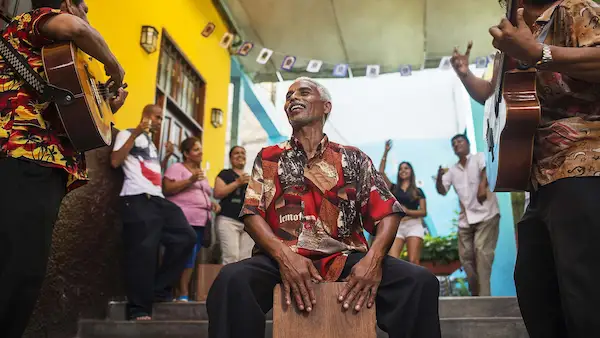
Día de la Canción Criolla is celebrated every October 31st to honor Peru’s unique Creole music, which stems from the fusion of African, Spanish, and indigenous musical influences. This festival underscores the importance of Creole music as a vital part of Peru’s cultural identity, and over time, it has become a celebration of the diverse musical heritage that has shaped modern Peruvian society. As one of the key Peruvian holidays, it celebrates the richness and history of Peru’s musical traditions..
Traditional genres and performances
The festival showcases traditional genres such as “landó,” “festejo,” and “marinera,” each representing different regions and cultural influences within Peru. These genres are characterized by their rhythmic beats and expressive melodies, blending indigenous sounds with African and Spanish influences. In cities like Lima, stages are set up for performances by skilled musicians and dancers who perform with passion and precision, allowing attendees to immerse themselves in the beauty and depth of Creole music.
Celebrations across Peru
Though the festival is most prominent in Lima, Día de la Canción Criolla is celebrated across Peru, with each region adding its unique touch to the festivities. Local communities gather to perform traditional dances and music, often accompanied by delicious Creole dishes, making it a social occasion where music and food go hand in hand. The festival provides an opportunity for Peruvians to unite, reflect on their shared heritage, and celebrate the cultural fusion that defines their national identity.
A day to honor Peru’s cultural heritage
Día de la Canción Criolla is not just a celebration of music but a tribute to the enduring cultural heritage of Peru. It highlights the resilience and creativity of the Peruvian people, who have preserved their traditions for centuries. This festival is a heartfelt celebration of Peru’s identity, history, and the evolution of its cultural landscape. On this day, Peruvians reconnect with their roots, and the world gets a chance to experience the beauty of their Creole music, making it one of the most significant Peruvian holidays.

3. Las Fiestas Patrias: The spirit of independence
Las Fiestas Patrias are celebrated every July 28th and 29th, commemorating Peru’s independence from Spanish rule in 1821. This national holiday is one of the most important Peruvian holidays, reflecting both the historical struggles for freedom and the pride that all Peruvians share in their independence. It stands out as an expression of patriotism and national unity.
The national parades and celebrations
In Lima, the heart of the celebrations, the day kicks off with a grand military parade attended by dignitaries, including the President of Peru. The parade showcases the country’s military strength, with marching bands, elaborate floats, and well-coordinated displays of national pride. Across the country, local parades and smaller celebrations take place, uniting people from various regions in the collective joy of their nation’s independence. These events are a key feature of Peruvian holidays, blending civic pride with cultural display.
Family gatherings and traditional foods
Las Fiestas Patrias are also a time for families to gather and celebrate. Peruvians indulge in traditional foods like ceviche, papa a la huancaína, and anticuchos, while enjoying the company of loved ones. These meals, rich in flavor and history, reflect the diverse cultural influences that have shaped Peru’s culinary identity. The sharing of food is a central part of the festivities, emphasizing the importance of family and community. Like many Peruvian holidays, this one is deeply rooted in togetherness and tradition.
The spirit of national pride and unity
Beyond the official ceremonies and festivities, Las Fiestas Patrias is a time for all Peruvians to reflect on their shared history and celebrate the country’s achievements. It is a day filled with music, dance, and cultural performances that honor Peru’s diverse regions and traditions. Peruvians proudly display their national flag, sing the national anthem, and participate in various public events, from fireworks to music festivals, reinforcing the spirit of independence and unity that defines this iconic national celebration.
Within the broader context of Peruvian holidays, Las Fiestas Patrias represents a profound connection between history, identity, and collective joy. It is a celebration that highlights what it means to be Peruvian—resilient, proud, and united.
4. Señor de los Milagros: A religious procession
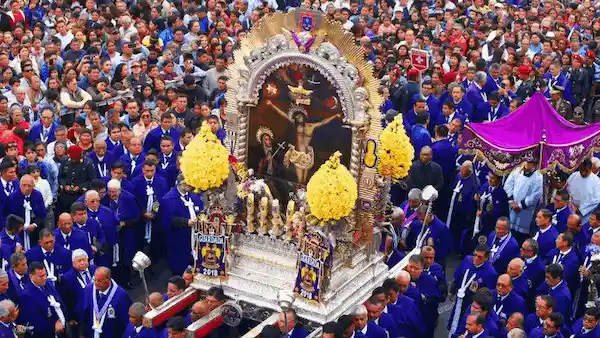
La Feria del Señor de los Milagros, held annually in October, is one of Peru’s most revered religious festivals. It honors the Lord of Miracles (Señor de los Milagros), a Christ figure believed to have performed miraculous acts in the 17th century. The celebration’s roots are deeply intertwined with Peru’s colonial history, reflecting the fusion of indigenous beliefs with Catholicism. Pilgrims from all over Peru, as well as visitors, come together to honor the miraculous image, which is housed in the Monastery of Las Nazarenas in Lima.
The procession: A spiritual journey of faith
The central event of the festival is the procession of the Lord of Miracles. The image, carried through the streets of Lima by thousands of devotees, is an act of collective faith and devotion. The procession lasts for several days, with participants walking, praying, and singing hymns. This religious journey is not just a display of devotion; it is also a symbol of unity and hope for Peruvians, who view it as a powerful testament to their faith. The streets are decorated with purple banners and flowers, and the entire city seems to come alive with spiritual fervor.
The role of faith and community in the festival
What makes La Feria del Señor de los Milagros one of the most special Peruvian holidays is the strong sense of community it fosters. Families and individuals participate in the procession, offering prayers for health, prosperity, and protection. It is a deeply personal journey for many, as they seek blessings and express gratitude for the miracles they believe they have received. Beyond the religious significance, the festival also highlights the shared cultural and spiritual identity of Peruvians, with each step of the procession reinforcing the bonds of faith and tradition.
Celebrations beyond the procession
While the procession is the centerpiece, La Feria del Señor de los Milagros also features a variety of cultural events. There are traditional music performances, art exhibitions, and fairs where attendees can enjoy Peruvian food, arts, and crafts. The festival provides an opportunity to experience the fusion of religious devotion with cultural expression, offering a rich experience for both locals and tourists alike. Whether participating in the procession or enjoying the festivities, La Feria del Señor de los Milagros is a profound and unforgettable celebration of faith, community, and culture.
5. Día de los muertos: Honoring the departed
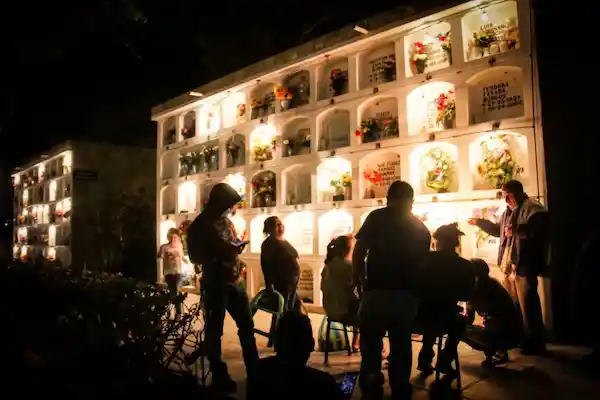
Día de los Muertos, or Day of the Dead, is a deeply spiritual celebration observed in early November across Peru. Families honor their deceased loved ones, believing their spirits return to visit the living. This holiday, unlike traditional mourning, is filled with joy, music, and offerings, celebrating the lives of those who have passed. It is a meaningful tradition deeply connected to Peruvian holidays, where the focus is on remembrance rather than sadness.
Customs and beliefs during Día de los Muertos
This is one of the Peruvian holidays where families set up altars called “ofrendas,” decorated with candles, flowers (especially marigolds), photos, and the deceased’s favorite foods. The idea is to welcome spirits back home with offerings and prayers, guiding them back to their resting places after the festivities. In the Andean regions, there is a unique blend of Catholicism and indigenous beliefs that shape the way the holiday is celebrated, with some communities incorporating ancient rituals along with Christian prayers.
Peruvian holidays and rituals for the departed
In addition to the ofrendas, many Peruvians participate in vigils at cemeteries, where they clean graves, offer food, and light candles. It is a communal experience, with families coming together to share stories, music, and food. The day is not only about honoring the dead but also about reinforcing family bonds and celebrating life. This sense of community and reverence is what makes Día de los Muertos one of the most special Peruvian holidays, intertwining the importance of family, faith, and memory.
Día de los Muertos for tourists: A cultural experience
For tourists, Día de los Muertos offers a rare opportunity to experience Peru’s deep-rooted traditions and spirituality. Observing the rituals, visiting altars, and witnessing the colorful celebrations provides insight into the country’s rich cultural heritage. The holiday is not only a time of remembrance but also a reflection of Peru’s beautiful mix of indigenous and Catholic traditions, offering visitors a profound connection to Peru’s spiritual world.
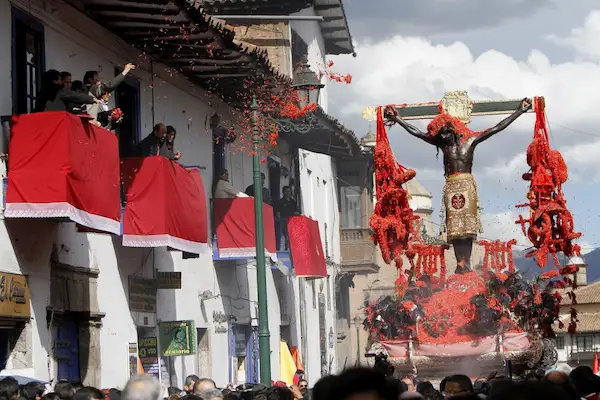
6. Cusco’s Semana Santa: A sacred religious tradition
The spiritual heart of Peru’s easter celebrations
Semana Santa in Cuzco is a deeply spiritual celebration that merges Catholic and Andean traditions. Beginning on Palm Sunday, the festival culminates in Good Friday processions, reflecting on Christ’s passion and death. For locals, it’s a time for spiritual reflection and devotion. This celebration, one of the many notable Peruvian holidays, showcases the country’s rich cultural and religious legacy.
The main processions and rituals
The most striking part of Semana Santa in Cuzco is the grand procession held on Good Friday, where sacred images of Christ and the Virgin Mary are carried through the city’s historic streets. Thousands of worshippers walk alongside these images, participating in prayers, hymns, and symbolic rituals. The entire city is immersed in a sense of reverence, with many buildings adorned in purple banners and religious symbols.
Fusion of spirituality and festivity
Though deeply religious, Semana Santa in Cuzco is also a time for community and festivity. Traditional Andean elements, such as music, dance, and elaborate processions, are integrated into the celebration, creating a unique fusion of spirituality and culture. Locals often prepare special dishes, such as “pescado a la espalda” (grilled fish), to share with family and friends during the holy week, blending culinary traditions with religious practices.
Semana Santa for tourists: A cultural and spiritual experience
For tourists, Cuzco’s Semana Santa offers a rare opportunity to experience one of Peru’s most profound religious celebrations. The deep-rooted cultural and spiritual practices, set against the stunning backdrop of the city’s Incan architecture, provide visitors with a meaningful and memorable experience. Whether attending the processions or learning about the traditions, Semana Santa in Cuzco is a powerful way to connect with Peru’s rich heritage and spiritual life.
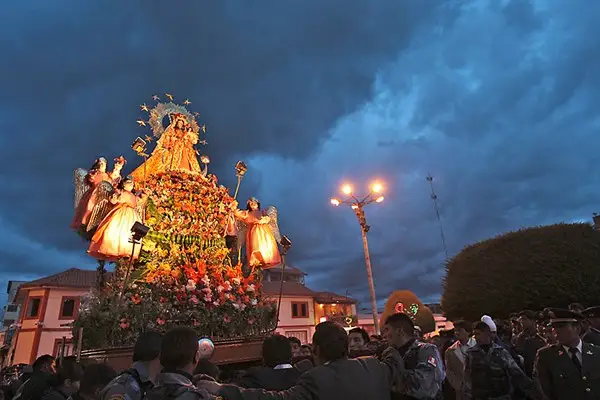
7. La fiesta de la Virgen de la Candelaria
The origins and importance of the Fiesta de la Virgen de la Candelaria
La Fiesta de la Virgen de la Candelaria, celebrated each February in Puno, is one of the most important Peruvian holidays, blending Catholic and indigenous traditions. The festival honors the Virgin Mary as the protector of Andean communities, featuring religious ceremonies, processions, and vibrant music, dance, and folklore. These festivities showcase the rich cultural heritage of the region, making it a must-see celebration for anyone looking to experience the spiritual and cultural heart of Peru.
Traditional dances and music
The heart of the Fiesta de la Virgen de la Candelaria is the music and dance. Dancers dressed in colorful costumes perform traditional dances such as “diablada” and “morenada,” which symbolize the indigenous and African roots of the Andean culture. These dances are accompanied by lively music from brass bands and wind instruments, creating an energetic and joyful atmosphere. Each dance represents a different cultural story, telling tales of the past, local myths, and the spiritual bond between the people and the Virgin Mary.
The religious procession and ceremonies
On the main day of the festival, the religious procession is a moving spectacle. The statue of the Virgin of Candelaria is carried through the streets by thousands of devoted pilgrims, many of whom walk for miles to pay their respects. The procession is a blend of religious devotion and festive spirit, with participants praying, singing hymns, and performing traditional dances. The event culminates with a special mass in honor of the Virgin, reinforcing the deep spiritual significance of the celebration.
The cultural impact of the Fiesta de la Virgen de la Candelaria
For locals, the Fiesta de la Virgen de la Candelaria is one of the Peruvian holidays with an expression of gratitude and devotion to their patron saint. It also serves as an opportunity to celebrate their cultural identity through music, dance, and community participation. For tourists, the festival is a unique and immersive experience, offering insight into Peru’s rich folklore and spiritual traditions. The combination of religious reverence and vibrant cultural displays makes it one of Peru’s most visually striking and emotionally significant festivals.

8. Año Nuevo: Welcoming the new year in Peru
Traditions to bring luck and prosperity
Año Nuevo, or New Year’s Eve, is a highly anticipated celebration in Peru, filled with unique customs. As the clock strikes midnight, many Peruvians wear yellow underwear to attract good luck and prosperity in the coming year. It’s common to eat 12 grapes, one for each stroke of midnight, each representing a wish for the next 12 months. These colorful traditions are a way to welcome the new year with joy and hope for success and happiness.
Family gatherings and feasts
New Year’s Eve is primarily a family celebration, where Peruvians gather to share a delicious meal and celebrate together. Typical dishes include “panetón” (a sweet Italian-inspired fruitcake), “turrón,” and a hearty “caldo de gallina” soup. After the midnight toast, families often go out to the streets to join in the festivities, lighting fireworks and making noise to chase away bad spirits.
Fireworks and festivities across Peruvian holidays
Across Peru, the sky lights up with fireworks as cities and towns host vibrant public celebrations. In major cities like Lima, massive street parties unfold, where people dance to traditional music and enjoy drinks while welcoming the new year. These joyful moments reflect the warmth and optimism that define Peruvians’ approach to life, making Año Nuevo a memorable celebration for everyone.
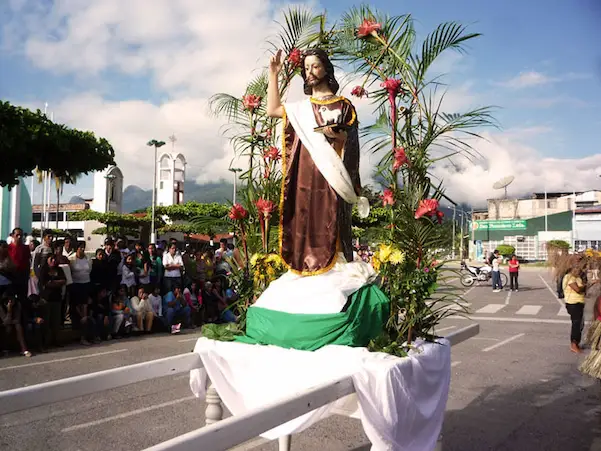
9. Día de San Juan: Celebrating nature and tradition
The significance of Día de San Juan
Día de San Juan, celebrated on June 24th, is a festive holiday that honors St. John the Baptist and connects Peruvians with the natural world. It is a celebration of the Amazonian traditions, with communities gathering to honor the river, the forest, and the abundance of nature. This day is an expression of gratitude for the natural resources that sustain life in the jungle regions of Peru.
Traditional rituals and customs
In the Amazon, the day is marked by rituals and celebrations that include offering food to the spirits of the forest. Families gather around riversides to share traditional dishes like “juanes” (rice wrapped in leaves) and “masato” (a fermented drink made from yuca). People also participate in lively dances and music, celebrating the natural environment and the spiritual connection to the land.
The role of nature in Peruvian holidays
Día de San Juan reflects the deep bond that Peruvians, especially those in the Amazon region, share with nature. The festivities highlight the importance of the rainforest, its rivers, and wildlife in the lives of the people. This holiday serves as a reminder of the significance of preserving Peru’s natural heritage while celebrating the rich cultural traditions tied to the land. For tourists, it offers a unique glimpse into Amazonian culture and the ways in which nature plays a central role in Peruvian holidays life.
Immerse yourself in the heart of Peruvian holidays
So now that you know all the Peruvian holidays, I invite you to participate in them. Do not miss this incredible opportunity to connect with the rich traditions that Peru has, which are manifested through festivals prepared with great dedication and affection by its people. Peruvians celebrate not only for tradition, but also with the desire that you, as a visitor, feel part of our culture and enjoy our festivities as much as we do.
As you can see, there is everything from deeply religious celebrations related to Catholicism to festivals that keep alive the heritage of our Inca culture. Whichever festivity you choose, all of them will be surrounded by Peruvian warmth, friendliness, and, above all, the genuine willingness we have to welcome those who want to be part of our cultural manifestations. We are sure you will have an unforgettable experience.
