

Welcome to Cusco, the captivating Inca’s capital where history, culture, and tradition come alive in every corner. Imagine walking through ancient Inca streets, witnessing centuries-old dances, and joining vibrant festivals that celebrate life and heritage.
At Climb Sunday, we don’t just show you the sights—we connect you to the soul of this magical place. Whether you’re exploring the grandeur of Inti Raymi or marveling at traditional Andean dances, Cusco promises an unforgettable adventure. Ready to dive into this living tapestry of culture? Let’s make it happen together!
You might also be interested in: Cuzco Cuisine: A culinary journey through the capital of the Incas
What does Cusco mean and which culture does it belong to?
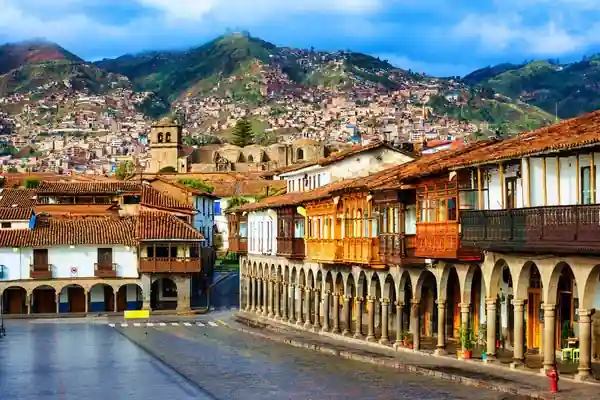
Cusco, often referred to as the “navel of the world”, is a city that beats with the heart of history, tradition, and cultural pride. Nestled in the Andes at an altitude of over 3,400 meters, this iconic city once stood as the political, religious, and administrative hub of the Inca Empire, the largest civilization in pre-Columbian America.
Its name comes from the Quechua word “Qosqo”, which translates to “center” or “navel.” This wasn’t a metaphor—the Incas genuinely believed Cusco to be the spiritual and geographical center of the world. Even today, its strategic location makes it a must-visit destination for those who take a Sacred Valley tour and venturing towards the legendary Machu Picchu.
Beyond its geographical significance, Cusco holds a profound cultural legacy that stretches across centuries. Let’s dive into the fascinating layers that make it a living tapestry of history.
Cultural heritage: Where Incan, Spanish, and Indigenous worlds meet
Walking through the cobblestone streets of Cusco is like stepping into a living museum. History unfolds around every corner, from ancient Inca stonework to ornate Spanish colonial churches. Here’s what makes Cusco culturally unique:
The Incan legacy:
The Incas were master builders, and their ingenuity is still evident in landmarks like Sacsayhuamán, a fortress with perfectly fitted stones, and Qorikancha, once the richest temple dedicated to the Sun God Inti. Even the very foundations of many colonial buildings in Cusco are Inca constructions.
Quechua influence:
The Quechua language is still widely spoken in the region, keeping the voice of the Andes alive. Traditional farming methods, textile weaving, and spiritual practices rooted in Andean cosmology remain vital parts of daily life. Don’t miss the colorful markets of Pisac and Chinchero, where Quechua women in vibrant skirts sell their meticulously crafted textiles.
Spanish Colonial Impact:
When the Spanish conquered Cusco in the 16th century, they sought to impose their culture and religion. Yet rather than erasing the past, their architecture merged with Inca foundations, creating an architectural fusion visible in places like the Cusco Cathedral and the Church of La Compañía de Jesús.
Indigenous and community traditions:
Cusco is home to a dynamic blend of indigenous cultures, each contributing its own music, dance, and festivals. The deep respect for Mother Earth (Pachamama), vibrant neighborhood celebrations, and artistic craftsmanship all paint a picture of a community that treasures its roots.
Whether you’re marveling at the precision of Incan stonework, wandering through the Spanish-built plazas, or chatting with artisans in Quechua markets, Cusco offers a journey that spans centuries, cultures, and traditions.
Key traditions of the Inca’s Capital
Cusco stands out not just for its majestic landscapes and ancient architecture but for its vibrant and deeply spiritual traditions, many of which have been preserved for centuries. These celebrations seamlessly blend Incan heritage, Catholic influences, and Andean beliefs, offering visitors a unique opportunity to witness the city’s living culture in action.
Let’s explore some of the most captivating traditions that make Cusco a cultural gem.
Inti Raymi: The festival of the Sun
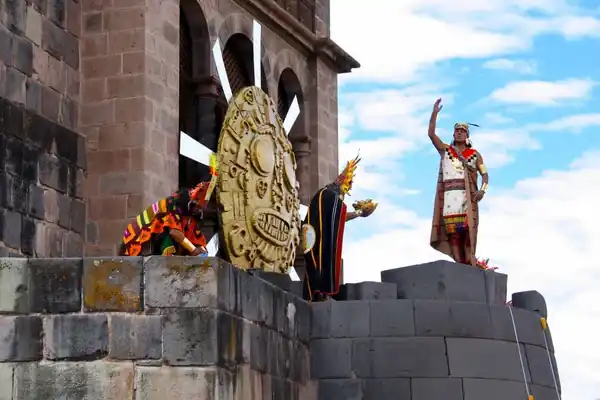
Every June 24, Cusco transforms into the heart of one of the most spectacular celebrations in Peru: Inti Raymi, or the Festival of the Sun. This ancient Incan festival marks the winter solstice in the Southern Hemisphere, a time when the sun was believed to be farthest from the earth. The Incas, who worshipped the sun god Inti, held this ceremony to ensure the return of warmth and prosperity.
Today, the festival begins with a vibrant reenactment at Qorikancha Temple, followed by a grand procession to the fortress of Sacsayhuamán, where thousands gather to witness traditional dances, rituals, and offerings. The atmosphere is electric—it’s a cultural spectacle you won’t want to miss. Exploring the area through Coricancha tours offers even more insight into the temple’s rich history and its importance to Inca culture.
Qoyllur Rit’i: A sacred pilgrimage to the Andes
One of the most spiritual experiences in Cusco is the Qoyllur Rit’i pilgrimage, held in May or early June. Thousands of pilgrims from across the Andes embark on a challenging trek to the Sinakara Glacier, located over 4,600 meters above sea level.
This journey is a fascinating blend of Christian and Andean traditions, where pilgrims honor Christ of Qoyllur Rit’i while also paying respect to the Apus (sacred mountain spirits). The nights are filled with traditional music, dances, and rituals under a starry Andean sky—a magical experience that connects participants to both nature and spirituality.
The Virgen del Carmen Festival in Paucartambo
Every July, the quiet town of Paucartambo, located a few hours from Cusco, bursts into life with the Virgen del Carmen Festival. This vibrant celebration combines traditional Andean dances and music with Catholic rituals, creating a colorful and energetic spectacle.
The highlight of the festival is the parade of elaborately costumed dancers representing different cultural characters, from mischievous Saqras (devils) to noble warriors. The energy is infectious, and visitors are always welcome to join in the festivities.
Semana Santa: Cusco’s traditional easter celebration
Cusco’s Semana Santa (Holy Week) is a deeply moving event that draws thousands of locals and visitors alike. Unlike traditional Easter celebrations elsewhere, Cusco’s version has a unique Andean touch. Exploring this vibrant tradition as part of a Cusco City Tour allows you to immerse yourself in the historical and cultural essence of the city.
The most important event is the solemn procession of the Lord of the Earthquakes (Taytacha Temblores), the city’s patron saint, who is believed to protect Cusco from natural disasters. Streets are adorned with flowers, and locals prepare traditional dishes, including the famous twelve plates of Semana Santa, symbolizing the Last Supper.
You might also be interested in: Peruvian holidays: The 10 most iconic traditions
The vibrant cultural landscape of Cusco
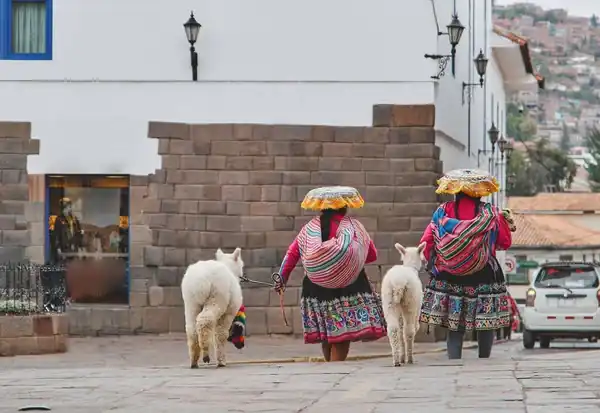
Cusco isn’t just a destination—it’s an experience where past and present harmoniously coexist. Walking through its cobblestone streets, you’ll find yourself surrounded by centuries of history, colorful traditions, and an enduring sense of community. Let’s dive into the cultural landscape that makes Cusco truly unforgettable.
Incan and Quechua roots
The legacy of the Inca Empire is palpable in every corner of Cusco. From ancient agricultural terraces to the impressive stonework of Sacsayhuamán, the Inca civilization continues to leave its mark.
But it’s not just about monuments—the culture thrives in the daily lives of its people. Quechua, the language of the Incas, remains widely spoken, connecting generations to their heritage. Traditional farming techniques, such as the cultivation of quinoa and potatoes on stepped terraces, are still practiced in the region, demonstrating the Incas’ ingenious agricultural knowledge.
Colonial Spanish influence
The arrival of the Spanish conquistadors in the 16th century brought dramatic changes to Cusco’s cultural landscape. Churches, convents, and mansions were built atop Inca foundations, creating a striking architectural blend.
One of the most impressive examples is the Cathedral of Cusco, a grand structure that dominates the Plaza de Armas. Inside, you’ll find stunning religious artwork, much of it created by Quechua artists who incorporated Andean symbolism into traditional Catholic themes.
Community-Based traditions
Cusco’s vibrant sense of community shines brightly during its countless festivals and neighborhood celebrations. Each barrio (neighborhood) often has its own patron saint and unique festivities, complete with music, dance, and delicious food.
These gatherings aren’t just for show—they’re a testament to the strong bonds that connect Cusco’s residents. Visitors are always welcomed with open arms, making it easy to feel like part of the celebration.
Textile art and handicrafts
Cusco is world-renowned for its intricate textile weaving and handmade crafts. Artisans, often working with alpaca wool and natural dyes, create stunning pieces that reflect ancient patterns and techniques passed down through generations.
If you’re looking to take home a piece of Cusco’s artistry, make sure to visit local markets like San Pedro in the heart of the city or Pisac Market, which is a highlight of any Sacred Valley tour, offering everything from beautifully woven scarves to finely crafted ceramics and jewelry.
You might also be interested in: Top 7 Peruvian traditional clothing: A vibrant cultural heritage
Traditional dances in the Inca’s Capital
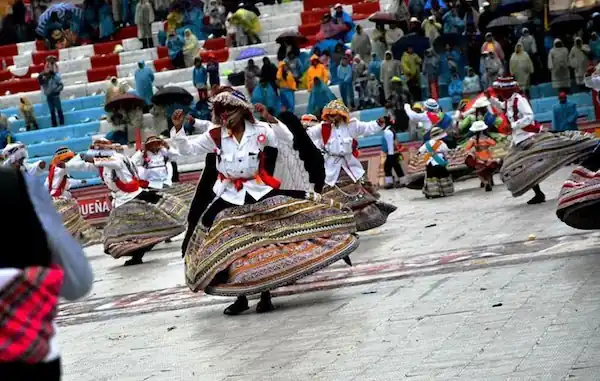
Dance plays a central role in Cusco’s identity. These performances aren’t just about entertainment — they’re stories passed down through generations, each step preserving the history and spirit of the Inca’s capital. As you explore Cusco, immerse yourself in these vibrant dances that celebrate tradition, unity, and creativity.
Qhapaq Qolla: Tribute to the highlands
In the heart of the Inca’s capital, you’ll find the Qhapaq Qolla dance captivating audiences with its colorful embroidered costumes and intricate masks. It tells the story of the ancient Collas, highland traders who once rivaled the Incas. The dance beautifully portrays their eventual unity, symbolizing harmony between cultures.
Saqra: The mischievous devil dance
What’s a trip to the Inca’s capital without a bit of playful mischief? The Saqra dance brings this spirit to life. Performers in vibrant devil masks entertain crowds with energetic moves. This tradition, with roots older than the Incas, highlights the fascinating duality between good and evil.
Wititi: The warrior’s dance of courtship
Recognized by UNESCO, the Wititi dance is as joyful as it is symbolic. In the Inca’s capital, it represents courtship and fertility, with performers donning vibrant costumes and animal-inspired masks. It’s a visual delight that captures the vitality of Cusco’s traditions.
Tinku: A ritual dance of unity
Tinku is more than a dance—it’s a ceremonial re-enactment of ancient battles that symbolize strength and community. Watching this powerful tradition in the Inca’s capital reminds you of the resilience and unity that defines Cusco’s spirit.
The Chunchos of Paucartambo
If you visit the Inca’s capital during the Virgen del Carmen festival, don’t miss the Chunchos dance in Paucartambo. Performers, adorned with feathered headdresses and intricate beadwork, parade through the streets, blending religious devotion and Andean tradition in a spectacle of color and movement.
Kachampa: Celebrating agricultural prosperity
A high-energy celebration dedicated to Pachamama, Mother Earth, Kachampa dancers in the Inca’s capital wear animal masks and elaborate costumes. Their movements symbolize gratitude for fertile land and bountiful harvests.
Diablada Cusqueña: A spirited dance with deep roots
The Diablada Cusqueña is a mesmerizing blend of Andean and Spanish influences. Performers in striking diabolical costumes face off against angelic figures in a swirling spectacle of color and energy. It’s a must-see cultural experience in the Inca’s capital.
Celebrations and festivals in the Inca’s Capital
Exploring the Inca’s capital during festival season is like stepping into a living tapestry of tradition, music, and joy. These celebrations aren’t just events — they’re immersive experiences that connect you to Cusco’s vibrant cultural heart.
Cusco carnival: Bursting with color and music
February brings a burst of energy to the Inca’s capital as Cusco Carnival kicks off. Streets overflow with colorful parades, live music, and energetic dances. Join locals as they celebrate with playful water fights and festive meals. Don’t be surprised if you’re swept into the joyous chaos!
The sacred Inti Raymi Festival
Every June 24th, the Inca’s capital becomes the stage for the grand Inti Raymi, the Festival of the Sun. This spectacular event honors the Sun god, Inti, just as the Incas did centuries ago. Thousands gather at Sacsayhuamán fortress to witness this majestic reenactment filled with ancestral rituals and powerful performances.
Corpus Christi: A fusion of cultures
Corpus Christi in the Inca’s capital is a vibrant procession where ornate statues of saints are carried through the streets, blending indigenous beliefs with Catholic devotion. The grand feast following the procession is a culinary highlight you won’t want to miss.
The annual Q’eswachaka bridge festival
In June, communities come together to rebuild the Q’eswachaka Bridge using ancient Inca weaving techniques. Visiting this festival near the Inca’s capital is witnessing history come alive — a true testament to the enduring legacy of Inca engineering and community spirit.
The day of Pachamama: Honoring Mother Earth
August in the Inca’s capital is a spiritual time when locals honor Pachamama, the Andean Earth goddess. Rituals are performed to give thanks and seek blessings for fertile lands. Don’t be surprised to see offerings of coca leaves, corn, and chicha (traditional corn beer) as part of these heartfelt ceremonies.
The vibrant Fiesta of the Virgen del Carmen
Paucartambo, near the Inca’s capital, lights up every July with the Fiesta of the Virgen del Carmen. Devotion meets dazzling performances as dancers in elaborate costumes fill the streets. It’s a captivating mix of faith, music, and tradition that embodies Cusco’s festive spirit.
You might also be interested in: Huayna Picchu Tour
Inca Traditions and festivals still alive in Cusco
In the heart of the Andes, Cusco continues to breathe life into its rich Inca heritage. These time-honored celebrations aren’t just events — they’re windows into ancient agricultural cycles, cosmic beliefs, and community spirit that have endured for centuries.
The sacred Uchuc Pacoy in January
January marks Uchuc Pacoy, a profound agricultural ritual symbolizing the beginning of the planting season. Locals gather to honor Pachamama, offering coca leaves and maize to bless the land for a fertile year ahead. Being part of this ritual connects you with the region’s deep respect for nature.
Hatun Pacoy: Celebrations in February
February brings Hatun Pacoy, a joyful time of gratitude for the harvest. Expect lively gatherings filled with music, food, and traditional dances that showcase the harmonious relationship between the people of Cusco and their environment.
Inti Raymi: June’s Grand tribute to the sun
One of the most famous events in Cusco, Inti Raymi attracts visitors from across the globe every June 24th. Originally the most important ceremony for the Inca Empire, this vibrant reenactment takes place at Sacsayhuamán and remains a spectacular celebration of the Sun god, Inti.
Anta Situa and Capac Raymi: Celebrations of renewal
December closes the year with Capac Raymi, a festival symbolizing new beginnings and renewal. Families and communities come together to mark the turning of the agricultural cycle with rituals that blend spiritual introspection and joyous festivities.
Cusco isn’t just a city to visit; it’s a place to experience the living pulse of ancient Inca traditions. Let its vibrant spirit and timeless celebrations leave you with unforgettable memories.
Plan your trip to the Inca’s Capital
So, what are you waiting for? Cusco is calling, and trust me—you don’t want to miss this adventure. From ancient traditions that connect you to a time long past to colorful festivals that fill the streets with music and joy, this city has a heartbeat you’ll feel from the moment you arrive. Promise.
Wander through cobblestone streets that tell stories of empires, join locals in vibrant celebrations, and marvel at how history and modern life dance together seamlessly. Don’t just read about the magic of Cusco, come live it.
At Climb Sunday, we’re here to make your experience truly unforgettable. Let us guide you through Cusco’s rich traditions, hidden gems, and vibrant festivals. Ready to pack your curiosity, an open heart, and your sense of wonder? Cusco is waiting to welcome you with open arms—and we’ll be there to show you the way. See you soon!
