
Peruvian superfoods are more than ingredients sold in health stores. In Peru, many are everyday foods with deep links to Andean farming, Amazonian biodiversity, regional markets and traditional cooking. Travelers may encounter quinoa in soups, lúcuma in desserts, purple corn in chicha morada or tarwi in local dishes long before seeing them marketed as “superfoods.”
This guide explains which foods are worth knowing, how Peruvians actually eat them, where travelers can try them and how to shop for them responsibly. The goal is not to promise miracle health effects, but to help visitors understand these ingredients as part of Peru’s food culture.
You might also be interested in: Altitude sickness in Peru: Everything you need to know before your trip
What Are Peruvian Superfoods?
Peruvian superfoods are foods associated with Peru that are valued for their nutritional composition, culinary uses and cultural importance. The term “superfood” is not a formal medical category, so it is better understood as a popular way of describing nutrient-dense foods rather than a guarantee of specific health results.
What makes these foods especially interesting for travelers is their diversity. Some come from the high Andes, others from the Amazon basin, and still others from valleys that connect very different ecological zones. Their history is tied to farming systems, local markets and recipes that continue to evolve in modern Peruvian cuisine.
Why Peru Produces So Many Distinctive Foods
Peru’s geography changes dramatically over short distances. The Pacific coast, Andean mountains, inter-Andean valleys and Amazon rainforest create different climates, soils and growing conditions. That ecological diversity helps explain why the country offers grains, roots, fruits, seeds and cacao rather than one single type of ingredient.
For travelers, food can become a way to read the landscape. Quinoa and maca point toward high-altitude agriculture; camu camu and sacha inchi connect with the Amazon; lúcuma and purple corn appear in familiar desserts and drinks; tarwi reflects long-standing Andean food traditions.
10 Peruvian Superfoods Travelers Should Try
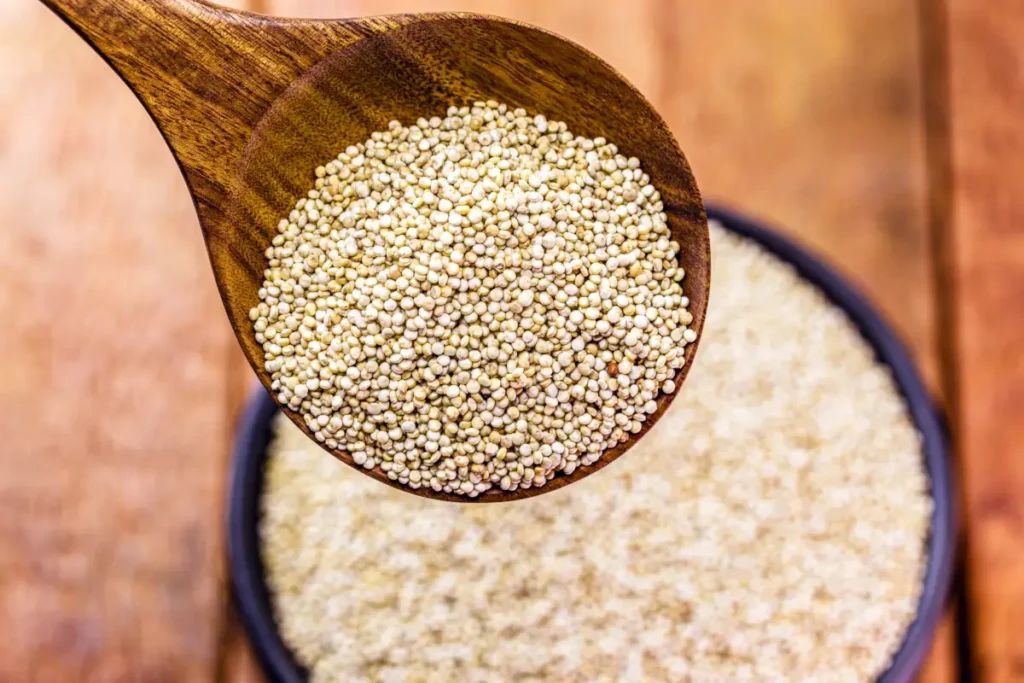
1. Quinoa
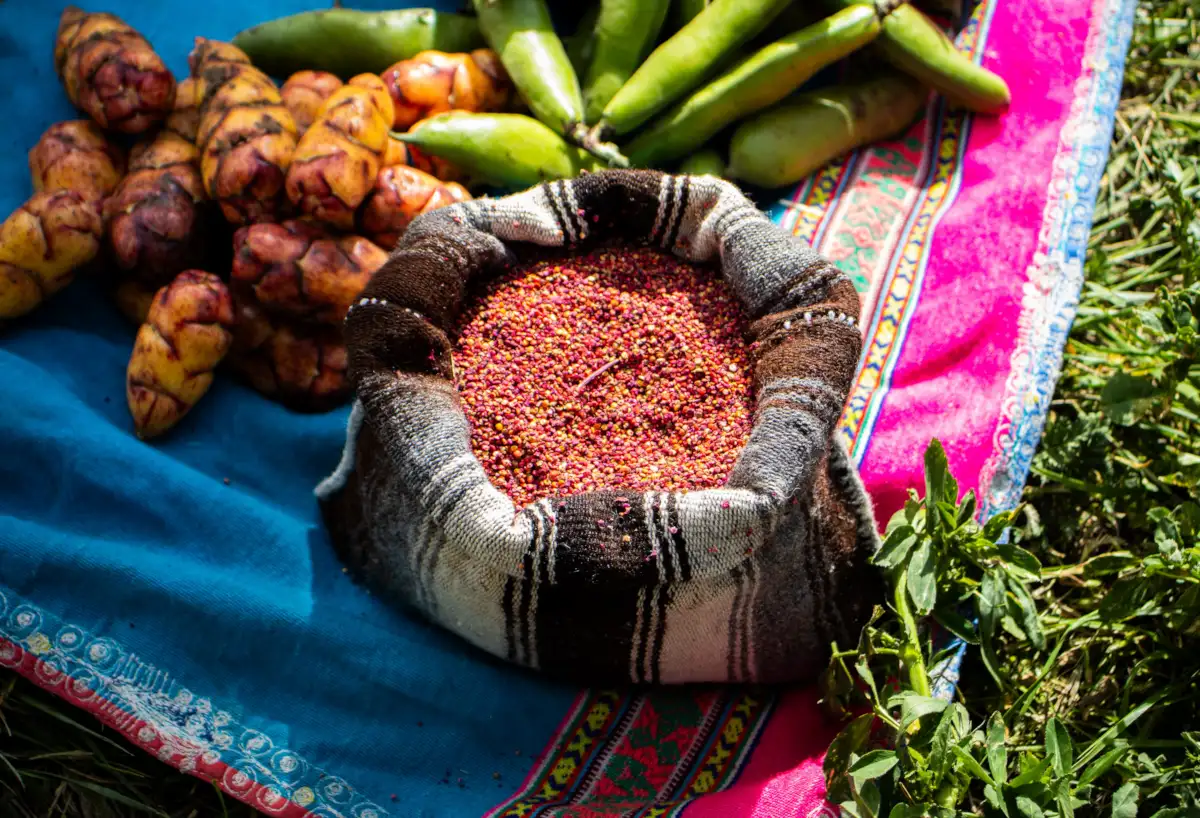
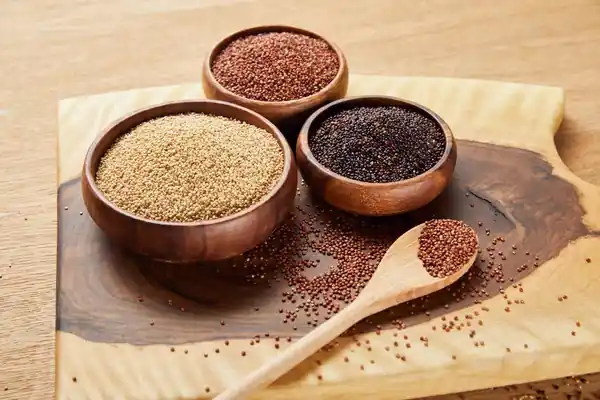
Quinoa is one of the best-known Peruvian superfoods internationally, but in Peru it is much more than a packaged grain. Travelers may find it in soups, breakfast preparations, salads, stews and contemporary dishes such as quinotto, a risotto-style preparation made with quinoa.
2. Maca
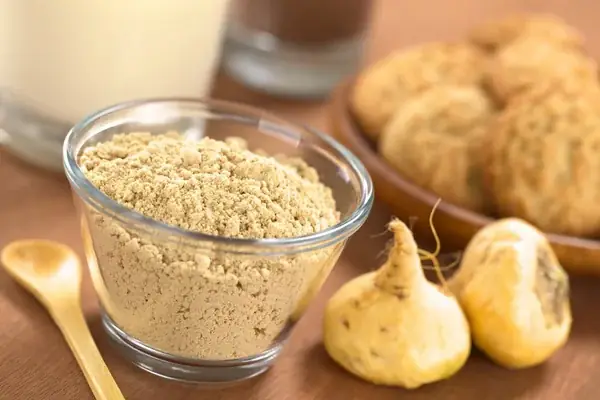
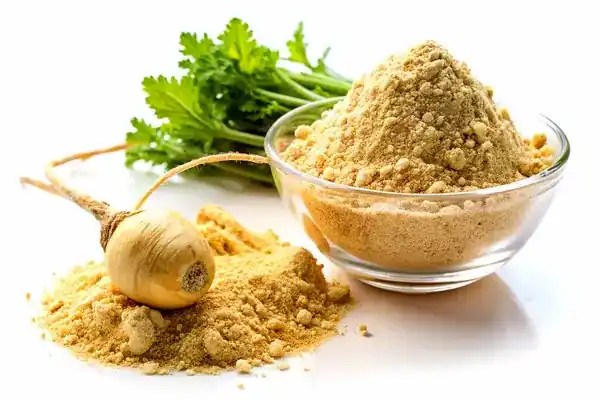
Maca is a high-Andean root often sold as powder, capsules or drink mixes. In Peru, it can also appear in breakfast beverages, shakes, porridges and baked preparations. Its flavor is earthy, slightly nutty and more distinctive than quinoa.
Among these foods, maca is one of the products most likely to be presented with exaggerated health claims. Travelers should treat those claims carefully. The more interesting travel story is its relationship with high-altitude agriculture and how it moved from a regional food into a globally marketed product.
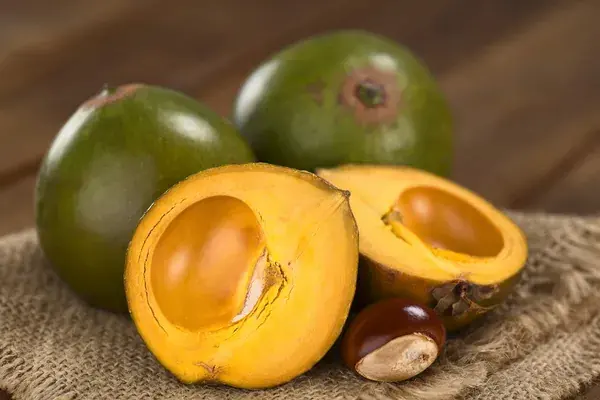
3. Lúcuma
Lúcuma is one of the most enjoyable ingredients for travelers with a sweet tooth. The fruit has a dry, creamy texture and a flavor often compared with caramel, maple or sweet potato, although none of those descriptions fully captures it.
In Peru, lúcuma is especially common in ice cream, cakes, mousses, smoothies and other desserts. For many visitors, a scoop of lúcuma ice cream is a more memorable introduction than buying lúcuma powder from a store.
4. Camu Camu
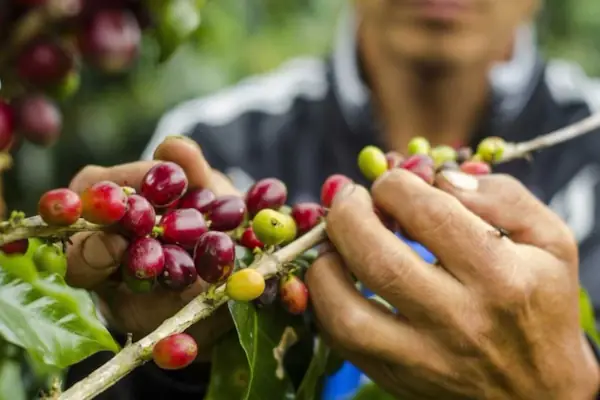
Camu camu is an Amazonian fruit with a sharp, acidic flavor. It is rarely eaten like a sweet table fruit. Instead, travelers are more likely to encounter it in juices, smoothies, frozen drinks, powders or processed products.
This ingredient makes the contrast between Andes and Amazon especially clear. Trying camu camu in the jungle or in a regional market also gives travelers a reason to look beyond the best-known highland ingredients.
5. Sacha Inchi
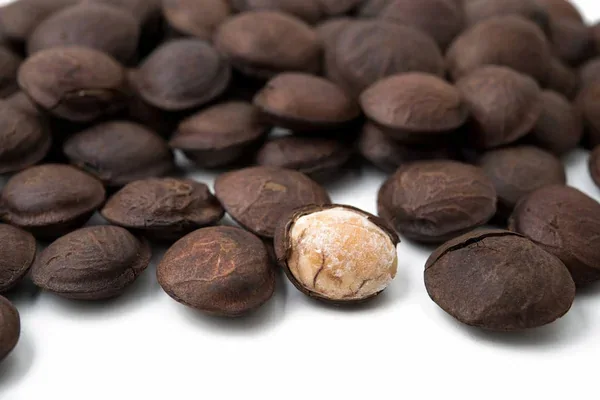
Sacha inchi is an Amazonian seed commonly eaten roasted or processed into oil. The roasted seeds can work as a portable snack, while the oil may appear in salads or contemporary dishes.
For travelers exploring Peru through food, sacha inchi expands the idea of Peruvian cuisine beyond potatoes, corn and quinoa. It reflects the food biodiversity of the Amazon and the increasing visibility of regional ingredients in modern gastronomy.
6. Tarwi
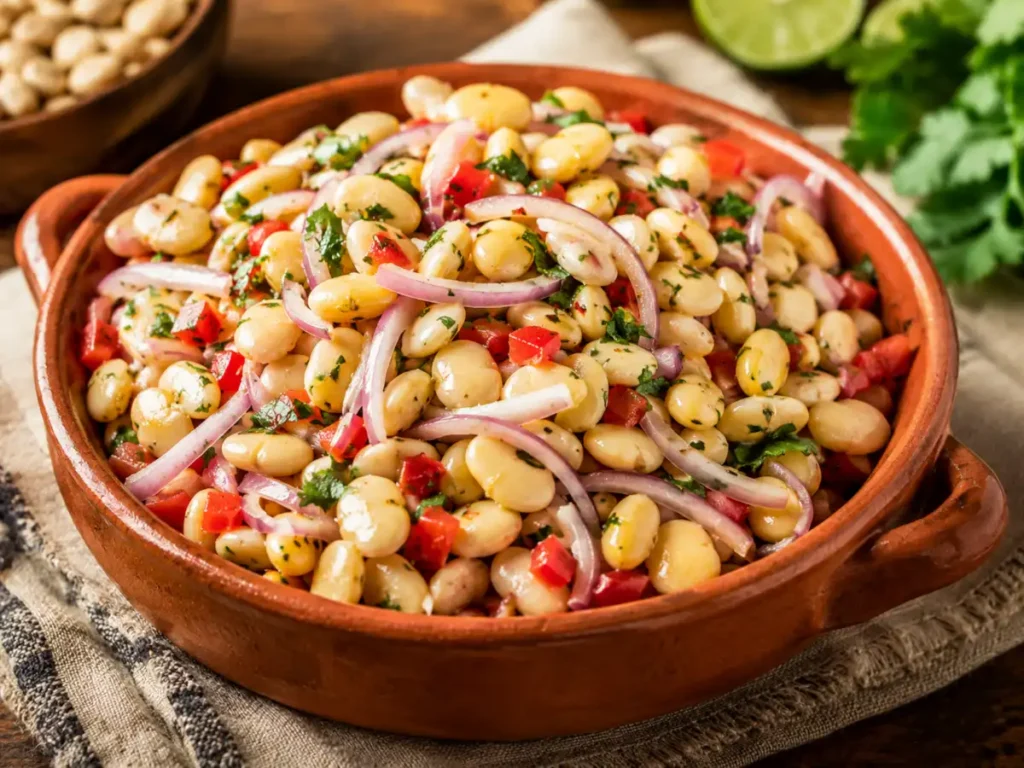
Tarwi, also called Andean lupin, is a traditional Andean legume with a long history of cultivation. Before eating, the seeds require careful debittering because naturally occurring alkaloids make untreated tarwi unpleasant and unsuitable for normal consumption.
Once prepared correctly, tarwi can appear in salads, creams, stews, ceviche-style dishes and snacks. Among these traditional ingredients, it is one of the strongest examples of why preparation knowledge matters as much as nutritional reputation.
7. Kiwicha
Kiwicha, or amaranth, is a small Andean grain used in both traditional and modern foods. Travelers may encounter it popped, mixed into breakfast cereals, added to energy bars or used in baked goods.
8. Aguaymanto
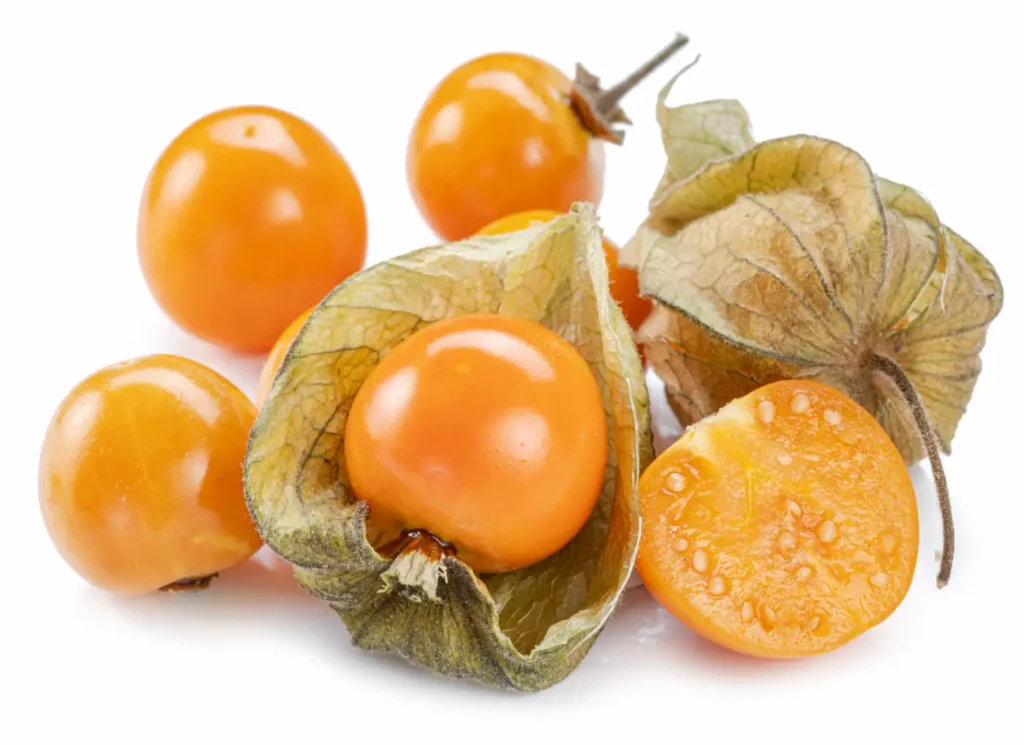
Aguaymanto, often called goldenberry or cape gooseberry in English, is a small orange fruit wrapped in a papery husk. It has a sweet-tart flavor and can be eaten fresh or used in jams, sauces, desserts and chocolates.
This is one of the most approachable ingredients because travelers do not need a special recipe to enjoy it. Fresh aguaymanto from a market provides an immediate sense of its flavor and texture.
9. Purple Corn
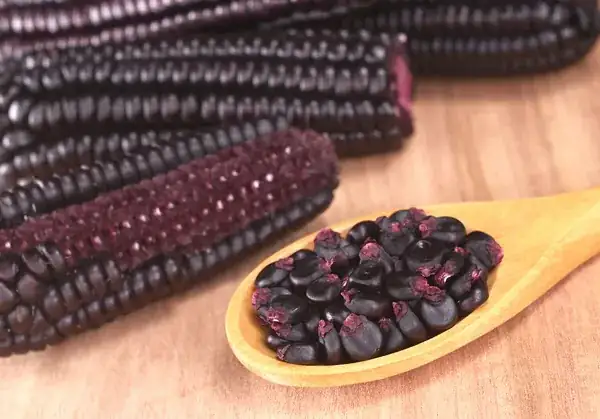
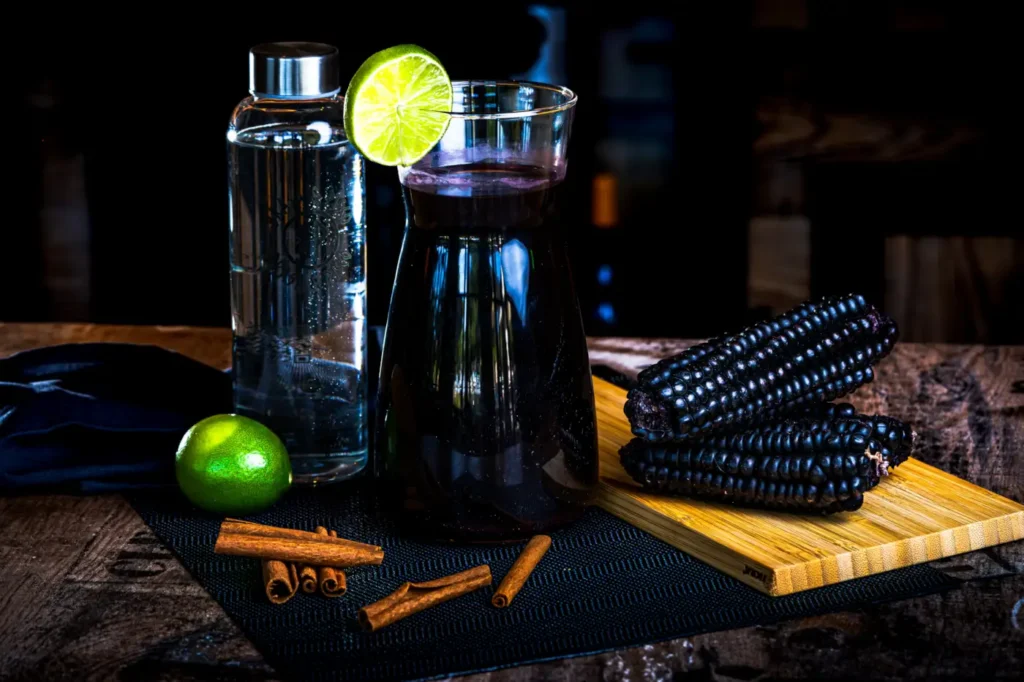
Purple corn is central to one of Peru’s most familiar drinks: chicha morada. The corn is simmered with ingredients such as fruit and spices to create a dark purple beverage served in restaurants, markets and homes.
Among these foods, purple corn is especially important from a cultural perspective because travelers can experience it as part of a widely consumed drink rather than as a supplement or packaged powder.
10. Cacao
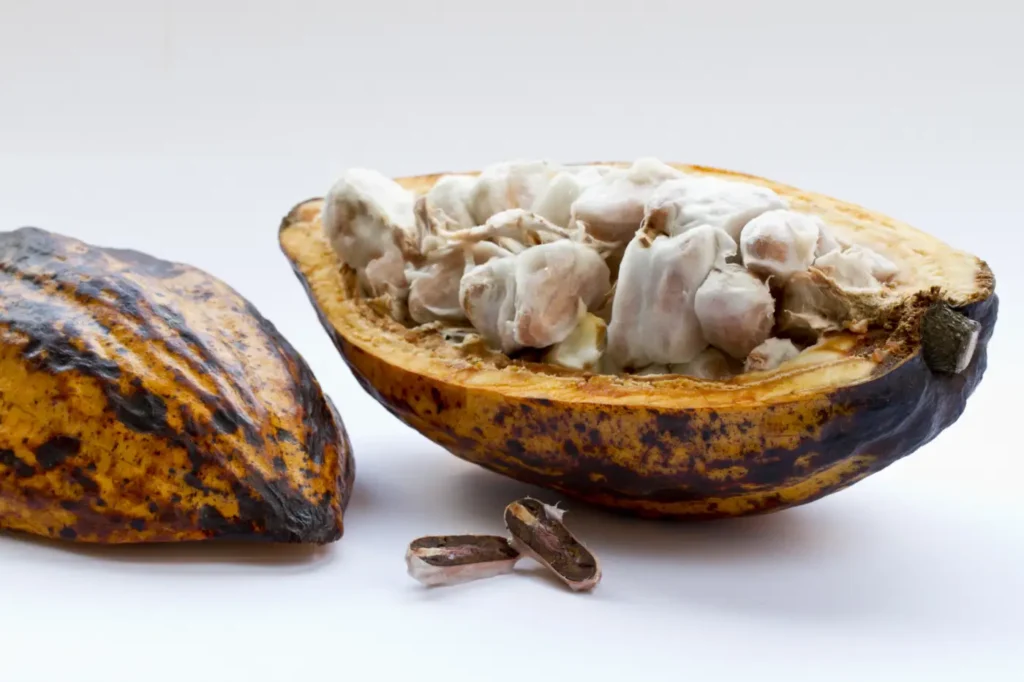
Cacao connects Peru’s biodiversity with one of the world’s most popular foods: chocolate. Different Peruvian regions produce cacao with distinctive flavor profiles, and travelers may encounter it in chocolate bars, hot drinks, desserts or tasting experiences.
Cacao works particularly well in culinary tourism because visitors can learn about fermentation, roasting and chocolate-making instead of only buying the final product.
Andean Superfoods vs Amazonian Superfoods
Grouping Peruvian superfoods by region helps travelers understand where they come from. Andean ingredients such as quinoa, maca, tarwi and kiwicha are linked to highland agriculture and crops adapted to demanding environments. Amazonian products such as camu camu, sacha inchi and cacao come from warmer, more humid ecosystems.
This distinction also helps travelers understand that Peru’s food identity is not exclusively Andean. The Amazon contributes fruits, seeds and cacao that are increasingly visible in restaurants, markets and culinary experiences around the country.
How Peruvians Actually Eat These Ingredients
A common mistake is assuming Peruvian superfoods are consumed mainly as powders or supplements. In Peru, many appear in everyday dishes, drinks and desserts. That is a much more useful perspective for travelers interested in local food culture.
Quinoa may become soup or quinotto. Lúcuma is strongly associated with desserts. Purple corn becomes chicha morada. Tarwi may appear in salads or creams. Aguaymanto works in jams and sauces. Cacao becomes chocolate, while maca can be blended into breakfast drinks.
This culinary context makes the ingredients more meaningful. Instead of asking only what nutrients a food contains, travelers can ask how people prepare it, which region it comes from and what role it plays in local cuisine.
You might also be interested in: Traditional Food in Peru: 12 Dishes to Try by Region
Where to Try Peruvian Superfoods
Cusco
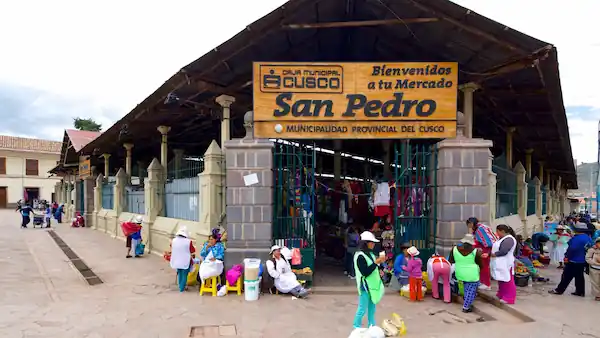
Cusco is an excellent place to discover Peruvian superfoods because markets, traditional restaurants and modern kitchens bring together ingredients from the Andes and other parts of the country. San Pedro Market is useful for seeing grains, fruits, herbs and packaged products in one place.
Restaurants also allow travelers to understand how the ingredients are prepared. Trying quinoa soup, chicha morada, tarwi or lúcuma in a finished dish often provides more cultural context than purchasing a packaged powder.
Sacred Valley
The Sacred Valley adds agricultural context to Peruvian superfoods. Farms, local markets and restaurants make it easier to connect ingredients with the landscapes where Andean food systems developed.
A visit can therefore complement the region’s archaeological experiences. Places such as Moray encourage travelers to think about agriculture, altitude and crop diversity rather than seeing Inca history only through temples and stone walls. Travelers planning the region can explore the guide to things to do in Sacred Valley.
Lima
Lima shows how Peruvian superfoods move from regional traditions into contemporary national cuisine. Markets, cafés, juice bars, bakeries and restaurants use ingredients brought from different parts of Peru.
For travelers interested in gastronomy, Lima is especially useful for comparing traditional preparations with newer interpretations and seeing how chefs integrate ingredients such as quinoa, lúcuma, cacao and aguaymanto into modern menus.
Peruvian Amazon
The Amazon provides the strongest geographic context for camu camu, cacao and sacha inchi. Travelers visiting Puerto Maldonado, Tambopata or other jungle destinations can learn how tropical ingredients fit into regional food culture rather than experiencing them only as exported products.
Combining cuisine with Madre de Dios tours also helps connect Amazonian food with forests, rivers, biodiversity and the communities that depend on these ecosystems.
Peruvian Superfoods and the Sacred Valley
For travelers interested in food and culture, the Sacred Valley offers one of the clearest connections between Peruvian superfoods and landscape. High-altitude crops, markets and regional cooking reflect how Andean communities have adapted food production to different elevations and climatic conditions.
The region also provides an opportunity to think about ingredients before they reach restaurants or supermarkets. Asking local guides about seasonality, cultivation and traditional preparation gives travelers a deeper understanding of Andean food culture.
Can You Bring Peruvian Superfoods Home?
Many travelers want to take Peruvian superfoods home as gifts or pantry ingredients. Packaged quinoa, cacao, maca powder, chocolate or other sealed products may be easier to transport than fresh produce, but customs and agricultural rules depend on the destination country.
Do not assume that seeds, fresh fruit, plants or unprocessed agricultural products can cross international borders. Check the current customs and agricultural regulations of the country you are entering before purchasing.
When buying packaged Peruvian superfoods, choose products with intact seals, clear ingredient lists, origin information and expiration dates. This makes them easier to identify during travel and helps you understand what you are actually purchasing.
How to Buy Peruvian Superfoods Responsibly
Buying from markets, producer associations, cooperatives and reputable local businesses can help connect visitor spending with local food systems. Price should not be the only factor when choosing a product.
Look for clear labeling, identifiable origins and products that avoid exaggerated medical promises. Peruvian superfoods can be nutritionally interesting without being presented as miracle cures or substitutes for medical treatment.
If you visit farms or producer communities, follow local guidance before photographing people, homes or production areas. Food tourism is more respectful when travelers treat producers as people with expertise rather than as attractions.
Frequently Asked Questions About Peruvian Superfoods
What are the most famous Peruvian superfoods?
Quinoa, maca, lúcuma, camu camu, sacha inchi, cacao and purple corn are among the best-known Peruvian superfoods. Tarwi, kiwicha and aguaymanto are also important ingredients travelers may encounter while visiting Peru.
What Andean superfoods should travelers try?
Quinoa, maca, tarwi and kiwicha are useful starting points for exploring Andean superfoods. Whenever possible, try them in prepared foods rather than focusing only on powders or supplements, because the dish provides more cultural and culinary context.
Where can I buy Peruvian superfoods in Cusco?
Markets such as San Pedro, specialty stores and supermarkets sell grains, fruits and packaged Peruvian superfoods. Restaurants and cafés can be even better places to discover how those same ingredients are used in Peruvian cooking.
Are Peruvian superfoods healthy?
Many Peruvian superfoods contain valuable nutrients, but no single food guarantees good health or prevents disease. Their value is best understood as part of a varied diet rather than through exaggerated claims about one ingredient.
Can I take maca, quinoa or cacao home from Peru?
Packaged and processed products are generally easier to travel with than fresh agricultural products, but import requirements differ by country. Check your destination’s customs and agricultural regulations before departure.
Are all Peruvian superfoods from the Andes?
No. While quinoa, maca, tarwi and kiwicha are closely associated with Andean agriculture, camu camu, sacha inchi and cacao demonstrate the importance of Amazonian ecosystems within Peru’s food diversity.
Discover Peru Through Its Food
Peruvian superfoods make more sense when travelers experience them as part of a place. Quinoa connects with Andean agriculture, camu camu with Amazonian landscapes, lúcuma with Peru’s dessert culture and purple corn with one of the country’s most familiar drinks.
Climb Sunday encourages travelers to explore Peru through landscapes, communities and food rather than treating Peruvian superfoods as a shopping list. Combine Cusco, the Sacred Valley, local markets and regional meals with broader Peru Classic Tours to understand how these ingredients fit into everyday Peruvian life.
