
Altitude sickness in Peru is one of the most common concerns for travelers planning to visit Cusco, Machu Picchu, Lake Titicaca, Rainbow Mountain or the Andes. The good news is that most visitors can enjoy their trip with the right pace, realistic planning and basic prevention habits.
This guide explains what altitude sickness in Peru feels like, which destinations require more attention, how Cusco altitude compares with Machu Picchu, and how to organize your itinerary so your first days in the Andes feel smoother and safer.
You might also be interested in: 7 most impressive traditional dances of Peru
What Is Altitude Sickness in Peru?
Altitude sickness in Peru, often called soroche locally, happens when your body has difficulty adjusting to lower oxygen availability at higher elevations. It is more likely when travelers move quickly from sea level to cities or mountain destinations above 2,500 meters, especially without time to acclimatize.
For many tourists, this happens when flying from Lima to Cusco. Lima is at sea level, while Cusco is high in the Andes. The flight is short, but the altitude change is abrupt. Your body needs time to breathe faster, adjust circulation and adapt to the new environment.
Altitude sickness in Peru is not a sign of being unfit. It can affect active travelers, young people, older adults and experienced hikers. Fitness helps with walking and endurance, but it does not guarantee protection from altitude symptoms.
Cusco Altitude: Why Many Travelers Feel It First
Cusco altitude is one of the main reasons travelers notice symptoms during their first day in the Andes. Cusco sits at approximately 3,399 meters above sea level, making it much higher than Lima, the Sacred Valley and Machu Picchu.
Because many visitors arrive directly by plane, altitude sickness in Peru often begins in Cusco rather than at Machu Picchu. Symptoms may appear within a few hours or during the first night. That is why your arrival day should be planned as a soft landing, not as a full adventure day.
A gentle first day in Cusco can include hotel check-in, hydration, a light meal, a short walk near the historic center and early rest. Avoid planning Rainbow Mountain, Humantay Lake, Salkantay or a demanding trek immediately after arrival.
Elevation Cusco Machu Picchu: Understanding the Difference
The phrase elevation Cusco Machu Picchu is useful because many travelers assume Machu Picchu is higher than Cusco. In reality, Machu Picchu is lower. Machu Picchu is around 2,430 meters, while Cusco is around 3,399 meters. The Sacred Valley and Ollantaytambo are also lower than Cusco.
This difference matters when planning altitude sickness in Peru. Some travelers feel unwell in Cusco but better once they descend toward the Sacred Valley or Machu Picchu. For that reason, spending the first night in the Sacred Valley can be a smart strategy for visitors who want a gentler acclimatization process.
Machu Picchu itself is usually less challenging in terms of elevation than Cusco, but the visit still involves stairs, uneven stone paths, humidity, sun exposure and walking. If you choose Huayna Picchu or Machu Picchu Mountain, the physical effort increases and preparation becomes more important.
Common Symptoms of Altitude Sickness Cusco Travelers Should Know
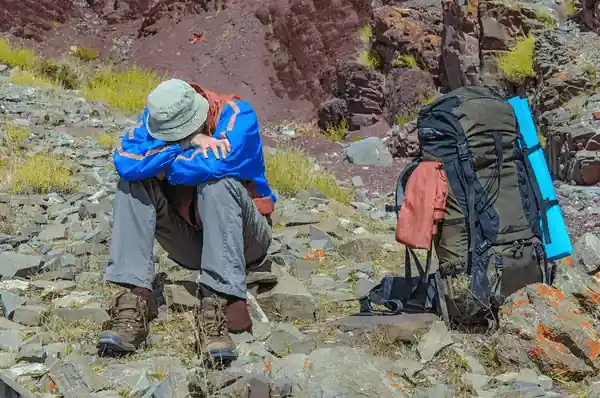
Altitude sickness Cusco symptoms can feel similar to a hangover or travel exhaustion, which is why some visitors underestimate them. The most common symptom is headache, often combined with nausea, dizziness, fatigue, loss of appetite, poor sleep or unusual shortness of breath.
Mild symptoms usually appear within the first hours after arrival or during the first night. Many travelers improve with rest, fluids, light food and a slower pace. However, symptoms should be taken seriously if they worsen or do not improve.
Do not ignore a severe headache, confusion, difficulty walking, chest tightness, persistent cough, extreme breathlessness at rest or unusual drowsiness. These can be warning signs of a more serious altitude-related condition and require urgent medical attention and descent to a lower elevation.
Who Is More Likely to Experience Altitude Sickness in Peru?
Altitude sickness in Peru can affect anyone, but some situations increase the risk. The most important factor is rapid ascent. Flying from Lima to Cusco and then starting intense activities too soon creates a common risk scenario.
Travelers with previous altitude problems may be more likely to experience symptoms again. People with heart disease, lung disease, sleep apnea, sickle cell trait, significant anemia, pregnancy or other medical conditions should speak with a qualified healthcare professional before traveling to high-altitude destinations.
Age and fitness alone do not predict who will feel altitude effects. A marathon runner can still get sick, while a less active traveler may feel fine. The safest plan is to build acclimatization time into the itinerary instead of relying on fitness.
How to Prevent Altitude Sickness in Peru
The best prevention for altitude sickness in Peru is gradual ascent, enough rest and a realistic itinerary. Your body needs time to adapt, especially when arriving from sea level.
- Take your first day slowly. Do not plan a demanding hike, long walking tour or late-night activity immediately after arriving in Cusco.
- Stay hydrated. Drink water regularly, especially after flights, transfers and long travel days.
- Eat light meals at first. Soups, vegetables, quinoa, rice, potatoes and simple proteins are easier than heavy meals during your first hours at altitude.
- Avoid alcohol on arrival. Alcohol can worsen dehydration, sleep quality and headaches.
- Sleep lower if possible. The Sacred Valley can be a useful first-night option because it is lower than Cusco.
- Plan intense tours later. Schedule Rainbow Mountain, Humantay Lake, Salkantay or Ausangate after at least one or two acclimatization days.
A smart itinerary does not remove all risk, but it reduces the chance that altitude sickness in Peru will interrupt the most important days of your trip.
Should You Take Medication for Altitude Sickness?
Some travelers ask their doctor about acetazolamide, a prescription medication commonly used to help prevent or reduce acute mountain sickness. It should be discussed before the trip with a healthcare professional who knows your medical history, allergies and current medications.
Do not self-medicate only because another traveler recommended it. Medication can be useful for some people, but it is not a substitute for acclimatization, rest and good itinerary design.
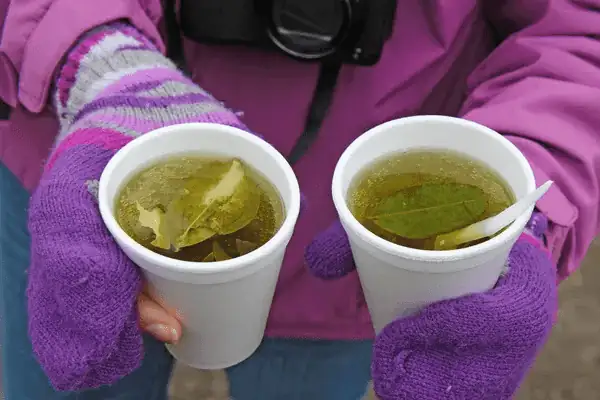
Coca tea, muña tea and other local remedies are commonly offered in the Andes and may feel comforting. However, they should be seen as supportive traditions, not guaranteed medical treatment. If symptoms become severe, the correct response is medical evaluation and descent when needed.
También te puede interesar: Top 7 Peruvian traditional clothing: A vibrant cultural heritage
Best First-Day Plan After Arriving in Cusco
A strong first-day plan can make altitude sickness in Peru easier to manage. After arriving in Cusco, keep the schedule simple and flexible.
- Arrive and transfer calmly. Avoid rushing through the airport or carrying heavy luggage upstairs.
- Check in and rest. Give your body time to adjust before walking long distances.
- Eat something light. Choose a soup, simple Andean meal or easy-to-digest lunch.
- Walk slowly. If you explore, keep it short and avoid steep streets at first.
- Sleep early. The first night is important for acclimatization.
If you want a guided introduction, choose a relaxed city experience instead of a high-altitude hike. A Cusco City Tour can work well when scheduled at the right pace, especially after a calm morning or after one night of rest.
Is the Sacred Valley Better for Acclimatization?
For many travelers, the Sacred Valley is a good place to adjust before returning to Cusco or visiting Machu Picchu. Towns such as Pisac, Urubamba and Ollantaytambo are lower than Cusco, and the valley has a more relaxed rhythm.
This is one reason a Sacred Valley and Machu Picchu 2 Days itinerary can be useful. It lets travelers experience Inca sites, landscapes and local towns while avoiding an overly aggressive first day at Cusco altitude.
For visitors worried about altitude sickness in Peru, spending a first night in the Sacred Valley can be more comfortable than sleeping immediately in Cusco. It also creates a natural route toward Ollantaytambo and the train to Machu Picchu.
Altitude and Machu Picchu: What to Expect
Machu Picchu is lower than Cusco, so many travelers feel better there. Still, the visit requires walking, climbing stairs and moving through stone paths that can be uneven or slippery. Hydration, good shoes and a steady pace are still important.
If your ticket includes Huayna Picchu, Huchuy Picchu or Machu Picchu Mountain, treat the day more seriously. These routes add physical effort and may not be ideal if you are still feeling symptoms from altitude sickness in Peru.
With a guided Machu Picchu tour, travelers can better coordinate entry time, train schedules, walking pace and route selection. This is useful because fatigue and altitude discomfort often become worse when the itinerary is rushed.
High-Altitude Tours That Need Extra Planning
Some Peru experiences are more demanding because they take travelers to elevations above Cusco. These tours can be spectacular, but they should be scheduled after proper acclimatization.
- Rainbow Mountain. This is one of the highest day trips from Cusco and should not be scheduled immediately after arrival.
- Humantay Lake. The trail involves altitude and uphill walking, so it is better after at least one acclimatization day.
- Salkantay Trek. This route reaches high mountain terrain and requires preparation, pacing and a guide who monitors the group.
- Ausangate or other high treks. These are more demanding and should be planned only with adequate acclimatization and support.
For adventure travelers, Trekking and Biking in Peru can help match the route to your fitness, schedule and comfort level. The goal is not only to complete a tour, but to enjoy it safely.
Lake Titicaca, Puno and Higher Elevations
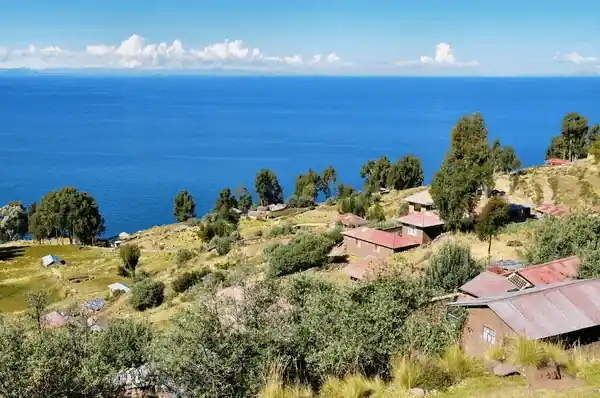
Lake Titicaca and Puno are higher than Cusco, sitting at more than 3,800 meters above sea level. Travelers who already feel symptoms in Cusco should be especially careful before continuing to Puno.
If your itinerary includes Puno Tours, consider visiting after several nights in Cusco or the Sacred Valley rather than flying directly from Lima to Juliaca and going straight to Lake Titicaca. Gradual progression can make a significant difference.
Puno is beautiful, but walking uphill, climbing boat steps or spending long hours outside can feel harder than expected. Keep the first day gentle, dress warmly and avoid heavy meals or alcohol on arrival.
When to Seek Medical Help
Most cases of altitude sickness in Peru are mild, but travelers should know when to stop and seek help. If symptoms are getting worse, do not continue ascending. Rest, inform your guide or hotel staff and consider medical evaluation.
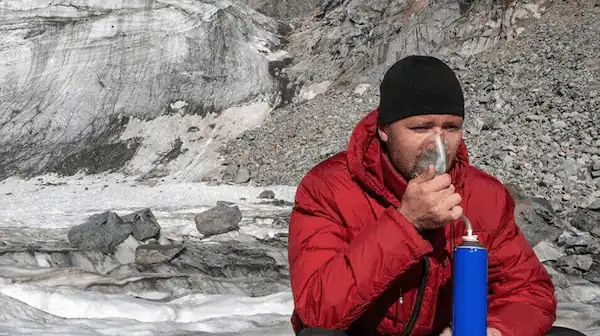
Urgent warning signs include severe shortness of breath at rest, confusion, inability to walk normally, blue lips, chest tightness, persistent vomiting, severe weakness or a headache that worsens despite rest. These symptoms require immediate medical attention and may require oxygen and descent to a lower altitude.
Hotels and clinics in high-altitude destinations may offer oxygen support, but oxygen should not be used to force yourself through a demanding activity. If you are seriously unwell, the priority is safety, not completing the itinerary.
Smart Itinerary Ideas to Reduce Altitude Risk
The best way to manage altitude sickness in Peru is to build your route with the Andes in mind. Here are three practical itinerary styles.
Option 1: Cusco First, Slowly
Arrive in Cusco, rest on day one, take a gentle city tour on day two, visit the Sacred Valley on day three and go to Machu Picchu after that. This works well for travelers who want to spend more time in the historic city.
Option 2: Sacred Valley First
After arriving in Cusco, transfer directly to the Sacred Valley. Sleep lower, visit Pisac or Ollantaytambo, continue to Machu Picchu and return to Cusco later. This is one of the strongest options for travelers concerned about Cusco elevation.
Option 3: Classic Peru Route With Gradual Altitude
Start in Lima, continue to Arequipa, then Cusco, the Sacred Valley, Machu Picchu and Puno. This route can create a more gradual altitude progression, depending on timing and transport.
A Peru Classic Tours itinerary can help connect these destinations with better pacing, realistic transfers and tour days that are not overloaded.
You might also be interested in: The Inca’s Capital: Exploring the traditions and customs of Cusco
Frequently Asked Questions About Altitude Sickness in Peru
How common is altitude sickness in Peru?
Altitude sickness in Peru is common enough that travelers should plan for it, especially in Cusco, Puno and high-altitude treks. Many cases are mild and improve with rest and acclimatization.
What is Cusco elevation?
Cusco elevation is approximately 3,399 meters above sea level. This is high enough for travelers arriving from sea level to feel symptoms during the first day or night.
Is Machu Picchu higher than Cusco?
No. Machu Picchu is lower than Cusco. Many travelers feel better at Machu Picchu, although walking, stairs, humidity and mountain add-ons can still make the visit physically demanding.
How many days should I acclimatize in Cusco?
Many travelers benefit from at least one or two gentle days before demanding hikes. If you plan Rainbow Mountain, Salkantay or another high-altitude trek, build in more time.
Can coca tea prevent altitude sickness?
Coca tea is a traditional Andean drink and may feel soothing, but it should not be treated as guaranteed prevention or treatment. Rest, hydration, gradual ascent and medical advice are more important.
Should I go to the Sacred Valley before Cusco?
It can be a good idea because the Sacred Valley is lower than Cusco. This option may help travelers who are concerned about altitude sickness Cusco symptoms after flying from Lima.
Can I take altitude sickness medication?
Some travelers use prescription medication after speaking with a doctor. Do not self-medicate without professional guidance, especially if you have allergies, take other medication or have a medical condition.
When is altitude sickness dangerous?
It becomes dangerous when symptoms worsen, affect breathing at rest, cause confusion, affect walking or do not improve with rest. In those cases, seek medical help immediately.
Plan Your Peru Trip With the Right Pace
Altitude sickness in Peru should not stop you from visiting Cusco, Machu Picchu, the Sacred Valley or Lake Titicaca. It should simply shape how you plan your first days, your tours and your transfers.
The best trips respect the body’s need to adjust. Fly in with enough time, keep your first day light, consider the Sacred Valley for acclimatization and schedule high-altitude hikes only after you feel ready.
Climb Sunday can help you build a Peru itinerary that connects Cusco, the Sacred Valley, Machu Picchu, Puno and trekking routes with a pace that feels realistic, safe and memorable.
