Climb Sunday
Contact:
- +51 916 573 284
- +51 954 976 165
- contacto@climbsunday.com
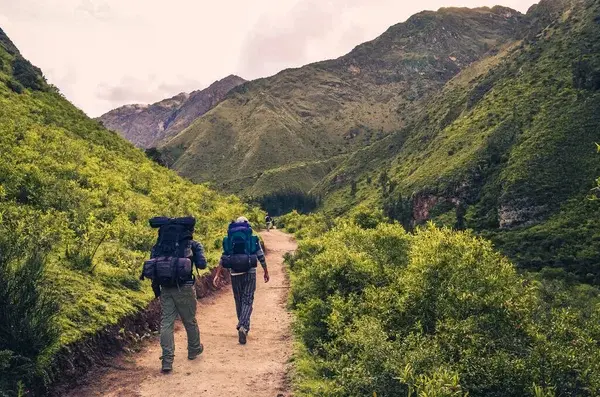
Walk in the footsteps of the Incas on the classic Inca Trail, a 4-day, 3-night trekking experience that combines Andean landscapes, archaeological sites, challenging mountain passes, camping, and an unforgettable arrival at Machu Picchu.
Your journey begins in Cusco with hotel pickup at approximately 6:00 AM and private tourist transportation to Km 82, the official trailhead. From there, you will begin hiking along the historic route accompanied by a professional bilingual guide, an assistant guide, and a support team responsible for the organization of the trek.
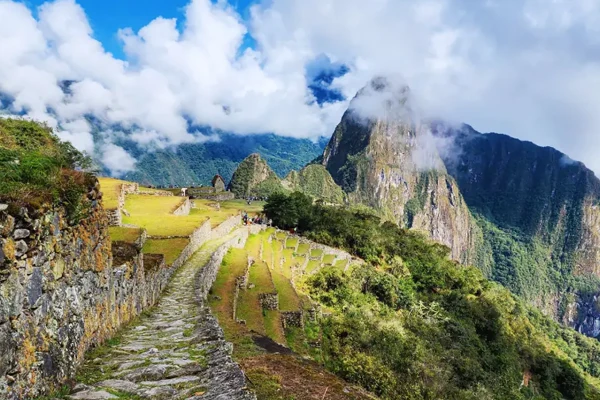
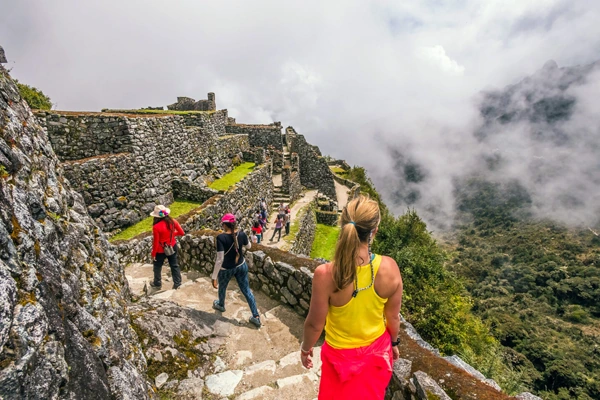
Over four days, the trail leads through dramatically different environments. You will pass archaeological sites such as Llactapata, Runkurakay, Sayacmarca, Phuyupatamarca, and Wiñayhuayna while crossing valleys, mountain passes, and sections of cloud forest.
One of the greatest challenges comes on Day 2, when the route climbs toward Warmiwañusca, or Dead Woman’s Pass, the highest point of the trek at approximately 4,200 meters above sea level. The effort is rewarded with sweeping views of the surrounding Andes before the trail descends into the next valley.
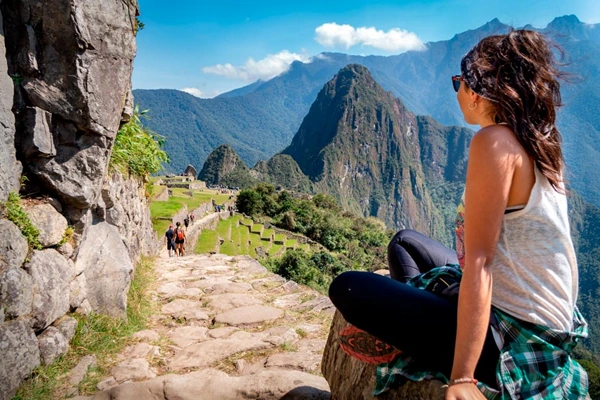
Your final morning begins before sunrise as you walk toward Inti Punku, the Sun Gate. From this historic entrance, Machu Picchu gradually comes into view below the mountains before you continue toward the archaeological sanctuary.
The Inca Trail package includes your permits for the trail and Machu Picchu, professional guiding, meals during the trek, camping equipment, an experienced cook and support team, porters for the agency’s camping equipment, first-aid equipment, an oxygen bottle, and transportation back to Cusco after Machu Picchu.
For travelers looking for an immersive trekking experience rather than simply reaching Machu Picchu by train, the classic Inca Trail offers four days of history, scenery, physical challenge, and cultural discovery.
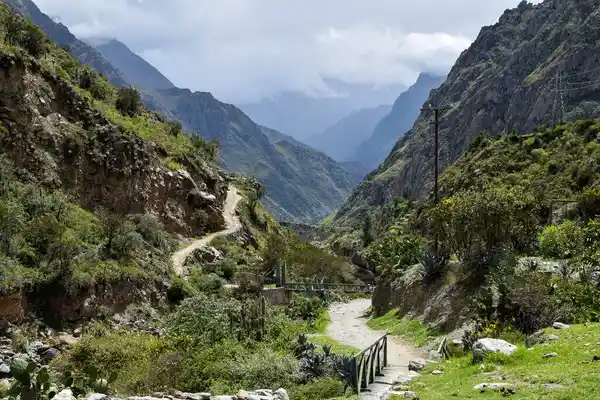
Walking the Inca Trail isn’t just about reaching Machu Picchu. It’s about the path you take to get there. These stone-paved trails were once walked by messengers, nobles, and pilgrims of the Inca Empire. Every step brings you closer to a deeper understanding of Andean culture, spirituality, and the powerful connection between people and nature.
As you pass through ancient sites like Runkurakay, Sayacmarca, and Wiñayhuayna, you’re not just looking at ruins—you’re touching history. The Inca Trail 4 days / 3 nights is a cultural immersion that makes you feel like part of something greater than yourself.
From cloud forests dripping with mist to high mountain passes that open up to sweeping Andean valleys, this trek is a visual masterpiece. The trail takes you through dramatically different ecosystems, each one more stunning than the last.
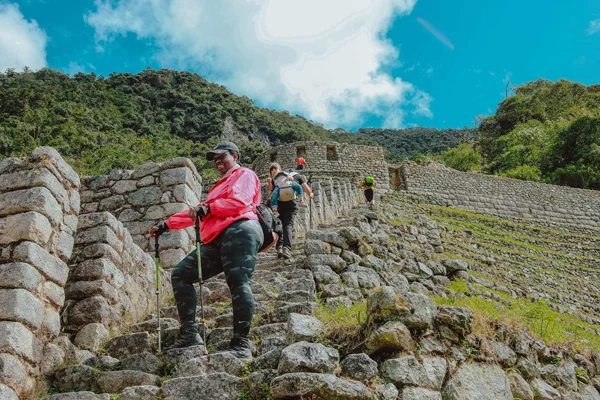
One moment you’re ascending a stone stairway beneath towering trees, and the next you’re standing atop Warmiwañusca Pass at 4,200 meters, surrounded by peaks that seem to touch the sky. Along the way, you'll discover remote archaeological sites, some perched dramatically on cliff edges, others hidden in lush greenery, each with stories carved in stone and silence.
There are many ways to reach Machu Picchu, but none carry the depth, mystery, and emotion of the Inca Trail. What makes this route so unique is not only the scenery or the ruins but the experience of walking in the footsteps of history.
This is the only trek that allows you to enter Machu Picchu through the Inti Punku (Sun Gate), just as the Incas did. After four days of effort, arriving at the citadel as the first light breaks over the mountains is something that can’t be described—only felt.
It’s a journey of endurance, wonder, and transformation. And that’s what makes the Machu Picchu Inca Trail 4 days one of the most iconic trekking adventures in the world.

The Inca Trail is just one piece of a vast and sophisticated network of roads known as the Qhapaq Ñan, or "Great Inca Road." This ancient highway system once stretched over 30,000 kilometers, connecting the Inca capital of Cusco with the farthest corners of the empire, from modern-day Colombia to Chile and Argentina.
These roads weren’t just for transport. They were arteries of administration, communication, and ceremony. Messengers called chasquis ran along these paths delivering messages and goods, while pilgrims and soldiers moved in carefully organized flows. The section we now call the "Inca Trail to Machu Picchu" was a sacred route—one that only the elite, or those with spiritual purpose, could walk.
The trail to Machu Picchu wasn’t the easiest or shortest route, but it was the most meaningful. It passed through mountains, cloud forests, and temples, leading travelers through a spiritual journey before reaching the sacred citadel.
Machu Picchu itself is believed to have been a royal estate or ceremonial center, and the path leading to it reflects that purpose. Along the way, you find sites like Runkurakay, Sayacmarca, and Phuyupatamarca, each one thought to have played a specific role in preparing pilgrims mentally and spiritually for the final destination.
Walking the Inca Trail today is more than a hike; it’s a chance to experience a path once reserved for nobility, astronomers, priests, and those in search of cosmic alignment.
The trail fell into obscurity for centuries after the fall of the Inca Empire. Overgrown by forest and nearly forgotten, it was rediscovered in the early 20th century, around the same time that Hiram Bingham brought global attention to Machu Picchu.
Since then, the trail has been carefully studied, mapped, and protected. In 2001, the Peruvian government introduced a permit system to control access and preserve the route. Only a limited number of hikers are allowed each day, and all treks must be led by licensed guides.
Today, the Inca Trail 4 days / 3 nights is one of the most sought-after treks in the world—not only for its beauty and challenge but because it allows you to walk in the footsteps of an empire, through a living landscape that still whispers the stories of its past.