

Adventure travel has evolved far beyond iconic landmarks and crowded tourist routes. In 2025, explorers are searching for something deeper raw landscapes, cultural authenticity, and journeys that defy the ordinary. This is where off the beaten path adventure travel becomes more than a trend; it transforms into a way of discovering the world.
Peru, a land of dramatic contrasts and ancient legacies, stands out as one of the most compelling destinations for those seeking unique and less-traveled experiences. While Machu Picchu has long captured the imagination of travelers, the country offers far more than its famous citadel. Hidden valleys, remote trekking circuits, jungle reserves, forgotten archaeological sites, and isolated villages make Peru a living atlas of discovery. It is a place where the journey is just as extraordinary as the destination.
This guide, titled “The Ultimate Off the Beaten Path Adventure Travel Guide for 2025”, unveils the lesser-known treasures of Peru, presenting locations that remain untouched by mass tourism. Whether it’s trekking through the Cordillera Huayhuash, navigating the Amazon’s Pacaya-Samiria Reserve, or standing at the edge of Gocta Waterfall, one of the tallest in the world, the experiences found here redefine the very concept of adventure.
Along the way, this comprehensive resource explores related themes like best adventure travel locations and off the beaten path travel destinations, while providing practical planning tips and sustainable travel recommendations. It aims to guide modern explorers toward a Peru that goes beyond postcards and predictable itineraries toward a country where mystery, challenge, and wonder converge.
You might also be interested in: Traditional music in Peru: A journey throught the musical fusion
Why Peru is the Ultimate Off the Beaten Path Destination
Peru is synonymous with history and natural grandeur, yet its best-kept secrets remain far from the main tourist corridors. Beyond the stone terraces of Machu Picchu and the colonial streets of Cusco lies a country of vast and varied landscapes waiting to be explored.
1. A Land of Dramatic Diversity
Peru’s geography is as complex as its history. From the towering Andes to the dense Amazon rainforest, from Pacific desert coastlines to high-altitude plateaus, the country is a mosaic of ecosystems. Each region reveals a distinct personality, offering trails and routes that cater to every type of adventurer trekkers, climbers, wildlife enthusiasts, and cultural travelers alike.
2. Hidden Civilizations and Lost Cities
The country’s past extends far beyond the Inca Empire. Northern Peru, for instance, is home to the Chachapoya civilization, builders of Kuelap Fortress, often described as a rival to Machu Picchu yet visited by a fraction of the tourists. Archaeological sites in remote valleys still whisper stories of civilizations that thrived long before Europeans set foot on the continent.
3. Wildlife and Natural Wonders
The Amazon basin, occupying nearly 60% of Peru, is a labyrinth of biodiversity. While areas like Iquitos and Manu are known, places such as Pacaya-Samiria National Reserve offer deeper immersion into the jungle. Here, pink river dolphins, giant river otters, and rare bird species live among endless waterways accessible only by boat.
4. A Culture That Thrives Off the Grid
In remote Andean villages, traditions survive untouched by modernity. Travelers can witness age-old weaving practices, ancient agricultural methods, and festivals tied to celestial cycles. These cultural encounters are as integral to off the beaten path travel as the landscapes themselves.
5. Why 2025 is the Perfect Time
Sustainable tourism initiatives are growing, making it easier than ever to explore responsibly. Improved yet discreet infrastructure now connects remote regions while preserving their natural and cultural integrity.
You might also be interested in: Best peruvian beaches: 15 captivating summer destinations
Top Off the Beaten Path Travel Destinations in Peru
Peru’s allure extends far beyond its world-renowned landmarks. For travelers drawn to the spirit of exploration, its remote regions provide experiences that are as breathtaking as they are transformative. Below are some of the most remarkable off the beaten path travel destinations to consider for your 2025 adventure.
Cordillera Huayhuash – A Remote Trekking Paradise
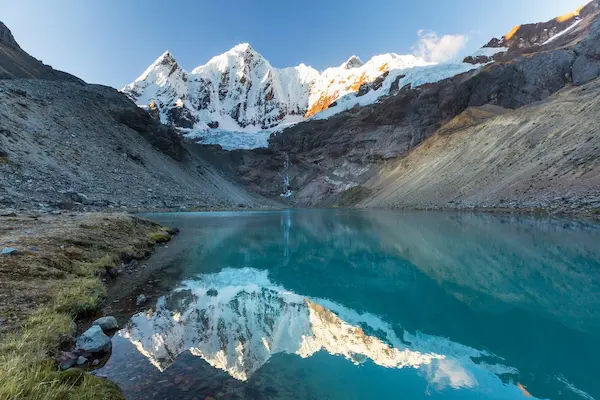
Far less known than the Cordillera Blanca, the Cordillera Huayhuash offers one of the most spectacular high-altitude trekking experiences in South America. With snowcapped peaks soaring above 6,000 meters, turquoise glacial lakes, and isolated mountain passes, this range is often compared to the Himalayas for its rugged beauty.
- Why It’s Special: The circuit spans about 130 km, taking 8 to 12 days, and requires both endurance and a spirit for true adventure. The scenery changes dramatically from stark alpine landscapes to serene valleys dotted with grazing alpacas.
- Best Season to Visit: May to September, during the dry season.
- Cultural Element: Local communities still follow traditional pastoral lifestyles, offering trekkers a rare glimpse of Andean heritage.
H3: Gocta Waterfall – The Hidden Giant of the Amazon
Gocta Waterfall, one of the tallest cascades in the world, remained unknown to the outside world until 2005, when its official measurement stunned explorers. Standing at 771 meters, it is surrounded by lush cloud forest and mist-covered cliffs in the Amazonas region.
- Adventure Factor: The hike to Gocta passes through remote trails lined with orchids, hummingbirds, and archaeological ruins hidden in the foliage.
- Local Legend: Villagers believe the falls are protected by a mermaid spirit, whose presence deters outsiders a story that adds to its mystical charm.
Choquequirao – Machu Picchu’s Secluded Sister
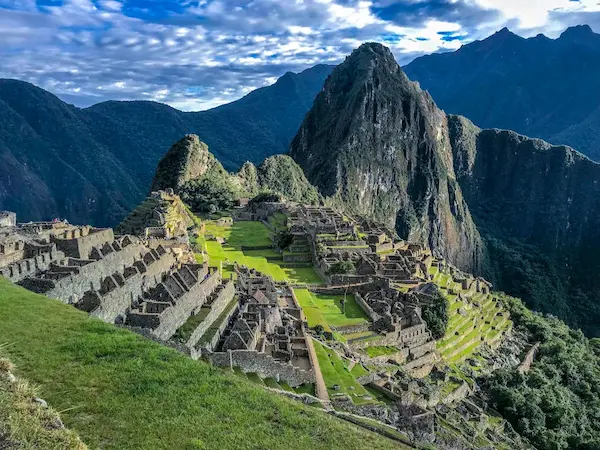
Often called the “sister city” of Machu Picchu, Choquequirao is a sprawling Inca complex perched on a remote mountain ridge. Reaching it requires a challenging two-day trek, but the reward is wandering among ancient terraces and plazas without the crowds.
- Unique Feature: Archaeologists believe only 30% of the site has been excavated, leaving much of its history still buried beneath the forest.
- Best Time to Go: April to October for clearer skies and safer trail conditions.
Pacaya-Samiria National Reserve – Into the Depths of the Amazon
Deep within the northern Amazon, Pacaya-Samiria National Reserve is a pristine labyrinth of rivers, lakes, and flooded forests, home to some of the rarest species on the planet. Accessible mainly by boat, it offers an authentic jungle immersion far from tourist hubs.
- Wildlife Highlights: Pink river dolphins, giant river otters, manatees, and hundreds of bird species.
- Adventure Element: Kayaking through mirrored waterways and camping beneath star-filled skies adds to the sense of raw exploration.
Ausangate Trek – Land of Rainbow Mountains and Glacial Lakes
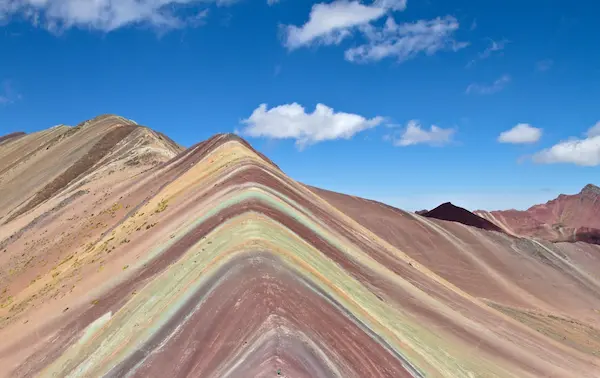
South of Cusco, the Ausangate region is an otherworldly landscape of striped mountains, azure lagoons, and vast expanses of high-altitude wilderness. Unlike the nearby Rainbow Mountain day tour, the Ausangate Trek offers a multi-day expedition across challenging passes.
- Cultural Connection: Along the trail, local herders tend alpacas and llamas, and traditional weaving communities showcase centuries-old textile techniques.
- Elevation Factor: Reaching up to 5,200 meters, acclimatization is essential for this journey.
Kuelap Fortress – The Chachapoya Citadel in the Clouds
High in the cloud forests of northern Peru, Kuelap Fortress stands as a testament to the engineering prowess of the Chachapoya civilization. Encircled by massive stone walls, the site is often compared to Machu Picchu yet receives only a fraction of its visitors.
- Archaeological Significance: Kuelap predates the Inca Empire and features circular stone dwellings, ceremonial plazas, and intricate friezes.
- Access: A cable car system introduced in recent years makes reaching the fortress easier while maintaining its secluded charm.
Huacachina Oasis – Sandboarding and Desert Adventures
Set amid towering sand dunes in the Ica region, Huacachina is a tiny desert oasis that feels like a mirage. While increasingly popular, its surrounding dunes still offer vast, untouched landscapes for sandboarding and dune-buggy expeditions.
- Adventurous Twist: Night sandboarding under the desert sky provides a surreal adrenaline rush.
- Nearby Bonus: The region also serves as a base for exploring the Nazca Lines and Paracas National Reserve.
You might also be interested in: Visiting Peru in September? All you need to know
Planning an Off the Beaten Path Adventure in Peru
Exploring Peru’s hidden regions requires more than enthusiasm. It calls for strategic preparation, cultural sensitivity, and an understanding of the country’s diverse geography. Unlike conventional tours, off the beaten path adventure travel involves remote terrain, unpredictable weather, and limited infrastructure, which heightens the sense of discovery but also demands foresight.
Understanding Peru’s Travel Seasons
Peru’s weather varies dramatically depending on the region. The Andes, home to treks like Huayhuash and Ausangate, are best visited between May and September when dry conditions provide clearer skies and safer trails. In contrast, the Amazon where Pacaya-Samiria National Reserve offers deep jungle exploration rewards travelers from June to November, when water levels drop, making wildlife viewing easier.
Along the coastal desert, where Huacachina’s dunes invite sandboarders, the warmest and most favorable months are from December to April, offering clear, dry conditions for both sports and sightseeing. Understanding these seasonal variations is essential for crafting a seamless journey.
Gear and Equipment for Remote Exploration
Proper equipment is a non-negotiable element of successful adventure travel. Sturdy, waterproof hiking boots are essential for high-altitude treks, paired with layered clothing to adapt to sharp shifts in temperature. A lightweight backpack of 50 to 65 liters allows for comfort on multi-day journeys, while GPS devices and offline navigation tools become indispensable in regions where trails are scarcely marked.
Jungle expeditions demand additional preparation mosquito nets, high-strength insect repellent, and quick-dry clothing help combat humidity and biting insects. Waterproof bags ensure that electronics and supplies remain dry during river crossings or sudden rainfall.
Sustainable and Ethical Travel Practices
Remote destinations are often ecologically fragile and culturally rich. Travelers can help preserve these regions by practicing responsible tourism. Choosing to stay in eco-lodges or family-run accommodations directly supports local economies, while purchasing artisan crafts at their source fosters cultural preservation.
Environmental care is equally important: packing out all waste, avoiding the disturbance of wildlife, and treading lightly on ancient trails protects these landscapes for future generations. Simple gestures, like asking permission before photographing locals and learning basic Quechua or Spanish phrases, deepen cultural exchanges while showing respect.
Health and Safety Considerations
The remoteness of these destinations often means limited medical facilities, making prevention the best strategy. Altitude sickness is common in regions above 3,000 meters; gradual acclimatization and proper hydration can make a significant difference. Vaccinations such as yellow fever and hepatitis are recommended for jungle travel, while a well-equipped personal first-aid kit is essential for any trek.
Equally important is comprehensive travel insurance that covers trekking, remote areas, and potential emergency evacuation. Such preparation ensures peace of mind when venturing far from urban centers.
Navigating Transportation in Remote Peru
Reaching Peru’s off-the-grid destinations often involves a mix of transport modes. Domestic flights shorten travel times between distant regions, such as Lima to Tarapoto for Amazon access. Overland journeys by local buses or 4×4 vehicles connect smaller towns to trailheads and hidden villages. In certain cases, such as Pacaya-Samiria or deep mountain circuits, guided expeditions are advisable not only for safety but also to ensure environmental guidelines are followed.
Final Preparations for the Journey
The last step before embarking is a thorough review of details. Travelers should research conditions and difficulty levels of each destination, secure necessary permits such as for Choquequirao and plan extra days to accommodate weather delays or acclimatization. Carrying local currency, particularly soles, is essential in rural areas where electronic payment and ATMs are scarce.
