
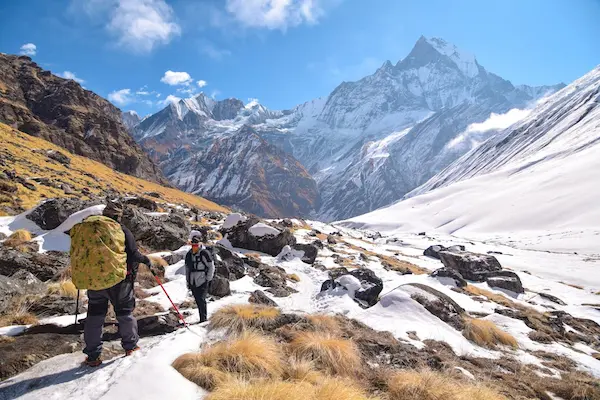
Stretching more than seven thousand kilometers along the western edge of South America, the Andes are a living monument to the planet’s geological power and cultural endurance. These mountains are more than dramatic ridgelines or towering peaks; they are a corridor of memory, where ancient trails still wind through mist-covered valleys and across high-altitude passes. Some of these routes are well known, etched into the imagination of travelers seeking Machu Picchu or iconic peaks. Yet beyond the celebrated sites lies another world – the hidden trails of the Andes – where footsteps echo across centuries and the silence of untouched wilderness tells its own story.
Unlike mainstream trekking circuits, these lesser-known paths invite a different kind of exploration. They carry hikers through forgotten villages, past ceremonial stones, and over ridges where condors glide silently in thin, brilliant air. Each step offers not only views of glaciers, emerald lagoons, and sculpted valleys, but also an encounter with the heritage of ancient civilizations that first carved these trails into the earth. For those passionate about andes hikes that feel authentic and unspoiled, this is the invitation to walk a path shaped by nature, time, and culture.
You might also be interested in: The ultimate off the beaten path adventure travel guide for 2025

The Allure of Hiking the Andes
Few places rival the Andes when it comes to sheer diversity of landscapes and the sense of adventure they inspire. Across their length, ecosystems shift dramatically – from lush cloud forests to arid highlands, from alpine meadows to snow-capped summits. Yet the real magic lies in the quiet, less-traveled routes that bypass crowded circuits. Choosing these paths transforms andes mountains hiking into more than physical endurance; it becomes a journey into stillness and meaning.
The trails themselves are older than memory. Long before maps were drawn, the Andes were traversed by networks of footpaths known as Qhapaq Ñan – the Great Inca Road. These routes connected sacred sites, trade outposts, and remote communities across one of the most challenging terrains on Earth. Today, fragments of these ancient pathways survive, some recognized as UNESCO World Heritage sites, others hidden deep in remote valleys. For travelers seeking more than postcard views, hiking the Andes along these forgotten tracks offers a bridge between the contemporary world and one of the most sophisticated pre-Columbian civilizations.
The Hidden Geography of the Andes
The Andes are not one uniform wall of stone; they are a labyrinth of ridges, plateaus, canyons, and alpine basins, each sheltering ecosystems that shift with altitude and latitude. From the humid cloud forests where orchids bloom in mist, to the stark puna grasslands swept by icy winds, these mountains feel like several worlds layered atop one another. The variety of landscapes creates endless opportunities for andes hikes that reveal nature’s drama and the cultural layers embedded in the land.
Route One: The Cloud Forest Ridge
Hidden between valleys veiled in fog, the Cloud Forest Ridge offers a journey through some of the Andes’ most biodiverse zones. The path is narrow, lined with moss-covered trees, giant ferns, and bromeliads that cling to trunks like jewels. Birds flash iridescent colors as they dart through the canopy, and the air carries the earthy scent of wet leaves.
This segment of hiking the Andes is more than a physical route; it is a walk through a living library of species, many of which exist nowhere else. While the distance is moderate about 12 kilometers it feels timeless, particularly where the trail skirts ancient stone steps believed to have been part of a ceremonial passage.
Difficulty is moderate, with slippery slopes in rainy seasons, but the reward lies in the solitude and the sense of being suspended between earth and cloud. Local legends speak of spirits guarding the forest, adding a whisper of myth to every footfall. For travelers seeking andes mountains hiking beyond the obvious, this ridge is a gateway into nature’s quietest secrets.
Route Two: The High-Altitude Plateau Path
At over 4,000 meters above sea level, the High-Altitude Plateau Path reveals a stark beauty only found where the air thins, the sky deepens, and silence reigns. This trail winds across rolling expanses of ichu grass, with views stretching toward jagged peaks that seem carved by celestial hands. Hiking here is demanding, as the elevation challenges even seasoned trekkers, but the reward is incomparable: a sense of walking on the very roof of the world.
Ancient stone markers dot sections of the plateau, silent witnesses to the travelers who crossed it centuries ago. Some served as boundary markers, others as ritual points where offerings were made to mountain spirits, or apus, believed to safeguard the land. During this segment of andes hikes, the thin wind carries more than a chill it carries echoes of the past. Trekkers often report feeling an almost meditative calm as the horizon swallows them in endless openness.
The route spans approximately 15 kilometers and is considered moderately difficult, primarily due to altitude rather than steepness. Those willing to adapt to the pace of highland walking will discover why hiking the Andes has long been regarded not just as an adventure, but as a spiritual undertaking.
Route Three: The Sacred Valley Traverse
Descending into a verdant corridor lined with terraces and small villages, the Sacred Valley Traverse offers a dramatically different experience from the previous routes. Here, the trail blends human history with natural wonder, following riverbanks where crops flourish just as they did centuries ago. Farmers still cultivate quinoa and corn on terraces engineered with remarkable precision, while distant ruins overlook the valley like stone sentinels.
The path itself varies in elevation but rarely becomes punishing, making it ideal for those seeking cultural immersion alongside scenic beauty. Sections of the trail run parallel to ancient irrigation channels, their water still flowing as it did in the time of the Inca. Along the way, small shrines and carved stones hint at the valley’s ceremonial significance, reminders that this was more than farmland it was a sacred landscape.
Covering around 18 kilometers, the traverse is classified as moderate and is best enjoyed over two days to absorb its historical depth. For hikers interested in combining archaeology, tradition, and sublime scenery, this trail showcases why andes mountains hiking is as much about connection as it is about movement.
Route Four: The Glacial Lagoon Circuit
Hidden deep within a high-altitude basin, the Glacial Lagoon Circuit offers an encounter with water so clear it mirrors the sky with perfect precision. The trail begins in rugged alpine terrain, climbing steadily toward a shimmering lagoon framed by snow-dusted peaks. As the sun shifts, the water transforms from turquoise to deep sapphire, reflecting clouds that drift silently across a cobalt sky.
Hiking this route is a lesson in contrasts: stark rocky paths give way to delicate wildflowers clinging to crevices, and icy winds alternate with bursts of sunlight. It is a challenging path about 14 kilometers with sections of steep ascent and loose scree. Yet the effort pays off with vistas that feel untouched by time, landscapes that seem to belong to a world before maps.
Local legends describe the lagoon as a sacred eye of the mountains, a place where offerings were made to appease the spirits of water and ice. Today, walking the circuit is a way of honoring that reverence, blending physical endurance with a sense of quiet reflection. For those passionate about hiking the Andes in its purest form, this route offers isolation, beauty, and profound calm.
Route Five: The Canyon Descent Trail
Far removed from glacial heights, the Canyon Descent Trail plunges into a different world entirely a world of red rock walls, dry winds, and winding paths that carve through the Earth like ancient scars. Here, the Andes reveal their desert face, an arid landscape shaped by erosion and time. The play of light at sunrise and sunset paints the canyon walls in fiery hues, while shadows create the illusion of endless depth.
Covering roughly 10 kilometers, this trail descends through narrow switchbacks and sandy ledges, requiring careful footing but rewarding hikers with views of natural rock formations and hidden grottoes. Archaeological remnants occasionally appear along the way small caves used as ancient shelters, fragments of pottery left by travelers who crossed this route long before it was marked on modern maps.
Unlike lush or high-altitude hikes, this path carries an almost lunar atmosphere, inviting contemplation as much as exploration. It demonstrates how diverse andes hikes can be ranging from cloud forests and lagoons to arid canyons, each with its own distinct rhythm and mood.
Route Six: The Alpine Pass to Hidden Meadows
The Alpine Pass to Hidden Meadows combines the drama of highland ridges with the serenity of secluded valleys. Beginning above the treeline, the route offers panoramic views of jagged peaks before dipping into a basin where meadows bloom in wildflowers during the short alpine summer. Crystal-clear streams cut across green expanses, and the distant sound of waterfalls echoes through the air.
Spanning approximately 16 kilometers, this trail requires stamina to cross the initial ascent, but the descent into the meadows feels like entering a world apart. Few hikers reach this point, meaning the silence is broken only by wind and the calls of mountain birds. Remnants of old stone corrals suggest that herders once guided llamas and alpacas through these pastures, adding a layer of human history to the natural beauty.
For travelers drawn to andes mountains hiking that offers solitude and subtlety, this route delivers an intimate glimpse of the landscapes and legacies hidden beyond popular circuits.
You might also be interested in: Traditional music in Peru: A journey throught the musical fusion

A Pause Among Peaks – Reflecting Before the Next Ascent
Reaching the end of these six hidden trails is less a conclusion than an invitation to go deeper. Each path offers a different portrait of the Andes misty ridges alive with birdsong, high plateaus where silence stretches across horizons, valleys steeped in ritual and farming traditions, lagoons that mirror glaciers, canyons ablaze in desert light, and meadows cradled in alpine solitude. Together, they reveal why the hidden trails of the Andes are more than hiking routes they are living archives of nature and memory.
For trekkers, these routes demonstrate the diversity of andes hikes, each requiring different skills and promising unique rewards. Yet beyond physical endurance, these trails ask for awareness a willingness to walk slowly, observe deeply, and connect with landscapes shaped by time and tradition. This is where hiking the Andes becomes more than a pastime; it transforms into a dialogue with the land and its stories.
As the journey continues into the next stage preparation, cultural immersion, and practical guidance one truth stands clear: the Andes are not simply mountains to be crossed. They are mountains to be understood, honored, and remembered long after the final step.
Hiking the Andes: Preparation and Practical Advice
Exploring the hidden trails of the Andes is an extraordinary undertaking, but one that requires careful preparation. These are not casual walks; they are journeys across terrains where weather shifts dramatically, oxygen levels drop, and trails sometimes fade into little more than rocky outlines. Preparation transforms an ambitious idea into a safe, rewarding experience, allowing trekkers to appreciate the mountains rather than merely endure them.
Understanding Altitude and Physical Readiness
Altitude is the defining challenge of most andes hikes. Trails often climb above 3,500 meters, where oxygen levels are significantly reduced. Hikers who arrive unprepared may experience altitude sickness, which can turn a promising trek into a risky ordeal. Gradual acclimatization is essential spending several days at mid-altitudes before attempting higher routes allows the body to adjust. Staying hydrated, eating light, and avoiding alcohol during this period can help prevent complications.
Physical conditioning should begin weeks or even months in advance. Hiking the Andes is less about speed and more about endurance. Cardiovascular training, strength exercises, and practice hikes with weighted packs help prepare the body for long days of uneven terrain. Flexibility and balance training can also reduce the risk of injury on steep descents or slippery slopes.
Essential Gear for Andes Mountains Hiking
The gear required for andes mountains hiking reflects the diversity of conditions. Temperatures can shift from intense sun to near-freezing winds within hours, especially at high altitudes. Layered clothing is crucial base layers for moisture control, insulating layers for warmth, and waterproof shells for wind and rain protection.
Sturdy, broken-in hiking boots with ankle support are indispensable, as many hidden trails involve loose rocks or steep inclines. Trekking poles can help reduce strain on knees and improve balance during challenging segments. A good-quality backpack with proper support is also vital, particularly for carrying water, snacks, and essential safety items such as a headlamp, first aid kit, and navigation tools.
Navigating Remote Routes
Unlike popular trekking circuits, some hidden trails are not always clearly marked. A map, compass, or GPS device ideally all three are necessary to navigate safely. In some regions, hiring a local guide not only provides security but also offers insights into the cultural and natural significance of the trail.
The Cultural Value of Andean Trails
The hidden trails of the Andes are not merely routes etched into rock and soil; they are carriers of collective memory. For centuries, these paths have connected remote villages, ceremonial sites, and fertile valleys, sustaining not just trade but a spiritual dialogue between people and the land. Walking them today is not only an act of adventure it is a quiet participation in a tradition that stretches back thousands of years.
Footsteps of Ancient Civilizations
Many sections of these trails were first shaped by pre-Inca cultures, later expanded into a vast network by the Inca Empire. Known as the Qhapaq Ñan, or Great Inca Road, this system once spanned nearly 40,000 kilometers, linking the highlands to the coast and the jungle. Alongside practical use, the routes held ceremonial significance certain stretches led to sacred sites, springs, and high-altitude shrines where offerings were made to mountain spirits.
To tread these paths now is to walk where messengers, pilgrims, and farmers once journeyed. Every stone step carved into a mountainside or terrace wall overlooking a valley speaks of ancient ingenuity and enduring respect for nature’s contours.
Living Traditions Along the Routes
Today, many communities still live near or along these trails, continuing agricultural and herding practices passed down for generations. Farmers cultivate corn, quinoa, and potatoes on terraces that cling to steep slopes, while herders guide llamas and alpacas along narrow ridges. For hikers, these encounters bring a human dimension to the landscapes proof that andes hikes are not only about scenery but also about cultural continuity.
Festivals and rituals occasionally intersect with trekking experiences. In some regions, trails lead past stone altars where offerings of coca leaves or chicha (a traditional corn drink) are still placed to honor Pachamama, the Earth Mother. These practices highlight a worldview in which the mountains are not obstacles but living guardians, sacred beings deserving of reverence.
Why Culture Enhances Hiking the Andes
Cultural awareness transforms hiking the Andes into more than a physical challenge. It invites reflection on how humans have adapted to extreme terrains while maintaining harmony with their surroundings. For travelers, acknowledging this legacy means treading lightly, respecting local customs, and recognizing that these landscapes are as much heritage sites as they are natural wonders.
You might also be interested in: Best peruvian beaches: 15 captivating summer destinations
Walking Through Time and Silence
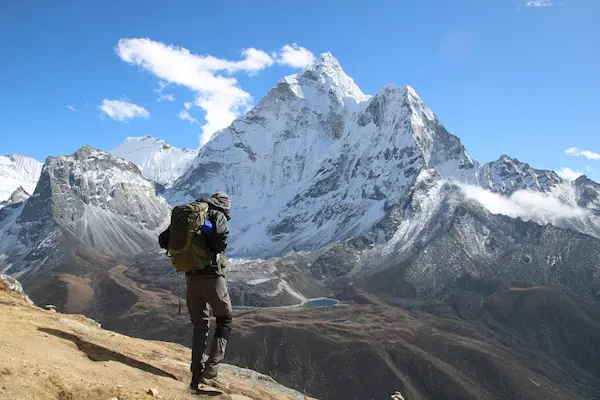
The hidden trails of the Andes are more than routes leading from one valley to another; they are pathways through time. Each step carries echoes of civilizations that measured distance not in kilometers but in rituals, trade, and reverence. The mountains themselves remain silent witnesses, rising as they have for millennia, indifferent to travelers yet generous to those who move with respect.
To engage in andes hikes away from familiar circuits is to discover that the Andes are not a single experience but a vast mosaic of climates, cultures, and stories. From cloud forests dripping with mist to deserts glowing under sunset light, from glacial lagoons to ancient terraces, the diversity defies simple description. And yet, it is not only the landscapes that make hiking the Andes unforgettable it is the encounter with meaning.
These paths ask for patience. They demand that hikers move slowly, not just because of altitude or terrain, but to truly notice: the texture of stone steps worn smooth by centuries, the distant hum of a mountain stream, the quiet presence of a condor circling against the sky. Here, hiking becomes an act of listening to nature, to history, and perhaps to oneself.
As modern explorers follow these ancient routes, the challenge is to see beyond the destination. The reward lies not in the summit, nor in the view captured by a camera, but in the realization that these trails are threads of continuity linking past and present, earth and spirit, journey and reflection.
To walk them is to honor the landscapes, the cultures, and the silences that define the Andes. And to return from them is to carry a piece of that timelessness an enduring reminder that the greatest trails are often the ones still waiting to be discovered.
