
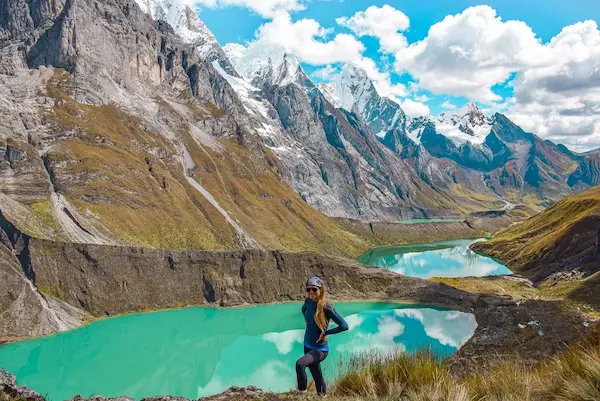
When travelers think of hiking in South America, Peru immediately comes to mind. Its landscapes, ancient history, and unique biodiversity make it one of the world’s most celebrated destinations for trekking. However, the fame of the Inca Trail has overshadowed many other equally impressive routes. While the classic trail to Machu Picchu is undeniably iconic, it is not the only path worth exploring. Peru hides dozens of trails that remain far from the spotlight. These lesser known treks in Peru lead to breathtaking landscapes, authentic communities, and a sense of discovery that mass tourism has not yet touched.
This article explores the richness of these hidden journeys in depth, explaining why they matter, what makes them unique, and how they expand the meaning of a trek in Peru. For travelers seeking genuine adventure, understanding these routes is essential.
You might also be interested in: The Mita System: Inca Obligation and Its Colonial Transformation
Why Look for Lesser Known Treks in Peru?
Escaping the Crowds
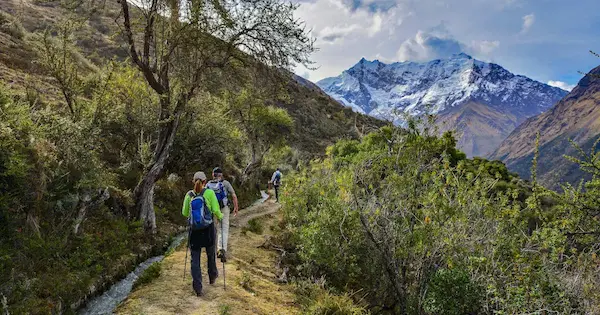
The Inca Trail is one of the most regulated hikes in the world. Permits are limited, demand is high, and the experience, while beautiful, is often crowded. Some people enjoy the energy of walking alongside others, but many seek solitude. For them, the lesser known treks in Peru provide the perfect answer. On these paths, hikers often walk for hours without encountering another tourist. The silence of the mountains and the open landscapes create a profound connection with nature.
Cultural Authenticity
Peru’s identity is built on cultural diversity. Many rural Andean communities continue to live as their ancestors did, farming terraces, weaving textiles, and herding llamas. Lesser known trails often pass directly through these villages. Interactions are not staged for tourists but genuine encounters. A child may greet hikers while tending sheep, or a woman may demonstrate weaving techniques. These small moments create cultural depth that few mainstream circuits can offer.
Sense of Discovery
Travelers often search for something new, something beyond what guidebooks recommend. The feeling of walking a path that few outsiders have taken carries a unique thrill. Exploring the lesser known treks in Peru means experiencing landscapes that feel uncharted and connecting with traditions that remain largely untouched by mass tourism.
The Geography That Shapes Treks in Peru
The Andes Backbone
The Andes dominate Peru’s geography. These towering peaks, often snowcapped, form the setting for most treks. Valleys cut through the mountains, rivers carve deep gorges, and glaciers feed turquoise lakes. Each trek reveals a different facet of this vast mountain chain.
Transition Zones
Peru’s diversity lies not only in altitude but also in transitions. The Pacific coast gives way to desert cliffs, the highlands stretch across altiplanos, and the Andes descend into the Amazon Basin. These transitions mean that treks in Peru can involve walking from icy passes into cloud forests or from dry canyons into fertile valleys.
Historical Routes
For centuries, trails connected communities and trading centers. The Qhapaq Ñan, or Inca road network, linked the empire from Ecuador to Chile. Many lesser known treks in Peru follow remnants of these ancient paths. Walking them means retracing history step by step.
You might also be interested in: Hidden Trails of the Andes: Ancient Routes, Timeless Landscapes
The Cultural and Spiritual Dimension of Trekking
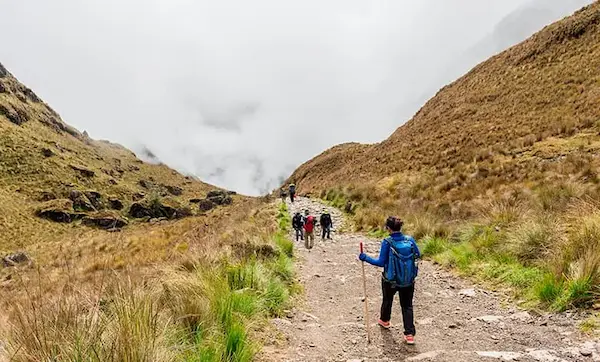
In the Andes, mountains are not just landscapes they are spiritual beings known as apus. Lakes and rivers are sacred, and many routes cross sites where rituals are still practiced. Hiking in Peru is therefore not simply physical activity but a cultural and spiritual experience. Travelers who approach with respect can witness the deep relationship between Andean communities and their environment.
Detailed Guide to the Best Lesser Known Treks in Peru
Choquequirao Trek: The Sister City of Machu Picchu
Choquequirao is often compared to Machu Picchu but is reached by a far more demanding trek. The route involves descending into the Apurímac Canyon one of the deepest in the Americas before climbing steeply to the ruins. Fewer than 50 people visit Choquequirao on a given day, compared to thousands at Machu Picchu.
The site itself is vast, with terraces, ceremonial plazas, and stone structures still hidden by jungle. For archaeologists, Choquequirao remains a frontier of discovery. For trekkers, it is one of the most rewarding lesser known treks in Peru.
Lares Trek: A Journey Through Living Culture
The Lares Valley trek is a cultural immersion. Instead of focusing on ruins, it brings hikers into daily life. Villages like Huacahuasi or Patacancha showcase textile traditions passed down for centuries. Hikers often camp near communities, sharing stories and meals.
The landscapes are equally stunning: high passes reveal sweeping views, while crystal-clear lakes mirror snowcapped peaks. Because itineraries are flexible, the Lares trek suits both short trips and longer expeditions. It is often described as the most human-centered trek in Peru.
Ausangate and Rainbow Mountain: The Sacred Circuit
The Ausangate trek circles one of the most revered peaks in Andean cosmology. It is a challenging route, with multiple passes above 5,000 meters. Along the way, hikers see herds of alpacas, turquoise glacial lakes, and sweeping valleys.
One highlight is Vinicunca, or Rainbow Mountain, whose mineral layers create colorful stripes across the slope. While this site is now popular for day trips, the full Ausangate trek remains remote and spiritual, one of the most powerful treks in Peru.
Salkantay Trek: From Glaciers to Jungle
Salkantay offers an alternative path to Machu Picchu. It begins with a dramatic ascent near the Salkantay glacier, crosses a high-altitude pass, and then descends into lush cloud forest. The contrast between snow and jungle within days makes this trek unforgettable.
Because it is less regulated than the Inca Trail, it allows more freedom in itineraries and group sizes. For those seeking diversity, Salkantay is among the best lesser known treks in Peru.
Vilcabamba Trail: Last Stronghold of the Incas
After the Spanish conquest, the Incas retreated to the Vilcabamba region, where they resisted for decades. The trek through this area leads to archaeological sites like Vitcos and Espíritu Pampa. Dense jungle, remote valleys, and historical resonance make this route deeply significant.
The Vilcabamba trail combines adventure with history, offering hikers the chance to walk through the final chapter of Inca resistance.
Colca Canyon: Descending into the Earth
Most visitors to Colca Canyon stop at viewpoints to see condors, but trekking into the canyon reveals another world. Descending steep trails, hikers reach small villages, natural hot springs, and agricultural terraces. Nights at canyon lodges or campsites are tranquil, with skies filled with stars.
As one of the deepest canyons in the world, Colca offers challenging climbs but also unforgettable views. For those wanting lesser known treks in Peru outside Cusco, this is a top choice.
Cordillera Blanca: Northern Gems
Centered around Huaraz, the Cordillera Blanca is home to Peru’s highest peaks. The Santa Cruz trek is the most famous, but even it remains less crowded than Cusco trails. The landscapes are dominated by glacial lakes, sheer cliffs, and jagged summits.
Hikers often remark on Alpamayo, considered one of the most beautiful mountains in the world. For mountain lovers, the Cordillera Blanca offers some of the best treks Peru can provide.
Cordillera Huayhuash: Remote and Legendary
South of the Blanca lies the Huayhuash range, famous for its remoteness. The circuit trek takes over a week, crossing high passes daily and encircling snowcapped peaks. Glacial lakes reflect mountains like Yerupajá, Peru’s second-highest.
Because of its difficulty and isolation, Huayhuash is less visited, but those who complete it often describe it as one of the finest alpine treks in the world. It is certainly among the greatest lesser known treks in Peru.
Other Hidden Gems
Beyond these, Peru offers dozens of lesser known options:
- Chachapoyas region: Trails lead to Kuelap, an ancient fortress, and Gocta Falls, one of the tallest waterfalls in the world.
- Jungle treks near Manu and Tambopata: Paths reveal wildlife diversity, from monkeys to macaws.
- Northern coast routes: Desert hikes near Trujillo and Chiclayo combine archaeology and unique ecosystems.
You might also be interested in: The ultimate off the beaten path adventure travel guide for 2025
Practical Information for Trekkers
Best Seasons
The dry season (May to September) is the most reliable for trekking. However, the shoulder months of April and October offer fewer crowds.
Difficulty Levels
Trails vary from moderate (Lares, Colca Canyon) to highly challenging (Ausangate, Huayhuash). Choosing the right trek in Peru depends on fitness, altitude tolerance, and time available.
Acclimatization
Spending time in Cusco or Huaraz before trekking is essential. Altitude sickness can affect anyone, regardless of fitness level.
Guides vs Independent Trekking
Some treks are possible independently, but hiring local guides ensures safety, provides cultural insight, and supports community economies.
Safety Considerations
Weather in the Andes can change rapidly. Proper equipment, awareness of altitude, and respect for local advice are key.
Environmental and Social Impac
Choosing lesser known treks in Peru helps reduce pressure on crowded routes like the Inca Trail. It also distributes economic benefits more evenly, supporting small communities. However, increased tourism must be balanced with environmental care: carrying waste out, respecting ecosystems, and following sustainable practices.
The Future of Trekking in Peru
Tourism is growing, but so is the need for sustainability. The lesser known treks in Peru are not just alternatives but vital paths toward responsible travel. They spread tourism beyond a single destination, foster cultural respect, and maintain the spirit of exploration.
Conclusion
Peru’s magic does not end at Machu Picchu. Its true richness lies in the countless trails that crisscross mountains, canyons, and forests. The lesser known treks in Peru are more than hidden adventures they are invitations to connect with landscapes and people in profound ways.
From Choquequirao’s ruins to Ausangate’s sacred peaks, from Colca Canyon’s depths to Huayhuash’s glaciers, these treks expand what it means to experience Peru. They remind us that the journey itself, walked step by step, is as valuable as any destination.
