
A well-planned Sacred Valley itinerary should reflect how much time you actually have, not simply how many attractions can be squeezed into one day. The valley is spread across several towns, archaeological sites and rural landscapes, so pacing changes the quality of the experience.
This Sacred Valley itinerary compares one-day and two-day approaches, explains what each allows you to see, and helps travelers decide whether a fast overview or a slower overnight stay is the better fit before continuing to Machu Picchu.
You might also be interested in: Lake Sandoval Peru: Wildlife, Canoe Trips and Travel Guide
How Many Days Do You Need in the Sacred Valley?
The answer depends on whether the Sacred Valley is a stop between Cusco and Machu Picchu or a destination you want to explore in its own right. A one-day Sacred Valley itinerary works for first-time visitors who want the main highlights, while two days give more room for smaller towns, slower meals and additional archaeological sites.
If your Peru schedule is tight, one full day can still be worthwhile. If you have the flexibility to stay overnight, the second day reduces time pressure and makes it easier to combine the valley with the train to Aguas Calientes.
Sacred Valley Itinerary in One Day
A one-day Sacred Valley itinerary should focus on a limited number of major stops rather than trying to cover every attraction. The most practical route usually connects Cusco with Pisaq, Urubamba and Ollantaytambo, although exact order depends on transport and the rest of your trip.
The advantage is efficiency. You can leave Cusco in the morning, experience important archaeological and cultural sites, and return the same evening or continue toward Ollantaytambo for a train connection.
Morning: Cusco to Pisaq
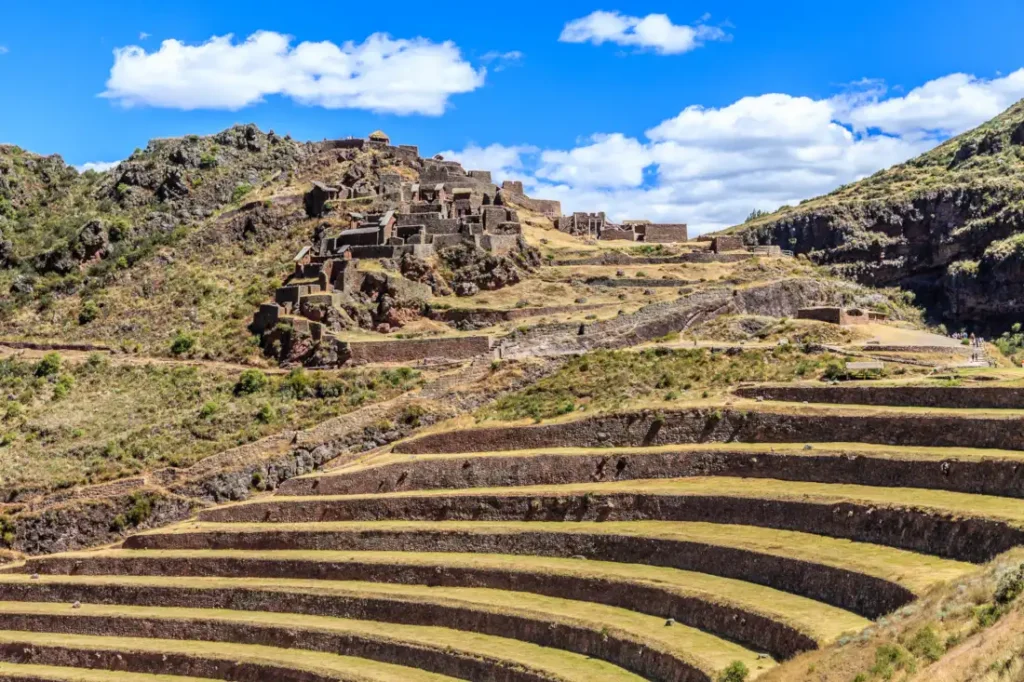
Pisaq is a strong first stop because it combines an archaeological complex with views across the valley. A good Sacred Valley itinerary allows enough time to understand the terraces and settlement instead of treating the site as a quick photo stop.
Midday: Urubamba
Urubamba is a natural place for lunch because of its central location. Using the middle of the day for a meal also prevents the schedule from becoming a continuous sequence of transfers and ruins.
Afternoon: Ollantaytambo
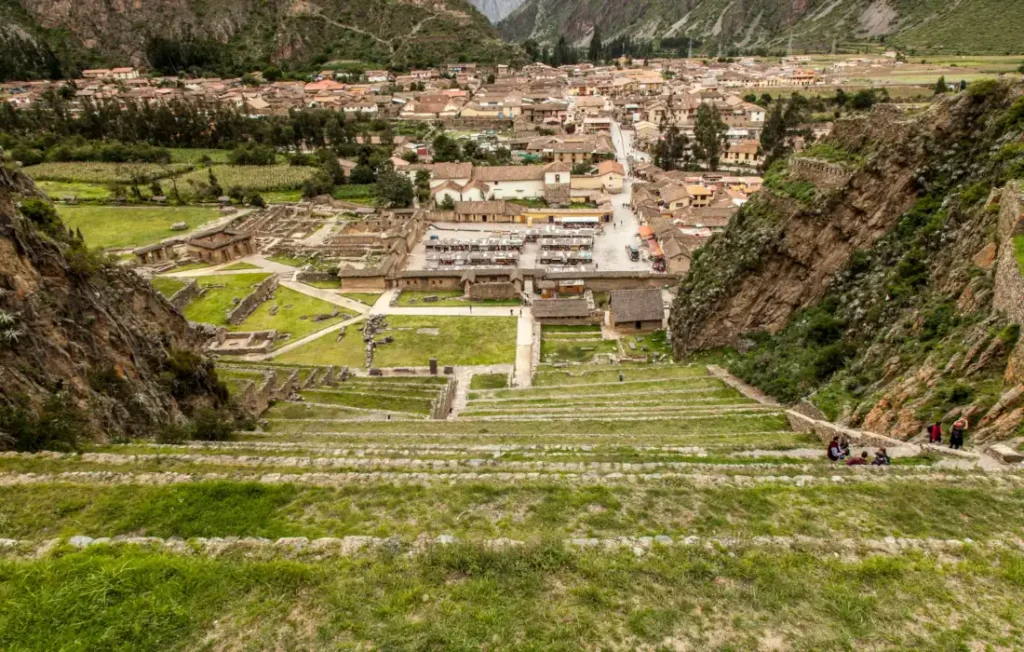
Ollantaytambo works especially well as the final major stop in a one-day Sacred Valley itinerary. The archaeological site, historic streets and railway connection make it useful both as a destination and as a gateway to Machu Picchu.
What You Miss on a One-Day Visit
The limitation of a one-day Sacred Valley itinerary is not that it is too short to be worthwhile. The problem is that every additional stop reduces the time available at the places already included.
Maras, Moray, Chinchero, local workshops, short hikes and smaller communities are harder to integrate without creating a rushed day. A schedule that lists six or seven attractions may look impressive on paper but can leave travelers spending more time entering and leaving vehicles than exploring.
Pro Tip: If you only have one day, prioritize three strong experiences rather than trying to collect every famous name in the valley.
Sacred Valley Itinerary in Two Days
A two-day Sacred Valley itinerary changes the rhythm significantly. Instead of treating the valley as a long day trip from Cusco, you can stay overnight and divide the main sites into more logical geographic groups.
This approach is particularly useful if Machu Picchu comes next. Spending the night in Ollantaytambo or another valley town can reduce backtracking and create a smoother transition to the train.
Day 1: Pisaq, Urubamba and Ollantaytambo
The first day can follow the classic valley corridor. Start with Pisaq, continue through Urubamba for lunch and finish in Ollantaytambo. This version of the Sacred Valley itinerary gives each stop more breathing room because you do not need to return to Cusco that night.
Staying in the valley also lets you experience the towns after many day visitors have left, which can make the evening feel noticeably calmer.
Day 2: Maras, Moray and Chinchero
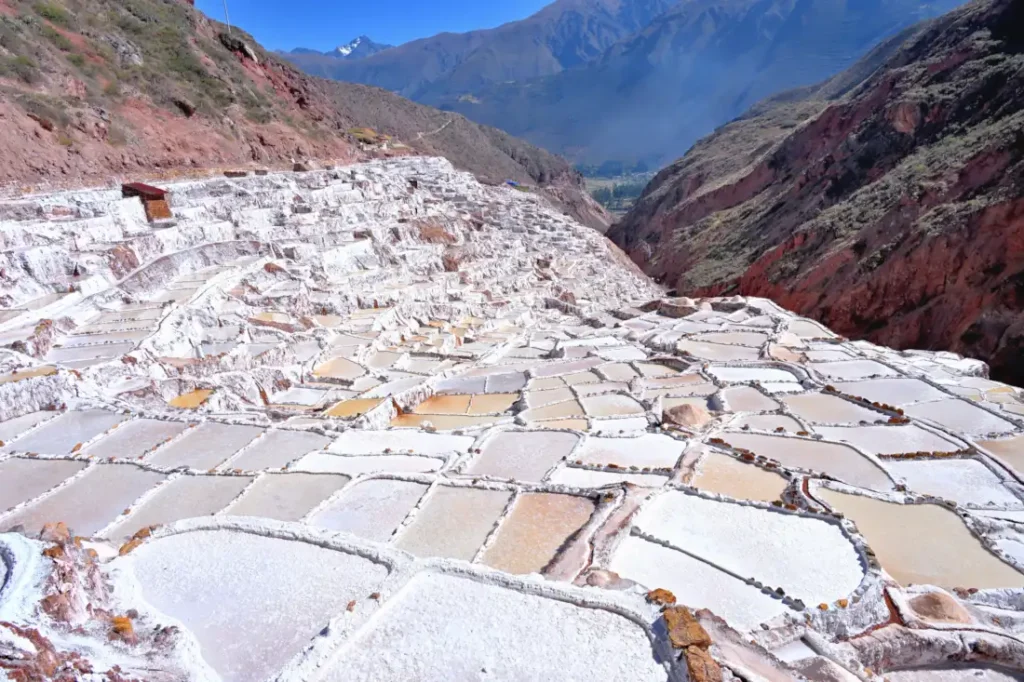
The second day can focus on the western side of the valley. Moray is known for circular agricultural terraces, Maras for its salt ponds, and Chinchero for weaving traditions and highland scenery.
This arrangement makes the Sacred Valley itinerary more coherent because the day is organized around a different group of sites instead of repeating the same corridor.
One Day vs Two Days: Which Is Better?
The best Sacred Valley itinerary depends more on travel style than on a universal recommendation.
- Choose one day if your itinerary is tight. You can still visit major sites and understand the valley’s importance without adding another hotel night.
- Choose two days if you dislike rushed sightseeing. The second day creates space for Maras, Moray or Chinchero and makes meals and transfers feel less compressed.
- Choose two days if Machu Picchu comes next. Staying in Ollantaytambo can work efficiently with a following-day train and avoids unnecessary backtracking to Cusco.
- Choose one day if the Sacred Valley is secondary to trekking or other regions. A focused day is often better than taking time away from a priority experience elsewhere in Peru.
Where Should You Stay Overnight?
Accommodation choice can improve a two-day Sacred Valley itinerary. Ollantaytambo is practical for travelers continuing to Machu Picchu because of its railway station and compact historic center.
Urubamba is useful for travelers who prefer a central location and a wider range of countryside hotels, while smaller properties across the valley can suit visitors looking for quiet surroundings.
Choose the overnight base according to the next morning’s plan. A beautiful hotel that forces a long transfer before an early train may not be the most practical option.
Should You Stay in Cusco or the Sacred Valley?
Travelers researching how many days in Sacred Valley often ask whether they should sleep in Cusco instead. The answer depends on where your next activities take place.
Cusco is better for city sightseeing, restaurants and nightlife. A valley stay is more useful when your Sacred Valley itinerary includes early archaeological visits, rural experiences or onward travel to Machu Picchu.
The valley also sits at a lower elevation than central Cusco, which some travelers find more comfortable during the first days of a high-altitude trip. Individual reactions vary, so this should not replace normal acclimatization planning.
How to Combine the Sacred Valley with Machu Picchu
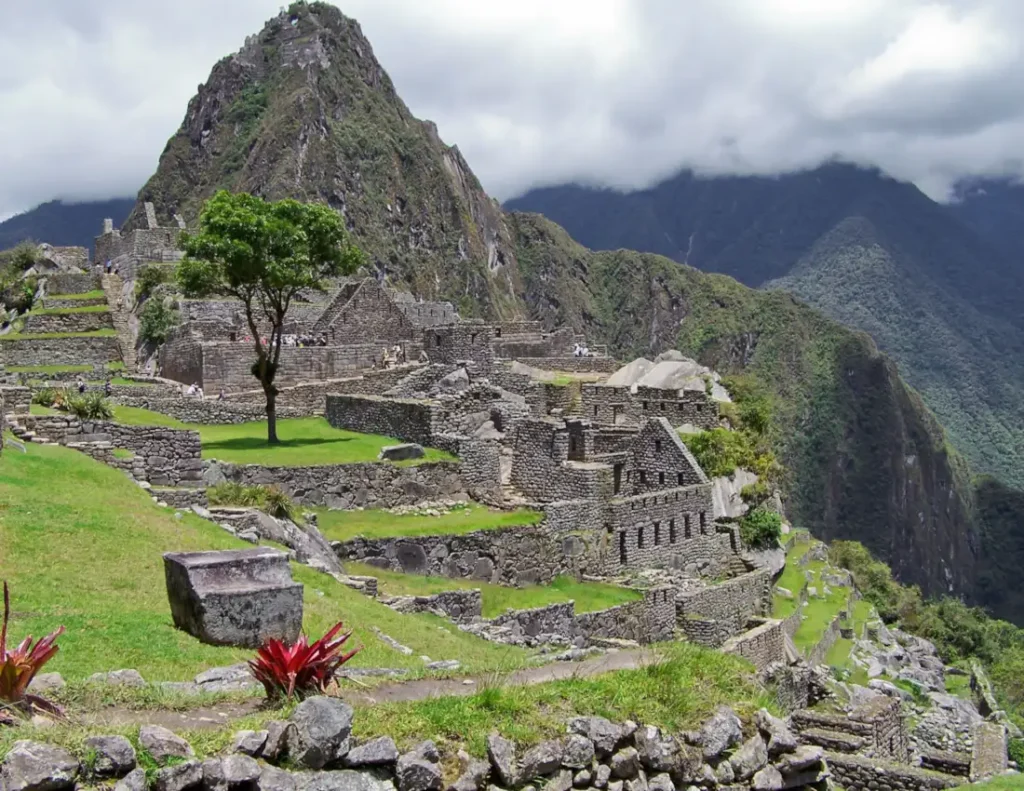
A Sacred Valley itinerary becomes especially efficient when it is designed around the train connection to Machu Picchu. Instead of returning to Cusco after visiting Ollantaytambo, travelers can stay in the valley and continue toward Aguas Calientes.
Travelers who want both destinations in one coordinated route can explore Climb Sunday’s Sacred Valley and Machu Picchu 2-day tour.
For independent planning, coordinate the Sacred Valley itinerary with train and Machu Picchu entry times before fixing hotel nights.
Can You Add Maras and Moray to a One-Day Trip?
It is possible, but adding Maras and Moray to a one-day Sacred Valley itinerary usually means removing or shortening another major stop. Geography matters, and the valley is larger than it appears on a map.
If Maras and Moray are high priorities, consider building the day around them rather than forcing Pisaq and Ollantaytambo into the same schedule. Another option is to reserve them for a second day.
How Much Time Should You Spend at Each Stop?
A useful Sacred Valley itinerary allows time not only for archaeological sites but also for walking, meals and transport delays. Avoid plans that assume every stop can be completed in 30 minutes.
Large sites such as Pisaq and Ollantaytambo deserve enough time to climb, observe the landscape and understand the architecture. Markets or workshops may be shorter, but they should still feel intentional rather than like filler between bigger attractions.
Best Order for a Sacred Valley Day Trip
The route direction of your Sacred Valley itinerary should depend on where you sleep that night. If you are returning to Cusco, a loop-style route can work. If you are continuing to Machu Picchu, finishing near Ollantaytambo is usually more logical.
Simple planning flow: Where are you sleeping? ➔ Which major sites matter most? ➔ Train or return to Cusco? ➔ Choose the order of stops.
This is more useful than copying an itinerary designed for a traveler with different hotel reservations or transport needs.
What to Pack for the Sacred Valley
Your Sacred Valley itinerary may include sun, wind, cool mornings and short periods of rain, so flexible clothing is more useful than dressing for one forecast.
- Layers: Mornings and evenings can feel much cooler than midday, especially if you stay overnight in the valley.
- Comfortable walking shoes: Archaeological sites include uneven stone, stairs and slopes, making secure footwear important even without a formal hike.
- Sun protection: Bring sunglasses, sunscreen and a hat because exposure can be strong at altitude.
- Rain protection: A light waterproof layer is useful during wetter periods and easy to carry in a daypack.
- Water and a small daypack: Keep essentials accessible without carrying a large suitcase through archaeological sites.
Common Planning Mistakes
The biggest mistake with a Sacred Valley itinerary is measuring quality by the number of stops. More attractions do not automatically mean a better day.
Another common problem is ignoring the next destination. Returning to Cusco after Ollantaytambo only to travel back toward the valley the next morning creates unnecessary transport.
Finally, do not leave Machu Picchu train and entry logistics until after the valley schedule is fixed. Those reservations can determine where it makes sense to sleep.
Frequently Asked Questions
Is one day enough for the Sacred Valley?
Yes. A focused one-day Sacred Valley itinerary can cover major highlights such as Pisaq and Ollantaytambo. The key is accepting that you will not see every secondary site.
Are two days worth it?
Two days are worthwhile for travelers who want Maras, Moray, Chinchero or a slower pace. It also makes combining the valley with Machu Picchu easier.
How many days should you spend in the Sacred Valley?
Most first-time visitors can choose between one and two days. One day provides a strong overview, while a two-day Sacred Valley itinerary offers more depth and less rushed transportation.
Is it better to stay in Cusco or the Sacred Valley?
Stay in Cusco when city activities are your priority. Stay in the valley when you want early access to nearby attractions or plan to continue to Machu Picchu from Ollantaytambo.
Can you visit the Sacred Valley and Machu Picchu in two days?
Yes, if transportation and entry times are coordinated carefully. A common structure uses the first day for the valley and the second for Machu Picchu.
Build the Itinerary Around Your Priorities
The right Sacred Valley itinerary is not the one with the longest list of stops. It is the one that gives your priority sites enough time while keeping the route efficient.
Choose one day for a focused overview and two days for a slower experience with more geographic variety. Whichever option you choose, connect the Sacred Valley itinerary with your Machu Picchu transport and hotel plans before making final reservations.
