
Traveling from Cusco to Machu Picchu is one of the most important planning decisions in a Peru itinerary because there is no single direct road that takes visitors from the city to the archaeological sanctuary. Most travelers combine road transport, train travel and a final shuttle bus, while others choose a multi-day trek that finishes near Machu Picchu.
This guide explains the main Cusco to Machu Picchu routes, how long each option takes, who each route suits best and what you should organize before leaving Cusco. The goal is to help you choose a route based on time, comfort, budget and travel style rather than simply booking the first option you find.
You might also be interested in: Ruins of Sacsayhuaman: History, Stones and Travel Tips
How to Get from Cusco to Machu Picchu
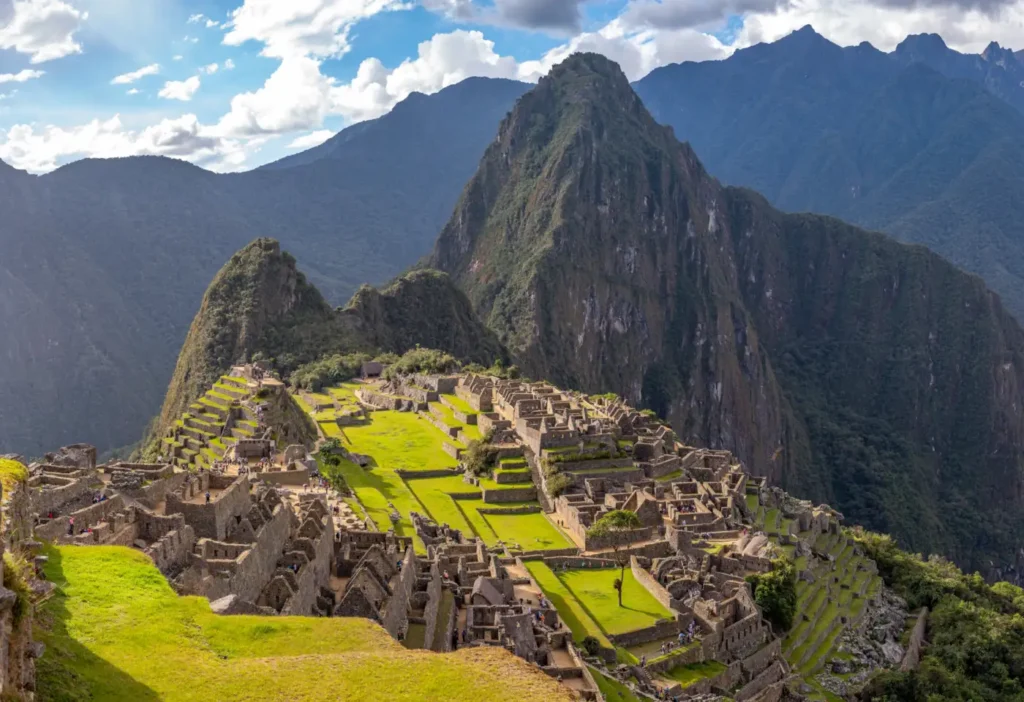
For most visitors, the journey from Cusco to Machu Picchu has three stages: travel from Cusco toward a railway station, continue by train to Aguas Calientes, and take the shuttle bus or walk uphill to the Machu Picchu entrance. Aguas Calientes, also called Machu Picchu Pueblo, is the main gateway to the archaeological site.
The most common alternatives are the train route, the lower-cost road route through Hidroeléctrica, or a trek such as the Inca Trail or Salkantay. Each changes the experience significantly, so understanding the differences before booking is essential.
Cusco to Machu Picchu by Train
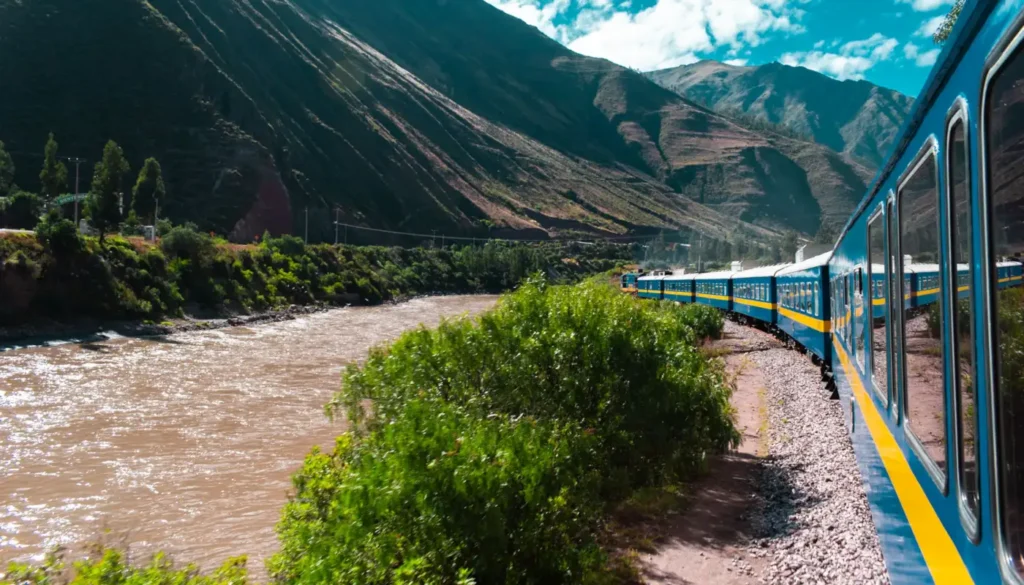
The train is the easiest option for most travelers going from Cusco to Machu Picchu. Depending on the season and service, passengers may depart from stations closer to Cusco or use a bimodal service that combines a road transfer with a train departing from Ollantaytambo.
A typical train from Cusco to Machu Picchu route therefore does not always mean sitting on the same train from central Cusco all the way to Aguas Calientes. In many itineraries, the first segment is completed by vehicle before boarding the train in the Sacred Valley.
Why Ollantaytambo Is Important
Ollantaytambo is one of the principal railway gateways for the Cusco to Machu Picchu journey. It is located in the Sacred Valley and works particularly well for travelers who want to combine Pisaq, Urubamba or Ollantaytambo with an overnight stay before continuing to Machu Picchu.
Staying in Ollantaytambo can make the itinerary less rushed because you avoid returning to Cusco before continuing toward Aguas Calientes.
What the Train Experience Is Like
The railway follows the valley toward increasingly humid landscapes. Services range from standard tourist trains to panoramic and luxury options, mainly differing in comfort, windows, food and onboard service.
If you are planning a Cusco to Machu Picchu train journey, choose the schedule first and the train category second. Your Machu Picchu entry time, railway arrival and shuttle transfer should work together as one itinerary.
Pro Tip: A more expensive train does not automatically create more time inside Machu Picchu. The most important factor is how well your train, bus and entrance schedules connect.
Can You Visit Machu Picchu as a Day Trip from Cusco?
Yes. A Cusco to Machu Picchu day trip is possible and is one of the most common choices for travelers with limited time. It normally requires an early departure, coordinated train tickets, round-trip shuttle transportation and a scheduled Machu Picchu entrance.
Climb Sunday offers a full-day Machu Picchu tour from Cusco by train that combines hotel pickup, round-trip train travel, bus tickets, Machu Picchu admission and a bilingual guide. This format reduces the number of separate reservations a traveler needs to coordinate.
The main tradeoff is pace. Completing Cusco to Machu Picchu in one day means much of the day is spent in transit. It works well for travelers with tight schedules, but staying overnight in Aguas Calientes or combining the Sacred Valley with Machu Picchu can create a more relaxed experience.
Should You Stay Overnight in Aguas Calientes?
An overnight stay changes the Cusco to Machu Picchu experience from a long day trip into a two-stage journey. You travel to Aguas Calientes on the first day, sleep near the sanctuary and visit Machu Picchu the following day.
This option reduces early-morning pressure and works especially well when Machu Picchu is combined with the Sacred Valley. Climb Sunday’s Sacred Valley and Machu Picchu 2-day tour visits key valley sites before continuing by train to Aguas Calientes.
Travelers deciding between a one-day and overnight itinerary should consider energy levels as much as total vacation time. A slower route may improve the experience even when the archaeological visit itself is similar.
Cusco to Machu Picchu via Hidroeléctrica
A road journey via Hidroeléctrica is often considered by budget-focused travelers. Instead of taking the main tourist railway route, travelers make a long overland journey from Cusco toward the Santa Teresa and Hidroeléctrica area, then continue toward Aguas Calientes.
This route takes considerably longer than the standard train approach and involves more road travel. The final section is commonly completed on foot along the railway corridor, subject to current access rules and local conditions.
The attraction is usually cost rather than convenience. It may suit flexible backpackers, while travelers with limited time or heavy luggage often find the train easier.
Pro Tip: Do not choose the Hidroeléctrica route only because it appears cheaper. Compare total travel time, overnight accommodation, luggage logistics and physical effort before deciding.
Cusco to Machu Picchu by Trek
For travelers who see the journey as part of the destination, trekking transforms the trip into a multi-day experience. The two best-known choices are the Inca Trail and Salkantay Trek, although their landscapes, logistics and entry experience differ.
Inca Trail
The Inca Trail combines mountain scenery with archaeological sites and sections of the historic Inca road network. Permits are limited, so planning well ahead is important. Climb Sunday offers both multi-day options and a 2-day Inca Trail to Machu Picchu for travelers who want a shorter trekking experience.
For many hikers, the route itself is culturally significant, unlike a Cusco to Machu Picchu train journey where transportation mainly serves to reach the destination.
Salkantay Trek
Salkantay offers a more landscape-focused approach, crossing high mountain terrain before descending toward warmer valleys. It generally involves greater altitude exposure and is suited to travelers who want a physically demanding adventure before reaching Machu Picchu.
Travelers comparing these options should consider fitness, available days, permit availability and preferred scenery. A dedicated comparison of Salkantay Trek vs Inca Trail is useful because neither route is universally better; they serve different hiking priorities.
Cusco to Machu Picchu Distance and Travel Time
The Cusco to Machu Picchu distance is roughly 75 kilometers in a straight line, but that number can be misleading because geography prevents a simple direct drive. Mountains, valleys, railway infrastructure and the protected location of Machu Picchu determine the actual travel route.
For most train itineraries, reaching Aguas Calientes requires several hours when road transfers and rail travel are combined. The final shuttle from Aguas Calientes adds another segment before reaching the entrance.
Travelers should therefore think in terms of the complete travel chain, not distance alone. Train-based itineraries are usually fastest, while trekking routes take several days by design.
Which Route Is Best for Your Travel Style?
The best route depends on what you want from the journey. Comfort, scenery, price and available time can point toward very different choices.
- Choose the train if convenience is your priority. It suits first-time visitors, families, older travelers and anyone working with a fixed itinerary. It also offers several service levels without changing the basic route to Aguas Calientes.
- Choose a day tour if your Peru itinerary is short. A coordinated full-day trip reduces planning and makes it possible to visit Machu Picchu without changing hotels, although the day will be long.
- Choose an overnight itinerary if you prefer a slower pace. Staying in Aguas Calientes separates transportation from the archaeological visit and combines naturally with the Sacred Valley.
- Choose Hidroeléctrica if budget and flexibility matter most. The route requires more time and effort but can appeal to independent travelers comfortable with long overland transfers.
- Choose a trek if the journey itself is a major goal. Inca Trail and Salkantay itineraries add mountain landscapes, physical challenge and several days of travel before Machu Picchu.
How to Plan Tickets in the Right Order
A successful itinerary depends on coordinating several bookings. Buying each component independently without considering the others can create long waits or impossible connections.
- Start with Machu Picchu availability. Your entrance date, circuit and time determine the rest of the itinerary. Popular periods can sell out, so confirm access before building transportation around an unavailable entry slot.
- Choose whether you will visit in one day or stay overnight. This determines which train schedules are practical and whether you need accommodation in Aguas Calientes.
- Reserve your train or trekking program. Match arrival times with your entry rather than choosing solely by price. If you are trekking, confirm permits and the exact Machu Picchu access included.
- Coordinate the final shuttle and transfers. Remember that arriving in Aguas Calientes does not mean you have arrived at the archaeological entrance.
Common Mistakes When Traveling from Cusco to Machu Picchu
The most common planning mistakes usually come from treating transportation and entrance tickets as separate decisions.
- Booking the train before checking Machu Picchu entry. A perfect train schedule is useless if the desired circuit or entry time is unavailable.
- Assuming every train leaves from central Cusco. Departure points vary, and many services involve a road connection to Ollantaytambo.
- Ignoring transfer time. Build realistic margins between road transport, trains, Aguas Calientes and your scheduled entry.
- Trying to do too much in one day. A day trip works, but adding several Sacred Valley attractions to the same schedule can turn the itinerary into a race.
Frequently Asked Questions
How do you get from Cusco to Machu Picchu?
The easiest Cusco to Machu Picchu route combines road transport to a railway station, a train to Aguas Calientes and a shuttle bus to the sanctuary. Travelers can also use the Hidroeléctrica route or complete a multi-day trek.
How long is the train from Cusco to Machu Picchu?
The answer depends on the departure station and whether your service includes a road segment. Many travelers first travel from Cusco to Ollantaytambo and then take the train to Aguas Calientes, so total journey time is longer than the rail segment alone.
Can Machu Picchu be visited from Cusco in one day?
Yes. A carefully coordinated Cusco to Machu Picchu day trip can include hotel transfers, train travel, buses and a guided visit before returning to Cusco. Expect an early start and a full travel day.
Is there a direct bus from Cusco to Machu Picchu?
No regular road takes buses directly to the Machu Picchu archaeological entrance from Cusco. Road-based alternatives travel toward Hidroeléctrica, while the standard tourist route uses a combination of road transfer, train and the local shuttle from Aguas Calientes.
Is it better to stay in Aguas Calientes?
Staying overnight is useful if you prefer a less rushed schedule or want to combine the Sacred Valley with Machu Picchu. Travelers prioritizing efficiency can instead complete the journey in a single day.
Choose the Route That Matches Your Peru Trip
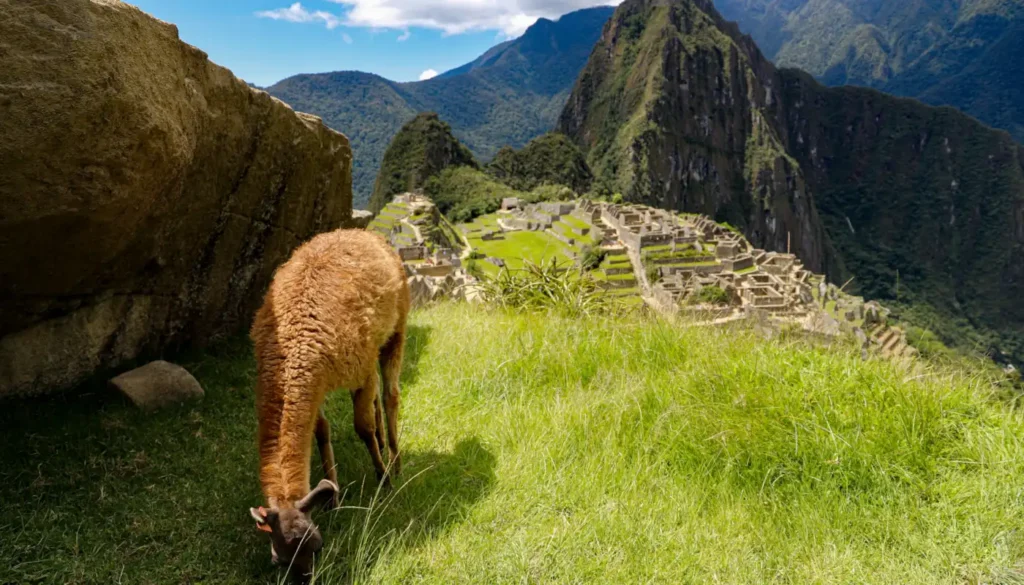
There is no single best way to travel from Cusco to Machu Picchu. The train is the simplest solution for most visitors, an overnight stay creates a more relaxed itinerary, Hidroeléctrica favors budget flexibility, and trekking routes turn the journey into an adventure of its own.
The best decision comes from coordinating transportation with Machu Picchu availability, your physical condition and the amount of time you can dedicate to the region. With those pieces aligned, the Cusco to Machu Picchu journey becomes part of the experience rather than a logistical obstacle.
