
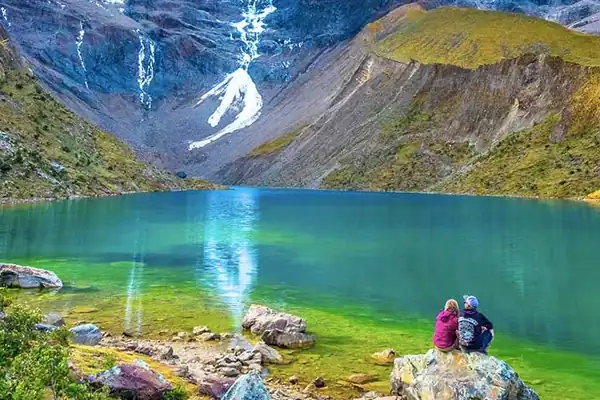
The lakes in Peru captivate travelers with their stunning diversity and deep cultural meaning. From the snow-capped Andes to the lush Amazon basin, each lake tells a unique story shaped by nature and tradition. These waters are not only breathtaking in their beauty but also vital to the communities and wildlife that depend on them.
Whether you’re drawn by the mystic legends surrounding Lake Titicaca, the turquoise serenity of Humantay Lake, or the untouched calm of Sandoval Lake, exploring these landscapes is an unforgettable way to experience Peru’s spirit. Visiting the lakes in Peru invites you to slow down, connect with nature, and see the country from a more soulful perspective.
You might also be interested in: Top 20 animals of Peru that should know
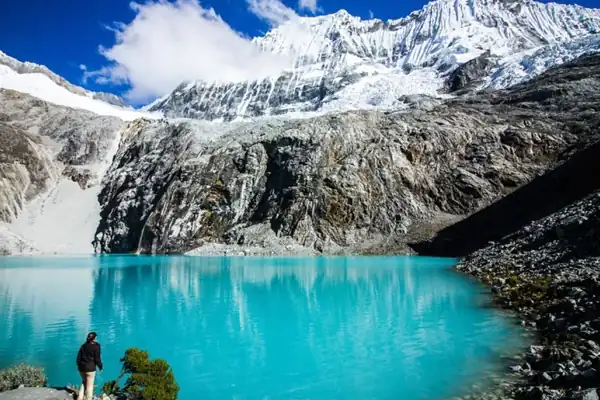
Why Peru’s lakes are so unique
Peru’s lakes hold a special place among the country’s most beautiful natural wonders. Spread across the Andes and the highlands, they offer a fascinating mix of colors, altitudes, and ecosystems that make each destination truly one of a kind. Visitors can find everything from deep blue lagoons surrounded by snow-capped mountains to hidden lakes in tropical valleys. These waters are not only visually stunning but also play a vital role in the country’s ecology and cultural identity.
What makes these lakes in Peru even more special is how they connect nature, tradition, and spirituality. Many of them are considered sacred by local communities, who view them as living beings that provide balance and harmony. Exploring them is not just about seeing impressive landscapes but also about understanding a deeper connection between humans and the environment.
A natural treasure across diverse landscapes
From the majestic Lake Titicaca to the remote turquoise lagoons of the Andes, Peru’s lakes are scattered through regions of extraordinary diversity. In the southern highlands, Lake Titicaca shines as the world’s highest navigable lake, home to the Uros floating islands and ancient Inca legends. Meanwhile, the northern and central regions hide lesser-known gems like Lake Parón and Lake Llanganuco, surrounded by peaks that reflect perfectly on their glassy surfaces.
Each region reveals a different side of Peru’s geography and culture. The lakes not only support wildlife but also influence local livelihoods, as many communities depend on fishing, tourism, and agriculture sustained by their waters. Their presence shapes traditions, cuisine, and even festivals, showing how deeply nature and culture are intertwined in Peru.
Exploring these natural treasures gives travelers a chance to appreciate Peru’s immense biodiversity. Whether trekking around a glacier-fed lagoon or relaxing near a peaceful highland lake, every journey reveals the country’s stunning ecological balance and its people’s enduring respect for nature.
Spiritual and cultural value for local communities
For many Andean and Amazonian communities, lakes are not just scenic places but sacred spaces filled with meaning. They are often associated with creation myths and protective spirits that watch over the land. Local rituals, such as offerings or prayers, are still practiced to honor these waters and seek blessings for health, fertility, and good harvests.
This spiritual connection is deeply rooted in Peru’s ancestral traditions. Long before the Inca Empire, indigenous cultures believed that the lakes were entrances to other realms or homes of divine beings. Today, those beliefs remain alive, blending ancient customs with modern life and giving visitors a chance to witness living traditions.
Experiencing these places through a respectful lens offers insight into how people maintain harmony with their surroundings. It reminds travelers that lakes in Peru are more than picturesque destinations, they are vital to the country’s identity, carrying centuries of stories, beliefs, and gratitude toward nature.
You might also be interested in: Mountains of Peru: Top 10 Trails and Experiences
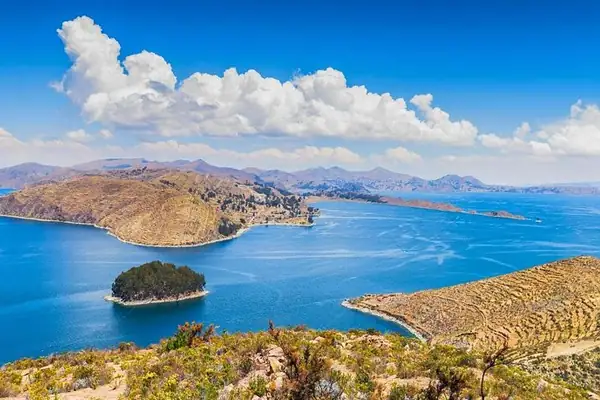
The most stunning lakes in Peru
Exploring a lake in Peru is one of the most enriching experiences for any traveler seeking nature, culture, and peace in one place. These lakes are spread across the country, from the high Andes to the dense Amazon basin, each with its own history, landscape, and local traditions. Whether you are drawn by snow-capped reflections or lush jungle shores, each lake in Peru tells a story about the deep connection between people and their environment.
Visiting these lakes allows travelers to witness the country’s extraordinary biodiversity and cultural heritage. Each lake in Peru has something unique to offer, from sacred legends and colorful festivals to breathtaking mountain views. Together, they form a mosaic of natural wonders that define Peru as a destination unlike any other in South America.
1. Lake Titicaca – The highest navigable lake in the world
Lake Titicaca is perhaps the most famous lakes in Peru, located at an altitude of over 3,800 meters on the border with Bolivia. Its vast expanse of deep blue water makes it not only the highest navigable lake in the world but also one of the most culturally significant places in the Andes. The views are mesmerizing, with the lake’s surface reflecting the endless sky and distant mountains.
The floating islands of the Uros people are a highlight of Lake Titicaca. Built entirely of totora reeds, these islands show the creativity and resilience of the local communities who have lived here for centuries. Visiting them offers insight into a way of life that continues in harmony with nature.
More than a destination, Lake Titicaca is considered the spiritual heart of the Andes. According to legend, it is where the Inca civilization was born. Standing by its shores, travelers can feel that ancient energy that still flows through the water and the people who call it home.
2. Humantay Lake – A turquoise gem in the Andes
Humantay Lake is one of the most breathtaking examples of a high-altitude lakes in Peru. Hidden between snow-covered peaks and located at more than 4,200 meters above sea level, it glows with a turquoise color that seems to shift with every movement of the sun. The contrast between the lake’s vibrant water and the white glaciers makes this spot truly unforgettable.
The hike to reach Humantay is both challenging and rewarding. Starting from Soraypampa, travelers walk through stunning Andean landscapes filled with native plants and mountain vistas. Upon arrival, the sight of the lake takes your breath away, rewarding every effort made on the trail.
For local Quechua communities, Humantay is a sacred place where offerings are made to Pachamama, or Mother Earth. It’s a moment of connection between nature and spirituality that gives deeper meaning to every visit to this incredible lakes in Peru.
Lake 69 – A hiker’s paradise in Huascarán National Park
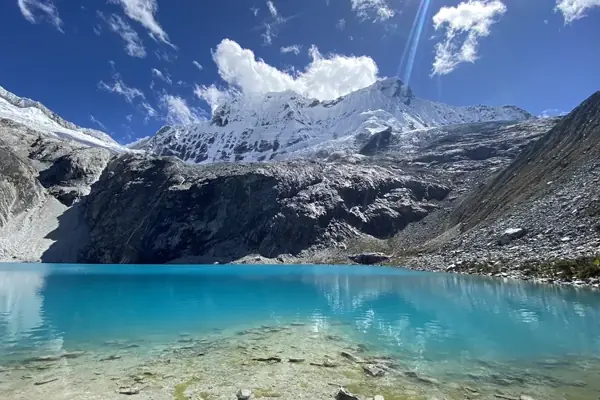
Among the most famous hiking destinations in South America, Lake 69 stands out as one of the most spectacular lakes in Peru. Located inside Huascarán National Park, this glacial lake shines with a bright turquoise hue surrounded by sharp white peaks. It sits at nearly 4,600 meters, offering an unforgettable view for those who make the journey.
The trail to Lake 69 begins in Cebollapampa and takes hikers through valleys, waterfalls, and rocky landscapes. Though demanding, the trek provides one of the most rewarding experiences in the Andes. Each turn reveals a new perspective of the Cordillera Blanca, one of the most beautiful mountain ranges in the world.
Reaching the lake feels like stepping into a hidden paradise. The sound of melting ice, the crisp mountain air, and the still water create a moment of silence that connects visitors with the powerful beauty of this lakes in Peru.
4. Parón Lake – Mirror of the Andes peaks
Parón Lake is the largest lakes in Peru and one of its most impressive. Located in the Cordillera Blanca near the town of Caraz, it is surrounded by majestic snow-capped mountains, including the famous Artesonraju peak. The lake’s crystal-clear water reflects these peaks so perfectly that it feels like looking into a mirror of the Andes.
The road to Parón Lake is an adventure on its own, passing through rugged terrain and mountain valleys. Once there, visitors can walk along the shore, rent small boats, or hike to a nearby viewpoint for panoramic photos. The beauty and serenity of the place make it a must-see for travelers exploring northern Peru.
Parón Lake is more than a scenic stop—it’s a reminder of the delicate balance between natural beauty and preservation. As one of the most photographed lakes in Peru, it captures the grandeur of the Andes and the sense of peace that comes with untouched nature.
You might also be interested in: Lesser Known Treks in Peru: Hidden Trails Beyond Machu Picchu
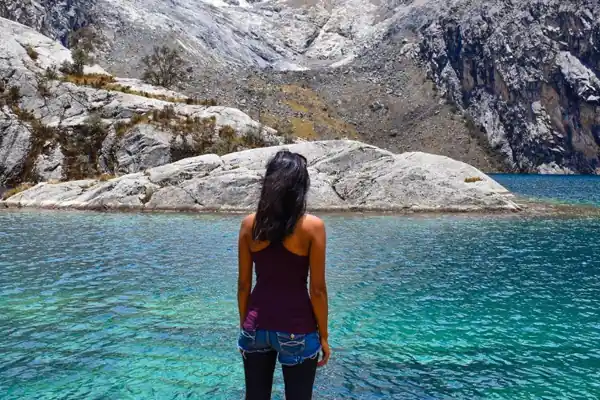
5. Laguna Churup – The hidden treasure of Huaraz
Laguna Churup, located just a few hours from Huaraz, is a lesser-known but equally stunning lakes in Peru. Its deep blue waters sit at over 4,400 meters above sea level, framed by rocky cliffs and alpine vegetation. Though smaller than other lakes, it offers an atmosphere of calm and intimacy rarely found in more touristy spots.
The hike to reach the lagoon is steep but rewarding, leading through rocky paths and small waterfalls. Once at the top, the reflection of the surrounding mountains on the lake’s surface is simply spectacular. It’s a place that invites you to slow down and absorb the silence of the high Andes.
Laguna Churup embodies the quiet magic that defines many lakes in Peru. It’s perfect for travelers seeking solitude, photography, or a deep connection with nature far from the crowds.
6. Sandoval Lake – The heart of the Amazon rainforest
Located near Puerto Maldonado, Sandoval Lake is one of the most biodiverse lakes in Peru. It lies deep within the Tambopata National Reserve, surrounded by thick jungle where wildlife thrives. Unlike high-altitude lakes, Sandoval is warm, peaceful, and alive with the sounds of the Amazon.
Visitors can reach it after a short boat ride and a hike through the rainforest. Along the way, you can spot monkeys, macaws, and exotic plants that make this journey an adventure in itself. Once you arrive, the calm water reflects the green canopy, creating a view that feels almost unreal.
This lake in Peru is also home to giant river otters and black caimans. Watching the sunrise or sunset over Sandoval’s golden surface is one of the most magical moments the Amazon can offer, a true encounter with nature in its purest form.
7. Pomacochas Lake – A peaceful escape in the Amazonas region
Pomacochas Lake, located in northern Peru’s Amazonas region, is a calm and enchanting lakes in Peru surrounded by rolling hills and traditional villages. Its clear waters reflect the sky and nearby forests, making it an ideal destination for relaxation and birdwatching.
This region is known for hosting the marvellous spatuletail hummingbird, one of the rarest and most beautiful birds in the world. Visitors can enjoy quiet mornings by the water, watching mist rise as sunlight gently illuminates the landscape.
Pomacochas Lake also holds deep cultural significance for the local communities. Its legends and traditions reflect the harmony between people and nature that defines much of Peru’s identity. For travelers, it’s a place to slow down and connect with the peaceful rhythm of everyday life.
8. Junín Lake – Home of endemic wildlife
Junín Lake is the second-largest lake in Peru and one of its most important ecological reserves. Located in the central Andes, it supports a diverse range of plant and animal species, including the endangered Junín grebe and Andean coot.
The wetlands surrounding the lake are a paradise for birdwatchers. Visitors can explore by boat or walk along the reed-lined shores, spotting native and migratory species. The calm, reflective water and the vast Andean sky create a sense of open space and serenity.
Life around Junín Lake revolves around nature and tradition. Local families depend on fishing and handicrafts made from totora reeds, maintaining a sustainable relationship with their environment. This lake in Peru shows how biodiversity and culture can coexist in perfect balance.
9. Querococha Lake – Scenic beauty on the way to Chavín
Querococha Lake lies along the route to Chavín de Huántar, one of Peru’s most iconic archaeological sites. This scenic lakes in Peru sits at about 3,900 meters above sea level, offering breathtaking views of the surrounding meadows and snowy mountains.
Many travelers stop here to rest and take photos before continuing to Chavín. The lake’s mirror-like surface and calm atmosphere make it a perfect spot to appreciate the natural beauty of the highlands.
Querococha connects natural wonder with cultural discovery. Its proximity to ancient sites reminds visitors that every lake in Peru holds a story—one written by both nature and human history.
10. Arapa Lake – The quiet neighbor of Titicaca
Arapa Lake, just north of Lake Titicaca, is a peaceful lake in Peru that offers travelers an authentic look at local life in the highlands. Though smaller and less visited, its clear waters and wide open landscapes are equally captivating.
The surrounding communities still practice traditional fishing and farming, living in harmony with the land. Visitors can take short boat rides or simply enjoy the stillness of the place, where sunsets paint the sky with golden reflections.
Arapa Lake is the perfect ending to a journey through Peru’s lakes. It represents the quiet beauty and simplicity that make each lake in Peru a timeless destination for travelers seeking authenticity, peace, and natural wonder.
When and how to visit Peru’s lakes
Exploring the lakes in Peru is one of the most rewarding experiences for travelers who seek connection with nature, culture, and peace. From the Andes to the Amazon, every region offers a different atmosphere and energy. The crystalline waters, snow-capped mountains, and lush jungles surrounding these lakes make each visit a unique opportunity to witness the country’s incredible diversity.
Planning your trip to the lakes in Peru with awareness allows you to fully appreciate their beauty while respecting the delicate ecosystems that sustain them. Knowing when to go, how to travel responsibly, and what practices to follow helps ensure that your experience benefits both local communities and the environment.
Best time of the year for lake adventures
The best time to explore the lakes in Peru varies depending on altitude and geography. In the Andean regions, the dry season —from May to September— offers clear skies, mild temperatures, and excellent visibility. During these months, the turquoise waters of Humantay or the deep blue reflections of Titicaca shine more vividly, creating perfect conditions for exploration and photography.
Meanwhile, the Amazonian lakes such as Sandoval are best enjoyed between June and October, when rainfall decreases and the water level stabilizes. This is the ideal season for observing wildlife, taking quiet boat rides, and experiencing the serene atmosphere that characterizes tropical lakes in Peru.
No matter when you visit, every season brings its own charm. The wet months add intensity to the landscapes and reveal another side of the country’s natural rhythm. For those looking to experience the spiritual or cultural aspects of these places, it’s also worth timing your trip with local festivities that celebrate the sacred bond between the people and the lakes in Peru.
Tips for responsible and sustainable travel
Visiting the lakes in Peru means engaging with environments that are both fragile and sacred. Responsible travel is essential to preserve their beauty. Always choose certified local guides and eco-conscious operators who prioritize conservation and respect local traditions. Their knowledge ensures that your journey contributes positively to the region.
Avoid littering and stay on established paths to minimize your impact. Many Andean lakes are considered sacred spaces, and understanding their spiritual significance helps foster a respectful connection with the local communities that protect them. By traveling mindfully, visitors can help maintain the balance between tourism and nature.
Supporting community-led projects is another effective way to help. Buying local crafts, staying in eco-lodges, or contributing to reforestation efforts are simple actions that make a real difference. These practices ensure that future generations can continue to enjoy the pristine landscapes and cultural richness surrounding the lakes in Peru.
You might also be interested in: The Mita System: Inca Obligation and Its Colonial Transformation
Protecting the lakes of Peru
Safeguarding the lakes in Peru has become a national and global priority. These bodies of water are vital sources of life, biodiversity, and cultural heritage. They nourish communities, support wildlife, and reflect centuries of history. Yet, they are increasingly vulnerable to environmental pressures, climate change, and unsustainable human practices.
Awareness and collaboration are fundamental to protecting these ecosystems. Strengthening environmental education, enforcing conservation policies, and promoting responsible tourism can help preserve the lakes in Peru as symbols of harmony between humans and nature.
The impact of climate change and human activity
Climate change is dramatically affecting the lakes in Peru. Rising temperatures are accelerating glacier melt in the Andes, temporarily increasing water levels but reducing long-term water reserves. As a result, some smaller lakes are shrinking, threatening the habitats of native species and the livelihoods of the communities that depend on them.
Human activity has also left its mark. Mining, deforestation, and agricultural runoff introduce pollutants that alter the chemical balance of these waters. The expansion of urban and industrial zones around sensitive areas has increased pressure on ecosystems that were once pristine. Recognizing these challenges is essential for taking meaningful conservation action.
Sustainable management and local engagement offer hope. Initiatives focused on reforestation, controlled tourism, and environmental monitoring are helping restore equilibrium. Protecting the lakes in Peru is not just about saving landscapes—it’s about safeguarding life, culture, and the collective identity of the country.
How local communities and travelers can help
Local communities are the heart of conservation efforts in the lakes of Peru. Their ancestral knowledge, rituals, and traditional practices are key to maintaining ecological balance. By supporting their initiatives and respecting their customs, travelers can contribute directly to the preservation of these environments.
Visitors should prioritize experiences that empower local people and promote sustainability. Choosing homestays, purchasing handmade goods, and learning about the local legends surrounding each lake helps create a fair and enriching exchange. The money spent on these services directly benefits the communities that protect the lakes in Peru.
Every small action matters: using reusable bottles, reducing plastic waste, and sharing awareness about the importance of responsible tourism all contribute to collective change. Through shared responsibility, it is possible to ensure that the lakes in Peru remain as breathtaking and pure as they are today for future generations.
Frequently asked questions about the lakes in Peru
The lakes in Peru are among the country’s most fascinating natural attractions. From the Andes to the Amazon, these bodies of water reveal a mix of breathtaking scenery, unique wildlife, and deep cultural significance. Many travelers are drawn to their tranquility and beauty, but often have questions before planning their visit.
Understanding what to expect can help make the experience even more rewarding. Whether you’re exploring the high-altitude lakes of the mountains or the peaceful lagoons of the jungle, it’s useful to know about safety, accessibility, and how to prepare for the journey. Here are some of the most common questions travelers ask about the lakes in Peru.
What are the most beautiful lakes in Peru to visit?
Peru is home to some of the most stunning and diverse lakes in South America. Among the most popular are Lake Titicaca, known as the world’s highest navigable lake; Humantay Lake, famous for its turquoise color and mountain views; and Lake 69, located inside Huascarán National Park. Travelers also love Parón Lake and Churup Lake in the Huaraz region for their pristine glacial beauty, while Sandoval Lake in the Amazon offers a completely different tropical experience. No matter your destination, exploring the lakes in Peru guarantees unforgettable scenery and cultural richness.
Is it safe to swim or kayak in the lakes in Peru?
Most lakes in Peru are safe to visit, but not all are suitable for swimming due to cold temperatures or local customs. High-altitude lakes such as Titicaca, Humantay, and 69 can be extremely cold, so swimming is not recommended. However, kayaking or boat tours are common and safe when done with certified guides. In lower regions like Sandoval or Pomacochas, the warmer climate allows for some water activities, though always under supervision. It’s best to check local regulations and respect cultural norms before entering the water.
How can I prepare for visiting high-altitude lakes in Peru?
Visiting high-altitude lakes in Peru requires preparation, especially for travelers not used to mountain conditions. Acclimatize for at least a day or two before hiking to places like Humantay or Lake 69 to avoid altitude sickness. Bring warm clothing, sunscreen, and plenty of water. Guided tours often include gradual climbs and oxygen support if needed. Physical preparation helps, but so does traveling slowly and mindfully—allowing your body to adjust naturally. This way, you’ll fully enjoy the beauty and serenity of Peru’s high mountain lakes.
Conclution of 10 lakes in Peru you should visit
Exploring the lakes in Peru is more than just sightseeing—it’s an encounter with the country’s essence. Each lake reflects a different side of Peru, from high-altitude adventures to peaceful jungle reflections. Their beauty, history, and importance remind travelers that nature and culture are inseparable here.
Whether you choose to hike to a glacial lagoon or sail across ancient waters, the lakes in Peru offer a chance to experience wonder in its purest form. Protecting and respecting these places ensures that their magic endures for generations to come.
