
Animals of Peru reveal the soul of a country where nature and culture intertwine in extraordinary harmony. From the misty peaks of the Andes to the lush depths of the Amazon and the sunlit Pacific coast, Peru shelters a dazzling diversity of species found nowhere else on Earth. Each animal, whether a majestic condor soaring above Cusco or a pink river dolphin gliding through the Amazon waters, tells a story of adaptation, balance, and wonder.
Exploring this incredible variety of life is more than an act of curiosity, it is an invitation to understand how deeply nature shapes Peruvian identity. Behind every fur, feather, or scale lies a piece of the country’s history, mythology, and resilience. Discovering the animals of Peru means discovering a living world that continues to inspire travelers, scientists, and dreamers alike.
You might also be interested in: Mountains of Peru: Top 10 Trails and Experiences
Why Peru’s wildlife matters
Peru is one of the few places on Earth where life takes countless forms, from the icy peaks of the Andes to the humid depths of the Amazon. Its animals are not only part of breathtaking landscapes but also an essential piece of what makes this country so alive. The animals of Peru represent centuries of natural balance, where ecosystems coexist in harmony despite their extremes of altitude, temperature, and terrain.
For travellers and locals alike, discovering Peru’s wildlife is an invitation to look deeper, beyond the postcard images, and feel the rhythm of a land that breathes. Every bird, mammal, and insect tells a story of survival and adaptation. And understanding this is to understand Peru itself: wild, resilient, and endlessly diverse.
A Land of extraordinary biodiversity
Stretching from the Pacific coast to the Amazon basin, Peru holds one of the highest levels of biodiversity in the world. The country is home to more than 500 species of mammals, 1,800 species of birds, and thousands of amphibians, reptiles, and insects that thrive across its unique ecosystems. Such abundance makes the animals of Peru a vital part of global conservation efforts.
From the dry deserts of Ica to the misty cloud forests of Cusco, each environment shelters species that have adapted in remarkable ways. The Andean condor soars across canyons where the air is thin, while the pink river dolphin swims through flooded forests hundreds of kilometres away. Together they form a natural mosaic that scientists and explorers still strive to understand.
Biodiversity here is not only about numbers but also about identity. The variety of life in Peru sustains communities, traditions, and economies, shaping a deep respect for nature that has endured for generations. Protecting this richness is not only a duty to the planet but also a tribute to the spirit of the Andes and the jungle alike.
Cultural and spiritual connection with nature
Long before modern conservation movements, ancient Andean and Amazonian peoples already honoured the animals of Peru as sacred beings. They saw in them messengers of the gods, symbols of wisdom, strength, and renewal. The condor, for instance, was believed to carry prayers to the heavens, while the jaguar represented courage and leadership in the Amazon world.
This spiritual connection shaped rituals, myths, and art that remain alive today. Walk through the markets of Cusco or the remote villages of the Sacred Valley and you will find textiles and carvings depicting the same sacred animals that guided the Incas. These symbols remind locals and travellers alike that nature is not a resource, it is a relationship.
Even now, many Peruvians see wildlife as an inseparable part of their identity. Festivals honour animals that sustain rural life, while ecotourism projects led by local communities aim to protect habitats through respect and education. In this way, the ancient harmony between people and nature continues to inspire those who come to explore the heart of Peru.
You might also be interested in: Lesser Known Treks in Peru: Hidden Trails Beyond Machu Picchu
Top 20 animals of Peru that should know 2025
High above sea level, in the heart of the Andes, live some of the most fascinating animals of Peru. The highlands represent one of the most striking environments on Earth, where rugged mountains, icy winds, and ancient civilizations coexist in harmony. This dramatic region has given birth to species perfectly adapted to extreme conditions, shaping not only the natural landscape but also the identity of Peruvian culture. Every corner of these mountains tells a story of resilience, evolution, and spiritual connection with nature.
The Andean highlands are more than a scenic backdrop; they are a living ecosystem that sustains countless species. From the iconic camelids to powerful birds of prey, the wildlife here plays a vital role in maintaining ecological balance. These animals of Peru are ambassadors of the country’s natural heritage and hold cultural significance that goes beyond biology. Their preservation ensures that the highlands remain one of the most captivating places on the planet, where nature and tradition continue to thrive together.
1. Llama: The symbol of the Andes
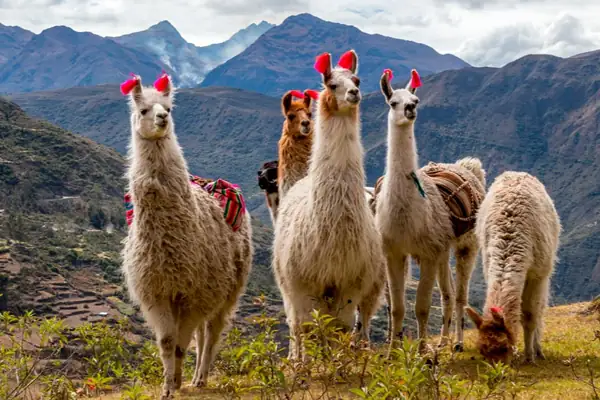
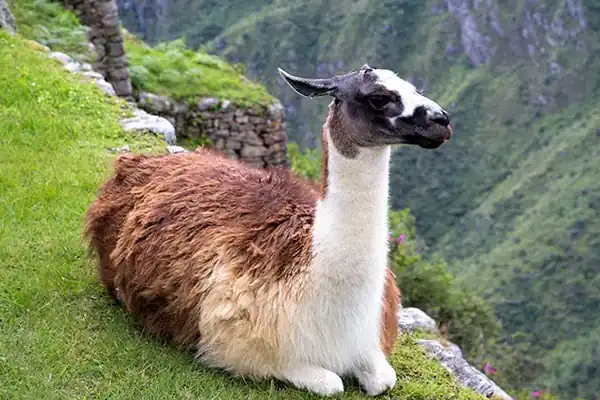
The llama is one of the most recognizable animals of Peru, symbolizing endurance and companionship. For centuries, it has been a loyal partner to the Andean people, carrying loads across steep trails and providing wool for clothing and blankets. Its ability to thrive at high altitudes reflects the remarkable adaptation of life in this harsh yet beautiful terrain. The llama’s gentle gaze and calm presence have made it a beloved creature not only among locals but also among travelers who encounter it for the first time.
Beyond its physical presence, the llama represents the deep interdependence between humans and nature in Peru. Ancient civilizations considered it a sacred animal, offering it in rituals to the gods of the mountains, known as Apus. This reverence highlights how spiritual beliefs and wildlife are intertwined in Andean culture. Today, visitors can still see herds of llamas grazing freely around Machu Picchu or the Sacred Valley, preserving a living link to the country’s ancestral past.
The llama’s role extends into modern Peruvian identity as a national symbol. Whether depicted in traditional art, woven into textiles, or used as a motif in local festivities, it embodies harmony, adaptability, and strength. Among all animals of Peru, few carry such profound cultural weight, a gentle reminder that coexistence with nature is not a choice but a way of life.
2. Alpaca: The soft-hearted cousin of the llama
The alpaca is another cherished member of the Andean wildlife and one of the most economically important animals of Peru. Known for its fine, silky fleece, the alpaca has been a source of warmth and livelihood for mountain communities for thousands of years. Its wool is softer than cashmere and treasured by artisans who transform it into garments of exceptional quality. This quiet, graceful creature thrives in the cold, open landscapes of the highlands, embodying both beauty and practicality in equal measure.
What makes the alpaca truly special is its role in sustainable living. Unlike many livestock species, alpacas have soft hooves that do not damage the soil, and they graze gently, allowing the pastures to regenerate. This ecological balance makes them an essential part of Peru’s environmental and economic sustainability. Tourists visiting alpaca farms in Cusco, Puno, or Arequipa often witness firsthand how this animal supports entire families through ethical textile production and eco-friendly tourism.
Culturally, the alpaca represents tenderness and prosperity. In traditional stories, it is said to be a gift from the gods, entrusted to humans as a source of comfort and protection. Today, it continues to captivate people around the world as one of the most iconic animals of Peru, symbolizing the deep connection between the Andean people, their traditions, and the breathtaking landscapes they inhabit.
3. Vicuña: Elegance in the wild
The vicuña, the smallest and most elegant of the South American camelids, is often considered the jewel among the animals of Peru. Its fine golden-brown coat produces one of the most luxurious natural fibers on Earth, once reserved only for Inca royalty. Living freely at altitudes above 4,000 meters, the vicuña embodies grace and purity, a symbol of untouched nature thriving in the remote Andean plains.
In the past, the vicuña faced near extinction due to overhunting for its valuable fleece. However, Peru’s dedication to wildlife conservation has brought this species back from the brink. Today, strict protection laws and community-managed conservation areas have allowed its population to recover. The annual Chaccu ceremony, where communities gently capture, shear, and release vicuñas, celebrates not only their economic value but also their spiritual and ecological importance.
To witness a vicuña in the wild is to glimpse the essence of Andean wilderness, quiet, resilient, and free. It is living proof of how coexistence between people and nature can lead to renewal. Among all animals of Peru, the vicuña stands as a reminder of the country’s ability to honor its past while safeguarding its natural future.
4. Andean Condor: The king of the skies
Towering over the mountains with a wingspan that can exceed three meters, the Andean condor is one of the most awe-inspiring animals of Peru. Revered since ancient times, it was seen by the Incas as a messenger between the earthly world and the heavens. Its ability to glide effortlessly over the highest peaks has made it a symbol of freedom and strength across South America.
The condor’s preferred habitats are the dramatic cliffs and canyons of the Andes, where updrafts carry it gracefully through the sky. Watching this magnificent bird soar over the Colca Canyon or the Apurímac Valley is an unforgettable experience for travelers. It reminds observers of the sheer power of nature and the fragile balance that sustains life in these ecosystems. Despite being a national symbol, the condor faces challenges due to habitat loss and environmental contamination, making its protection a national priority.
Beyond its ecological role as a scavenger that keeps the environment clean, the Andean condor carries deep cultural meaning. In festivals, dances, and art, it represents the eternal link between humans and the natural world. For many Peruvians, it is not just a bird but a spiritual guardian. Among the animals of Peru, few evoke such awe, reverence, and respect as this legendary king of the skies.
5. Spectacled Bear: The only bear in South America
The spectacled bear, or oso de anteojos, is one of the rarest and most fascinating animals of Peru. Found mainly in the misty cloud forests of northern and central Peru, this solitary bear is known for the distinctive pale markings around its eyes that resemble glasses. As the only native bear species in South America, it plays an essential role in maintaining forest health by spreading seeds and promoting plant growth.
Despite its gentle nature, the spectacled bear is a master of survival, thriving in dense forests and even venturing into the high Andes. However, deforestation and illegal hunting have put the species at risk. Peru’s conservation efforts, including protected areas such as the Cutervo National Park and the Machu Picchu Sanctuary, are crucial for its long-term preservation. Seeing this elusive bear in the wild is a rare and humbling encounter — a testament to the rich biodiversity that defines the country.
In Andean mythology, the spectacled bear is a creature of mystery and wisdom. Its quiet presence in the forest embodies the hidden magic of the wilderness and the balance between vulnerability and strength. Among the animals of Peru, it stands out not only for its rarity but also for what it represents: the enduring beauty and resilience of the country’s natural heritage.
You might also be interested in: The Mita System: Inca Obligation and Its Colonial Transformation
The Amazon realm: Peru’s rainforest creatures
The Amazon region of Peru is a world of endless green, where rivers twist like silver threads and the air hums with life. It’s here that the heart of biodiversity beats the loudest, hosting some of the most mysterious and beautiful animals of Peru. Every sound, shadow, and ripple reveals a creature adapted to the rhythms of one of the most complex ecosystems on Earth. This vast jungle is not only a sanctuary for wildlife but also a source of oxygen, water, and knowledge for humanity.
In this immense rainforest, nature’s creativity knows no limits. From apex predators to playful swimmers and jewel-like frogs, each species fulfills a vital role in maintaining the delicate balance of life. The Amazon reminds us that the animals of Peru are more than a spectacle; they are the silent architects of an ancient and living network. Their survival ensures that this green realm continues to breathe, thrive, and inspire wonder in everyone who ventures into its depths.
6. Jaguar: The silent hunter of the jungle
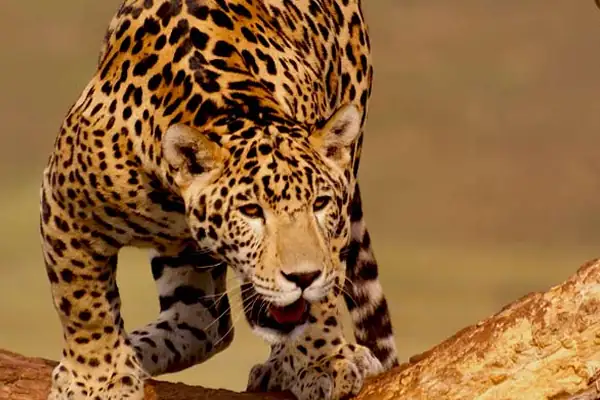
Among the most powerful and elusive animals of Peru, the jaguar reigns as the true master of the Amazon. Moving silently through the dense undergrowth, it embodies strength and mystery. Its spotted coat blends perfectly with the dappled light of the forest floor, making it nearly invisible to both prey and humans. The jaguar’s presence signifies a healthy ecosystem, as it keeps populations of smaller species in check, maintaining nature’s fragile equilibrium.
To the Indigenous peoples of the Amazon, the jaguar is not merely an animal but a spiritual force, a symbol of courage, protection, and transformation. Ancient legends speak of shamans who could channel the spirit of the jaguar to travel between worlds, connecting the physical and spiritual realms. Even today, its image appears in traditional art, masks, and stories as a reminder of the deep respect the Amazonian cultures hold for their natural world.
Sadly, this majestic predator faces threats from deforestation, illegal hunting, and habitat loss. Conservation organizations in Peru are working tirelessly to protect jaguar corridors, allowing these magnificent creatures to roam freely across the rainforest. Among the animals of Peru, the jaguar stands as a living emblem of power and mystery, the soul of the jungle that watches, waits, and whispers through the night.
7. Pink river dolphin: The enchanted spirit of the Amazon
Graceful, intelligent, and otherworldly, the pink river dolphin is one of the most extraordinary animals of Peru. Unlike its ocean-dwelling relatives, this dolphin inhabits the freshwater rivers of the Amazon basin, gliding through murky waters with surprising agility. Its distinctive pink hue, which intensifies with age or excitement, adds to its enchanting aura, earning it a place in countless local myths and folktales.
For centuries, Indigenous communities have revered this creature as a spiritual being. Legends tell of dolphins that transform into humans at night, playing music and dancing in village celebrations. These stories, passed from generation to generation, reveal a profound respect for the delicate bond between people and the river. Beyond mythology, the pink river dolphin is a symbol of ecological balance, as its health reflects the wellbeing of the waterways it calls home.
Today, conservation efforts focus on protecting this unique species from pollution, overfishing, and habitat degradation. Ecotourism initiatives in places like Iquitos and Pacaya-Samiria National Reserve promote awareness and sustainable practices that benefit both communities and wildlife. The pink river dolphin remains a gentle reminder that the animals of Peru embody not just beauty, but the deep connection between nature, culture, and spirit.
8. Giant otter: The social guardian of the rivers
The giant otter is one of the most charismatic animals of Peru, known for its playful behavior and strong family bonds. Growing up to two meters long, it is the largest otter species in the world and a top predator in the Amazon’s waterways. Its smooth, chocolate-brown fur and distinctive throat markings make it easily recognizable, while its loud calls echo across lagoons and riverbanks, signaling territory and communication among groups.
These otters live in close-knit family units, hunting, grooming, and resting together. Their cooperative lifestyle reflects a rare level of social intelligence in the wild, and observing them is a lesson in teamwork and affection. Each member contributes to the success of the group, ensuring that every cub is protected and fed. Such unity makes the giant otter one of the most endearing and respected creatures of the rainforest.
However, the species faces serious challenges due to illegal mining, pollution, and habitat fragmentation. Conservation areas such as the Tambopata National Reserve have become critical refuges where they can thrive safely. Watching a family of giant otters slide gracefully through the water is to witness harmony in motion, proof that the animals of Peru are not only survivors but symbols of cooperation and strength.
9. Poison dart frog: A splash of color and warning
Bright, tiny, and mesmerizing, the poison dart frog is one of the most visually striking animals of Peru. Found in the humid lowlands of the Amazon, these frogs display an astonishing variety of colors, from electric blue to fiery orange, that serve as a warning to predators. Their vivid patterns are nature’s way of saying “stay away,” since some species carry toxins strong enough to deter even the most persistent threats.
Beyond their beauty, these frogs play a vital role in the rainforest ecosystem. They help control insect populations and serve as indicators of environmental health, as their delicate skin reacts quickly to pollution or habitat changes. In many ways, their survival reflects the overall wellbeing of the jungle. Their presence tells scientists and conservationists that the forest is still alive, still breathing, and still capable of wonder.
The poison dart frog has also influenced human culture. Indigenous tribes have long used its toxins for hunting, applying them carefully to blow darts in rituals rooted in deep respect for nature’s balance. Today, the frog’s striking appearance fascinates researchers and travelers alike, reminding the world that among the animals of Peru, even the smallest can hold the greatest power.
10. Sloth: The slow soul of the rainforest
Moving at its own peaceful pace, the sloth represents a very different side of the animals of Peru, one of calmness and quiet observation. Suspended from the trees of the Amazon, it spends most of its life hanging upside down, wrapped in an aura of serenity. Its slow movements, though often misunderstood, are an evolutionary marvel that allows it to conserve energy and avoid detection by predators.
The sloth’s life is a delicate dance between patience and adaptation. Algae grow on its fur, giving it a greenish tint that provides camouflage while also forming a small ecosystem of its own. This unique relationship between creature and environment is a microcosm of how life thrives in the rainforest. Every gesture of the sloth reminds us of the wisdom hidden in stillness, a lesson the fast-paced human world could learn from.
For visitors exploring the Peruvian Amazon, encountering a sloth is a quiet privilege. It is a moment of reflection amid the noise of the jungle, a reminder that not all strength is loud or swift. Among the animals of Peru, the sloth embodies the spirit of patience, resilience, and peaceful coexistence with the natural world.
You might also be interested in: Hidden Trails of the Andes: Ancient Routes, Timeless Landscapes
The coastal and marine life: Where the desert meets the ocean
Peru’s coastline presents a fascinating contrast where arid deserts meet the vast Pacific Ocean, creating unique habitats for an astonishing variety of animals of Peru. From sandy beaches to rocky cliffs and kelp forests beneath the waves, these ecosystems sustain both land and marine wildlife in ways that are as dramatic as they are delicate. The interaction of cold Humboldt currents with tropical winds makes the waters rich in nutrients, supporting life that ranges from playful mammals to diving seabirds.
Along this stretch of coastline, the connection between land and sea becomes apparent. Fishing villages, protected reserves, and marine sanctuaries all coexist with wildlife, reflecting the importance of stewardship in a region where natural productivity meets human activity. The animals of Peru here are not only a sight to behold but also indicators of environmental health, showing how climate, currents, and conservation intersect to maintain balance in these coastal regions.
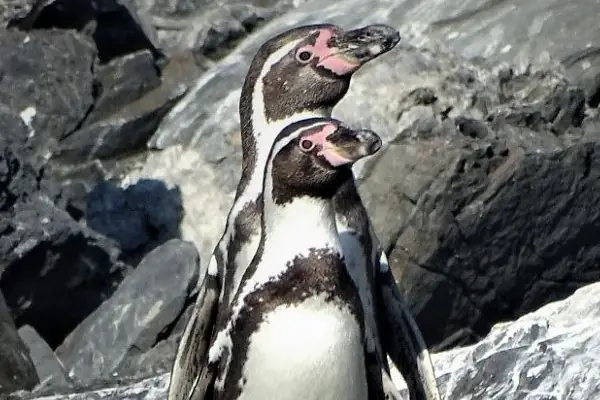
11. Humboldt Penguin: Life in Cold Currents
The Humboldt penguin is one of the most iconic animals of Peru, perfectly adapted to the cold, nutrient-rich waters of the Pacific. Unlike its Antarctic cousins, this species thrives in temperate coastal zones, nesting along cliffs and islands where the Humboldt Current brings abundant fish. Its distinctive black-and-white plumage and charming waddle have made it a favorite among wildlife enthusiasts and photographers alike.
For centuries, Humboldt penguins have been admired by coastal communities, who recognize them as a sign of healthy marine ecosystems. Protected areas such as the Paracas National Reserve allow these birds to breed safely, ensuring that their populations remain stable. Observing a colony of penguins moving through the surf is both a delightful and humbling experience, highlighting the resilience and adaptability of these animals of Peru.
Despite their survival skills, Humboldt penguins face threats from climate change, overfishing, and habitat disturbance. Conservation programs focus on protecting nesting sites and educating the public, creating opportunities for responsible wildlife tourism. These birds are living proof that even in harsh coastal conditions, life can flourish with balance and care.
12. Sea Lion: The playful guardian of the peruvian coast
Sea lions are among the most charismatic animals of Peru, famous for their playful energy and social behavior. Often seen lounging on rocks or swimming gracefully in the surf, these mammals form colonies along the Peruvian coast, from Lima to the southern shores of Paracas. Their loud barks and coordinated swimming make them a spectacle that attracts both locals and travelers.
These sea lions play a vital ecological role, regulating fish populations and contributing to the health of marine ecosystems. They are also an indicator species; their well-being reflects the quality of their habitat and the overall health of coastal biodiversity. Watching a group interact, hunt, or care for pups provides a fascinating glimpse into complex social behaviors that few marine species display with such clarity.
Culturally, sea lions have long been part of coastal identity, appearing in folklore and local art. They are considered guardians of the shore, a reminder of the strength and agility required to survive in this dynamic interface between land and ocean. Among the animals of Peru, they stand out for their energy, intelligence, and enduring presence along the Pacific.
13. Pelican: A Silent Fisher of the Pacific
The pelican is a master of patience, one of the many animals of Peru perfectly adapted to the coastline’s abundant fish. These large birds glide effortlessly above the water, diving precisely to catch schools of anchovies and sardines. Their distinctive pouch and long beak allow them to gather multiple fish in one dive, showcasing nature’s ingenious design for survival along the Pacific.
Pelicans often travel in small flocks, moving along the shore in synchronized patterns. Their quiet yet purposeful hunting style adds to the rhythm of coastal life, making them a serene presence for anyone observing from the cliffs or boats. These birds are also vital to the ecosystem, controlling fish populations and participating in nutrient cycling along the coast.
Protection of nesting sites, particularly on remote islands, ensures that pelican populations remain stable despite human encroachment. Their consistent presence in the Peruvian coastal landscape makes them a familiar and beloved sight, reinforcing the importance of sustainable practices to safeguard the rich diversity of animals of Peru in these marine and desert-adjacent zones.
14. Peruvian Booby: The Graceful Diver of the Sea
The Peruvian booby is a remarkable seabird and one of the most agile of the animals of Peru. Its sleek body and streamlined wings allow it to dive from great heights into the water, capturing fish with incredible precision. Found along the coast and particularly on rocky islands, these birds are a visual representation of energy, skill, and the adaptability required to thrive in the dynamic marine environment.
These birds also play a role in maintaining the balance of coastal fish populations. Their presence signals healthy ecosystems and abundant food sources, making them important bioindicators for researchers. Observing the synchronized diving behavior of a booby colony is a testament to their efficiency and the rhythm of life in these coastal waters.
Local communities recognize the Peruvian booby not just as a natural marvel but as an important part of the coastal ecosystem. In ecotourism sites like Ballestas Islands, visitors can watch their precise dives and nesting rituals, gaining appreciation for their contribution to biodiversity. Among the animals of Peru, the Peruvian booby represents grace, agility, and the intricate ties between ocean and land.
15. Green Sea Turtle: A Traveler of Ancient Waters
The green sea turtle is one of the most ancient and fascinating animals of Peru, migrating across vast stretches of ocean to feed and nest along the country’s beaches. These gentle creatures can live for decades and have survived countless natural changes, making them symbols of endurance and continuity. Their presence along Peru’s coast is a reminder of the intricate web of life that connects continents, currents, and generations of wildlife.
Green sea turtles graze on seagrass beds, contributing to the health and regeneration of underwater meadows. Their nesting rituals, often taking place on isolated beaches at night, are delicate processes that require minimal disturbance. Conservation programs monitor these nesting sites, ensuring the survival of hatchlings and the continuation of a species that has roamed the oceans for millions of years.
Encountering a green sea turtle in the wild is both awe-inspiring and humbling. As one of the animals of Peru, it connects the past to the present, showing how life persists despite environmental pressures. Its story reminds us that protecting these coastal and marine ecosystems is not just about preservation, but about respecting the ancient rhythms of nature that sustain all life.
You might also be interested in: The ultimate off the beaten path adventure travel guide for 2025
The Hidden and Endemic Species: Peru’s Secret Treasures
Peru is home to countless species that exist nowhere else on Earth, a testament to its remarkable ecosystems and geographic diversity. From the misty cloud forests to highland lakes and remote coastal cliffs, these endemic animals of Peru are living treasures that reveal the country’s unique natural heritage. Discovering them often requires venturing off the beaten path, but the experience is a rare glimpse into nature’s most carefully guarded secrets.
These hidden creatures are not only fascinating but also critically important for ecological balance. Many of them are indicators of environmental health and are essential to their habitats. Protecting these species ensures that Peru’s biodiversity remains vibrant and resilient, allowing future generations to experience the magic of encountering creatures found nowhere else in the world.
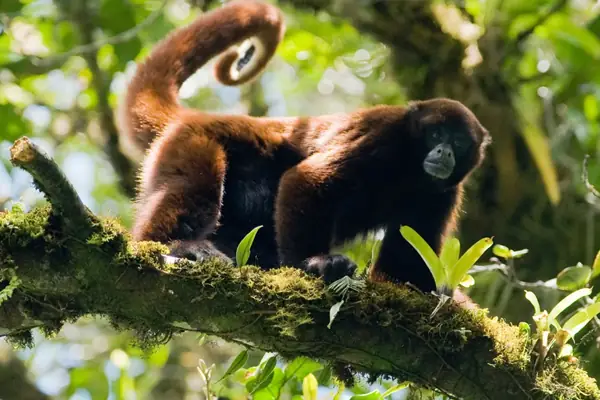
16. Yellow-Tailed Woolly Monkey: An Endangered Jewel
The yellow-tailed woolly monkey is one of the most iconic and endangered animals of Peru, residing in the cloud forests of the northern Andes. Its striking golden tail and expressive face make it one of the most visually captivating primates on the planet. This monkey is highly arboreal, moving skillfully through the treetops in search of fruit, leaves, and flowers, displaying agility and intelligence that inspire both admiration and awe.
Historically, the yellow-tailed woolly monkey was nearly lost due to habitat destruction and hunting. Conservation programs have helped stabilize populations, but the species remains vulnerable. Community-based initiatives focus on protecting its forest habitat, while also educating locals and visitors about the importance of preserving these rare animals of Peru.
Encounters with this monkey are rare but unforgettable, offering a unique opportunity to observe one of the Andes’ most enigmatic creatures. Its survival depends on the delicate balance between human activity and natural preservation, reminding us of the fragile beauty inherent in Peru’s endemic wildlife.
17. Andean Cock-of-the-Rock: The National Bird of Peru
The Andean cock-of-the-rock is not just a spectacular bird; it is the national symbol of Peru and one of the most celebrated animals of Peru. Males display brilliant orange plumage and an extravagant crest, performing elaborate courtship dances in communal leks to attract females. Observing this ritual is a window into the intricate social and ecological dynamics of the cloud forest.
Living primarily in humid mountain forests, the cock-of-the-rock contributes to seed dispersal, helping maintain forest health. Its presence signals a thriving habitat where biodiversity flourishes. Tourists and researchers alike are drawn to this vibrant species, both for its visual spectacle and its ecological significance.
The Andean cock-of-the-rock is deeply embedded in Peruvian culture and folklore. It symbolizes beauty, vitality, and the enduring connection between humans and nature. Among animals of Peru, it exemplifies how wildlife can inspire both ecological awareness and cultural pride.
18. Titicaca Water Frog: The Giant of the Highland Lake
The Titicaca water frog is one of the most extraordinary animals of Peru, found exclusively in the high-altitude waters of Lake Titicaca. Its distinctive wrinkled skin and large size make it appear almost prehistoric, a living relic of a time when amphibians ruled the waterways. Adapted to the cold, oxygen-poor lake environment, this frog represents the ingenuity of nature in overcoming extreme conditions.
Unfortunately, it faces significant threats from pollution, habitat degradation, and overharvesting for local consumption. Conservation efforts, including captive breeding programs and protected areas, are critical for ensuring its survival. Researchers continue to study the species, learning valuable lessons about aquatic adaptation and the fragility of isolated ecosystems.
For visitors to Lake Titicaca, spotting this rare amphibian is a powerful reminder of the hidden wonders beneath the surface. The Titicaca water frog highlights the importance of protecting Peru’s endemic species and the delicate habitats they call home. Among the animals of Peru, it stands as a symbol of resilience and ecological uniqueness.
19. Pampas Cat: The elusive feline of the Andes
The pampas cat is one of the most secretive and fascinating animals of Peru, inhabiting high-altitude grasslands and mountainous regions. Its small size and camouflaged fur allow it to move unseen through shrubs and rocky outcrops, making sightings extremely rare. This elusive feline preys on rodents, birds, and insects, playing a key role in controlling populations and maintaining ecological balance.
Cultural stories surrounding the pampas cat speak of its cunning and agility, earning it a place in local mythology as a stealthy and intelligent creature. Its elusive nature, combined with its nocturnal habits, makes it a species that inspires awe and respect among those lucky enough to observe it in the wild.
Conservationists emphasize habitat protection to safeguard this endangered cat from human encroachment and livestock expansion. The pampas cat reminds us that even the quietest creatures have a profound role in their ecosystems. Among the animals of Peru, it symbolizes mystery, agility, and the hidden wonders of the Andes.
20. Inca Tern: The mustache bird of the Pacific
The Inca tern is one of the most visually striking animals of Peru, immediately recognizable by its black plumage contrasted with a bright white mustache along its beak. Found along the rocky coasts of the Pacific, this elegant seabird dives expertly to catch small fish, displaying grace and precision in its daily life. Its distinctive appearance and charismatic behavior make it a favorite among birdwatchers and wildlife enthusiasts.
The Inca tern is also ecologically significant, contributing to the marine food web and acting as an indicator of ocean health. Coastal conservation areas help protect nesting colonies, ensuring that these birds continue to thrive despite environmental pressures. Watching their synchronized dives and graceful flights is a remarkable reminder of the rhythm of life along Peru’s Pacific coastline.
As a national treasure, the Inca tern represents beauty, adaptability, and the intricate relationships between land, sea, and sky. Among the animals of Peru, it stands out not only for its unique appearance but also for the ecological and cultural lessons it offers, a living emblem of the country’s diverse and extraordinary wildlife.
You might also be interested in:Traditional music in Peru: A journey throught the musical fusion
Protecting Peru’s Endangered Species
Peru’s ecosystems are among the richest on Earth, but they are also some of the most fragile. The animals of Peru, from the highland vicuñas to the Amazonian jaguars, face constant pressure from habitat loss, deforestation, pollution, and climate change. Each of these threats affects the delicate balance of nature, reducing the ability of species to survive and reproduce. Protecting endangered wildlife is not just about saving individual animals; it is about preserving the natural heritage that sustains life and cultural identity in Peru.
Through local and international collaboration, conservation efforts are helping restore degraded environments and protect vulnerable populations. National parks, wildlife sanctuaries, and sustainable tourism initiatives play a vital role in safeguarding biodiversity. By understanding the struggles of these remarkable animals of Peru, visitors and citizens alike become part of the solution, supporting the harmony between people and nature that has defined this land for centuries.
The Impact of Climate Change and Human Activity
Climate change is reshaping the landscapes that countless animals of Peru depend on. Rising temperatures, irregular rainfall, and melting glaciers are altering ecosystems from the Andes to the Amazon. Species that once thrived in stable environments now face challenges in finding food, water, and safe breeding grounds. Amphibians, birds, and mammals are forced to migrate or adapt quickly, while others risk extinction if their habitats continue to disappear.
Human activity, including illegal mining, agricultural expansion, and urbanization, makes these problems worse. The destruction of forests and pollution of rivers not only displace wildlife but also threaten the livelihoods of local communities that rely on natural resources. In regions like Madre de Dios and Ucayali, conservationists are working to balance economic development with environmental preservation. Every action taken to protect these regions contributes to the survival of countless animals of Peru.
Despite these challenges, hope remains. Reforestation projects, stricter environmental laws, and the growing awareness of eco-conscious travelers are helping reduce pressure on ecosystems. As the world moves toward more sustainable practices, Peru stands as a reminder of how human responsibility and nature’s resilience can coexist.
How Ecotourism Helps Conservation
Ecotourism is one of the most effective tools for protecting the animals of Peru and their habitats. When managed responsibly, it provides economic incentives for local communities to preserve the environment instead of exploiting it. By promoting low-impact travel and supporting locally run initiatives, ecotourism transforms visitors into guardians of biodiversity rather than passive observers.
In destinations such as Tambopata, Manu, and Paracas, travelers who choose ethical tours directly fund conservation programs. Entrance fees, research support, and community partnerships all contribute to safeguarding endangered species and restoring ecosystems. This sustainable model not only protects wildlife but also empowers people living near these natural wonders to value and care for their environment.
Ecotourism also educates travelers about the importance of environmental stewardship. Experiencing the beauty and vulnerability of the animals of Peru firsthand inspires empathy and action. Each responsible visit sends a message that conservation and cultural respect can coexist, ensuring that future generations continue to witness the country’s extraordinary wildlife.
Responsible travel tips for animal lovers
Traveling through Peru offers countless opportunities to encounter unique wildlife, but these experiences must be handled with care. Being a responsible traveler means respecting the habitats and behaviors of the animals of Peru, ensuring that your presence contributes to preservation rather than harm. Every decision, from the type of tour you book to the souvenirs you buy, has a ripple effect on ecosystems and local communities.
By adopting ethical travel practices, visitors can help protect Peru’s natural treasures while enjoying meaningful and authentic experiences. Responsible tourism is not about limiting adventure; it is about expanding awareness. Through conscious choices, animal lovers can play an active role in protecting the wildlife that makes Peru one of the most biodiverse countries on the planet.
Choose sustainable tours and local guides
Choosing certified sustainable tours and local guides ensures that your experience with the animals of Peru is both authentic and ethical. Reputable operators follow conservation principles, respect wildlife boundaries, and hire guides from nearby communities who understand the ecosystem deeply. Their knowledge not only enriches your trip but also supports community development and conservation education.
Working with local experts also means your money stays within the community, funding schools, reforestation programs, and wildlife protection projects. Instead of large-scale commercial tourism, which often exploits natural areas, sustainable tours create lasting positive impacts on both nature and people.
Travelers should always verify that tour companies follow environmental regulations, limit group sizes, and avoid disturbing natural habitats. Supporting these responsible operators ensures that the animals of Peru remain safe while visitors enjoy unforgettable and ethical adventures.
Avoid contact and feeding wildlife
It might be tempting to touch, feed, or get too close to wild animals, but such interactions can cause serious harm. Many animals of Peru are highly sensitive to human contact; feeding them disrupts their diet, while touching can transmit diseases or cause stress. Respecting safe observation distances allows wildlife to behave naturally and ensures their well-being.
Photographers and travelers should avoid using flash or making loud noises, as this can frighten animals and alter their behavior. Even well-intentioned gestures, like offering food, can make wildlife dependent on humans, threatening their survival skills and changing their natural habits.
True animal lovers appreciate wildlife from a respectful distance, allowing natural moments to unfold without interference. The most meaningful encounters happen when we simply observe, listen, and let nature be itself. This mindful approach ensures the continued safety of the animals of Peru and preserves the authenticity of every travel experience.
Support conservation projects and local communities
One of the most effective ways to protect the animals of Peru is by supporting conservation initiatives and the local communities that coexist with wildlife. Donations to reputable organizations, volunteering in reforestation efforts, or purchasing crafts made from sustainable materials all contribute to protecting Peru’s ecosystems. Every small action helps sustain the balance between human livelihoods and nature’s diversity.
Local communities often act as the first line of defense against poaching, deforestation, and pollution. When travelers choose to buy local products, stay in community lodges, or participate in eco-volunteer programs, they directly empower these guardians of biodiversity. This kind of conscious tourism creates a shared responsibility for the preservation of wildlife.
Ultimately, responsible travel goes beyond sightseeing; it is about creating positive impact. Supporting conservation and local empowerment helps ensure that the animals of Peru continue to thrive in their natural environments, keeping the spirit of Peru’s wild beauty alive for generations to come.
Conclusión
The animals of Peru stand as living symbols of the country’s vast and sacred landscapes. Their existence reminds us that Peru’s true wealth is not only found in its ruins or cuisine but in the heartbeat of its forests, rivers, and mountains. Each species, from the most powerful predator to the smallest amphibian, plays a vital role in preserving the delicate balance of life across this diverse territory.
As travelers and nature lovers, our responsibility is to admire without harming, to learn without taking, and to protect what makes this land unique. By choosing sustainable journeys and supporting conservation, we ensure that future generations will continue to witness the beauty and mystery of the animals of Peru — wild, free, and eternal.
