
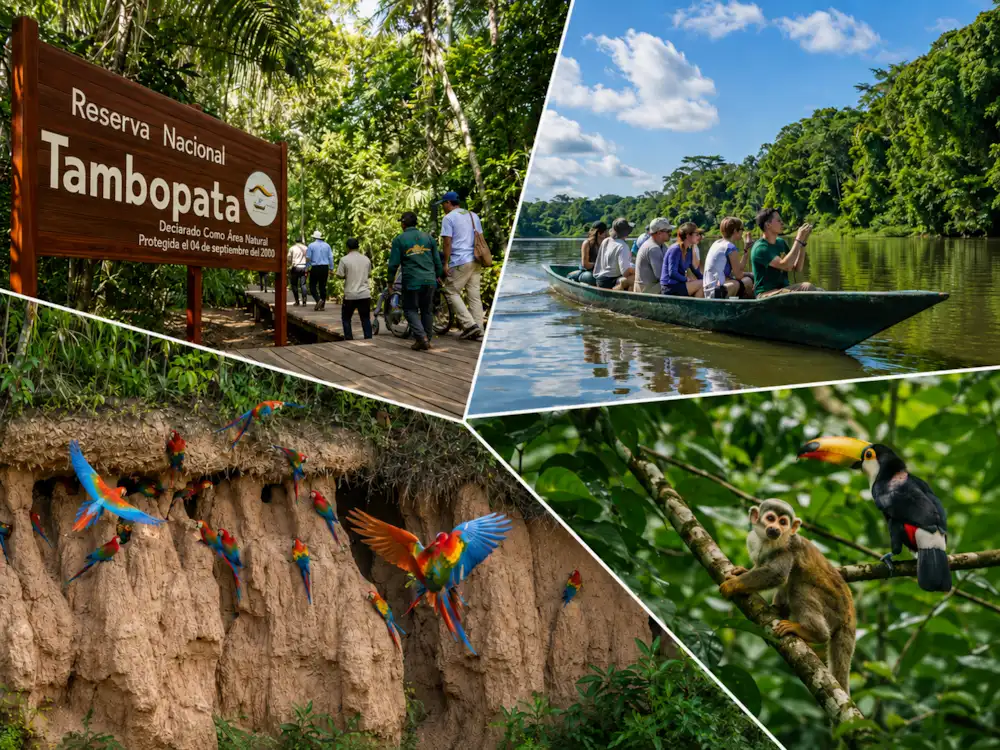
The first thing you notice in Tambopata is not a landmark. It is the sound. Insects pulse from the forest, birds call above the canopy, and the river carries you away from roads and the pace of the city. Located in southeastern Peru, this Amazon destination offers an accessible introduction to tropical wildlife without losing the feeling of entering a remote ecosystem.
A Tambopata journey can combine river navigation, rainforest trails, oxbow lakes, canopy bridges, nocturnal wildlife searches, clay licks, and observation of useful native plants. It also fits naturally into a wider Peru itinerary for travelers moving between Lima, Cusco, the Sacred Valley, and Machu Picchu.
This guide explains how to reach Tambopata, when to travel, what you may see, how the protected area is organized, and what a carefully planned four-day experience can include.
You might also be interested in: Chiriuchu in Cusco: A Complete Guide to the Corpus Christi Dish
What Is Tambopata?
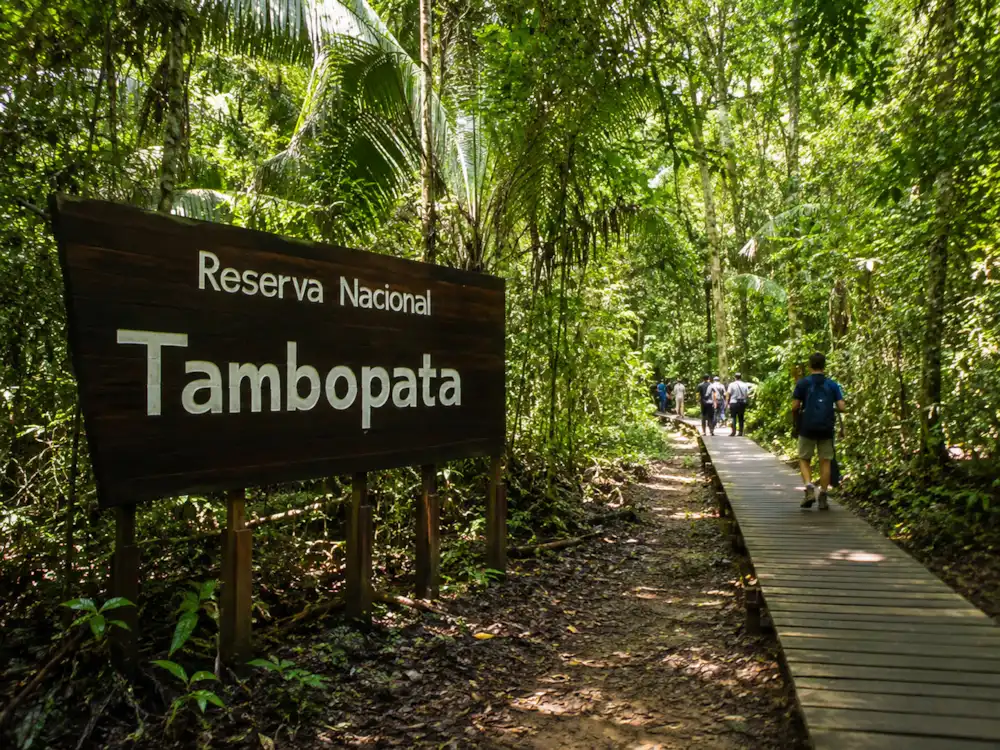
Tambopata is the name of a province, a river, a protected natural area, and one of the best-known rainforest destinations in Peru’s Madre de Dios region. Puerto Maldonado is the principal gateway. From there, travelers usually continue by road and motorized boat to a jungle lodge or authorized visitor route.
The landscape includes lowland rainforest, riverbanks, seasonally flooded forest, palm swamps, and oxbow lakes created when old river channels become separated from the main flow. These habitats support exceptional diversity and create different wildlife-viewing opportunities within the same journey.
A short stay can introduce the forest, but three or four nights provide time for early-morning observation, day walks, night excursions, and at least one longer visit to a lake or clay lick.
Tambopata National Reserve: Why It Matters
The Tambopata National Reserve protects 274,690 hectares in Madre de Dios. SERNANP, Peru’s protected-area authority, records about 600 bird species, 169 mammal species, 103 amphibian species, 103 reptile species, and 205 fish species within the reserve.
Its importance is not limited to numbers. Giant river otters inhabit oxbow lakes, macaws and parrots gather at clay walls, monkeys move through the canopy, and caimans occupy rivers and wetlands. Each excursion explores a different layer of the ecosystem.
Lake Sandoval is one of the most accessible and popular routes. Reaching it generally involves a boat ride from Puerto Maldonado followed by a forest walk. Visitors then explore the lake by small boat or canoe, watching for hoatzins, herons, kingfishers, black caimans, monkeys, turtles, and, with luck, giant river otters.
Wildlife sightings are never guaranteed. That uncertainty is part of an authentic Tambopata experience. A skilled local guide improves your chances by recognizing calls, tracks, feeding areas, and subtle movement hidden by the vegetation.
Tambopata National Park or National Reserve?
Many travelers search for “Tambopata National Park,” but the correct official name is Tambopata National Reserve. In Peru, national parks and national reserves are distinct legal categories with different management objectives.
The confusion is understandable because this protected area belongs to a wider conservation landscape. Nearby Bahuaja-Sonene National Park protects more than one million hectares across Madre de Dios and Puno, including rainforest, foothills, and the Pampas del Heath.
Using the correct name matters when checking entrance rules, authorized operators, official maps, and visitor sectors. Before booking, confirm whether your itinerary enters the reserve, stays in its buffer zone, or visits attractions near Puerto Maldonado. All can be worthwhile, but they are not the same place.
How to Reach the Tambopata Amazon
Most international visitors arrive through Puerto Maldonado. Air connections through Lima or Cusco are the fastest option, while overland buses also operate from Cusco. The road journey usually takes approximately ten hours, depending on traffic, road conditions, and weather.
Transfers from Puerto Maldonado vary according to the lodge. Some properties require a short road transfer and boat ride, while remote lodges may involve several hours on the river.
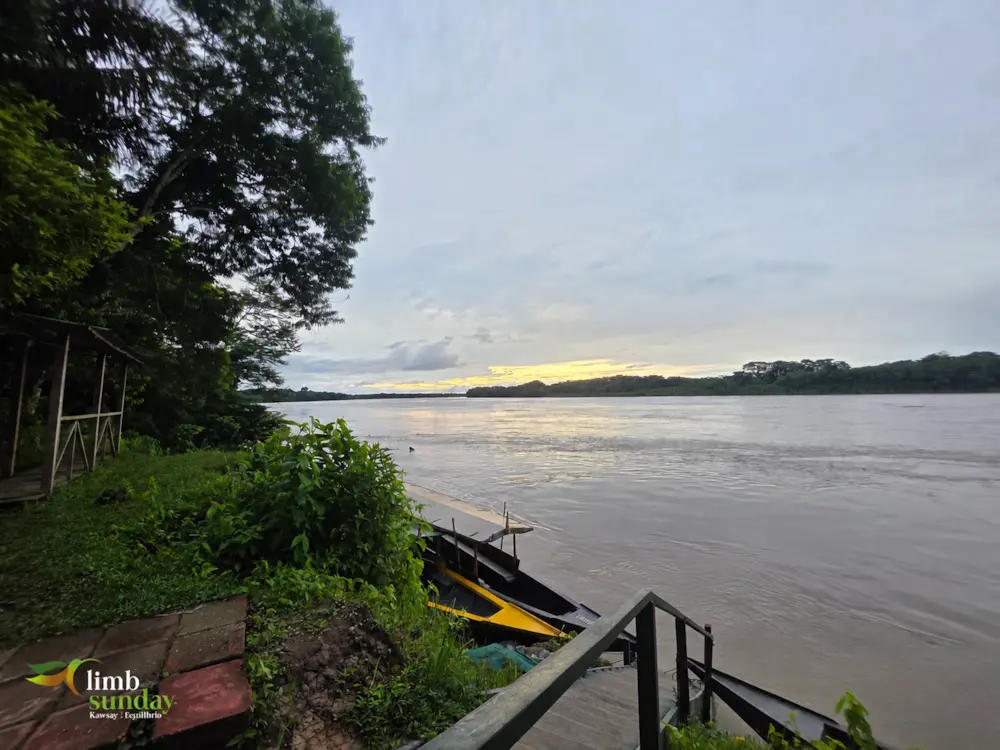
The river journey is often your first wildlife excursion. Even before arriving at the lodge, travelers may observe river birds, capybaras, caimans, monkeys, or changing forest habitats along the banks.
Send your arrival details to the operator in advance. Logistics depend on daylight, river conditions, group schedules, and lodge location. Coordinated airport pickup is considerably easier than arranging separate transportation after landing.
Official areas of the reserve must be visited through operators authorized by SERNANP. Confirm whether entrance fees, river transfers, lodge accommodation, meals, and excursions are included before completing your reservation.
Best Time to Visit Tambopata
The climate is warm and humid throughout the year. SERNANP recommends May through October as the main visiting season and identifies December through March as the rainiest period.
The drier months usually bring more accessible trails, fewer prolonged downpours, and more predictable excursions. They are also popular, so flights, lodges, and specialized guides may need to be reserved early.
The wetter season should not automatically be dismissed. Vegetation becomes intensely green, rivers rise, and the forest can feel especially active. However, heavy rain may alter trails, boat schedules, clay-lick activity, and access to certain locations.
Occasional cold fronts, known locally as friajes, can temporarily lower temperatures in the Peruvian Amazon. Even during a generally hot trip, carrying a light layer is useful.
No season guarantees clear weather or a particular animal. Choose your travel dates according to your priorities and allow local guides to adjust the program when conditions change.
Sunrise of Tambopata: Why Early Morning Matters
The phrase “sunrise of Tambopata” captures one of the most rewarding moments in the rainforest. Before the heat builds, mist may hang over the river while layers of bird calls gradually replace the sounds of the night.
Many birds feed actively after dawn, monkeys begin moving through the trees, and lakes can remain calm before daytime wind increases. Clay-lick visits also require early departures because parrots and macaws usually gather in the morning when conditions are favorable.
A sunrise excursion may begin before breakfast. Some lodges provide a simple early meal or prepare breakfast for the journey.
Bring a light layer, binoculars, insect repellent, and a waterproof bag for phones or cameras. The value lies not only in photography, but in experiencing the forest’s transition from darkness to full daylight.
The Best Tambopata Adventure Experiences
A strong Tambopata adventure combines different habitats, times of day, and observation points rather than repeating similar walks.
Lake Sandoval
A Lake Sandoval excursion can take four to five hours depending on the lodge, route, and pace. The forest trail may reveal parrots, monkeys, reptiles, butterflies, and insects before visitors reach the water.
On the lake, possible sightings include black caimans, ibis, herons, turtles, hoatzins, kingfishers, monkeys, and giant river otters. Wildlife remains unpredictable, so the experience should never be sold as a guaranteed checklist.
Quiet observation is essential. Guides often reduce conversation so the group can hear movement and calls hidden behind dense vegetation.
Canopy towers and hanging bridges
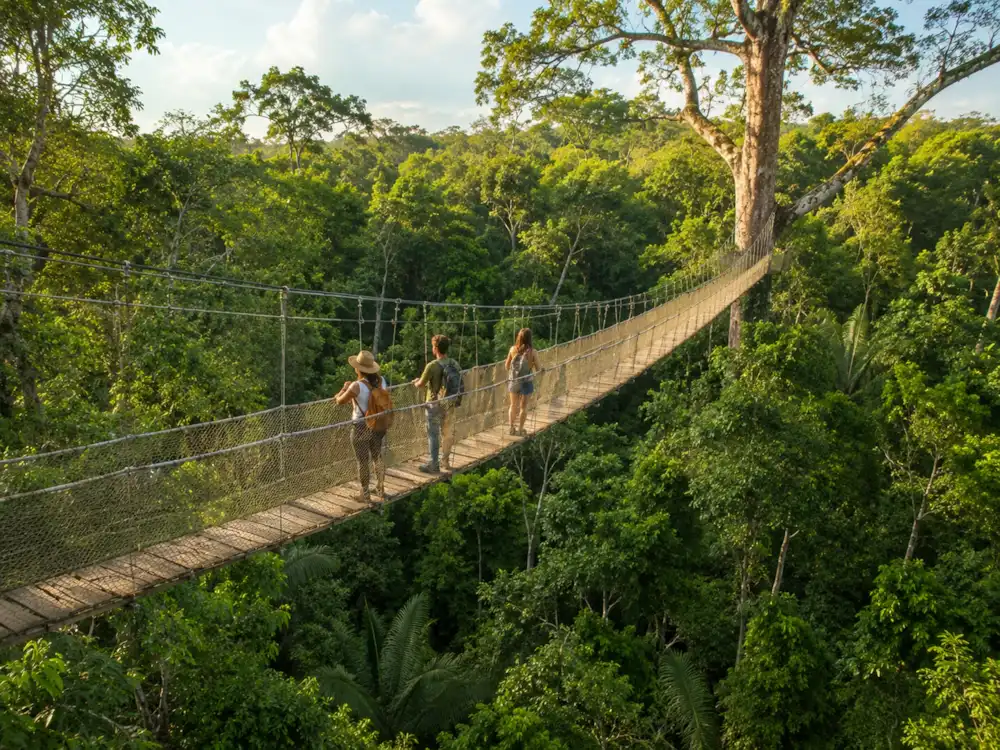
Much of Amazonian life occurs above normal eye level. Canopy structures allow visitors to enter or rise above the treetops.
The program designed for Climb Sunday includes access to a tower approximately 45 meters high and hanging bridges situated around 30 meters above the forest floor. Exact structures and measurements may vary according to the selected lodge.
These viewpoints provide broad perspectives over the river and emergent trees while creating opportunities to observe toucans, parrots, raptors, and monkeys that can be difficult to see from ground-level trails.
Night river excursions
A night boat ride reveals another side of Tambopata. Guides use controlled lights to locate the reflective eyes of caimans and may also identify nocturnal birds, capybaras, bats, or movement along the riverbank.
Travelers should remain seated when instructed and avoid shining personal lights directly at animals. A short, carefully managed outing is more valuable than disturbing wildlife for a closer photograph.
Hidden-jungle night walks
After dark, insects, amphibians, spiders, and reptiles become the focus. A night walk is less about covering distance and more about paying attention to small details: a frog on a leaf, a stick insect, a tarantula burrow, or a sleeping bird.
Wear closed shoes and long trousers, carry a headlamp, and never touch an animal or plant without clear guidance from the naturalist.
Botanical interpretation
An interpreted trail or botanical garden can introduce cacao, copoazú, Brazil nut trees, palms, and plants used locally for food, construction, or traditional practices.
Responsible guides distinguish cultural knowledge from scientifically proven medical effects. The objective is to understand how communities know and manage the forest, not to promote unverified remedies.
Collpas Tambopata: Macaws and Mammals at Clay Licks
“Collpas Tambopata” refers to natural clay-lick areas visited by birds or mammals. The most famous are Chuncho and Colorado, located in the upper sector of the reserve.
On suitable mornings, macaws, parrots, and parakeets gather on exposed clay walls, creating one of the Amazon’s most dramatic displays of color and sound.
SERNANP describes Chuncho as one of the largest clay licks in the Amazon. The site has observation areas designed to let travelers experience the activity while reducing disturbance to wildlife.
The number of birds depends on weather, predators, season, and other natural factors. Even when visitors depart before sunrise, a large gathering cannot be guaranteed.
Mammal clay licks are different. Tapirs, deer, peccaries, rodents, and other species may visit mineral-rich ground, often at less predictable times. Observation normally requires waiting quietly from a designated point rather than approaching the animals.
Clay may provide sodium and other minerals and can interact with compounds found in the animals’ diet. It is better to avoid the oversimplified claim that every species visits a collpa solely to “remove toxins.”
How to Choose a Tambopata Tour
A good Tambopata tour explains its exact lodge location, sectors visited, transfer times, entrance fees, and physical requirements. Do not choose an itinerary only by counting the number of activities.
Ask about group size and guide specialization. Birdwatchers, families, photographers, and first-time rainforest travelers may benefit from different styles of interpretation.
Confirm accommodation details, including whether bathrooms are private or shared, whether mosquito nets are provided, and which hours electricity and hot water are available. Charging access, drinking water, luggage restrictions, and internet availability should also be discussed before traveling.
Ask which activities are guaranteed parts of the program and which depend on weather, wildlife conditions, or minimum group size.
Climb Sunday is developing flexible three-day, four-day, five-day, and extended options so travelers can match their Tambopata experience to their available time, physical condition, and interests.
What to Pack for the Tambopata Amazon
Bring breathable long-sleeved shirts, long trousers, and comfortable closed walking shoes. Quick-drying materials are more practical than heavy fabrics in humid conditions.
Pack effective insect repellent, sunscreen, a wide-brimmed hat, sunglasses, and a lightweight rain poncho. Rain can occur even during the relatively drier months.
Many lodges provide rubber boots when trails are muddy, but this should be confirmed before departure.
A headlamp is essential for night activities. Binoculars greatly improve bird and canopy observation, even for travelers who are not experienced birdwatchers.
Protect phones, cameras, and documents in waterproof bags. Carry spare batteries or a power bank because some lodges restrict electricity to specific hours.
Bring personal medication, a reusable water bottle, and copies of important travel documents. Travelers should consult a qualified travel-health professional about current recommendations for visiting the Peruvian Amazon.
Responsible Travel in Tambopata
Responsible tourism begins with following the guide’s instructions. Stay on designated trails, maintain an appropriate distance from wildlife, and never feed animals.
Keep voices low at lakes and clay licks. Avoid flash photography when it could disturb nocturnal species, and do not remove plants, feathers, seeds, or other natural materials.
Do not pressure a guide to approach wildlife more closely. A distant, natural sighting is more valuable than a photograph obtained by changing an animal’s behavior.
Choose authorized routes, trained local guides, and operators with responsible waste practices. Tourism can support conservation and local livelihoods only when visitors and businesses respect the forest.
Frequently Asked Questions About Tambopata
Is Tambopata worth visiting?
Yes. It is ideal for travelers interested in wildlife, rainforest landscapes, birdwatching, nature photography, river experiences, and a strong contrast with Peru’s Andean destinations.
How many days do I need?
Four days and three nights provide a balanced first experience. Three days can work for limited schedules, while five days or more allow slower observation and access to more remote activities.
Is Tambopata a national park?
No. The official protected area is the Tambopata National Reserve. Bahuaja-Sonene National Park is a neighboring protected area.
Can I enter independently?
Official reserve routes require services from operators authorized by SERNANP. Visitors can explore Puerto Maldonado independently, but protected-area excursions must follow current access rules.
When is the best season?
May through October generally offers relatively drier conditions. December through March is rainier, but visits remain possible when routes are operating safely.
Are jaguar sightings common?
No. Jaguars inhabit the region, but they are elusive and sightings are rare. Responsible operators never promise an encounter with a specific animal.
What are collpas?
Collpas are clay-lick areas visited by parrots, macaws, mammals, and other wildlife. The species, timing, and level of activity differ at every site.
Can Tambopata be combined with Cusco and Machu Picchu?
Yes. Puerto Maldonado can be incorporated before or after a Cusco itinerary. Travelers should leave enough time between transportation connections, particularly when moving between flights, trains, and jungle lodges.
Final Thoughts
Tambopata is rewarding because it replaces certainty with attention. You wake before sunrise, listen for movement, follow a guide’s hand toward a distant branch, and discover that a quiet lake or patch of clay supports an entire network of life.
A well-planned Tambopata journey combines major attractions with smaller moments: mist above the river, the first hoatzin call, fresh tracks on a trail, or the sudden silence before macaws approach a clay lick.
For travelers building a complete Peru itinerary, the rainforest introduces an ecosystem and rhythm that Cusco and Machu Picchu cannot provide.
With local guidance, responsible planning, and enough time, Tambopata becomes more than an additional excursion. It becomes one of the most memorable chapters of the journey.

