
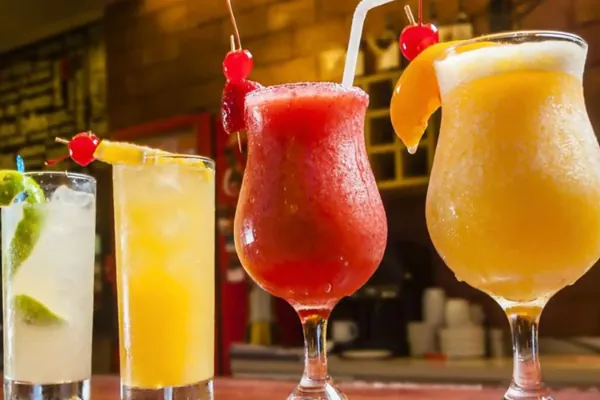
Chilcano week has become one of Peru’s most spirited cultural celebrations, bringing together history, creativity and national pride in early January each year. Rather than focusing solely on the cocktail it highlights, the event captures the atmosphere of a country that values craftsmanship, regional stories and the joy of gathering.
Throughout the celebration, travellers notice how different cities embrace the occasion in their own way. From lively districts in Lima to cultural hubs in the south, Chilcano week showcases local identity through events, workshops and experiences that reflect Peru’s character. It is a moment where tradition and modern culture blend naturally, offering visitors an engaging way to understand the country beyond its major landmarks.
You might also be interested in: 10 Christmas traditions in Peru

What is Chilcano week and why it is celebrated?
Chilcano week has become one of Peru’s most anticipated annual celebrations, bringing together cocktail lovers, local producers and travellers looking for an authentic taste of Peruvian culture. The celebration focuses on appreciating the Chilcano, a refreshing pisco-based drink that reflects the country’s long-standing connection to its national spirit. Throughout the week, bars, restaurants and cultural spaces join in the festivities, offering tastings, pairings and themed events that highlight the drink’s versatility.
Although the celebration is centred on a cocktail, it also represents a broader sense of national pride. Chilcano week encourages people to explore regional flavours, meet local bartenders and understand the heritage behind Peru’s most cherished ingredients. The event has grown steadily, becoming a favourite moment in the calendar for anyone interested in discovering the country’s modern food and drink culture.
The origin of the Chilcano cocktail
The Chilcano traces its roots back to the arrival of Italian immigrants in Peru during the late nineteenth and early twentieth centuries. They brought with them a drink made with grappa and ginger ale, which was later adapted using Peruvian pisco, creating what is now recognised as the traditional Chilcano. Over time, the recipe evolved but kept its essential freshness, making it a popular option in warm weather and a symbol of casual social gatherings.
Its simplicity allowed the drink to be embraced across different regions, from the coast to the Andes. As pisco production expanded and gained recognition, so did the Chilcano. Today, it is considered one of the most accessible ways to experience the character of Peruvian pisco, which explains why it became the centrepiece of Chilcano week and one of the main ambassadors of modern Peruvian mixology.
How the celebration became a national tradition
The celebration began as a small initiative among bartenders and pisco producers who wanted to highlight the versatility of the drink during the early weeks of the year. What started as a simple promotional effort soon captured the attention of the public, who quickly embraced the idea of dedicating a week to enjoying a refreshing and culturally meaningful cocktail. As participation grew, more cities joined and the celebration became a recognised national event.
In recent years, Chilcano week has attracted both locals and international visitors, transforming the tradition into a cultural experience that goes beyond the drink itself. Events now include workshops, tastings, pairings and creative reinterpretations designed by some of Peru’s leading bartenders. The week provides a unique opportunity to explore the country’s evolving cocktail scene while appreciating the heritage behind its ingredients.
You might also be interested in: Cusco in December 2025
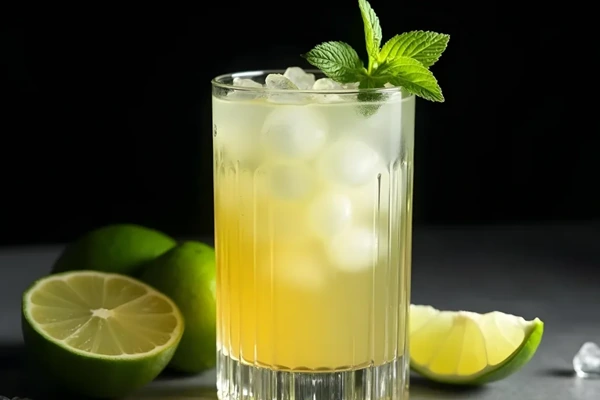
When Chilcano week 2026 takes place?
Chilcano week is traditionally celebrated during the second week of January, marking the start of the year with a lively atmosphere that blends heritage and modern cocktail culture. For 2026, the celebration is expected to follow this same schedule, allowing both locals and visitors to begin the year with refreshing flavours and a welcoming festive spirit. The timing also aligns with Peru’s summer season, making it ideal for enjoying chilled drinks and outdoor gatherings.
The event typically lasts several days, giving participants enough time to explore different venues, try new variations of the cocktail and learn more about the history of pisco. As Chilcano week continues to grow in popularity, more restaurants, bars and cultural spaces join the initiative. This creates an experience that is not only about tasting a drink but about discovering the identity and creativity of Peru’s mixology scene.
Official dates and annual schedule
Although the precise dates for Chilcano week 2026 will be confirmed closer to the event, it usually takes place from the second Friday of January and continues through the following week. This pattern has been consistent for years, allowing people to plan ahead and make the most of the activities that unfold across cities like Lima, Arequipa, Cusco and Trujillo. The consistency of the schedule has helped the celebration become a reliable tradition among locals and travellers alike.
During this period, venues prepare special menus, limited-edition cocktails and cultural activities that highlight the versatility of pisco. Workshops, tastings and talks are often included in the programme, giving visitors a chance to connect with experts and learn about the craftsmanship behind the drink. The schedule may vary between cities, but the core idea remains the same: a week dedicated to celebrating one of the country’s most iconic beverages.
What to expect during the celebration
Visitors can expect a vibrant and friendly atmosphere, with many bars and restaurants offering promotions and themed experiences designed especially for Chilcano week. From classic versions of the cocktail to creative interpretations featuring local fruits and herbs, there is something for every palate. The week brings together both seasoned enthusiasts and those discovering the drink for the first time, creating an inclusive environment where everyone can enjoy the celebration.
Beyond the drinks, the event often includes musical performances, cultural activities and opportunities to learn more about the history of pisco. Many venues host interactive sessions where bartenders share their techniques and inspirations, giving visitors a deeper appreciation of the craft. The combination of flavour, culture and community makes Chilcano week a memorable moment for anyone interested in exploring Peru’s rich gastronomic identity.
You might also be interested in: Visiting Peru in January 2026
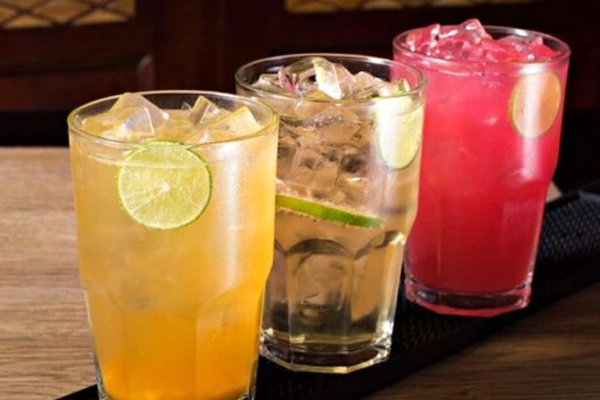
Key traditions and activities during Chilcano week
Chilcano week brings together a wide range of cultural activities that highlight the heritage behind Peru’s most emblematic pisco based cocktail. The celebration goes beyond the drink itself, focusing on the craftsmanship, history and regional traditions that make it an important part of national identity. Visitors and locals find numerous opportunities to learn about the origins of the recipe and the communities involved in pisco production.
Throughout the week, different cities host events designed to strengthen cultural appreciation and showcase the creativity of local talent. These activities often include educational experiences, artistic presentations and thematic programmes that connect gastronomy, tourism and tradition. As a result, the celebration has become a recognised moment in the Peruvian calendar, attracting travellers who are interested in understanding the country’s cultural roots.
Cocktail tastings and bar promotions
During Chilcano week, many hospitality venues highlight the cultural importance of the drink by organising themed tastings that showcase regional variations of the recipe. These events are often framed as opportunities to learn about Peruvian culinary heritage rather than moments focused solely on consumption. Visitors and locals alike can explore how different ingredients influence the aroma and character of the cocktail while understanding the significance of pisco as a national product.
Several businesses also offer special promotions linked to the celebration, aiming to introduce travellers to the wider history of the drink and its connection to Peruvian identity. These initiatives are typically accompanied by explanations about the origins of each preparation, the regions that produce the pisco used and the traditions that surround the celebration. This educational approach helps reinforce awareness of the craftsmanship behind the beverage.
Pisco inspired events across the country
Across Peru, numerous cultural activities highlight the role of pisco in local traditions and the value it brings to communities involved in its production. Cities such as Lima, Arequipa and Cusco often host exhibitions, talks and guided experiences that explain how pisco is made and why it represents an important symbol of national pride. In Arequipa, these initiatives are frequently supported by local operators and an experienced Arequipa tours agency, helping travelers connect with the cultural context behind the spirit. These events focus on heritage rather than on tasting alone, allowing attendees to engage with the story behind the tradition.
In many regions, tourism circuits take advantage of the celebration to promote visits to pisco producing valleys and museums dedicated to the craft. These routes usually include historical information, demonstrations and insights into the agricultural work behind the industry. The intention is to strengthen cultural appreciation and support local producers who maintain long standing traditions.
Workshops, masterclasses and mixology sessions
Educational workshops are a central part of the celebration, offering visitors the chance to learn about the techniques involved in preparing the cocktails traditionally associated with the season. These sessions are usually led by experienced professionals who explain the origins, methods and ingredients in a structured and accessible way. Participants can understand how certain flavours are combined and why specific preparations have become representative of Peru.
Masterclasses often focus on the artistry of mixology, exploring how Peruvian ingredients have influenced creative approaches within the hospitality sector. These classes typically discuss trends, cultural influences and the evolution of pisco based cocktails through time. The goal is to deepen the appreciation of craftsmanship and storytelling within the broader context of Peru’s culinary reputation.
Regional fairs and cultural showcases
Some regions organise fairs that highlight local traditions connected to the production of pisco and the historical relevance of the Chilcano. These fairs may include artisan exhibitions, traditional music performances and presentations that celebrate community identity. They aim to create an environment where visitors can understand the connection between local culture, agriculture and national celebrations.
Cultural showcases often involve storytelling sessions, folklore demonstrations and thematic displays that explore the social meaning of the celebration. This approach gives the event a broader cultural dimension, allowing both residents and travellers to recognise its significance beyond the beverage itself.
Food pairings and culinary demonstrations
Many restaurants prepare special menus inspired by the season, using the occasion to highlight Peruvian gastronomy and its regional diversity. Chefs often present dishes that complement the flavours traditionally associated with the celebration, demonstrating how local ingredients create harmony with the aromas of pisco. These menus serve as an introduction to Peru’s culinary creativity and heritage.
Culinary demonstrations also play an important role, offering insights into cooking techniques and regional food traditions. Presenters typically explain the history behind certain dishes, the influence of local produce and the connection between Peruvian cuisine and national festivities. This educational approach reinforces appreciation for the country’s food culture
You might also be interested in: Top 10 places to visit the Peruvian Coast
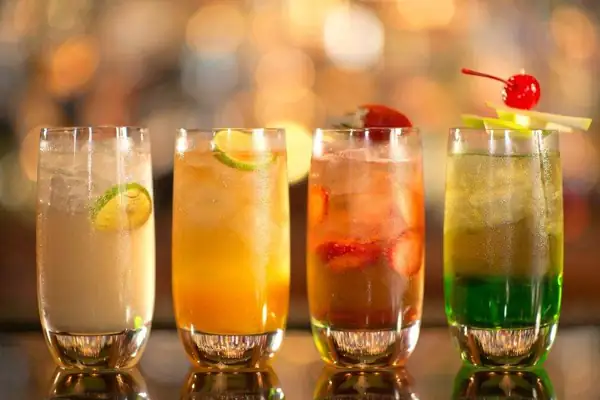
Where to experience Chilcano week in Peru?
Chilcano week is celebrated across several Peruvian cities, each offering its own cultural approach to the event. Travellers who visit during this period find a diverse atmosphere, shaped by regional heritage and the strong connection communities have with the history of pisco. The experience varies depending on the destination, allowing visitors to explore local traditions, creative programmes and cultural activities linked to the celebration.
From coastal capitals to Andean cities, many places highlight their identity through exhibitions, guided activities and themed events. These gatherings often focus on tradition, storytelling and regional craftsmanship. Whether visitors stay in the capital or venture into other destinations, Chilcano week provides an opportunity to understand the cultural significance behind one of Peru’s most recognisable elements.
Lima’s cocktail scene and top districts
Lima plays a central role in Chilcano week, offering an organised calendar of activities that reflects the city’s dynamic cultural environment. Districts such as Miraflores, Barranco and San Isidro often participate with thematic events, exhibitions and heritage based programmes that highlight the history and evolution of pisco culture. Travellers can also experience neighbourhood initiatives that showcase local creativity and the importance of the week within the capital’s identity.
Beyond the main districts, the city includes smaller cultural spaces and independent venues that contribute to the week’s atmosphere. These places frequently host talks, demonstrations and guided presentations related to the traditions surrounding the celebration. For many visitors, Lima becomes the ideal starting point to understand the significance of Chilcano week within Peru’s broader cultural landscape.
Popular spots in Cusco, Arequipa and northern Peru
The Andean city of Cusco brings a different perspective to Chilcano week, often combining the celebration with its rich historical setting. Many cultural centres and local venues organise activities that focus on tradition, heritage and storytelling. The blend of Andean identity and national festivities creates a meaningful experience for travellers who want to explore deeper cultural layers.
Arequipa and cities in northern Peru, such as Trujillo and Chiclayo, also participate in their own distinctive ways. These destinations commonly offer cultural programmes, small exhibitions and community events that highlight regional identity. Visitors can learn about local customs while enjoying a programme that aligns with the essence of Chilcano week without losing each region’s unique character.
Events for travellers seeking a local experience
Travellers looking for an authentic experience during Chilcano Week often find smaller community events to be the most meaningful. These local gatherings typically include cultural demonstrations, guided explanations and regional showcases that help visitors understand the traditions behind the celebration. Many of these activities are organised by independent groups or neighbourhood associations, creating a welcoming environment that reflects local pride. In some cases, a best travel agency in Peru may also highlight these lesser known experiences for travellers seeking deeper cultural connections.
Some destinations also present themed routes or cultural itineraries designed to guide visitors through the history and symbolism of the celebration. These experiences focus on learning, connection and appreciation for the heritage linked to pisco and its role in Peruvian identity. For travellers who want to go beyond the main programme, these local events provide a valuable and enriching perspective.
You might also be interested in: 10 best restaurants in Cusco that you must visit
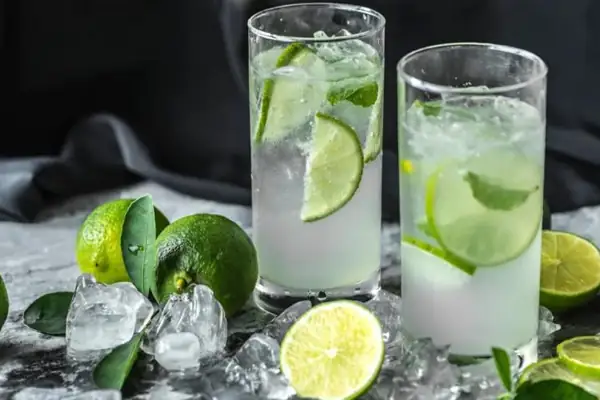
How to make your own Chilcano at home
Many adults who celebrate Chilcano week enjoy exploring the cultural background of this traditional drink. The preparation has become part of the celebration itself, representing family gatherings, creativity at home and the appreciation of Peruvian heritage. Rather than focusing only on flavours, people value the meaning behind the tradition and its role in national identity.
Understanding how the drink is usually approached socially helps travellers grasp why Chilcano week is such an important date in Peru. It reflects cultural pride and the long history behind pisco production, which is deeply rooted in several regions across the country.
Essential ingredients and preparation steps
When adults prepare this drink during Chilcano week, they typically follow a simple tradition that has been passed down through generations. What matters most is not the exact method, but the experience of coming together to share stories and celebrate Peruvian culture.
The basic components associated with the drink are widely recognised, and most people in Peru are familiar with them. However, the emotional element and the symbolism behind the tradition remain the true essence of the celebration.
Tips to personalise your own cocktail
Many adults choose to give their own cultural touch to the drink, often inspired by local ingredients, family customs or regional influences. These adaptations help keep the tradition alive and connected to each household’s identity.
Personalised versions are usually linked to memories, celebrations and the regional diversity of Peru. This creative approach is one of the reasons why Chilcano week continues to feel fresh and relevant every year.
Travel and planning tips for Chilcano week 2026
Chilcano week attracts many visitors who want to explore its cultural meaning across different Peruvian cities. Travellers who plan ahead are able to enjoy the full programme of exhibitions, guided activities and regional events that highlight the country’s connection to pisco heritage. The atmosphere varies from one region to another, creating a rich experience for those seeking deeper cultural understanding.
Planning a visit during this period also allows travellers to explore local districts, museums and cultural venues that participate in the celebration. With the right information, it becomes easier to build an itinerary that reflects both the festive spirit and the historical roots of the tradition.
What travellers should know before visiting
Visitors should expect a lively environment, as many venues and cultural centres participate in the national celebration. The schedule usually includes thematic activities, talks, demonstrations and regional showcases, offering a broad perspective on Peruvian identity.
It is also helpful to learn about each city’s specific customs, since the celebration can look quite different in Lima, Cusco, Arequipa or northern regions. Understanding these variations helps travellers choose the destination that best fits their interests.
Budget, transport and timing recommendations
Travellers planning to participate in events linked to Chilcano week often benefit from organising their transport and accommodation early. Cities such as Lima and Cusco tend to be busier during national celebrations, so booking ahead ensures a smoother experience.
Budget considerations depend on the region. Some areas offer numerous free cultural activities, while others include paid exhibitions or special events. With clear planning, visitors can create an itinerary that fits their preferences and allows them to enjoy the cultural richness associated with this national week.
You might also be interested in: New year in Peru 2026
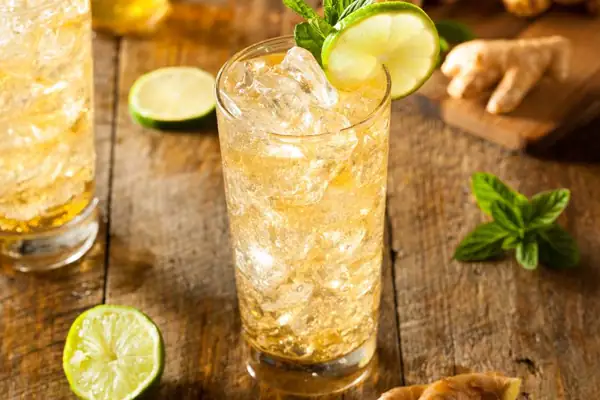
Why Chilcano week has become a cultural icon in Peru?
Chilcano Week has grown into one of the country’s most recognisable annual celebrations, not only because it highlights a beloved cocktail, but because it reflects how Peruvians connect with their heritage. Across the country, bars, restaurants and cultural spaces use this moment to honour creativity, hospitality and local identity. In Cusco, cultural interest around this period often extends to historic sites, with travellers combining celebrations and experiences offered by the best Coricancha tours to better understand the layers of history behind local traditions.
The celebration has become a stage where Peru showcases its passion for flavour, tradition and community spirit in a way visitors find both surprising and memorable.
The event also brings together travellers and locals through shared experiences. Whether it is attending cultural activities, joining tastings, or simply walking through lively districts during Chilcano week, the atmosphere showcases Peru’s warmth and collective pride. Over time, this energy has transformed the celebration into a cultural icon that goes far beyond the drink itself.
The role of pisco in Peruvian identity
Pisco plays a central role in Peruvian culture, and its history is deeply tied to national identity. It represents craftsmanship, regional diversity and centuries of tradition, especially in southern valleys where families have produced it for generations. During Chilcano week, this sense of heritage becomes more visible, giving travellers a chance to understand why pisco is a symbol of pride for many Peruvians.
The celebration also highlights the work of local producers, distilleries and artisans who preserve traditional techniques. By showcasing the origins and stories behind pisco, Chilcano week helps visitors appreciate how much cultural value is attached to this spirit. It becomes clear that the festivities are not just about the cocktail, but about honouring a product that carries history, identity and community significance.
Why the celebration attracts both locals and visitors?
Chilcano week attracts a wide audience because it blends culture, entertainment and regional storytelling in a way that feels accessible to everyone. Locals enjoy the opportunity to celebrate a part of their heritage, while visitors find it an engaging way to explore Peru beyond its well-known landmarks. The atmosphere is lively and welcoming, offering events that appeal to food lovers, culture enthusiasts and curious travellers alike.
For tourists, the celebration offers a window into everyday Peruvian life. They can walk through vibrant districts, enjoy gastronomic events, learn about local traditions and experience the social energy that defines the country. Because of this mix of authenticity and festive spirit, Chilcano week has become a memorable cultural touchpoint for anyone visiting Peru in early January.
Conclution of Chilcano week 2026
Chilcano week stands out because it represents much more than a festive occasion; it reflects the pride Peruvians place in their heritage and the narratives that shape their regions. Whether exploring cultural activities, attending creative events or simply observing the energy that fills city streets, visitors discover a celebration that reveals Peru’s warmth and authenticity.
As the tradition continues to grow, it offers travellers a meaningful window into the country’s identity. Experiencing Chilcano week allows anyone to appreciate Peru’s cultural richness in a way that feels lively, welcoming and genuinely memorable.
