

Christmas traditions in Peru offer a captivating window into a festive season shaped by history, community and cultural diversity. From the Andes to the Amazon, every region embraces December with its own meaning, weaving together ancestral customs, religious practices and heartfelt moments shared among families.
Exploring these celebrations reveals more than just seasonal rituals. It uncovers the values that define Peruvian identity and the unique ways local communities welcome travellers into their traditions. Whether through vibrant markets, elaborate nativity scenes or gatherings filled with warmth, the Christmas spirit here feels both familiar and profoundly unique.
You might also be interested in: Cusco in December 2025

What Christmas means in Peru
Christmas traditions in Peru reveal a celebration that blends spirituality, culture and deep-rooted community values. In many households, the festive season is not only about decorations or gifts but about reconnecting with heritage and honouring customs that have been passed down for generations. The atmosphere across cities and villages becomes filled with colour, music and a sense of shared anticipation as families prepare for gatherings, food and rituals that hold special meaning.
Across the country, the festive period is seen as a moment to reflect on gratitude, unity and cultural identity. From major cities like Lima to traditional Andean communities, people embrace Christmas with a balance of joy and symbolism. This is a time when artistic expressions flourish, local markets come alive, and families invest care into creating Nativity scenes, planning meals and organising celebrations that reflect Peru’s multicultural spirit.
The cultural blend of Andean and Catholic influences
The foundation of many Christmas traditions in Peru comes from the fusion of Catholic beliefs introduced during the colonial period and ancestral Andean practices that remain strong today. This blend is visible in the way communities celebrate through art, ceremonies and local storytelling. Nativity scenes often incorporate Andean landscapes, traditional clothing and regional materials, showing how both cultural worlds coexist in the festive narrative.
Religious gatherings, including Christmas Eve Mass, are often accompanied by music and rituals that express a distinctive Andean identity. In rural regions, people come together to sing, dance and honour both Christian symbolism and their connection to the natural world. This harmony between traditions contributes to a celebration that feels rich, textured and deeply meaningful.
The importance of family, community and gratitude
Family is at the heart of the Christmas season in Peru, and preparations begin days before the festive night. Relatives gather to cook, decorate and share stories, building an atmosphere that feels warm and collaborative. Christmas Eve becomes the central moment of the celebration, with families staying up until midnight to enjoy a meal, exchange greetings and appreciate time together.
Beyond the home, many communities place strong importance on collective support and generosity. It is common to see neighbourhoods organising events for children, delivering gifts to families in need or preparing shared meals. Gratitude plays a major role in these moments, reinforcing the idea that Christmas is not only a time for celebration but also an opportunity to strengthen social ties and express kindness.
You might also be interested in: Visiting Peru in January 2026

The 10 most important Christmas traditions in Peru
Among the many Christmas traditions in Peru, there are certain customs that hold a special place for families and communities across the country. These traditions reflect a combination of religious heritage, artistic expression and local identity, allowing travellers to experience the festive season through deeply rooted cultural lenses. Each region contributes something unique, creating a celebration that feels diverse and meaningful.
Exploring these customs provides a clearer understanding of how Peruvians live the spirit of the season. From local markets and handcrafted art to family rituals and regional festivities, each tradition offers insight into the country’s values and the joy that surrounds this time of year. Below are ten of the most important traditions that shape Christmas celebrations throughout Peru.
1. The Santurantikuy Market in Cusco
Held every year on Christmas Eve in the main square of Cusco, the Santurantikuy Market is one of the most iconic festive events in the country. Artisans from nearby provinces travel to the city to showcase their work, offering everything from carved figures and ceramics to textiles and Andean decorations. The atmosphere is lively, colourful and filled with the scent of local food, making it a beloved tradition for residents and visitors.
Many people visit the market to purchase figures for their Nativity scenes or to find unique handmade gifts that reflect the region’s cultural artistry. The event is a reminder of how creativity and community spirit come together during the festive season, and it remains one of the most memorable parts of Christmas in the Andean region.
2. Crafting handmade Nativity scenes (Retablos and Nacimientos)
Nativity scenes are an essential part of Christmas traditions in Peru, and families take great pride in creating displays that reflect their identity and surroundings. Retablos and Nacimientos often feature Andean landscapes, local animals and figures dressed in regional clothing, bringing a distinct cultural touch to the traditional Christian story. These pieces are carefully arranged in homes, churches and public spaces.
The process of making or expanding a Nativity scene is a cherished family activity, with each person contributing to the decoration or selection of new pieces. Artisans around the country specialise in crafting these miniature works of art, and many households collect figures over the years, turning the display into a symbol of continuity and heritage.
3. The Christmas Eve feast known as Nochebuena
Nochebuena is the most anticipated moment of the festive season for many Peruvian families. Preparations begin early in the day, with households cooking dishes that vary by region but usually include roast meats, tamales, salads and sweet treats. Families wait until midnight to enjoy the meal together, marking the official arrival of Christmas with warmth and excitement.
The midnight feast is not only about enjoying food. It is a moment to reconnect with loved ones, express gratitude and celebrate the togetherness that defines the season. Conversations, music and shared traditions turn the evening into one of the most meaningful times of the year.
4. Eating Panetón with hot chocolate
A characteristic part of the season in Peru is the tradition of eating Panetón with a cup of hot chocolate. This sweet bread, filled with raisins and candied fruit, is enjoyed throughout December and becomes especially important during Christmas Eve. Families often gather in the afternoon or evening to share slices of Panetón while preparing their celebrations.
The hot chocolate served during this time is usually rich and aromatic, sometimes prepared with spices or local ingredients. The combination brings comfort and warmth to homes, particularly in the Andean regions where evenings can be cool. It is a simple yet meaningful ritual that forms part of many families’ festive memories.
5. Midnight greetings and family gatherings
At the stroke of midnight, families exchange greetings and express good wishes for the season. The moment is filled with joy as relatives embrace, share blessings and reflect on the year that is coming to an end. For many households, these greetings are just as important as the meal that follows.
After midnight, families often spend several hours talking, playing music or enjoying traditional desserts. In some communities, neighbours visit one another to exchange greetings, creating a warm social atmosphere that continues into the early morning.
You might also be interested in: Top 10 places to visit the Peruvian Coast
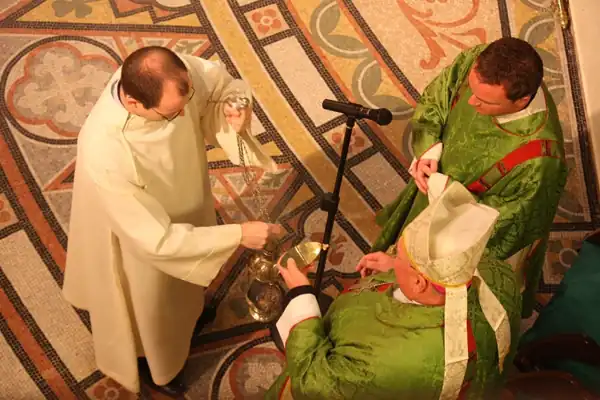
6. Christmas Mass (La Misa de Gallo)
La Misa de Gallo is a traditional Christmas Eve service attended by many Peruvian families. Church bells, music and decorated altars create a solemn yet festive environment where people gather to celebrate the religious meaning of Christmas. The service is usually held late in the evening, before families return home for Nochebuena.
In rural areas, the Mass may include elements of local culture, such as Andean music or community performances. These touches blend Catholic practices with regional identity, making the celebration feel both spiritual and uniquely Peruvian.
7. Gift-giving with a focus on children
One of the most heartfelt Christmas traditions in Peru is the emphasis on giving gifts to children. For many families, the joy of the season is expressed through small presents, sweets or handmade toys that bring excitement to younger relatives. Parents, grandparents and neighbours often participate in making the experience special.
In some communities, local organisations or groups gather contributions to ensure that children from low-income households also receive gifts. This gesture reinforces the importance of generosity and inclusion during the festive period.
8. Community sharing and charity traditions
Acts of charity play a central role in many Peruvian celebrations. Communities organise events known as chocolatadas, where hot chocolate, Panetón and small gifts are shared with children and families. These gatherings are often hosted by neighbourhood groups, schools, churches or volunteers who wish to support those in need during the holidays.
The spirit of sharing extends beyond organised events, as many families prepare extra food or participate in local initiatives that help strengthen community bonds. These acts of kindness reflect the values of solidarity and gratitude that define the festive season in Peru.
9. Andean dances and music during festive days
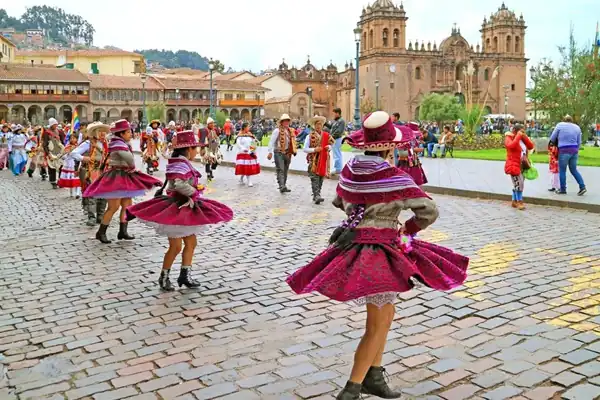
In the Andean regions, music and dance are key elements of Christmas celebrations. Communities perform traditional dances that reflect stories of local history, spirituality and daily life. These performances often take place in town squares or during regional festivities.
Musicians accompany the celebrations with instruments such as flutes, drums and charangos, creating an atmosphere that feels vibrant and grounded in cultural heritage. The inclusion of dance and music adds a joyful and expressive dimension to the festive season.
10. Regional celebrations from the coast, Andes and Amazon
Christmas traditions in Peru vary across regions, making the holiday an incredibly diverse experience. Along the coast, families often celebrate with outdoor gatherings and seafood dishes. In the Andes, the focus tends to be on community rituals, handcrafted art and warm meals suited to the cooler weather.
In the Amazon, celebrations include traditional music, local dances and unique culinary preparations that highlight the region’s tropical ingredients. These differences show how each part of the country contributes its own identity to a shared national celebration.
You might also be interested in: 10 best restaurants in Cusco that you must visit
How Christmas celebrations vary across Peru
Christmas traditions in Peru are shaped by the country’s diverse geography and cultural heritage, which means the festive season looks different depending on where you travel. The Andes, the coast and the Amazon each contribute unique customs that reflect regional identity while still maintaining the shared spirit of the holiday. This variety makes the season particularly fascinating for travellers who want to experience how tradition adapts to local culture.
Understanding how these celebrations differ helps reveal the richness behind Christmas traditions in Peru. Whether it is the communal gatherings in highland towns, the family-centred celebrations along the coast or the lively rituals in the Amazon, each region brings something meaningful to the festive period. These differences highlight the depth and cultural nuance that define the holiday across the country.
Festive customs in the Andes (Cusco, Puno, Ayacucho)
In the Andes, Christmas is strongly influenced by a blend of Catholic traditions and ancestral Andean customs. Cities such as Cusco, Puno and Ayacucho celebrate with community events, traditional dances and vibrant markets, all of which reflect the cultural roots of the region. Families gather for Nochebuena, decorate their homes with handmade Nativity scenes and enjoy warm dishes suited to the high-altitude climate.
These highland celebrations often have a sense of togetherness that is deeply embedded in Christmas traditions in Peru. Music, folk art and local expressions of faith create a festive atmosphere that feels both spiritual and communal. Many travellers find that the Andean regions offer some of the most authentic and culturally rich Christmas experiences in the country.
Coastal family traditions (Lima, Trujillo, Chiclayo)
Along the coast, Christmas celebrations tend to revolve around family gatherings, warm-weather meals and outdoor activities. Cities such as Lima, Trujillo and Chiclayo enjoy milder climates in December, allowing families to celebrate with evening barbecues, seaside visits or neighbourhood events. The coastal style of celebration is relaxed, lively and centred on enjoying time together.
These coastal traditions add another dimension to Christmas traditions in Peru by highlighting how the festive season adapts to different environments. While the religious meaning remains important, the celebratory atmosphere often feels more informal and social. Families may gather for late dinners, exchange gifts after midnight and continue the celebration well into Christmas Day.
Amazonian Christmas rituals and community gatherings
In the Amazon, Christmas celebrations are known for their strong sense of community and rich cultural expressions. Towns and villages often hold large gatherings with traditional dances, regional music and shared meals featuring local ingredients. Decorations and festivities also reflect the natural environment, giving the celebrations a distinctive Amazonian character.
These customs reinforce the diversity found within Christmas traditions in Peru. Families and communities come together to celebrate through events that incorporate local folklore, music and rituals. The emphasis on unity and generosity creates an atmosphere that feels both joyful and deeply connected to the region’s cultural identity.
You might also be interested in: New year in Peru 2026
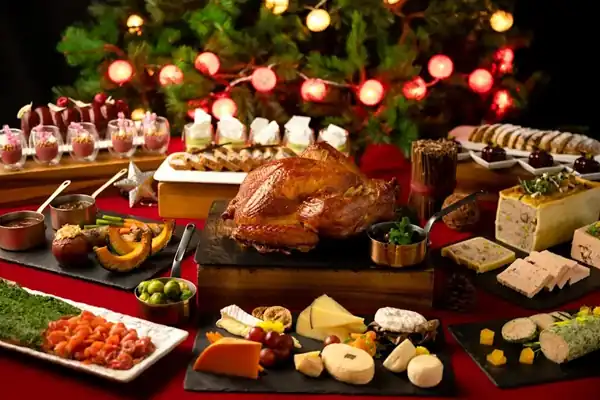
Christmas food traditions in Peru
Food plays a central role in Christmas traditions in Peru, bringing families together for meals that combine long-standing customs with regional influences. The dishes enjoyed during the season reflect the country’s varied geography and cultural heritage, making the festive table an expression of national identity. Sharing these meals is one of the moments families look forward to the most during the holidays.
Exploring these food traditions offers a deeper understanding of how culinary practices shape Christmas traditions in Peru. From classic Christmas Eve dishes to regional desserts and locally inspired flavours, the festive season highlights the creativity and diversity of Peruvian cuisine. These meals help strengthen family bonds and preserve cultural heritage across generations.
Classic dishes served on Christmas Eve
Across the country, Christmas Eve dinner is the most important meal of the season. Families typically enjoy roast turkey or chicken, accompanied by salads, tamales or rice-based dishes that vary by region. The meal is enjoyed at midnight as part of the Nochebuena celebration, marking the official start of Christmas with warmth and gratitude.
These dishes play a meaningful role in Christmas traditions in Peru because they bring generations together around the table. The preparation of the meal often becomes a family event, with relatives contributing their favourite recipes or adding regional touches that make the dinner unique to each household.
Regional flavours and festive desserts
Desserts also play a significant part in the Christmas food experience. While Panetón is the most iconic treat, many regions contribute their own sweets, such as Andean pastries, fruit-based desserts or Amazonian preparations made with local ingredients. These desserts reflect the country’s diverse culinary identity and the creativity of home cooks.
The variety of flavours highlights the regional richness behind Christmas traditions in Peru. Families often prepare or share these treats throughout December, adding them to gatherings with friends and neighbours. The combination of classic and regional sweets creates a festive atmosphere that feels comforting and culturally meaningful.
You might also be interested in: All Saints’ Day in Peru 2025

Tips for travellers spending Christmas in Peru
Travelling in December offers a wonderful opportunity to experience Christmas traditions in Peru in an authentic and meaningful way. The festive season is full of cultural details that vary by region, so planning ahead helps you make the most of your holiday. Whether you are interested in traditional celebrations, regional food or spiritual customs, a bit of preparation can significantly improve your experience.
Understanding the country’s festive rhythm also helps you choose where to spend your time. Cities and rural areas celebrate differently, and transportation schedules change during the holiday period. Keeping these aspects in mind makes it easier to navigate your itinerary and enjoy the richness of Christmas traditions in Peru without feeling rushed or unprepared.
Best places to experience authentic traditions
Some destinations offer particularly immersive experiences for travellers interested in Christmas traditions in Peru. Cusco stands out with its blend of Andean and Catholic customs, along with the famous Santurantikuy market on the day before Christmas. Smaller towns in the Sacred Valley also provide warm community celebrations where visitors are welcomed with music, dance and traditional food.
Other regions offer equally engaging experiences. In the Amazon, community gatherings often include storytelling and regional rituals, while coastal cities such as Lima present a more contemporary yet family-focused celebration. Choosing where to go depends on the kind of festive atmosphere you want to experience, whether cultural, spiritual or family-oriented.
What to expect in December weather
Weather conditions vary across Peru in December, which can influence how you experience the festive period. The Andes begin their rainy season with frequent showers, especially in the afternoons, although mornings can still be pleasant. Travellers should be prepared for sudden changes and occasional storms, particularly if visiting high-altitude destinations.
Along the coast, the weather is warmer, with mild evenings and bright mornings that suit outdoor celebrations. In the Amazon, humidity is high and rain is common, but the landscape becomes vibrant and lush. Understanding these weather patterns helps ensure you enjoy Christmas traditions in Peru comfortably and without disruptions to your plans.
Practical advice for planning your visit
Planning your trip around Christmas is essential because the festive season is a busy period for both locals and travellers. Booking accommodation and transportation in advance helps you avoid last-minute issues. It is also helpful to check opening hours of markets, museums and attractions, as many adjust their schedules during the holidays.
Carrying essentials such as waterproof clothing, comfortable footwear and appropriate layers will help you navigate different regions with ease. Travellers who plan ahead often enjoy a smoother and more relaxed experience, allowing them to focus fully on the cultural richness of Christmas traditions in Peru.
You might also be interested in: 8 best places to see the sunsets in Peru

Why Christmas in Peru is a unique cultural experience
Christmas traditions in Peru stand out for their meaningful combination of spirituality, cultural heritage and regional diversity. The festive season is not only about celebrations but also about family, gratitude and long-standing rituals that have been passed down for generations. This blend creates an atmosphere that feels both joyful and deeply rooted in tradition.
For travellers, this cultural richness offers a chance to see how communities across the country celebrate in their own distinctive ways. From Andean markets to coastal gatherings and Amazonian rituals, the variety of experiences available reflects the country’s strong identity and warm spirit during the holiday season.
The balance between heritage and modern celebrations
One of the most remarkable aspects of Christmas traditions in Peru is the way ancient Andean customs coexist with Catholic celebrations introduced during the colonial era. Many families incorporate both elements into their festivities, creating a holiday that feels both spiritual and culturally expressive. This combination adds a depth and uniqueness that sets Peruvian Christmas apart.
Modern influences also play a role, especially in cities where contemporary decorations, lights and public events blend with traditional practices. This balance between old and new offers travellers a fascinating perspective on how culture evolves while still honouring its origins.
What makes Peruvian Christmas unforgettable for visitors
Travellers often find that the warmth of Peruvian hospitality is what makes the festive season truly memorable. Families celebrate with open doors, communities share food and traditions, and visitors are frequently invited to participate in local customs. These gestures create an atmosphere of connection that enhances the experience far beyond simple sightseeing.
The combination of cultural depth, regional diversity and genuine community spirit makes Christmas traditions in Peru unforgettable for many visitors. Whether exploring a market in Cusco, sharing hot chocolate with a family or witnessing Amazonian celebrations, the festive season leaves a lasting impression.
Final reflections on Christmas traditions in Peru
The richness of Christmas traditions in Peru lies in how effortlessly the country blends its ancestral heritage with the warmth of contemporary celebrations. Travellers soon realise that Christmas here is not defined solely by events or rituals, but by the genuine sense of togetherness that shapes every moment. It is a season where communities open their homes, families share meals that carry stories across generations, and local customs bring to life a festive spirit rooted in authenticity.
For visitors, this cultural mosaic becomes an invitation to slow down, observe and participate in celebrations that are both deeply meaningful and wonderfully diverse. Whether experiencing vibrant Andean music, tasting regional Christmas dishes or joining local gatherings, each tradition reveals a different layer of Peru’s identity. Together, they show why the country’s festive season remains one of the most memorable and heartfelt ways to understand its culture.
