
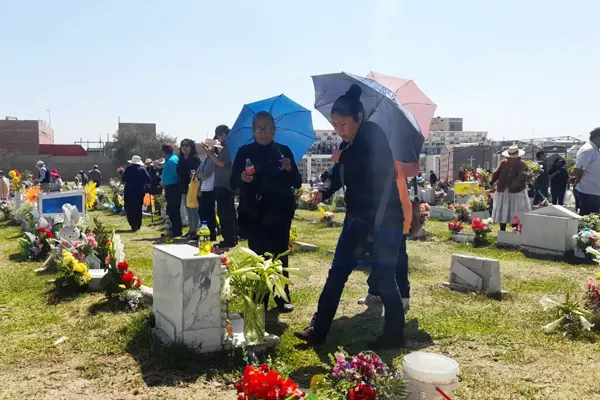
All Saints’ Day in Peru is one of the country’s most heartfelt celebrations, blending Catholic faith with deep-rooted Andean traditions. Every year on 1 November, families across Peru come together to honour the saints and their ancestors, transforming cemeteries, plazas, and homes into spaces filled with flowers, food, and memories. It’s a time when the living and the departed are united in spirit, creating a sense of connection that transcends generations.
Beyond its religious significance, this celebration offers travellers a glimpse into the essence of Peruvian culture — where spirituality, family bonds, and respect for the Earth intertwine. From vibrant festivities in Cusco and Ayacucho to quiet moments of reflection in small mountain villages, the occasion invites everyone to experience the warmth and authenticity of Peru’s traditions.
You might also be interested in: 8 best places to see the sunsets in Peru
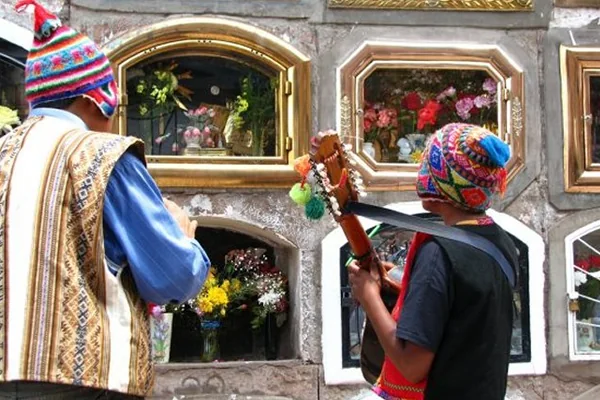
What is All Saints’ Day in Peru
All Saints’ Day in Peru is one of the country’s most meaningful celebrations, deeply rooted in both Catholic and Andean traditions. Observed every 1st of November, it’s a time when families across the nation come together to honour their loved ones who have passed away, while also paying tribute to saints and spiritual protectors. Unlike more festive holidays, this is a reflective moment filled with warmth, togetherness and devotion. The atmosphere combines faith, remembrance and gratitude, making it an important expression of Peru’s cultural identity.
What makes All Saints’ Day in Peru particularly unique is the way modern customs blend seamlessly with ancestral beliefs. From large cities to remote highland communities, people celebrate with masses, offerings, traditional food and gatherings at cemeteries. Each region gives the date its own special touch, creating a mosaic of rituals that connect families, faith and the natural world.
The meaning and history of the celebration
The origins of All Saints’ Day in Peru date back to the Spanish colonial period, when Catholic traditions were introduced and merged with the spiritual customs of the Andean people. Before Christianity arrived, the Incas already celebrated rituals of remembrance dedicated to their ancestors. These ancient ceremonies honoured the spirits of the dead as part of the living world, believing that the connection between both realms should never be broken. When Catholicism took root, these beliefs intertwined, giving birth to a hybrid celebration that continues to this day.
Over time, All Saints’ Day in Peru evolved into a day not only of prayer but also of cultural expression. Families bring flowers and food to cemeteries, musicians play traditional melodies, and artisans create symbolic bread figures and candles. This living heritage reminds everyone of the importance of continuity, love and respect for the past. In many ways, it’s a day that unites generations and keeps the essence of Peruvian spirituality alive.
When is All Saints’ Day celebrated in 2025
All Saints’ Day in Peru is observed on the 1st of November every year, which in 2025 falls on a Saturday. The weekend date will likely make the celebrations even more vibrant, as many families will use the opportunity to travel and gather with relatives. Across the country, preparations begin days in advance, with markets filling up with flowers, sweets and traditional food like lechón, tamales and pan wawa, a sweet bread shaped like a baby that symbolises rebirth and love.
On this day, churches hold special masses, while communities decorate cemeteries and homes with candles and colourful arrangements. It’s not only a public holiday but also a time for reflection, storytelling and family connection. For travellers visiting during this period, All Saints’ Day in Peru offers a unique window into the nation’s soul, where the sacred and the everyday coexist in harmony.
The link between All Saints’ Day and the Day of the Dead
In Peru, All Saints’ Day is closely linked to the Day of the Dead, celebrated on the 2nd of November. The two dates form a meaningful sequence that reflects both remembrance and continuity. While All Saints’ Day focuses on honouring saints and spiritual protectors, the Day of the Dead is more personal, dedicated to remembering family members and friends who have passed away. Together, they represent a profound vision of life and death that blends Catholic faith with indigenous wisdom.
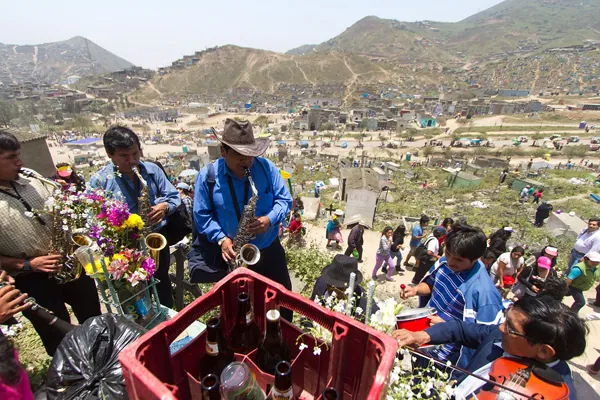
During this two-day period, cemeteries across Peru become vibrant meeting places filled with colour, music and emotion. Families share food, stories and even songs with the souls of their loved ones, believing that this act nourishes their spirits and strengthens the bond between worlds. For visitors, witnessing this connection offers a touching insight into how All Saints’ Day in Peru goes beyond religion, becoming a symbol of love, unity and respect for life’s cycle.
You might also be interested in: 10 lakes in Peru you should visit
How Peruvians celebrate All Saints’ Day
All Saints’ Day in Peru is a heartfelt celebration that brings families and communities together through faith, food and tradition. The day begins with people attending morning mass and continues with visits to cemeteries, where graves are decorated with flowers, candles and personal mementos. These acts of love reflect the belief that life and death are part of a shared journey, and that remembrance keeps the connection with ancestors alive. Across the country, the atmosphere is peaceful yet full of emotion, as families honour their loved ones in meaningful and joyful ways.
Beyond its spiritual dimension, All Saints’ Day in Peru also serves as a celebration of identity. Each region of the country expresses its devotion differently — from the Andean highlands to the Amazon and the coast — but all share a common sense of community and gratitude. The celebrations often extend into the evening, blending faith, family and festivity in a way that feels uniquely Peruvian.
Family gatherings, food and remembrance
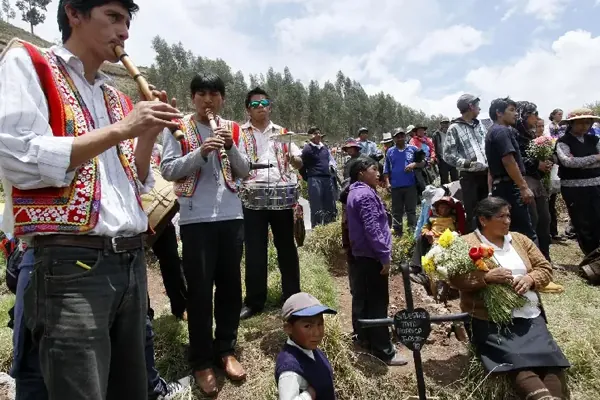
For many Peruvians, All Saints’ Day is one of the most important family dates of the year. Early in the morning, relatives gather to clean and decorate the resting places of their loved ones with bright flowers, crosses and wreaths. Families often spend hours at the cemetery, sharing food, music and memories while expressing their love for those who have passed away. This communal act transforms grief into connection, showing how remembrance can also be a celebration of life.
Food plays a central role during All Saints’ Day in Peru, symbolising unity and continuity. Traditional dishes are shared among family members or offered at the gravesite, honouring the belief that the spirits of the dead return to visit. Homemade meals, sweet breads and drinks bring comfort and nostalgia, reminding everyone of the enduring bond between generations. The day ends not with sadness, but with a renewed sense of closeness and gratitude.
Traditional crafts, music and religious ceremonies
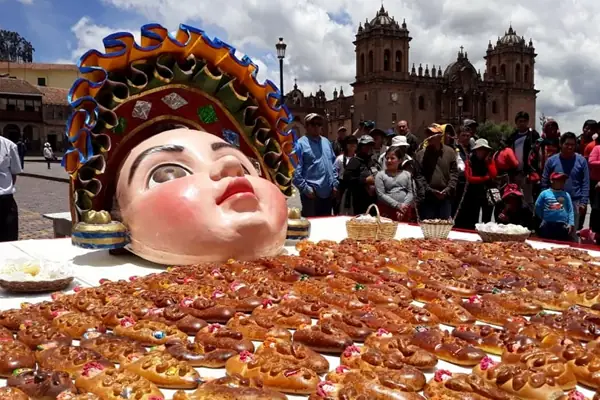
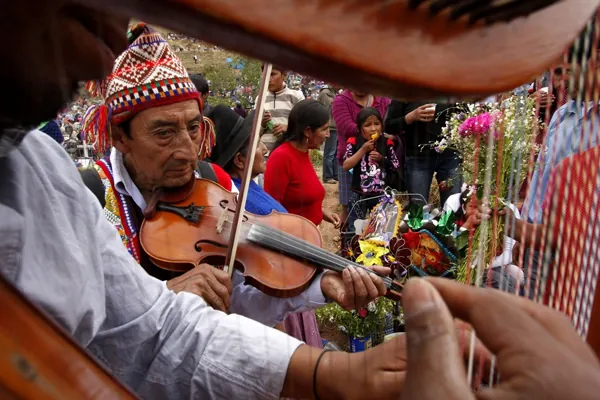
Throughout Peru, All Saints’ Day is enriched by music, crafts and religious rituals that give the celebration a distinctly local character. In the Andes, it’s common to hear traditional songs performed with guitars and harps, while in rural towns, processions and prayers fill the streets. Craftsmen and artisans create colourful decorations, including candles, crosses and pan wawa figures made from bread dough, each one carrying symbolic meaning. These handmade offerings embody the creativity and devotion of Peruvian culture.
Religious ceremonies are also at the heart of All Saints’ Day in Peru. Churches host special masses dedicated to both the saints and the souls of the departed. In some regions, priests bless the cemeteries, while families kneel beside the graves, whispering prayers of thanks and hope. The combination of sacred and cultural traditions creates an atmosphere of peace and reverence that draws both locals and visitors alike.
Typical dishes prepared for this date
Food traditions during All Saints’ Day in Peru are as diverse as the country itself, reflecting a mix of indigenous and Spanish influences. One of the most iconic dishes is lechón al horno, roasted pork served with tamales and sweet potatoes, which is especially popular in the Andes and central coast. Families also prepare mondongo soup and chicha morada, a purple corn drink that accompanies meals throughout the day. These dishes are often enjoyed together at home or shared with neighbours and friends, reinforcing the communal spirit of the occasion.
Sweet offerings hold special meaning too. Tanta wawa or pan wawa, a bread shaped like a baby, and caballitos de pan, horse-shaped breads, are baked to symbolise the connection between life and the afterlife. They are given as gifts or placed on altars and graves as tokens of affection. Through these culinary traditions, All Saints’ Day in Peru becomes not only a moment of remembrance but also an expression of gratitude and cultural pride.
You might also be interested in: Top 20 animals of Peru that should know
Where to experience All Saints’ Day in Peru 2025
All Saints’ Day in Peru 2025 will be celebrated across the country with a blend of religious devotion, family gatherings and cultural traditions that vary from one region to another. Each destination offers its own way of honouring the saints and remembering loved ones, from colourful processions in the Andes to serene ceremonies in the jungle. Travelling through Peru during this time is a meaningful way to understand how spirituality and daily life are deeply connected.
Whether in bustling cities or small mountain villages, All Saints’ Day in Peru invites visitors to witness a celebration that is both intimate and communal. The diversity of customs across the country reflects the richness of Peru’s cultural identity, where the sacred and the everyday merge into one heartfelt tribute. Here are some of the most remarkable places to experience this unique celebration in 2025.
Cusco
In Cusco, the historical heart of the Andes, All Saints’ Day is a deeply rooted tradition that reflects both Inca heritage and Catholic devotion. The celebrations begin with morning masses and continue with visits to cemeteries, where families bring flowers, food and candles to honour their ancestors. The cemeteries of San Jerónimo and Santiago are filled with people sharing prayers, songs and meals, transforming these spaces into lively expressions of remembrance.
Cusco also preserves ancient customs that blend Andean spirituality with Christian beliefs. Locals prepare tanta wawas and caballitos de pan, breads shaped like babies and horses, representing the spirits of children and messengers between worlds. Visitors can see these symbolic breads sold in markets such as San Pedro, where bakers and artisans proudly display their creations.
During All Saints’ Day in Peru, Cusco becomes more than a tourist destination; it turns into a living testimony of faith and family unity. The sound of church bells, the scent of incense and the sight of families sharing food in cemeteries make this celebration an unforgettable cultural experience.
Ayacucho
Ayacucho, known for its strong religious traditions and colonial churches, celebrates All Saints’ Day with a powerful sense of devotion. The city’s streets are decorated with flowers, and locals attend processions that combine Catholic imagery with Andean symbolism. At the city’s main cemetery, families gather to clean graves, bring offerings and sing traditional songs that honour the souls of their ancestors.
One of the most touching aspects of Ayacucho’s celebration is the music. Groups of musicians play huaynos and harawis, songs of longing and remembrance that fill the air with emotion. It’s common to see people sharing food and drinks, turning the cemetery into a place of community rather than sorrow.
In 2025, Ayacucho remains a beautiful example of how All Saints’ Day in Peru is celebrated as a living connection between faith, memory and identity. Visitors can join locals in observing rituals that have been passed down for centuries, surrounded by the city’s serene hills and colonial charm.
You might also be interested in: Mountains of Peru: Top 10 Trails and Experiences
Lima
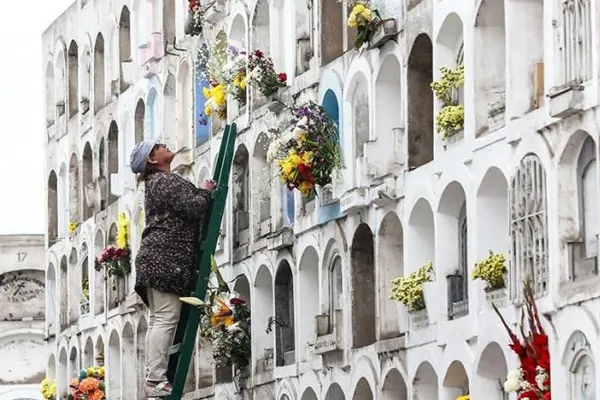
In Lima, Peru’s capital, All Saints’ Day brings together the urban and the spiritual. Despite being a bustling city, many Limenians take time to visit cemeteries like Presbítero Maestro and El Ángel, where families decorate graves with flowers and photographs. The cemeteries come alive with candles, prayers and quiet moments of reflection, creating a rare sense of peace in the middle of the metropolis.
Beyond the cemeteries, Lima also celebrates All Saints’ Day through its culinary traditions. Bakeries and local markets sell tanta wawas and other sweet breads, while restaurants offer special menus featuring dishes like roasted pork and tamales. Families gather at home or in parks to share meals, keeping the spirit of togetherness alive.
All Saints’ Day in Peru’s capital reflects how modernity and tradition can coexist. For visitors, Lima offers a chance to see how ancient customs survive in an urban setting — where remembrance, food and family ties remain central to the celebration.
Puno
In Puno, All Saints’ Day takes on a distinctly Andean character shaped by the region’s proximity to Lake Titicaca. The celebration begins with early morning prayers, followed by family visits to cemeteries filled with music and offerings. The sight of candles flickering against the lake’s backdrop creates a breathtaking image that captures the essence of spiritual connection.
Local traditions play a major role here. Families bring food, coca leaves and drinks to share with the souls of their ancestors, believing that the spirits return to visit during these days. It’s also common to see small altars decorated with bread figures, fruit and flowers, symbolising abundance and protection.
For travellers, Puno is one of the most authentic places to experience All Saints’ Day in Peru. The combination of Andean beliefs, lake landscapes and heartfelt rituals provides a deep understanding of how life and death are celebrated in harmony.
Cajamarca
Cajamarca celebrates All Saints’ Day with a distinctive mix of rural customs and joyful community gatherings. Early in the day, families visit cemeteries to clean and decorate graves with colourful flowers and handmade wreaths. The atmosphere is warm and communal, as people share food, stories and laughter while honouring their departed loved ones.
The city’s markets and bakeries also take centre stage during this time. Local bakers prepare tanta wawas and caballitos de pan in abundance, filling the air with the scent of fresh bread. Musicians play traditional tunes in public squares, and local fairs offer food and crafts, turning the celebration into a cultural event as much as a religious one.
All Saints’ Day in Peru’s northern highlands, particularly in Cajamarca, reflects the people’s deep sense of family and gratitude. It’s a celebration that embraces life while remembering those who came before, showing how tradition continues to unite generations.
Arequipa
Arequipa, the “White City,” celebrates All Saints’ Day with elegance and devotion. The cemeteries of La Apacheta and Characato become the heart of the festivities, where families gather to offer flowers and prayers under the shadow of the city’s volcanoes. The crisp mountain air and clear skies make the experience both solemn and beautiful.
During the day, Arequipa’s residents also enjoy traditional dishes like chicharrones, tamales and rosquitas, which are prepared for family gatherings. Markets and bakeries are filled with colourful breads and pastries that represent love and remembrance. Music often plays in the background, blending religious hymns with Andean rhythms.
Celebrating All Saints’ Day in Peru’s Arequipa region allows visitors to experience a blend of devotion and local flavour. The mixture of colonial architecture, mountain views and heartfelt customs makes this destination one of the most memorable places to witness the event.
The Peruvian Amazon
In the Peruvian Amazon, All Saints’ Day is celebrated with warmth, simplicity and deep spiritual meaning. Families gather at cemeteries or along riverbanks to remember their loved ones, decorating graves with flowers, fruits and candles made from local materials. The natural surroundings — lush forests and the gentle flow of rivers — add to the serene beauty of the occasion.
Unlike in the highlands, the Amazon’s celebration often includes songs, dances and community meals that bring people together. Indigenous traditions are intertwined with Catholic rituals, creating a ceremony that honours both the spirits of ancestors and the living world around them.
Experiencing All Saints’ Day in Peru’s Amazon region offers visitors a profound sense of connection with nature and culture. It is a reminder that remembrance can also be an act of gratitude to the Earth, reflecting the region’s enduring respect for life in all its forms.
You might also be interested in: Lesser Known Treks in Peru: Hidden Trails Beyond Machu Picchu
Tips for visitors celebrating All Saints’ Day in Peru
Visiting Peru during All Saints’ Day offers travellers a unique opportunity to understand the country’s deep cultural roots and its heartfelt way of honouring life and death. However, to truly appreciate the experience, it’s important to approach it with respect and curiosity. Understanding the meaning behind each ritual and gesture will help you connect more authentically with local communities and traditions.
Whether you attend a mass, visit a cemetery, or simply share food with locals, each moment during this holiday reveals something special about Peruvian identity. By keeping an open mind and showing genuine interest, you’ll not only enjoy the beauty of the celebrations but also form meaningful memories that go far beyond sightseeing.
How to participate respectfully
All Saints’ Day in Peru is a sacred occasion for families, so visitors should act with sensitivity. When visiting cemeteries, for example, it’s important to remain quiet and avoid interrupting family moments. Taking photos is often allowed, but it’s best to ask for permission first, especially in rural areas where traditions are more intimate. Dress modestly and keep a calm, reflective attitude while observing rituals or prayers.
If invited to join a local family, remember that this is an act of generosity and trust. Participate with humility—try traditional dishes, listen to stories, and show gratitude. These gestures are the best way to honour both the hosts and the meaning of the day itself.
What to bring and what to avoid
Since many celebrations take place outdoors, comfortable shoes, light layers, and sun protection are essential. Bringing a small gift—like flowers, bread, or candles—can be a thoughtful way to contribute when visiting cemeteries or family homes. Travellers are also encouraged to carry cash for local markets and community fairs, which often sell handmade crafts and regional foods prepared especially for the occasion.
Avoid treating the celebrations as a tourist attraction. Loud behaviour, alcohol consumption, or taking selfies in inappropriate moments can be seen as disrespectful. The key is to blend in quietly and allow yourself to observe the spiritual atmosphere without disrupting it.
Best experiences for travellers in 2025
In 2025, several Peruvian cities are planning community events, cultural fairs, and special church masses for All Saints’ Day. Joining these activities will let you experience both the solemn and joyful sides of the celebration. In the highlands, such as Cusco and Ayacucho, traditional dances and local markets are expected to draw many visitors.
Travellers seeking more serene moments might prefer smaller villages or Amazonian towns, where the focus remains on family and reflection. No matter where you go, participating in All Saints’ Day in Peru will allow you to witness a living tradition that gracefully combines Andean spirituality with Catholic devotion.
The cultural importance of All Saints’ Day in Peru
All Saints’ Day in Peru reflects a profound sense of continuity between the living and the departed. The celebration blends indigenous beliefs with Christian customs, showing how Peruvians view death not as an end, but as part of life’s natural cycle. Every year, families reunite, decorate graves, and offer food and flowers, symbolising both love and gratitude.
This shared act of remembrance reinforces family bonds and cultural identity. Through generations, it has remained an expression of collective memory, where the past and present coexist in harmony. It is a celebration that brings communities together and reminds everyone that love transcends time.
Connection with Pachamama and ancestral beliefs
Many of the traditions surrounding All Saints’ Day in Peru are rooted in ancient Andean spirituality. For centuries, Indigenous communities have honoured Pachamama, or Mother Earth, as the source of life and a bridge between worlds. This connection can still be seen today in offerings made to both ancestors and nature, which reflect gratitude for harvests and protection for the family.
In this sense, the holiday is not only about remembering those who have passed, but also about reaffirming the sacred relationship between humans and the natural world. It’s a vivid example of how Peru’s ancestral wisdom continues to shape its contemporary culture.
Why this celebration remains alive through generations
Despite the passing of time and the influence of modern lifestyles, All Saints’ Day in Peru continues to hold deep significance. Families teach younger generations the value of respect, gratitude, and remembrance through these traditions, ensuring that the cultural meaning is never lost. Each year, the same rituals are lovingly repeated—proof that identity and faith remain strong across centuries.
For Peruvians, keeping this day alive is a way of staying connected to their origins. It is not just a ritual, but a reaffirmation of who they are as a people. The celebration endures because it speaks to something universal: the enduring bond between life, death, and love.
You might also be interested in: The Mita System: Inca Obligation and Its Colonial Transformation
Frequently asked questions about All Saints’ Day in Peru
For travellers planning to visit during All Saints’ Day in Peru, it’s natural to have a few questions about how the celebration works, who takes part, and what to expect. This is one of the most meaningful dates in the Peruvian calendar, combining spirituality, tradition, and community in every region of the country. Understanding the basics before you go will help you connect more deeply with the experience and appreciate its cultural significance.
From the timing of the holiday to the role of local customs, these answers will give you a clearer view of how Peruvians celebrate this special day. Whether you’re travelling for cultural exploration or personal reflection, knowing these details will allow you to experience the event respectfully and authentically.
Is All Saints’ Day a public holiday in Peru?
Yes, All Saints’ Day is a national public holiday in Peru, celebrated every year on 1 November. On this day, many businesses, schools, and government offices close, allowing families to spend time together and visit cemeteries to honour their loved ones. The day after, 2 November, known as the Day of the Dead, is not an official holiday, but it is still widely observed, particularly in rural areas and smaller towns.
Because it’s a holiday, visitors can expect busy streets, vibrant markets, and a lively atmosphere in major cities. It’s also an excellent time to witness local traditions, as cultural events and food fairs often take place throughout the long weekend. However, transport and accommodation may fill up quickly, so planning ahead is recommended.
What is the difference between All Saints’ Day and the Day of the Dead?
Although the two days are closely connected, they focus on slightly different aspects of remembrance. All Saints’ Day in Peru honours all saints and those who have reached spiritual peace, while the Day of the Dead (Día de los Difuntos) on 2 November is dedicated to remembering family members and loved ones who have passed away. Together, they form a continuous celebration that bridges Catholic and Indigenous beliefs about life, death, and rebirth.
During All Saints’ Day, the mood is often more festive, with church masses and community gatherings. The following day tends to be more intimate and reflective, as families bring food, drinks, and flowers to the graves of their relatives, sometimes sharing stories or even music at the cemetery. Both days highlight the warmth and depth of Peruvian culture.
Can tourists join the celebrations?
Absolutely. Tourists are welcome to observe and, when appropriate, participate in the celebrations of All Saints’ Day in Peru. Many communities, especially in Cusco, Ayacucho, and Puno, are open to sharing their traditions with visitors who show genuine interest and respect. Attending public events, sampling traditional food, or simply walking through decorated cemeteries are wonderful ways to experience the day’s atmosphere.
However, it’s essential to approach the celebrations with sensitivity. Visitors should remember that these are moments of remembrance and emotion for local families. Asking before taking photos, dressing appropriately, and keeping a calm attitude will help ensure your presence is appreciated rather than intrusive. By doing so, you’ll gain a deeper understanding of Peru’s cultural richness and its beautiful way of honouring life and memory.
Conclution of All Saints’ Day in Peru 2025
Experiencing All Saints’ Day in Peru is more than witnessing a national holiday; it’s an invitation to understand the country’s soul. Each candle lit, each prayer whispered, and each dish shared represents a bridge between past and present — a living testimony to the way Peruvians honour life through remembrance.
For visitors, the day offers a meaningful cultural encounter filled with respect, beauty, and emotion. Whether you find yourself walking through the decorated cemeteries of Cusco, joining families in Ayacucho, or tasting traditional dishes in Lima, the experience will leave a lasting impression. In every corner of Peru, this sacred day reminds us that memory and gratitude are timeless forms of celebration.
