
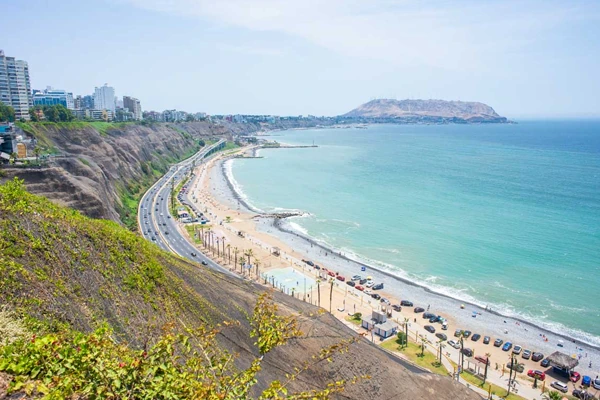
Places to visit the Peruvian Coast often surprise travellers with how diverse, immersive and culturally rich they can be. This stretch of shoreline blends ancient heritage, remarkable wildlife encounters and striking desert scenery, offering a route that feels both refreshing and deeply connected to Peru’s identity. Rather than rushing through each stop, the coast invites you to slow down, explore its contrasting landscapes and appreciate the stories behind every destination.
From bustling urban cliffsides to peaceful oases and remote archaeological sites, the coastal route offers something meaningful for every type of traveller. Whether you’re searching for nature, history or adventure, this guide will help you navigate the region with clarity and confidence, highlighting the most distinctive experiences without overwhelming your journey.
You might also be interested in: 10 best restaurants in Cusco that you must visit
Why explore Peru’s Coast
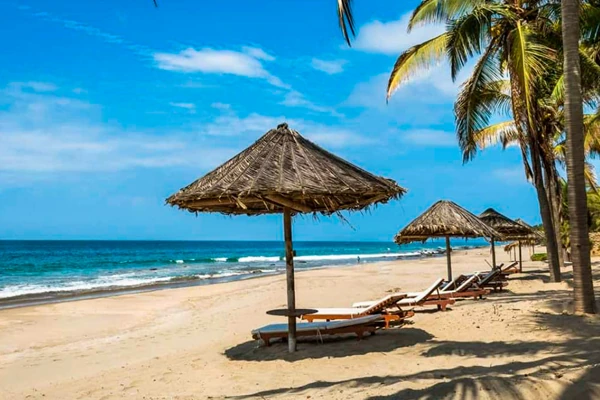
The Peruvian shoreline stretches across a landscape that feels both vast and intimate, offering an unexpected blend of nature, culture and quiet coastal charm. Travellers searching for places to visit the Peruvian Coast often discover a region that is far more diverse than they imagined, with environments that shift smoothly from soft beaches to dramatic cliffs and open desert plains. Each area invites a slower pace, where you can watch wildlife, enjoy fresh seafood or explore local history at your own rhythm.
Exploring this part of the country also allows you to understand how coastal life shapes Peru’s identity. Small fishing towns, protected reserves and lively cities sit side by side, each adding a unique element to the journey. Whether you are planning a short coastal escape or designing a longer route, the coast provides the space to unwind, reflect and enjoy the variety of experiences it naturally offers.
A mix of wildlife, history and desert landscapes
One of the reasons travellers look for places to visit the Peruvian Coast is the sheer contrast of environments you encounter within a relatively short distance. Coastal waters are home to sea lions, seabirds and, in some areas, dolphins, which you can see during calm boat outings. Just inland, ancient archaeological sites reveal stories of pre-Inca civilisations, showing how communities adapted to life between the sea and the desert.
This combination of natural and cultural richness creates an itinerary that never feels repetitive. You might begin your morning watching marine life near coastal islands, then spend the afternoon walking through sandy formations shaped by the wind. By evening, you may be wandering through a town where traditional fishing practices still support local families. It is a region where every turn offers a new layer of discovery.
Ideal seasons and how to plan your coastal route
The best time to explore the coast depends on the type of journey you want to design. The southern region is generally at its most pleasant from December to April, when the skies are clearer and temperatures are warmer. The northern coast, meanwhile, enjoys sunshine for most of the year, making it a popular stop for travellers who include beach destinations in their list of places to visit the Peruvian Coast. Understanding these seasonal patterns helps you choose a route that matches your travel style and comfort.
Planning your itinerary also involves considering distances and transport options between destinations. Although the coastline is long, many key points of interest are linked by reliable roads and short flights, making it easier to build a balanced schedule. Decide whether you prefer a slow journey with fewer stops or a more dynamic route with varied landscapes. Either way, the coast allows you to move smoothly between nature, culture and adventure.
You might also be interested in: New year in Peru 2026
Top 10 destinations along the Peruvian Coast
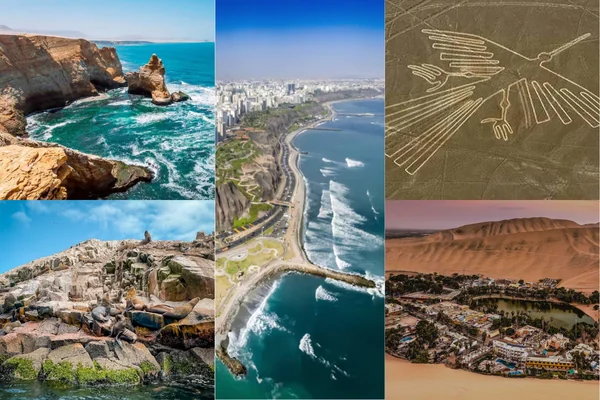
The coastline of Peru offers a remarkable variety of landscapes, experiences and cultural encounters, which is why so many travellers look for places to visit the Peruvian Coast when planning their trip. From lively capital districts to quiet mangrove forests in the north, the region delivers a balance between nature, history and modern coastal life. Each destination has its own character and contributes something unique to a well-rounded journey.
Exploring these areas allows you to understand how coastal environments shaped ancient settlements and continue to influence communities today. Many of the most iconic coastal sites lie close to each other, allowing visitors to move smoothly between major attractions while enjoying the subtle changes in scenery. Whether you seek wildlife, archaeological wonders or peaceful beaches, the following destinations reflect the essential highlights of the Peruvian shoreline.
1. Lima’s Costa Verde and Palomino Islands
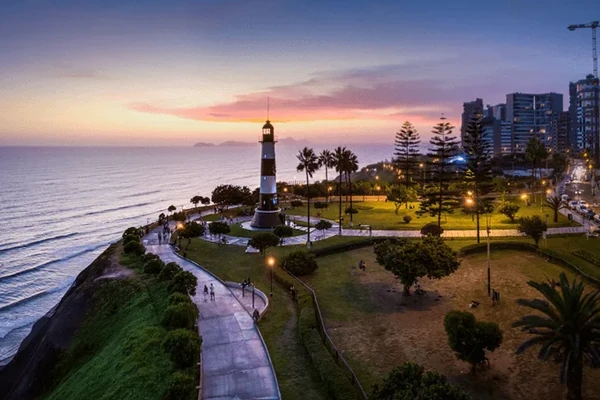
Lima’s coastal stretch is often the first introduction travellers have to the country, making it an important stop for anyone searching for places to visit the Peruvian Coast. Costa Verde offers a combination of ocean views, cliffside parks and a relaxed coastal atmosphere that contrasts with the city’s urban pace. Many visitors begin their itinerary here, walking along the coastal paths or observing the way local residents gather to enjoy the sea breeze in the afternoons.
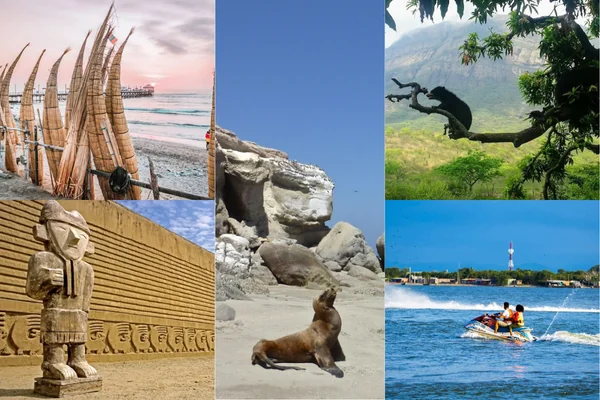
A short boat trip from the city leads to the Palomino Islands, known for their abundant seabird populations and colonies of sea lions. The wildlife encounters here give a refreshing natural escape while still being close to the capital. Spending time in these waters allows visitors to appreciate the richness of Lima’s marine environment and understand why the coastline holds such ecological significance within Peru.
The blend of city energy and nearby wildlife makes this destination stand out on any coastal itinerary. It offers an accessible introduction to the broader landscapes found further south and north. Visitors often find themselves surprised by how quickly they can move from a busy urban district to an open natural setting with thriving marine life.
2. Paracas and the Ballestas Islands
Paracas is one of the most popular places to visit the Peruvian Coast due to its calm bays and strong connection to marine conservation. The town provides a peaceful environment where travellers can enjoy quiet coastal views and fresh seafood. Its proximity to major natural reserves makes it a strategic starting point for exploring the surrounding ecosystems.
The Ballestas Islands, reachable by a short boat ride, are often referred to as a miniature version of the Galapagos due to their rich wildlife. Visitors can observe sea lions, penguins and an impressive variety of birds from the comfort of the boat. The islands are protected, allowing travellers to admire the species that thrive in these waters without disturbing their habitat.
Paracas itself offers a relaxed rhythm that encourages slow travel. Walking through the town, spending a few hours by the bay or simply watching the colours of the sky at sunset contributes to a memorable stop. It is a destination that mixes accessibility with natural beauty, creating an experience that resonates with nature lovers and casual travellers alike.
3. The Paracas National Reserve
The Paracas National Reserve is one of the most striking natural areas for travellers researching places to visit the Peruvian Coast. This protected region showcases desert landscapes that extend directly into the sea, creating a dramatic visual contrast. The quiet atmosphere and wide open spaces allow visitors to connect with the environment on a deeper level.
The reserve is home to a diverse collection of coastal species that rely on the nutrient rich currents for survival. Walking or driving through the protected zones reveals hidden beaches, rock formations and viewpoints where the desert meets the ocean in a perfectly uninterrupted line. The stillness of the reserve provides a different kind of experience, one based on contemplation rather than activity.
Many travellers appreciate the feeling of isolation that surrounds the reserve. It is a place that encourages reflection and invites visitors to slow their pace. Exploring its various viewpoints allows you to understand the delicate balance that exists between desert life and marine ecosystems.
4. Huacachina Oasis and the Ica Desert
Huacachina is one of the most iconic places to visit the Peruvian Coast even though it lies slightly inland. This desert oasis is surrounded by enormous sand dunes, offering a landscape that feels almost otherworldly. Its natural lagoon and palm trees create a peaceful centre, attracting visitors from around the world who want to explore the desert environment.
The surrounding dunes offer opportunities for desert activities including dune buggy rides and sandboarding. These experiences allow travellers to appreciate the scale of the desert and the way it shapes life in the Ica region. Even those who prefer a slower pace can enjoy walking across the dunes at sunset, when the light softens and the air cools.
The combination of natural beauty and adventurous options makes Huacachina a versatile destination. Visitors often pair it with trips to nearby coastal locations, creating a balanced itinerary that covers both desert and sea. It is a destination that stays in the memory long after the journey ends.
5. Nazca Lines and ancient geoglyphs
The Nazca Lines are one of the most intriguing sites for travellers seeking unique places to visit the Peruvian Coast. These enormous geoglyphs carved into the desert floor depict various shapes including animals, plants and geometric forms. Their size and precision continue to inspire curiosity, and many theories exist about their origins and purpose.
Visitors can observe the lines from small aircraft, providing a clear view of the scale and complexity of the figures. The flight experience offers a new perspective on how ancient cultures interacted with the desert environment. The surrounding landscapes appear vast and quiet, emphasising the ingenuity of the civilisation that created these designs.
The town of Nazca also provides opportunities to learn more about the region’s history. Museums and archaeological sites offer context that deepens the visitor’s understanding of the culture behind the geoglyphs. It is a destination that blends mystery, science and ancient craftsmanship.
You might also be interested in: All Saints’ Day in Peru 2025
6. Trujillo & Huanchaco Beach
Trujillo is a vibrant coastal city known for its colonial architecture and archaeological significance, making it an essential stop for those seeking places to visit the Peruvian Coast. Its lively squares, colourful buildings and rich cultural traditions create a welcoming environment for visitors. The city serves as a natural gateway to several major archaeological sites in the region.
Nearby Huanchaco Beach is famous for its long stretches of sand and traditional reed boats known as caballitos de totora. These vessels have been used by local fishermen for centuries, reflecting the deep connection between coastal communities and marine resources. Watching the fishermen at work provides a glimpse into living traditions that continue to shape daily life.
The combination of city culture and beachside relaxation gives travellers a balanced experience. Many visitors enjoy spending the day exploring historical areas and then heading to the beach in the late afternoon to unwind. Trujillo and Huanchaco complement each other, offering both cultural richness and natural beauty.
7. Chan Chan Archaeological Site
Chan Chan is one of the largest adobe cities in the world and a major highlight for travellers researching places to visit the Peruvian Coast. The site reflects the sophistication of the ancient Chimú civilisation, which developed a complex urban layout adapted to coastal conditions. Walking through its corridors gives a sense of the scale and ambition of this pre-Inca society.
The city is composed of plazas, ceremonial areas and residential compounds that reveal how the Chimú organised their community life. The walls feature carvings inspired by marine life and geometric patterns, illustrating the relationship between the desert environment and the sea. The structures allow visitors to imagine how daily life unfolded in this large and influential settlement.
Exploring Chan Chan offers an immersion in archaeology and cultural heritage. The site invites visitors to think about how societies adapted to the climate and resources of the coast. It is a key destination for those interested in understanding the historical depth of Peru’s shoreline.
8. Chiclayo’s Coastal Wildlife Reserves
Chiclayo serves as a gateway to several important nature reserves that attract travellers searching for quieter places to visit the Peruvian Coast. The region is known for its coastal wetlands, forests and protected areas that support a variety of species. These landscapes offer peaceful environments where visitors can observe birds, flora and unique ecosystems.
The surrounding reserves highlight the ecological value of Peru’s northern coastline. They provide habitats for migratory birds and native species that rely on the coastal climate for survival. Guided visits help travellers understand the importance of conservation efforts in these areas and how they contribute to the broader environmental balance of the region.
Many visitors appreciate the slower rhythm of Chiclayo’s natural surroundings. Exploring the reserves allows them to enjoy a break from busier destinations while still connecting with the richness of Peru’s biodiversity. It is a destination that appeals to nature lovers and travellers looking for quiet exploration.
9. Cabo Blanco and the surf towns of the Northern Coast
Cabo Blanco is a classic destination for visitors interested in places to visit the Peruvian Coast that offer world class surf conditions. Known for its powerful waves and relaxed fishing village atmosphere, it continues to attract surfers and beach lovers from around the world. The area provides a sense of calm and openness that is characteristic of northern Peru.
The broader northern coast is dotted with surf towns that offer warm weather and long stretches of beach. These towns combine local charm with simple comforts, making them ideal for travellers seeking an unhurried escape. The region’s climate allows for beach activities throughout most of the year, enhancing its appeal for outdoor enthusiasts.
Even visitors who do not surf enjoy the sense of community found in these towns. Sunsets are particularly striking, and the gentle rhythm of daily coastal life creates a memorable experience. The combination of nature, sport and tranquillity makes this region a highlight of the journey.
10. Puerto Pizarro and the Tumbes Mangroves
Puerto Pizarro is a calm coastal town located near the northern border and is often considered one of the most distinctive places to visit the Peruvian Coast. The area is known for its mangrove forests, which create a unique ecosystem that cannot be found elsewhere in the country. Travellers can explore the waterways by boat, observing the quiet beauty of the region.
The Tumbes Mangroves offer habitats for a wide variety of species including birds, fish and crustaceans. The shifting colours of the water and the dense vegetation create an atmosphere that feels peaceful and untouched. These mangroves play an essential role in sustaining the local environment by protecting the coastline and supporting biodiversity.
Visitors appreciate the gentle rhythm of Puerto Pizarro and the opportunity to learn about the ecological significance of the mangroves. Spending time here provides a deeper understanding of how northern coastal communities depend on these environments. It is a destination that brings together nature, culture and a strong sense of place.
You might also be interested in: 8 best places to see the sunsets in Peru
Cultural and historical highlights of the Coast
The Peruvian shoreline is filled with cultural layers that help visitors understand the long history behind many of the most iconic places to visit the Peruvian Coast. Each region preserves a distinct identity, shaped by ancient societies that settled along the desert and the sea. Travellers often discover that coastal culture is as rich as its landscapes, with traditions that continue to influence daily life.
Many towns along the coast still celebrate rituals, crafts and communal practices that have been passed down through generations. Exploring these cultural expressions allows visitors to appreciate the continuity between the past and the present. It adds depth to the journey and helps explain why the Peruvian coast remains such an engaging region to explore.
The legacy of ancient coastal civilisations
Ancient coastal societies built settlements that adapted to the challenges of living between the desert and the sea. Their innovations in agriculture, fishing and architecture shaped the foundations of modern coastal culture and continue to draw travellers looking for places to visit the Peruvian Coast. Sites such as Chan Chan and the temples of the Moche region show how these civilisations organised their communities and interacted with their environment.
Visitors who explore these archaeological areas gain insight into the daily routines, beliefs and artistic expressions that defined these societies. The detailed carvings, ceramics and structures reveal how the coastal climate influenced all aspects of their lives. Understanding this heritage brings a different dimension to the modern journey and highlights the importance of preserving these historical sites.
Iconic coastal traditions and local festivals
Cultural events across the coast offer travellers an authentic look at the rhythms of coastal life. These celebrations include dances, culinary fairs and music performances that reflect both Indigenous and Spanish influences. For many visitors searching for places to visit the Peruvian Coast, these festivals offer meaningful encounters with the people who maintain these traditions.
Travellers often witness the close ties between food, family and community identity during local celebrations. Seasonal events offer opportunities to experience traditional dishes, coastal crafts and live performances that showcase the region’s creative spirit. Participating in these moments encourages a more personal connection with the coastal communities and their heritage.
You might also be interested in: 10 lakes in Peru you should visit
Outdoor activities on the coastal route
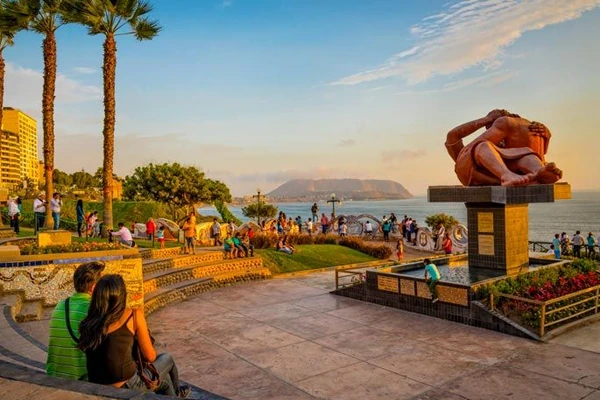
Outdoor experiences are a major reason why travellers look for places to visit the Peruvian Coast. The region combines calm bays, dramatic deserts and thriving marine reserves, offering a wide variety of activities for all types of travellers. The diversity of natural settings allows visitors to shift between relaxed moments and more energetic adventures throughout their itinerary.
Many travellers appreciate how accessible these experiences are, often located close to major towns or short transport routes. Whether exploring the ocean, the dunes or protected coastal habitats, visitors find opportunities to discover landscapes that feel completely different from one another. These contrasts give the coastal journey its distinctive sense of variety.
Wildlife watching and boat excursions
Wildlife observation remains one of the most rewarding activities along the Peruvian shoreline. Regions such as Paracas and Tumbes offer easy access to marine reserves where travellers can encounter seabirds, turtles, sea lions and mangrove ecosystems. These experiences attract visitors who search for places to visit the Peruvian Coast that offer meaningful contact with nature.
Boat excursions provide a way to explore different habitats while enjoying the open sea. Guides explain the ecological importance of the species found in each region, helping visitors appreciate the delicate balance between coastal ecosystems and human activity. These moments on the water often become some of the most memorable parts of the trip.
Surf, kitesurf and other water sports
The Peruvian shoreline is known for consistent waves and ideal conditions for water sports. Towns in the north and central coast attract surfers and enthusiasts who want to experience world class conditions in an authentic environment. This makes these destinations popular among travellers researching places to visit the Peruvian Coast with an interest in active experiences.
Beyond surfing, the coast also offers opportunities for kitesurfing, paddleboarding and open water swimming. Visitors can find beaches suitable for beginners as well as spots that challenge more experienced athletes. The mix of warm weather and wide open spaces creates ideal conditions to enjoy time on the water.
Desert adventures: dune buggy rides and sandboarding
While the coast is closely associated with the ocean, its desert landscapes provide equally impressive experiences. Areas such as Ica and Nazca offer opportunities for dune buggy rides that take visitors across vast sandy terrain. These adventures appeal to travellers who enjoy dynamic activities and want to complement their list of places to visit the Peruvian Coast with inland exploration.
Sandboarding is also popular among visitors looking for adventure at a slower pace. The high dunes offer excellent surfaces for the sport, and the open horizons create a sense of freedom that is unique to the desert environment. Whether adventurous or relaxed, these activities highlight the incredible diversity found along the Peruvian coast.
Practical tips for visiting the Peruvian Coast
Planning a journey along the shoreline becomes much easier when visitors understand the practical aspects of travelling through this region. Many of the most appealing places to visit the Peruvian Coast are spread across different climates and landscapes, so preparing in advance helps ensure a smoother experience. From weather patterns to transport arrangements, a little planning makes the entire route more enjoyable.
Travellers also benefit from knowing how long to spend in each destination, as experiences vary from wildlife encounters to desert adventures. Understanding these details allows visitors to design an itinerary that matches their interests and pace. With the right guidance, the coastal journey becomes both comfortable and memorable.
Best time of year to go
Weather varies considerably along the coast, making timing an important part of planning. The southern and central regions have a cooler season with overcast skies, while the northern areas enjoy warm and sunny conditions for most of the year. Many travellers researching places to visit the Peruvian Coast choose their dates according to the type of experience they want, whether more relaxed beach days or outdoor excursions.
The summer months between December and March are popular for beach holidays, although they also attract more visitors. Those who prefer quieter periods may enjoy the shoulder seasons, when temperatures remain pleasant and landscapes are still vibrant. Choosing the right moment can shape the overall feel of the coastal journey.
Transportation options and safety
Moving along the coastline is straightforward, as there are several transport options connecting the main towns and natural reserves. Long distance buses, private transfers and short flights between major cities help visitors reach the most appealing places to visit the Peruvian Coast with ease. Many routes are well maintained, and transport services operate regularly throughout the year.
Safety remains an important consideration for travellers. Sticking to reputable service providers, checking schedules in advance and keeping belongings secure contribute to a comfortable journey. Being aware of practical details helps visitors enjoy the region with confidence and peace of mind.
Recommended stay durations for each region
Each coastal destination offers its own rhythm and experiences. Some places require only a short visit to see the main attractions, while others encourage travellers to stay longer to explore wildlife reserves or cultural sites. Those planning their list of places to visit the Peruvian Coast often combine shorter stops with longer stays to balance activity and relaxation.
For example, major cities may be explored in a couple of days, while desert or marine areas deserve additional time to appreciate their natural beauty. Allowing enough days in each region ensures visitors do not feel rushed and can enjoy the coast at a comfortable pace.
You might also be interested in: Top 20 animals of Peru that should know
How to travel responsibly on the coast
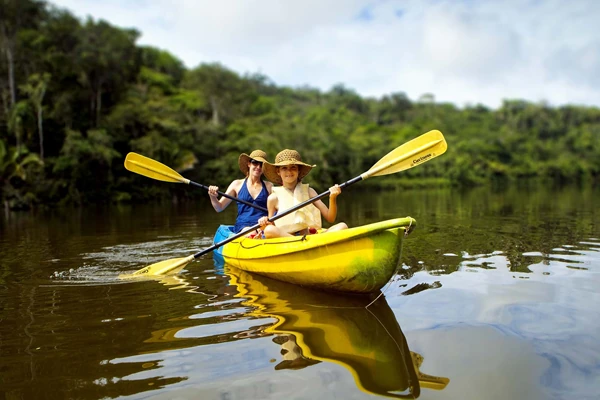
Responsible travel helps protect the natural and cultural richness that defines the Peruvian shoreline. Many places to visit the Peruvian Coast are located in delicate environments, making it essential for visitors to adopt mindful habits. Simple actions such as minimising waste and respecting marked trails can make a meaningful difference.
Beyond environmental care, responsible travel also involves valuing the traditions and livelihoods of local communities. Supporting regional initiatives and prioritising sustainable services contribute to long term preservation. Travellers who adopt these practices help ensure that future generations can continue enjoying the beauty of the coast.
Conservation efforts in national reserves
National reserves along the coast play a crucial role in protecting marine species, desert habitats and migratory birds. Visitors exploring places to visit the Peruvian Coast often pass through these protected areas, where conservation programmes focus on maintaining ecological balance. Understanding the purpose of these efforts helps travellers appreciate the importance of responsible behaviour.
Following guidelines provided by park authorities allows visitors to enjoy the region while reducing their environmental impact. Staying on designated paths, avoiding disturbance to wildlife and respecting local regulations ensures that ecosystems remain healthy. These actions help preserve the coastal landscape for future visitors.
Supporting local communities and ecotourism
Community based tourism is an essential part of responsible travel along the coastline. When travellers choose locally owned businesses, they support families who preserve cultural traditions and maintain sustainable practices. This approach enriches the experience for visitors seeking places to visit the Peruvian Coast with a deeper understanding of local life.
Engaging with community projects, artisan markets and regional food initiatives provides meaningful interactions. These moments allow travellers to connect with the people who shape the character of each destination. Supporting these efforts ensures that tourism contributes positively to the development and well being of coastal communities.
What makes the Peruvian Coast unforgettable
Places to visit the Peruvian Coast reveal a side of the country that is often overlooked, yet essential to truly understanding Peru’s cultural and natural balance. Each destination along the shoreline offers its own character, some shaped by centuries-old civilisations, others by untouched wildlife habitats or ever-changing desert landscapes. Together, they form a route that feels rewarding, layered and unexpectedly memorable.
Exploring the coast is not just about ticking off landmarks; it’s about embracing the rhythm of local communities, respecting fragile ecosystems and discovering how history and nature coexist in such a dynamic environment. With thoughtful planning and a responsible approach, your trip can become both inspiring and impactful, allowing you to experience the coast in a way that genuinely connects with Peru’s spirit.
