
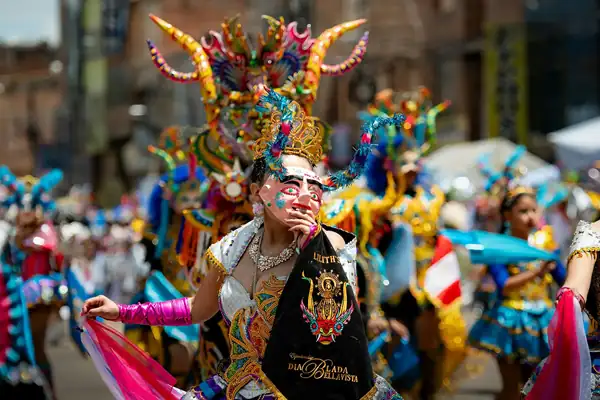
Carnivals in Peru bring together colour, music and centuries of tradition in a way few celebrations can. Across the country, these festivities transform cities and villages into lively spaces where history, community and creativity come alive through dance, water games and shared rituals. For travellers, it is a unique chance to witness how cultural identity is celebrated openly and joyfully, creating moments that feel both authentic and unforgettable.
Far from being just a party, carnival season reflects the deep connection between people and their heritage. Each region adds its own flavour to the celebrations, offering a rich cultural experience that goes beyond sightseeing and invites visitors to take part in something truly meaningful.
You might also be interested in: Chilcano week 2026
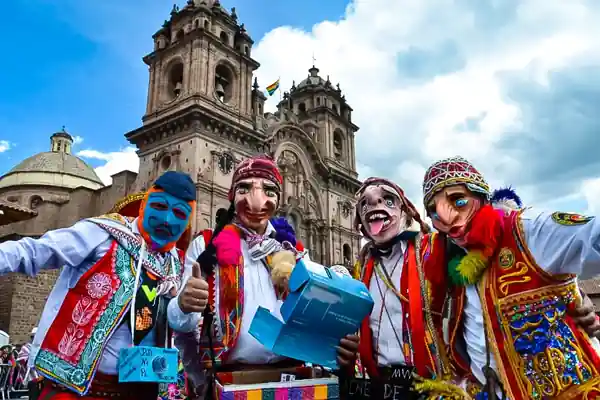
What makes carnivals in Peru so unique?
Carnivals in Peru stand out because they reflect a deep connection between history, nature and everyday life. These celebrations are not only festive moments but also a way for communities to express identity, gratitude and social bonds through shared rituals. Each region adds its own meaning, creating a colourful mosaic of traditions across the country.
What truly defines carnivals in Peru is their balance between joy and symbolism. While visitors often notice the playful atmosphere first, there is also a strong cultural foundation behind every dance, costume and gathering. This combination makes the experience feel authentic and emotionally engaging rather than simply entertaining.
Ancient traditions blended with modern celebrations
Many carnival customs are rooted in pre Hispanic rituals linked to agriculture, fertility and seasonal change. Over time, these practices merged with Catholic influences brought during the colonial period, resulting in celebrations that honour both ancestral beliefs and religious traditions. This blend is still visible today in music, dances and ceremonial acts.
At the same time, modern elements have naturally found their place within these festivities. Contemporary music, creative costumes and urban influences now coexist with centuries old rituals. This evolution allows carnivals in Peru to remain relevant while still respecting their historical roots, making them meaningful for both locals and travellers.
Music, water games and community spirit
Music plays a central role during carnival season, setting the rhythm for parades, street gatherings and family celebrations. Traditional instruments and local melodies fill public spaces, inviting everyone to participate regardless of age or background. The soundscape itself becomes a symbol of unity and collective joy.
Water games are another defining feature and are closely tied to ideas of renewal and abundance. While they may seem playful at first, these interactions encourage social connection and shared laughter. Above all, carnivals in Peru are about community spirit, where neighbours, friends and visitors come together to celebrate life in an open and welcoming way.
You might also be interested in: 10 Christmas traditions in Peru
When are carnivals celebrated in Peru?
Carnivals in Peru are usually celebrated between February and early March, with dates changing each year depending on the Catholic calendar. The main festivities take place in the weeks leading up to Lent, which gives carnival season a lively and slightly unpredictable rhythm that adds to its charm.
For travellers, this period is one of the most vibrant times to explore the country. Towns and cities become stages for public celebrations, and everyday routines shift to make space for music, games and social gatherings. Understanding when carnivals in Peru take place helps visitors plan their trip around the most active and colourful moments of the year.
Carnival season and key dates
The official carnival season typically begins in early February, although some regions start celebrating even earlier with local events and community gatherings. The most intense days often fall on the weekends before Ash Wednesday, when streets fill with parades, dance groups and family celebrations.
Because the dates move each year, checking the calendar in advance is essential for anyone hoping to experience carnivals in Peru at their peak. Planning around these key days allows travellers to witness the most traditional activities and enjoy the festive atmosphere when it is at its liveliest.
How celebrations vary by region
Each region celebrates carnival season in its own way, shaped by local history, climate and cultural influences. In Andean towns, festivities often include traditional dances, symbolic rituals and strong community participation rooted in ancestral customs.
Along the coast and in urban centres, celebrations tend to feel more modern and spontaneous, with street parties, music and water games taking centre stage. This regional diversity means that carnivals in Peru offer different experiences depending on where and when you choose to take part.
You might also be interested in: Cusco in December 2025
Top 7 best carnivals in Peru
Across the country, carnival season brings together music, colour and local pride in ways that feel deeply rooted and joyfully spontaneous. Each celebration reflects regional identity, making this festive period one of the best moments to experience cultural diversity first hand.
Exploring the top celebrations helps travellers understand why carnivals in Peru are so widely admired. From historic cities to remote regions, every carnival offers its own rhythm, traditions and atmosphere, creating unforgettable experiences for visitors.
1. Carnival of Cajamarca
The Carnival of Cajamarca is often described as the most famous in the country, known for its lively parades and strong community involvement. Streets fill with dancing groups, traditional costumes and playful water games that turn the entire city into a celebration zone.
Music plays a central role, with local bands and folk rhythms setting the pace of the festivities. Visitors quickly notice how locals welcome everyone to join, creating a friendly and inclusive environment throughout the event.
What makes Cajamarca special is its balance between tradition and fun. While the celebration feels energetic and modern, it still preserves rituals and customs that have been passed down for generations, making it a highlight among carnivals in Peru.
2. Carnival of Ayacucho
Ayacucho’s carnival stands out for its artistic expression and deep cultural symbolism. The city is known for its traditional dances, vibrant costumes and songs that tell stories of local history and identity.
During the celebration, neighbourhoods organise their own events, creating a sense of closeness and shared pride. This community focus gives the carnival a more intimate feel compared to larger urban festivities.
Travellers who attend often appreciate the strong connection between celebration and heritage. Ayacucho offers a meaningful way to experience carnivals in Peru through music, art and collective memory.
3. Carnival of Cusco
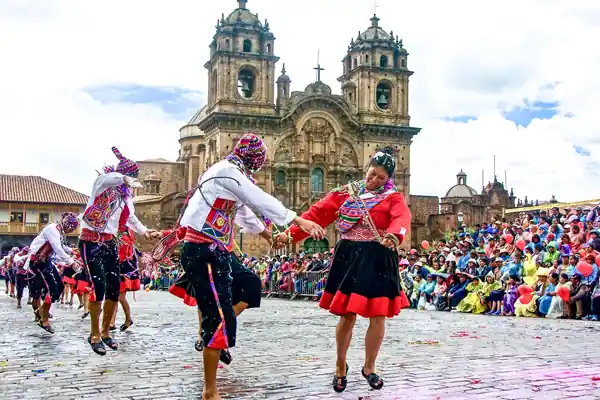
In Cusco, carnival celebrations blend Andean traditions with festive energy. Water games, colourful powders and street music are common, especially in public squares where locals and visitors gather. For travellers planning their trip, joining local festivities can be a great complement to exploring the region, especially when combined with Machu Picchu tours, which allow visitors to connect cultural celebrations with Peru’s most iconic heritage sites.
Food also plays an important role, with families preparing seasonal dishes and sharing them during communal gatherings. This adds a warm and welcoming layer to the overall experience.
Cusco’s carnival reflects the city’s cultural depth, where ancient customs meet lively modern celebrations. It is a memorable stop for those exploring carnivals in Peru while travelling through the Andes.
4. Carnival of Puno
The Carnival of Puno is closely linked to music and dance, influenced by the region’s strong folkloric traditions. Performances often feature elaborate costumes and choreographies inspired by local legends and history. Many travellers choose to experience these celebrations as part of broader Puno tours, which highlight the cultural richness of the Lake Titicaca region.
Festivities take place both in public spaces and within neighbourhoods, creating a rhythm that lasts several days. Visitors are often invited to watch or even participate, making the experience feel personal and engaging.
Puno’s carnival highlights the importance of cultural expression and collective joy. It offers a unique perspective on carnivals in Peru, especially for those interested in traditional Andean music.
You might also be interested in: Top 10 places to visit the Peruvian Coast
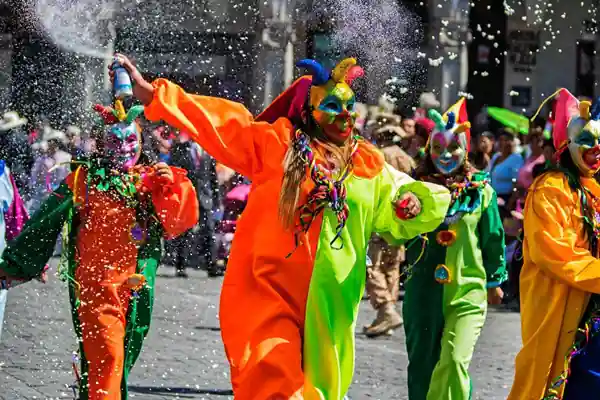
5. Carnival of Arequipa
Arequipa’s carnival combines humour, satire and social commentary with celebration. Songs and performances often include playful messages that reflect everyday life and local identity. Visitors interested in cultural travel often include these festivities in their itinerary alongside curated Arequipa tours, which showcase the city’s traditions, architecture and local lifestyle.
Public gatherings are lively yet relaxed, with families and friends coming together to enjoy music, dancing and food. The atmosphere feels festive without being overwhelming.
This balance makes Arequipa an appealing destination for travellers seeking a more laid back approach to carnivals in Peru, while still enjoying rich cultural content.
6. Carnival of Huaraz
In Huaraz, carnival celebrations are closely connected to nature and mountain culture. Events often take place outdoors, with scenic landscapes adding a dramatic backdrop to the festivities.
Traditional dances and rituals are common, reflecting respect for the land and seasonal cycles. These elements give the celebration a reflective tone alongside moments of joy and play.
For visitors, Huaraz offers a distinctive way to experience carnivals in Peru, combining cultural traditions with the beauty of the Andean environment.
7. Carnival of the Peruvian Amazon
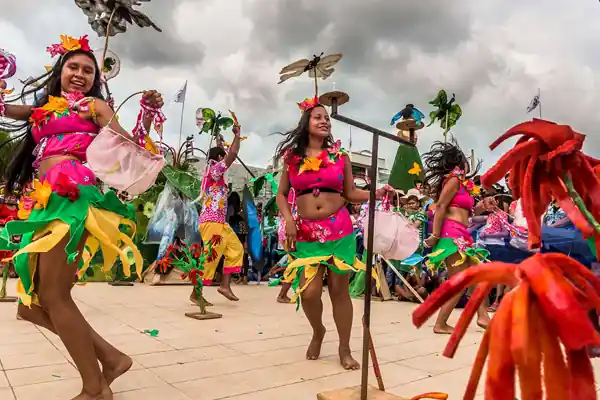
Carnivals in the Amazon region feel vibrant and full of life, influenced by tropical rhythms and indigenous traditions. Music, dance and colourful outfits dominate the celebrations, creating an energetic atmosphere.
Community participation is essential, with local groups organising events that highlight regional identity. The festive spirit often extends beyond city centres into surrounding towns and villages.
This carnival offers a completely different perspective from Andean or coastal celebrations. It showcases the diversity of carnivals in Peru through sound, movement and cultural expression shaped by the rainforest.
Regional differences in Peruvian carnival celebrations
Carnival season reflects the cultural diversity of the country, with each region expressing celebration in its own distinctive way. Geography, history and local traditions all shape how festivities unfold, creating a wide range of experiences under the shared spirit of joy and renewal that defines carnivals in Peru.
Understanding these regional differences helps travellers appreciate why no two carnival celebrations feel the same. From mountain towns to coastal cities and rainforest communities, each setting adds its own rhythms, symbols and social customs to the carnival calendar.
Andean carnivals and ancestral rituals
In the Andes, carnival celebrations are deeply connected to ancestral beliefs and agricultural cycles. Rituals often honour Pachamama, expressing gratitude for the land through music, dance and symbolic offerings that reflect centuries old traditions.
These festivities usually take place within close knit communities, where participation matters more than spectacle. Travellers often notice that Andean carnivals feel spiritual as well as festive, offering a meaningful insight into the cultural roots behind carnivals in Peru.
Coastal festivities and urban celebrations
Along the coast, carnival celebrations tend to be more urban and socially driven, especially in larger cities. Music, public gatherings and playful water activities are common, creating a relaxed and cheerful atmosphere that brings together people of all ages.
Coastal carnivals often blend traditional elements with modern influences, including contemporary music and street events. This mix gives the celebrations a dynamic feel, showing how carnivals in Peru continue to evolve while remaining strongly connected to community life.
Amazonian carnivals and community traditions
In the Amazon region, carnival celebrations are vibrant and closely tied to nature and local identity. Music, dance and colourful attire reflect indigenous heritage and the surrounding rainforest environment, creating an energetic and expressive atmosphere.
Community participation is central, with celebrations extending beyond main towns into smaller settlements. These carnivals highlight the diversity of carnivals in Peru, offering visitors a powerful sense of cultural expression shaped by the rhythms of the Amazon.
You might also be interested in: 10 best restaurants in Cusco that you must visit
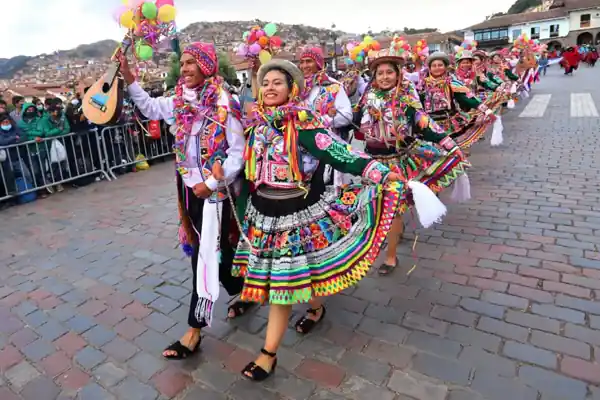
What travellers should expect during carnival season?
Carnival season brings energy, colour and a strong sense of community, especially in destinations known for their lively celebrations. Travellers visiting during this time will notice that daily routines often shift, with public spaces filling with music, dance and spontaneous gatherings that reflect the joyful nature of carnivals in Peru.
It is also important to expect flexibility in schedules and a more relaxed pace of travel. Some services may operate differently, while others become busier than usual, so embracing the festive rhythm helps visitors enjoy the experience rather than feel rushed.
Local customs, games and participation
Participation is a key part of carnival celebrations, and visitors are often invited to join traditional games, dances and friendly water play. These customs are rooted in community bonding and seasonal renewal, making interaction feel natural rather than performative.
Taking part respectfully allows travellers to experience carnivals in Peru in a more authentic way. Observing first, asking questions and following local cues helps ensure that participation is welcome and culturally appropriate.
Accommodation, transport and crowd levels
During carnival season, popular destinations tend to attract larger numbers of visitors, both local and international. Accommodation can fill quickly, particularly in cities and towns known for major celebrations, making early planning essential.
Transport may also be busier, with altered timetables or increased demand on certain routes. Allowing extra time for travel helps reduce stress and ensures a smoother experience while exploring carnivals in Peru.
You might also be interested in: New year in Peru 2026
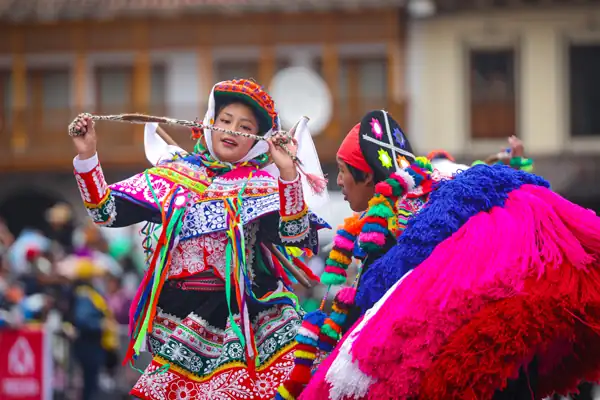
Tips for experiencing carnivals in Peru responsibly
Responsible travel during carnival season means recognising that these celebrations hold deep cultural value for local communities. Respectful behaviour helps preserve traditions and ensures that festivities remain meaningful for those who celebrate them year after year.
Travellers who approach carnival with curiosity and consideration often find the experience more rewarding. Being mindful of surroundings and local expectations allows visitors to enjoy carnivals in Peru while contributing positively to the places they visit.
Respecting local traditions and communities
Each carnival tradition carries its own history and symbolism, so showing respect is essential. This includes asking permission before taking photos and understanding which activities are open to visitors and which are reserved for locals.
Supporting local businesses and artisans during carnival season also helps communities benefit directly from tourism. This approach strengthens the cultural exchange that makes carnivals in Peru so memorable.
Safety, clothing and cultural awareness
Carnival celebrations can be lively and crowded, so personal safety should always be a priority. Wearing comfortable clothing, securing personal belongings and staying aware of surroundings helps travellers enjoy festivities with confidence.
Cultural awareness is equally important, especially when participating in games or ceremonies. Dressing appropriately and following local guidance ensures that visitors engage respectfully while fully appreciating the spirit of carnivals in Peru.
Why experiencing a carnival in Peru is unforgettable?
Carnival celebrations offer a rare opportunity to connect with living traditions that blend history, creativity and shared joy. For many travellers, joining these festivities becomes a highlight of their journey, as carnivals in Peru reveal how deeply culture is woven into everyday life and collective celebration.
Beyond the music and colour, there is a strong sense of belonging that makes the experience truly memorable. Visitors are welcomed into moments of laughter and expression that go far beyond sightseeing, creating a genuine emotional connection with the places they visit.
A celebration of identity, joy and heritage
Carnivals are a powerful expression of identity, where music, costumes and rituals reflect generations of cultural heritage. Each region brings its own character to the celebration, allowing travellers to witness how tradition continues to evolve while staying rooted in the past.
The joy shared during these events feels authentic and inclusive, making participation feel natural rather than staged. This atmosphere is one of the reasons why carnivals in Peru leave such a lasting impression on those who experience them.
Creating meaningful travel memories during carnival season
Moments experienced during carnival season often become stories travellers remember and share for years. From unexpected conversations with locals to joining spontaneous dances, these experiences add depth and meaning to any trip.
By embracing the festive spirit with respect and openness, visitors create memories that go beyond photographs. Experiencing carnivals in Peru in this way turns travel into a personal journey shaped by culture, connection and shared celebration.
Conclution of top 7 best carnivals in Peru
Experiencing carnival season offers a deeper understanding of how tradition continues to shape everyday life. From the Andes to the Amazon, these celebrations highlight the importance of community, expression and shared joy, leaving a strong impression on anyone who joins in with respect and curiosity.
Whether you are drawn by music, cultural rituals or human connection, carnivals in Peru offer an experience that stays with you long after the celebrations end. It is not just about where you go, but about the memories you create and the people you meet along the way.
