

Traditional food in Peru is one of the best ways to understand the country beyond its landscapes and archaeological sites. A meal can connect the Pacific coast, high Andean farming communities, Amazonian rivers, migration, family kitchens, and festival traditions in a single table.
For travelers, traditional food in Peru is not simply a checklist of famous plates. It is a regional journey. Ceviche makes more sense near the coast, pachamanca carries the flavor of Andean earth and hot stones, and juane belongs to the rhythm of the rainforest. This guide explains what to order, where each dish is most closely associated, and how to include traditional food in Peru in a practical travel itinerary.
You might also be interested in: How Valentine’s Day in Peru Is Celebrated

Why Traditional Food in Peru Is So Diverse
Traditional food in Peru reflects a country with sharply different ecosystems. The Pacific supplies fish and seafood; the Andes contribute potatoes, corn, grains, herbs, and highland meats; the Amazon brings plantain, cassava, freshwater fish, cacao, and tropical fruit. Ingredients move between regions, but each area keeps its own culinary personality.
Traditional food in Peru also reflects cultural exchange. Indigenous techniques sit alongside Spanish, African, Chinese, Japanese, and other influences absorbed into everyday cooking. This is why a traveler can find a pre-Hispanic method such as pachamanca, a Chinese-Peruvian stir-fry such as lomo saltado, and Japanese-influenced Nikkei dishes within the same trip.
The best way to approach traditional food in Peru is to ask where a dish comes from, when it is usually eaten, and which ingredients are local to the region you are visiting. That turns lunch into a cultural experience rather than a quick meal between tours.
What Is the National Dish of Peru?
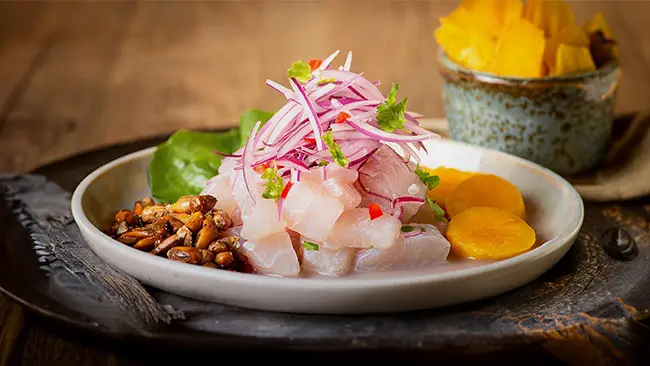
When travelers ask about the national dish of Peru, ceviche is the answer they will hear most often. It is widely regarded as Peru’s signature dish: fresh fish is seasoned with citrus, ají, salt, red onion, and local accompaniments such as sweet potato and large-kernel corn.
Traditional food in Peru includes many ceviche styles. Coastal versions often feature white fish or mixed seafood, northern plates may come with chifles or regional sides, and inland regions can prepare ceviche with trout or other local fish. In 2023, UNESCO added the practices and meanings associated with ceviche to its Representative List of the Intangible Cultural Heritage of Humanity, recognizing the dish’s knowledge, social value, and regional diversity.
Ceviche is best enjoyed in an established cevichería or restaurant with fresh, well-handled seafood. It is usually a lunchtime dish on the coast, so do not wait until late evening expecting every restaurant to serve its full ceviche menu.
Traditional Food in Peru by Region
A regional approach makes traditional food in Peru easier to plan. Rather than trying every famous plate in one city, match each dish with the destinations on your route. This makes traditional food in Peru easier to experience with the right regional context.
The Coast: Seafood, Creole Cooking, and Chifa
On the coast, traditional food in Peru often combines seafood, yellow ají, lime, native potatoes, rice, and ingredients shaped by migration. Lima is known for ceviche, causa, anticuchos, lomo saltado, ají de gallina, and pollo a la brasa. Northern coastal cities add dishes such as seco de cabrito, arroz con pato, and regional ceviche traditions.
The coast is also where travelers can explore Creole cooking and chifa, the Chinese-Peruvian cuisine that shaped dishes such as arroz chaufa and lomo saltado. A classic Peru itinerary often begins or ends in Lima, making it easy to sample several well-known plates before continuing to the Andes.
The Andes: Potatoes, Corn, and Earth-Oven Cooking
In the highlands, traditional food in Peru is tied to altitude, farming cycles, and ingredients that store well in cold conditions. Potatoes, chuño, quinoa, corn, broad beans, herbs, alpaca, trout, and cuy appear in different combinations across Cusco, the Sacred Valley, Arequipa, and Puno.
Pachamanca, cuy al horno, chiriuchu, alpaca dishes, quinoa soups, and roasted corn are strong examples. These meals are often richer and more filling than coastal food, which can be welcome after a cool morning in Cusco or a full day in the Sacred Valley.
Plan your first meals gently if you have just arrived at high altitude. Traditional food in Peru can be hearty, and travelers adjusting to Cusco or Puno may prefer soup, grilled trout, quinoa, potatoes, or lighter vegetable-based dishes on the first day.
The Amazon: Cassava, Plantain, Freshwater Fish, and Cacao
The Amazon adds a completely different chapter to traditional food in Peru. Cassava, plantain, freshwater fish, palm heart, cacao, copoazú, and tropical fruit play a larger role than potatoes or corn. Juane, tacacho con cecina, patarashca, and regional fish dishes are among the meals to look for in Madre de Dios, Loreto, San Martín, and Ucayali.
Recipes depend on river access, seasonal ingredients, and Indigenous knowledge. A lodge meal or market visit can introduce flavors that rarely appear on menus in Cusco or Lima.
12 Traditional Peruvian Dishes to Try
Ceviche is the most internationally recognized example of traditional food in Peru. Look for fresh fish, balanced citrus, ají, red onion, sweet potato, and corn. It is ideal on the coast and should be eaten at a reputable place that prepares it to order.
Ceviche
Ceviche is the most internationally recognized example of traditional food in Peru. Look for fresh fish, balanced citrus, ají, red onion, sweet potato, and corn. It is ideal on the coast and should be eaten at a reputable place that prepares it to order.
Lomo Saltado
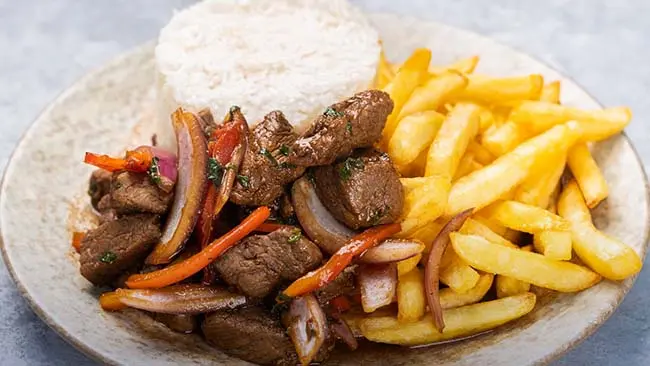
Lomo saltado combines stir-fried beef, onion, tomato, soy sauce, rice, and fries. It is one of the clearest examples of chifa influence in Peruvian everyday cooking, bringing Chinese wok technique into a dish that now feels unmistakably local.
Ají de Gallina
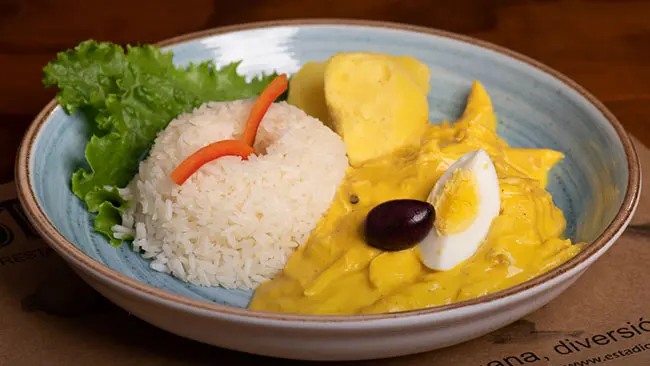
Ají de gallina is shredded chicken in a smooth sauce made with yellow ají, bread, dairy, and seasonings. It is commonly served with rice, potato, olive, and egg. The flavor is creamy and gently spicy rather than aggressively hot.
Causa Limeña
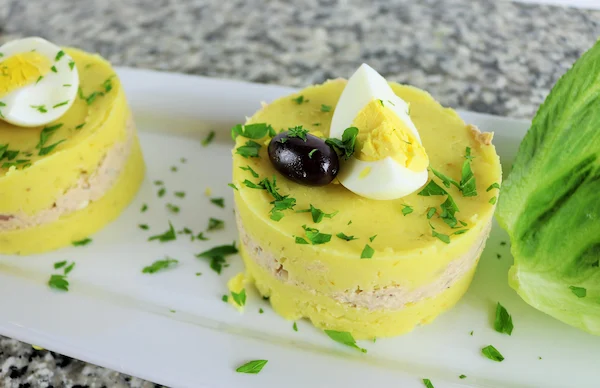
Causa is a cold layered dish made with seasoned yellow potato and fillings such as chicken, tuna, avocado, or vegetables. It is one of the most approachable typical meals in Peru for travelers who want to try native potatoes in a lighter form.
Anticuchos
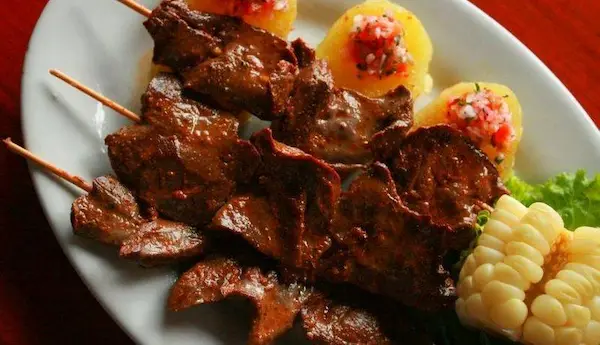
Anticuchos are charcoal-grilled skewers, traditionally made with marinated beef heart and served with potato or corn. They are a classic evening street-food experience in Lima and many other cities. Choose busy, clean vendors or established restaurants.
Pachamanca
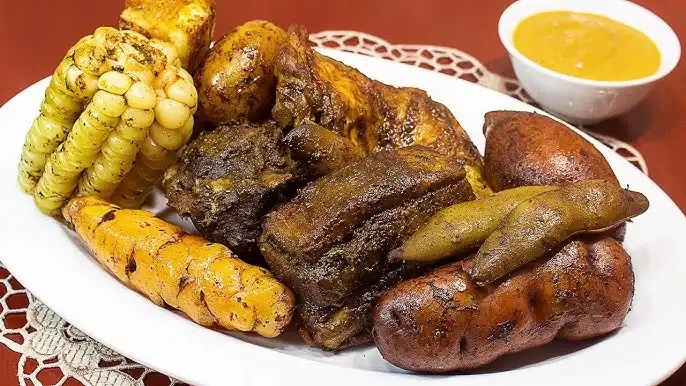
Pachamanca is a method of cooking meats, potatoes, corn, beans, and herbs with heated stones beneath the earth. Traditional food in Peru is closely tied to agricultural life through this communal preparation. The result is smoky, aromatic, and best experienced in the Andes with a local host or community-based meal.
Cuy al Horno
Roasted guinea pig is an important Andean dish, especially in Cusco and the Sacred Valley. It is often prepared for celebrations and special meals. Travelers who want to try it should choose a restaurant known for careful preparation rather than ordering it only for novelty.
Chiriuchu
Chiriuchu is a cold festive plate associated with Corpus Christi in Cusco. It can include roasted cuy, boiled hen, charqui, corn fritter, cheese, toasted corn, seaweed, fish roe, and rocoto. It is a vivid example of traditional food in Peru because it brings products from different ecological zones together on one plate.
Rocoto Relleno and Ocopa
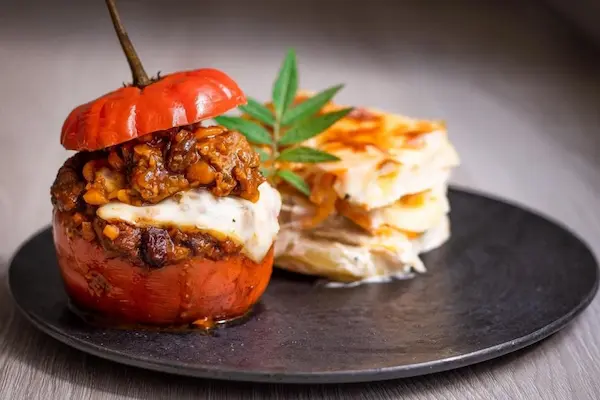
Rocoto relleno and ocopa are strongly linked to Arequipa. Rocoto relleno features a spicy pepper stuffed with seasoned meat and baked with cheese, while ocopa pairs boiled potatoes with a green sauce often made with herbs, ají, cheese, peanuts, and crackers. Ask about heat level and allergens before ordering.
Carapulcra with Sopa Seca
Carapulcra is a slow-cooked stew made with dried potato, meat, peanuts, and ají. In Ica and surrounding areas, it is often paired with sopa seca, seasoned noodles that create one of the country’s most satisfying regional combinations.
Juane
Juane is a rainforest dish in which rice, chicken or another protein, egg, olives, and seasonings are wrapped in bijao leaves. It is especially connected with the Feast of San Juan, but variations can be found in Amazonian cities throughout the year.
Tacacho con Cecina
Tacacho con cecina pairs mashed green plantain with cured pork. It is a rich Amazonian breakfast or lunch option that shows how different traditional food in Peru can taste once you leave the Andes and coast behind.
Where to Try Traditional Food in Peru on Your Trip
The most useful answer to “where should I eat?” is to follow the regions. In Lima, look for reputable cevicherías, Creole restaurants, and chifa. In Cusco and the Sacred Valley, focus on Andean dishes such as pachamanca, cuy, corn, quinoa soups, trout, and festival food when it is in season.
A Cusco City Tour gives visitors historical context before exploring markets and regional restaurants independently. For a wider Andean route, a Sacred Valley and Machu Picchu 2 Days itinerary links agricultural landscapes, Inca sites, and the food traditions that grow around them. Ask Climb Sunday to include an unhurried meal stop or market visit when building a private experience.
In Arequipa, plan time for rocoto relleno, ocopa, adobo, and picantería-style cooking alongside Arequipa Tours. In Puno, trout, quinoa, chuño, and highland grains fit naturally into a Lake Titicaca route; explore Puno Tours when designing that extension.
For the Amazon, Madre de Dios Tours can add rainforest landscapes to your itinerary. In Puerto Maldonado and jungle lodges, ask about regional fish, plantain, cassava, cacao, and local fruit rather than expecting the same menus found in Lima or Cusco.
Traditional Peruvian Drinks to Pair With Your Meal
Traditional food in Peru also includes beverages that reflect local ingredients. Chicha morada is a non-alcoholic drink made with purple corn, fruit, spices, and sugar. It is refreshing with anticuchos, chicken dishes, and many everyday meals.
Chicha de jora is a fermented corn drink with deep Andean roots. Its flavor and alcohol content vary, so ask before ordering. In the Amazon, try fresh fruit juices or cacao-based drinks when they are prepared safely with treated water and clean ice. These drinks add another dimension to traditional food in Peru beyond the plate.
Pisco sour is Peru’s best-known cocktail, but it is not the right choice for every moment of the itinerary. Enjoy it responsibly, and avoid alcohol while acclimatizing at high altitude or before demanding hikes.
Dietary Needs, Spice, and Food Safety
Traditional food in Peru can work well for many dietary preferences, but communication matters. Vegetarians can often find potato, corn, quinoa, vegetable, mushroom, and bean-based options, although soups and sauces may use meat stock. Vegan travelers should ask specifically about dairy, egg, butter, and broth.
Traditional food in Peru is not automatically very spicy. Ají adds flavor as well as heat, and many restaurants can serve sauces on the side. Use the phrases “poco picante” for mild and “sin ají” if you want no chili.
For food safety, choose places with steady turnover, clean preparation areas, and clear allergen information. This is especially important when exploring traditional food in Peru through markets and street stalls. Be especially careful with raw seafood, unwashed produce, ice, and street food if you have a sensitive stomach. If you have severe allergies, carry a written Spanish card explaining what you cannot eat.

Frequently Asked Questions About Traditional Food in Peru
What is the national dish of Peru?
Ceviche is widely considered Peru’s national or signature dish. It is prepared differently across regions, but fresh fish, citrus, ají, and local accompaniments are central to many versions.
What are the most popular dishes in Peru?
Ceviche, lomo saltado, ají de gallina, causa, anticuchos, pollo a la brasa, pachamanca, cuy, rocoto relleno, and juane are among the Peru popular dishes travelers most often encounter.
Is traditional food in Peru spicy?
Some dishes use spicy peppers, but not all are hot. Ají amarillo is often flavorful and mild, while rocoto can be much hotter. Ask for “poco picante” or “sin ají” when ordering.
What should vegetarians try in Peru?
Vegetarians can look for causa with avocado or vegetables, papa a la huancaína, quinoa soup, stuffed peppers, corn dishes, vegetable rice, and tarwi-based plates. Always ask about stocks, sauces, dairy, and eggs.
Can I try traditional food in Peru near Machu Picchu?
Yes. Cusco, the Sacred Valley, Ollantaytambo, and Aguas Calientes all have options, though the strongest regional experience is usually in Cusco and the Sacred Valley rather than inside the Machu Picchu visit itself.
Plan Your Peru Food Journey by Region
Traditional food in Peru is most rewarding when it follows your route. Do not try to taste the entire country in one restaurant. Give Lima time for coastal flavors, Cusco and the Sacred Valley time for Andean ingredients, Arequipa and Puno time for highland regional dishes, and the Amazon time for plantain, cassava, fish, cacao, and fruit.
Traditional food in Peru can turn a classic itinerary into a deeper journey. Explore Peru Classic Tours with Climb Sunday and build a route that connects archaeological sites, landscapes, local markets, and the dishes that make each region memorable.
