
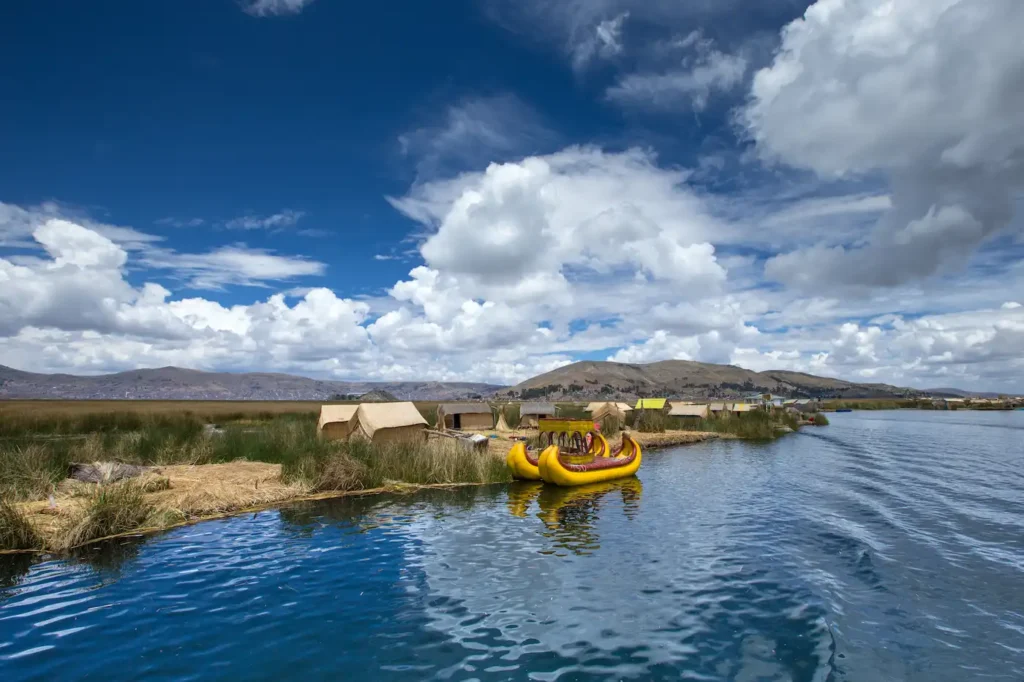
When you stand at the edge of Lake Titicaca, you aren’t just looking at a body of water; you are staring into the birthplace of the Inca Empire. Legend says that Manco Cápac and Mama Ocllo emerged from these sapphire depths to found the city of Cusco. For the modern traveler, Lake Titicaca remains a place of profound spiritual energy and staggering natural beauty. Sitting at 3,812 meters (12,507 feet) above sea level, it is the highest navigable lake in the world, straddling the border between Peru and Bolivia.
While the famous “Floating Islands” of Uros are the primary draw for most tourists, the true soul of Lake Titicaca lies further out, where the motorboats rarely venture and the ancient rhythms of life remain untouched by the frantic pace of modern tourism. As an agency based in the Sacred Valley, Climb Sunday specializes in bridging the gap between the famous landmarks and these “hidden” pockets of culture. This guide is designed to take you beyond the reed islands and into the heart of the communities that make Lake Titicaca one of the most culturally significant destinations on the planet.
You might also be interested in: Colca Canyon: The Ultimate Guide to Peru’s Natural and Cultural Wonder
The Spiritual and Geographical Majesty of Lake Titicaca
To appreciate the cultural experiences of the region, one must first understand the sheer scale of Lake Titicaca. Covering over 8,300 square kilometers, it is a vast inland sea. The air here is thin and incredibly clear, making the colors of the sky and water more intense than anywhere else in the Andes.
A Sacred Ecosystem
For the Aymara and Quechua people who live along its shores, Lake Titicaca is Mama Kota (Mother Lake). It provides the microclimate necessary for agriculture in the harsh Altiplano, allowing for the cultivation of over 200 varieties of potatoes and high-protein grains like quinoa and cañihua. The lake is also home to unique wildlife, including the endangered Titicaca giant frog—a creature that breathes through its skin and lives entirely underwater. Understanding this delicate balance between nature and survival is the first step in experiencing the real Lake Titicaca.
Taquile Island – The Land of the Knitting Men
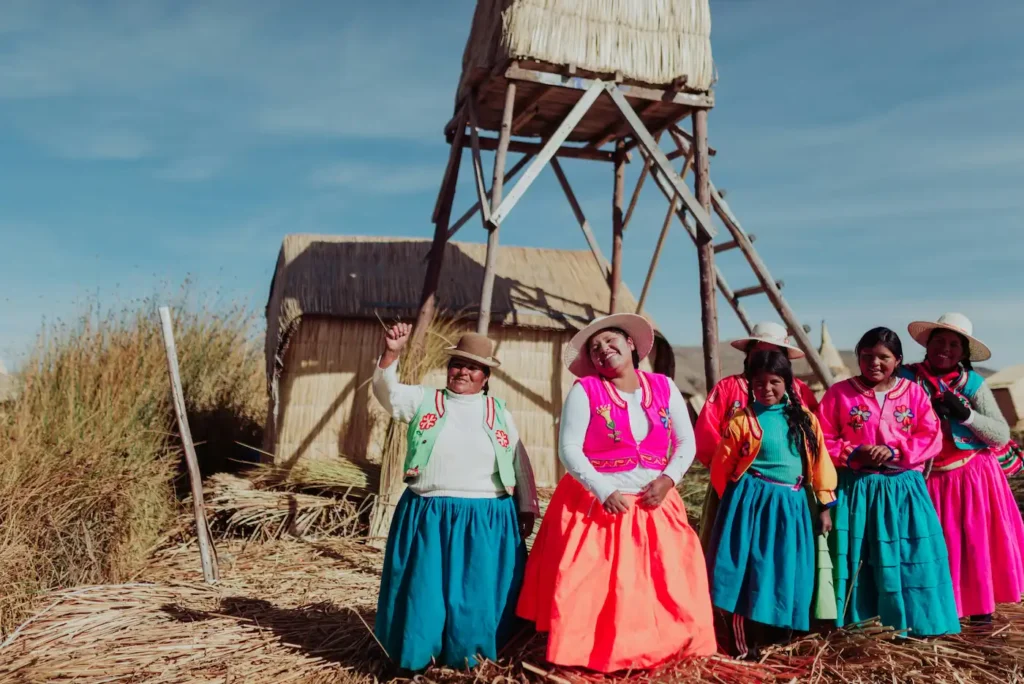
The first hidden gem beyond Uros is Taquile Island. While it is becoming more well-known, it remains one of the most culturally intact places in Peru. The people of Taquile are Quechua speakers who have maintained a social system based on collectivism and the Inca moral code: Ama Sua, Ama Llulla, Ama Quella (Do not steal, do not lie, do not be lazy).
The Art of the Needle
What makes Taquile unique in the world of Lake Titicaca is its textile tradition. In an extraordinary reversal of traditional gender roles, it is the men of Taquile who do the knitting, while the women spin the wool. Their textiles are so fine and culturally significant that UNESCO has declared them “Masterpieces of the Oral and Intangible Heritage of Humanity.”
When you visit Taquile as part of a Lake Titicaca expedition, you will notice the men wearing specific hats called chullos. The color and style of the hat indicate the wearer’s social status and whether he is married or single. This is not a costume for tourists; it is a living language of cloth. Exploring the steep stone paths of Taquile offers a window into a society that has successfully resisted the homogenizing forces of the outside world for centuries.
Amantaní Island – A Night Under the Andean Stars
If you truly want to immerse yourself in the culture of Lake Titicaca, an overnight stay on Amantaní Island is non-negotiable. There are no hotels on Amantaní; instead, the community operates a rotating system of homestays. This allows for a genuine exchange where you share a meal of local tubers and grains with a host family in their modest home.
Climbing to the Temples of the Sky
Amantaní is home to two significant peaks: Pachatata (Father Earth) and Pachamama (Mother Earth). At the summit of these hills lie ancient stone temples. For the traveler seeking a spiritual connection to Lake Titicaca, the hike to the Pachamama temple at sunset is a transformative experience. As the sun sinks below the horizon, the entire lake turns into a sheet of liquid gold.
The experience on Amantaní is “slow travel” at its finest. There is no electricity in many homes, and the silence at night is absolute. It is a place to disconnect from your devices and reconnect with the simple beauty of Andean hospitality. For our travelers from the UK and USA, this is often the most talked-about part of their journey to Lake Titicaca, providing a level of intimacy that a hotel simply cannot offer.
Luquina Chico – High-End Community Tourism
For those who seek the authenticity of Lake Titicaca but prefer a higher level of comfort, the Luquina Chico peninsula is the perfect “hidden” alternative. Located on the Chucuito peninsula, Luquina offers breathtaking panoramic views of the lake that rival any ocean vista.
The Best of Both Worlds
Luquina Chico has developed a model of community tourism that bridges the gap between traditional life and modern amenities. Here, you can participate in daily activities like fishing in a traditional wooden boat or helping in the fields, but return to a comfortable room with a private bathroom and spectacular views of Lake Titicaca.
This area is far less crowded than the islands of Taquile or Amantaní, making it ideal for photography and birdwatching. The peninsula is also one of the best places to experience local festivals, where the community comes together in a riot of brass bands, colorful masks, and traditional dances that have been performed on the shores of Lake Titicaca for generations.
Navigating the High Altitudes: Health and Preparation
Visiting Lake Titicaca requires a different level of physical preparation than visiting Lima or even Cusco. At over 3,800 meters, the “thin” air is a reality that every traveler must respect.
Acclimatization Strategy
At Climb Sunday, we recommend that you do not travel directly from sea level to Lake Titicaca. Our preferred route involves starting in the Sacred Valley (staying in Calca at 2,900m) and gradually working your way up. By the time you reach the shores of Lake Titicaca, your body will be better prepared for the altitude.
During your stay, we emphasize the importance of hydration. The dry air of the Altiplano can dehydrate you quickly. Drink plenty of water and the local favorite, Muña tea, which is excellent for digestion and altitude symptoms. Remember, the pace of life at Lake Titicaca is slow for a reason—your body needs to move at the rhythm of the mountains.
The Logistics: From Cusco to Lake Titicaca
One of the most scenic ways to reach Lake Titicaca is the “Route of the Sun” from Cusco to Puno. This full-day journey takes you across the La Raya pass, the highest point of the road at 4,335 meters.
The Luxury Train Experience
For a truly unforgettable entry into the region, the Belmond Andean Explorer or the PeruRail Titicaca train offers a level of luxury reminiscent of the golden age of travel. Watching the vast plains of the Altiplano pass by from an open-air observation car is the perfect prelude to the majesty of Lake Titicaca.
If you prefer a more flexible approach, a private car allows you to stop at hidden colonial churches like Andahuaylillas (the “Sistine Chapel of the Americas”) and the Inca ruins of Raqchi. Whichever method you choose, the transition from the jagged peaks of Cusco to the vast, open horizon of Lake Titicaca is a highlight of any Peruvian itinerary.
Ethical Travel and Cultural Sensitivity
As tourism grows, the impact on the communities of Lake Titicaca becomes a significant concern. At Climb Sunday, we are committed to “Impact Travel”—ensuring that your presence contributes positively to the preservation of these cultures.
Respectful Interaction
When visiting islands like Taquile or Amantaní, always ask for permission before taking photographs of people, especially children. If you wish to give back, avoid handing out candy or money; instead, purchase local textiles directly from the artisans or donate to community-managed education funds. By respecting the traditions and social structures of Lake Titicaca, you ensure that these unique cultures remain vibrant for future generations.
The Culinary Delights of the Altiplano
The food at Lake Titicaca is a reflection of the environment: hearty, nutritious, and deeply connected to the land.
- Trout (Trucha): Freshly caught from the lake, usually served grilled with potatoes and rice.
- Quinoa Soup: The staple of the highlands, often enriched with local vegetables and a hint of mint.
- Ispi: Small, deep-fried fish from the lake, eaten whole as a crunchy snack.
- Pachamanca: While common throughout the Andes, the Lake Titicaca version often uses local clay ovens to slow-cook meat and tubers in the earth.
Sampling these flavors while overlooking the vast expanse of Lake Titicaca is an essential part of the cultural experience.
Photography: Capturing the High-Altitude Light
For photographers, Lake Titicaca is both a dream and a challenge. The UV levels are some of the highest on earth, which can lead to washed-out colors if you aren’t careful.
Timing is Everything
The “Blue Hour” just before sunrise and just after sunset is when Lake Titicaca truly shines. The sky takes on a deep, electric indigo hue that is reflected in the perfectly still water. During the day, use a polarizing filter to cut through the haze and bring out the deep blues of the lake. The high-contrast environment is perfect for black-and-white portraits of the local elders, whose weathered faces tell the story of a lifetime spent under the intense Andean sun.
Why Climb Sunday is Your Lake Titicaca Partner
Planning a trip to Lake Titicaca involves complex logistics, from boat permits to community homestays. As an agency with deep roots in the region, we handle the details so you can focus on the experience. We choose guides who are not just experts in history, but who have personal relationships with the families on the islands.
When you book your adventure with us, you aren’t just another tourist; you are a guest of the community. We ensure that your itinerary is balanced, allowing for the rest needed to handle the altitude while providing the deep cultural access that most travelers miss.
Frequently Asked Questions (FAQ)
What is the best month to visit Lake Titicaca?
The dry season (May to October) offers the clearest skies and best conditions for boat travel. However, the festivals in February (Virgin of Candelaria) are a spectacular, though busy, time to visit.
Is Lake Titicaca safe for solo travelers?
Yes, the region is generally very safe. However, navigating the islands is much easier and more meaningful with a guided tour that understands the community logistics of Lake Titicaca.
Can I swim in Lake Titicaca?
The water is incredibly cold (around 10-14°C / 50-57°F) year-round. While some hardy locals and tourists take a quick “polar plunge,” it is not recommended for recreational swimming.
The Horizon That Never Ends
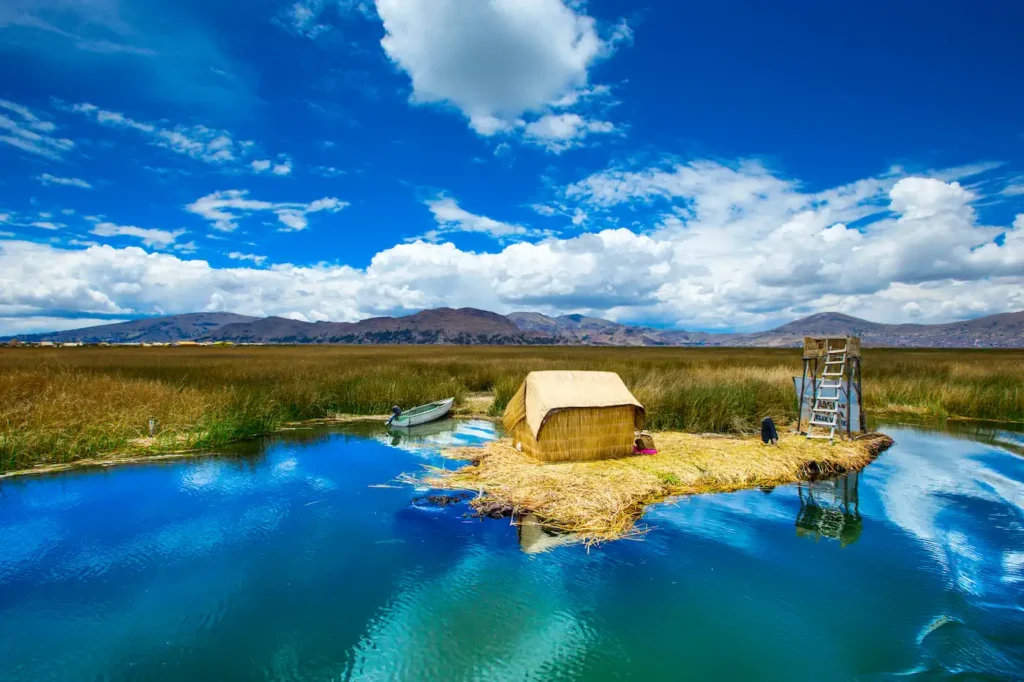
A journey to Lake Titicaca is a journey to the edge of the world. It is a place where the sky feels close enough to touch and the weight of history is felt in every stone path and every hand-woven thread. While the Uros islands offer a fascinating glimpse into a unique way of life, the true magic of the region is found in the quiet moments on Taquile, the shared meals on Amantaní, and the vast, silent horizons of Luquina.
At Climb Sunday, we invite you to look beyond the surface of Lake Titicaca. Let us guide you to the places where the ancient myths are still whispered in the wind and the warmth of the Andean people rivals the brightness of the sun. Your Peruvian story isn’t complete until you have seen the sunrise over the highest lake in the world.
