
Stepping off the plane in Cusco is an experience that takes your breath away literally. At 3,400 meters (11,150 feet) above sea level, the air is noticeably thinner, and the physical toll on the human body can be immediate. For many travelers arriving from the UK or USA, the primary concern is “soroche,” the local term for altitude sickness.
Amidst the modern pharmacies and oxygen tanks, you will find a greener, more ancient solution: the coca leaf. This humble plant has been the cornerstone of Andean life for millennia, acting as both a sacred spiritual bridge and a practical medicinal powerhouse. At Climb Sunday, based in the heart of Calca, we believe that understanding the local environment is the key to a successful adventure. This guide explores everything you need to know about this miraculous plant and how it can transform your high-altitude experience.
You might also be interested in: Pucará Bulls: The secret of the Guardians of the Rooftops
What is the Coca Leaf? Understanding the Sacred Plant of the Incas
A Botanical Wonder Rooted in South American Soil
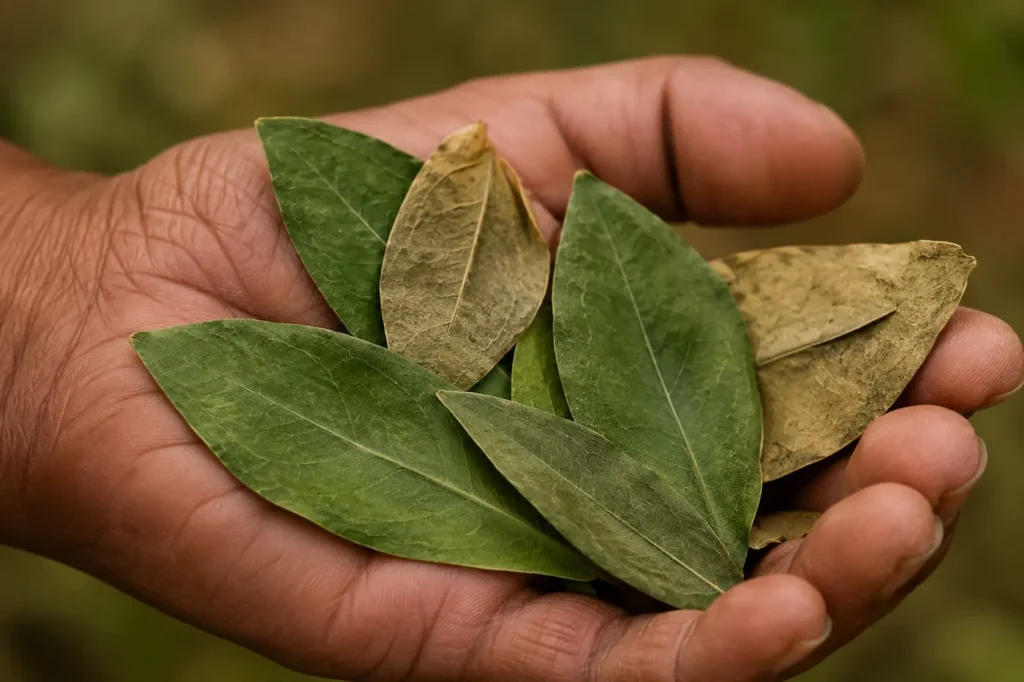
The coca leaf comes from the Erythroxylum coca plant, a species native to the western regions of South America. While it is often associated with modern industrial derivatives in international media, the leaf in its natural state is a complex botanical entity containing a wide array of alkaloids, minerals, and vitamins. For the indigenous people of the Andes, it is not merely a plant; it is “Mama Coca,” a gift from the earth that sustains life in one of the most challenging environments on the planet.
Unlike the processed substances that share its name, the raw leaf is a mild stimulant, comparable to a strong cup of coffee or green tea. It grows primarily in the humid slopes of the eastern Andes, known as the ceja de selva (the eyebrow of the jungle). When you visit the Sacred Valley or Cusco, you will see these dried leaves sold in small bags at every local market, hotel lobby, and trail start. Understanding its botanical identity is the first step for any tourist to overcome the misconceptions often perpetuated by Western cinema and to embrace a truly authentic Andean tradition.
The Sacred History: Why the Coca Leaf is the “Soul” of the Andes
To understand the importance of the coca leaf, one must look back thousands of years. Long before the rise of the Inca Empire, pre-Inca civilizations like the Moche and the Nazca were already using the leaf in their daily lives and religious ceremonies. For the Incas, however, the plant reached its zenith of spiritual significance. It was considered a divine plant, reserved for the nobility and the priesthood, used as an offering to the Apus (mountain deities) and Pachamama (Mother Earth).
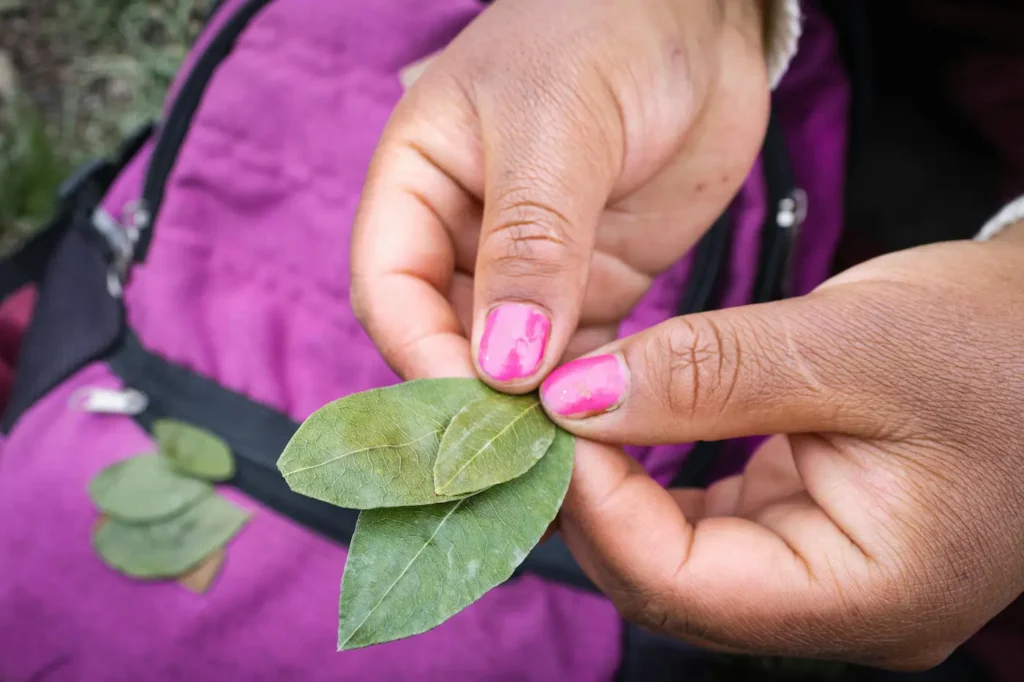
In modern times, this history is still very much alive. In communities near Calca and across the Sacred Valley, the K’intu a set of three perfect leaves is used to ask for protection before a long hike or to show gratitude after a successful harvest. When you join a Climb Sunday tour, you aren’t just walking on trails; you are treading on ground where the history of the coca leaf is etched into every stone. Recognizing this cultural weight helps travelers move beyond being mere spectators and become respectful participants in a living heritage.
The Science of Altitude: How Coca Leaf Fights Altitude Sickness
The most common question from our visitors from London or New York is: “Does it actually work?” The answer lies in the unique chemical composition of the coca leaf. The plant contains alkaloids that, when consumed, act as a mild respiratory stimulant. This is crucial at high altitudes where oxygen levels are significantly lower than at sea level. By slightly increasing the heart rate and improving the efficiency of the blood to carry oxygen, the leaf helps the body adapt to the “thin” air of the Andes more rapidly.
Beyond just oxygenation, the coca leaf is an incredible tool for managing the symptoms of soroche, such as headaches, nausea, and extreme fatigue. The alkaloids help to constrict blood vessels and stabilize blood sugar levels, providing a steady stream of energy without the “crash” associated with caffeine or sugar. This is why you will see local porters and farmers chewing the leaf throughout the day. For a hiker tackling a steep ascent in the Sacred Valley, the benefits of the leaf are not just anecdotal; they are a physiological advantage that can make the difference between reaching the summit and turning back.
Traditional Usage: How to Consume the Coca Leaf Safely
Tea, Chewing, and the Art of the ‘Boleo’
For the uninitiated, the sight of a large bag of dried leaves can be intimidating. There are two primary ways for tourists to experience the coca leaf:
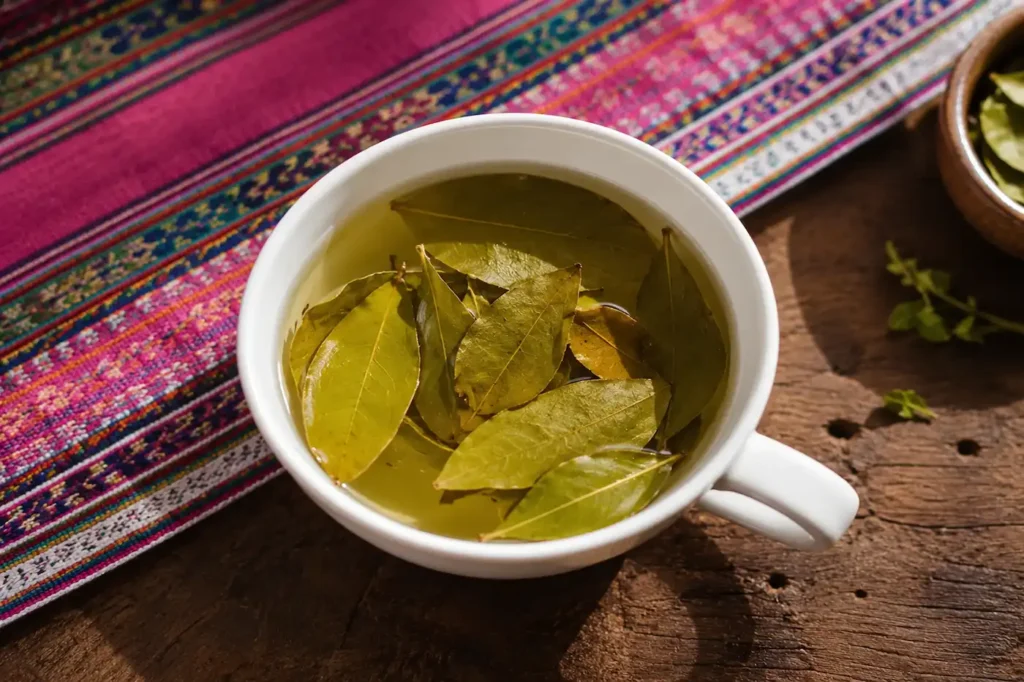
- Mate de Coca (Coca Tea): This is the most popular method for travelers. Most hotels in Cusco will offer a hot cup of tea upon arrival. It tastes similar to green tea slightly bitter and earthy. It is a gentle way to introduce the alkaloids into your system and stay hydrated, which is equally important for altitude sickness prevention in Cusco.
- Chewing (Pijcheo): This is the traditional method. You place a few leaves between your cheek and gum, often adding a small piece of llipta (a mineralized ash that helps activate the alkaloids). You don’t swallow the leaves; you simply let the juices absorb through the lining of your mouth.
At Climb Sunday, we recommend our guests start with the tea. It is soothing and highly effective for immediate relief. If you are heading out on one of our more challenging Sacred Valley adventure tours, your guide might show you how to properly chew a few leaves to maintain your stamina during the trek. It is a ritual that demands patience and respect, reflecting the slow pace of Andean life.
Nutritional Powerhouse: More Than Just a Stimulant
While its ability to fight altitude sickness is its most famous trait, the coca leaf is also a nutritional powerhouse. It is surprisingly high in calcium higher, in fact, than milk which is vital for bone health and muscle function during strenuous physical activity. Additionally, it contains significant amounts of Vitamin A, C, and E, as well as B-complex vitamins.
For the modern health-conscious traveler, the coca leaf represents a superfood that has been used for centuries. It also contains essential minerals like iron, magnesium, and potassium, which are often depleted during long hikes in the sun. By incorporating the leaf into your daily routine while in the mountains, you are providing your body with a natural supplement that supports your overall well-being. This nutritional boost is one of the many reasons why Andean communities have thrived in such extreme conditions for so long.
Debunking the Myths: Is the Coca Leaf Legal and Safe?
A common point of confusion for tourists from the UK and USA is the legality and safety of the coca leaf. It is vital to clarify: in Peru, the leaf is completely legal and culturally protected. It is an integral part of the national identity. However, travelers should be aware that it is generally illegal to take the leaves or traditional tea bags back home across international borders. The plant is often misunderstood by customs officials who do not distinguish between the raw leaf and its processed derivatives.
Regarding safety, when consumed in its natural form (tea or chewing), the coca leaf is incredibly safe. It has no hallucinogenic effects and is not addictive. The stimulation is mild and localized. At Climb Sunday, we always advise our clients to enjoy the benefits of the leaf while they are here in the heart of the Andes, but to respect international regulations when they depart. Education is the best way to dispel the stigma and allow travelers to appreciate the plant for what it truly is: a gift of traditional Andean medicine in Peru.
Other Essential Tips for Altitude Sickness Prevention
While the coca leaf is a powerful ally, it should be part of a broader strategy for altitude sickness prevention in Cusco. Here are a few expert tips from the Climb Sunday team:
- Hydrate Constantly: The air in the Andes is very dry. You lose moisture with every breath. Drink plenty of water and utilize coca tea to keep your hydration levels high.
- Eat Light: Digestion slows down at high altitudes. Stick to soups, grains, and light proteins for the first 24-48 hours.
- Avoid Alcohol and Smoking: These can exacerbate the symptoms of altitude sickness and dehydrate your body further.
- Take it Slow: The first day should be spent resting. This is why we often recommend starting your trip in Calca, located in the Sacred Valley. At a slightly lower altitude than Cusco, it provides a much gentler environment for acclimatization.
- Consider Medication: If you have a history of severe altitude sickness, consult your doctor about “soroche pills” (acetazolamide) before your trip. These can be used alongside traditional methods for maximum protection.
Exploring the Sacred Valley with Climb Sunday
Your Partners in Authentic and Safe Exploration
Choosing the right base for your adventure is crucial. Climb Sunday is proud to be located in Calca, a hidden gem in the Sacred Valley that offers a more authentic and tranquil experience than the crowded streets of Cusco. Our location is strategically chosen not just for its beauty, but for the health of our guests. Starting your journey here allows your body to adjust to the altitude in a more comfortable setting.
Our Sacred Valley adventure tours are designed with your safety and comfort as the priority. We don’t just provide transportation; we provide an immersion into the Andean way of life. Whether you are trekking to remote ruins or visiting local weavers, our guides carry the knowledge of the coca leaf and the land with them. We ensure that every guest feels supported, informed, and ready to take on the challenges of the high-altitude terrain.
The Future of Andean Tradition: Sustainability and Respect
Preserving the Legacy of Mama Coca
As tourism continues to grow in the region, the demand for local products like the coca leaf increases. It is important for travelers to source their leaves from local markets and support the farmers who have maintained these crops for generations. At Climb Sunday, we advocate for sustainable tourism that respects both the environment and the cultural heritage of our neighbors.
By understanding the importance of the coca leaf, you are contributing to the preservation of a tradition that has survived against all odds. Every time you enjoy a cup of mate de coca or participate in a local ceremony, you are helping to keep the heart of the Andes beating. Our goal is to ensure that future generations of travelers can experience the same magic and the same healing properties that the Incas did centuries ago.
Embrace the Power of the Leaf
Prepare for the Journey of a Lifetime
Traveling to the Andes is more than just a vacation; it is a profound shift in perspective. The challenges of the altitude are real, but so are the ancient solutions that have stood the test of time. The coca leaf is your companion on this journey a source of energy, a healer of sickness, and a symbol of a culture that thrives in harmony with the mountains.
At Climb Sunday, we are here to guide you through every step of this transformation. From the moment you arrive in the Sacred Valley to your final ascent, we provide the expertise and the care you need to explore with confidence. Don’t let the fear of altitude hold you back from the wonders of Peru. Embrace the tradition, respect the plant, and let the journey begin.
