
If you want to experience Peru beyond the classic Cusco and Machu Picchu route, Raymi Llaqta is one of the most powerful cultural reasons to travel north. Held in Chachapoyas, the capital of the Amazonas region, this festival brings together music, dances, ancestral memory, local food, traditional clothing, and communities from across one of Peru’s most fascinating destinations.
Raymi Llaqta Chachapoyas is not a staged show created only for tourists. It is a living celebration where local districts and provinces express who they are through costumes, stories, rituals, and public performances. For travelers from the United States, the United Kingdom, Canada, Australia, Germany, and other long-haul markets, it offers a rare opportunity to see another side of Peru: the Andes meeting the Amazon, pre-Inca heritage meeting colonial history, and community pride filling the streets.
This guide explains what Raymi Llaqta means, when it takes place, what to expect during the main parade, how to plan your visit, and how to combine the festival with Kuélap, Gocta Waterfall, Leymebamba, and other highlights of northern Peru.
You might also be interested in: Pachamanca Experience in the Sacred Valley: A Sacred Journey Through Andean History and Flavor
What is Raymi Llaqta?
Raymi Llaqta is commonly translated from Quechua as “the people’s festival” or “festival of the town.” The word “raymi” refers to a celebration, while “llaqta” can mean town, community, land, or people. That meaning is important because the event is not centered on one single monument or one single performance. It is centered on collective identity.
Every year, Chachapoyas receives delegations from different parts of the Amazonas region. They arrive with traditional clothing, music, dances, symbolic characters, and local customs that represent their communities. Some groups come from highland areas, others from valleys or Amazonian territories, which gives Raymi Llaqta a cultural variety that many travelers do not expect before visiting northern Peru.
Unlike Inti Raymi in Cusco, which is known for its Inca imperial symbolism, this celebration shows the diversity of Amazonas and the legacy of the Chachapoya people, often called the “Warriors of the Clouds.” The result is a colorful, joyful, and deeply regional experience that feels more intimate than Peru’s most famous festivals.
Raymi Llaqta Chachapoyas: When and where it takes place
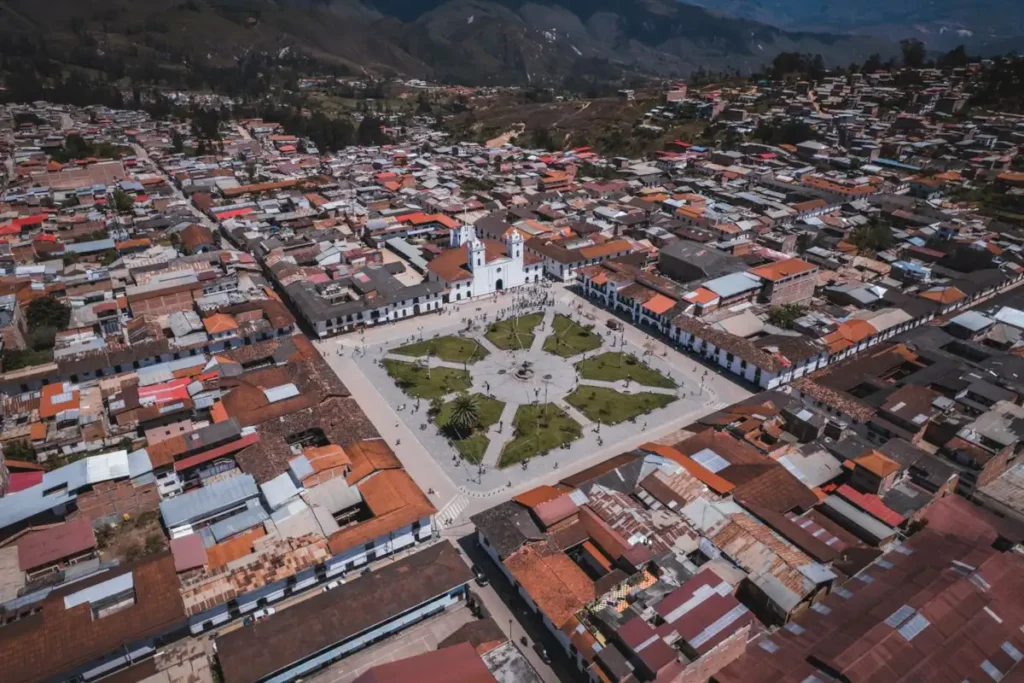
Raymi Llaqta takes place in Chachapoyas, a city located in northern Peru at around 2,335 meters above sea level. The altitude is lower than Cusco, but the city still has a cool mountain climate, especially in the evenings. Its colonial balconies, calm streets, nearby viewpoints, and access to archaeological and natural attractions make it an ideal base for exploring Amazonas.
The festival is part of the Chachapoyas Tourism Week, which usually happens between late May and the first half of June. The exact dates can change each year, so travelers should always confirm the official program before booking. For the 2026 edition, public information points to activities from May 31 to June 13, with the central celebration scheduled for Saturday, June 13.
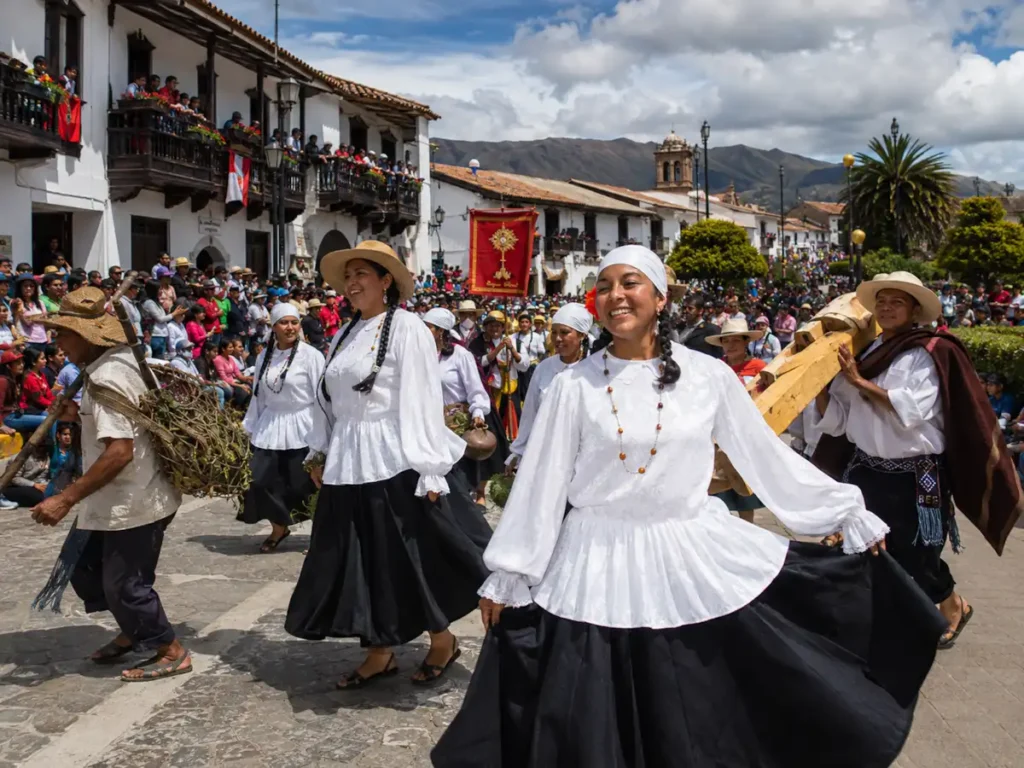
The main event normally takes place around the historic center of Chachapoyas, including the Plaza de Armas and surrounding streets. During the central day, the city becomes a moving stage. Communities parade through the streets, musicians accompany the delegations, and spectators gather early to secure a good view.
If your goal is to experience Raymi Llaqta without stress, do not arrive on the same day. Plan at least two nights in Chachapoyas, and ideally three or four, so you can enjoy the festival and still visit the region’s main attractions.
The history behind Raymi Llaqta
The modern Tourism Week in Amazonas began in 1996, and Raymi Llaqta was incorporated the following year as a way to celebrate regional identity and remember the historic Battle of Higos Urco. This battle took place on June 6, 1821, when patriotic forces in Chachapoyas defeated royalist troops, helping secure the independence of Amazonas before Peru’s national independence was proclaimed in July of the same year.
This historical background matters because the festival is not only folkloric. It connects local pride, independence history, and ancestral heritage. It celebrates the Chachapoya legacy, but it also recognizes the many communities that make up the modern Amazonas region.
The Chachapoya civilization is one of Peru’s most intriguing pre-Inca cultures. They built impressive settlements in cloud forest landscapes, including Kuélap, often called the “Machu Picchu of the North.” They also left behind funerary sites, sarcophagi, mausoleums, textiles, and legends that continue to shape the imagination of the region.
When you attend Raymi Llaqta, you are not only watching dances. You are seeing how communities use public celebration to keep memory alive.
What to expect during the main festival day
The central festival day is usually the most exciting moment for visitors. The streets fill with delegations, music, traditional costumes, food stalls, local families, photographers, and travelers. Depending on the year’s program, the parade can last several hours and may include dozens of communities.
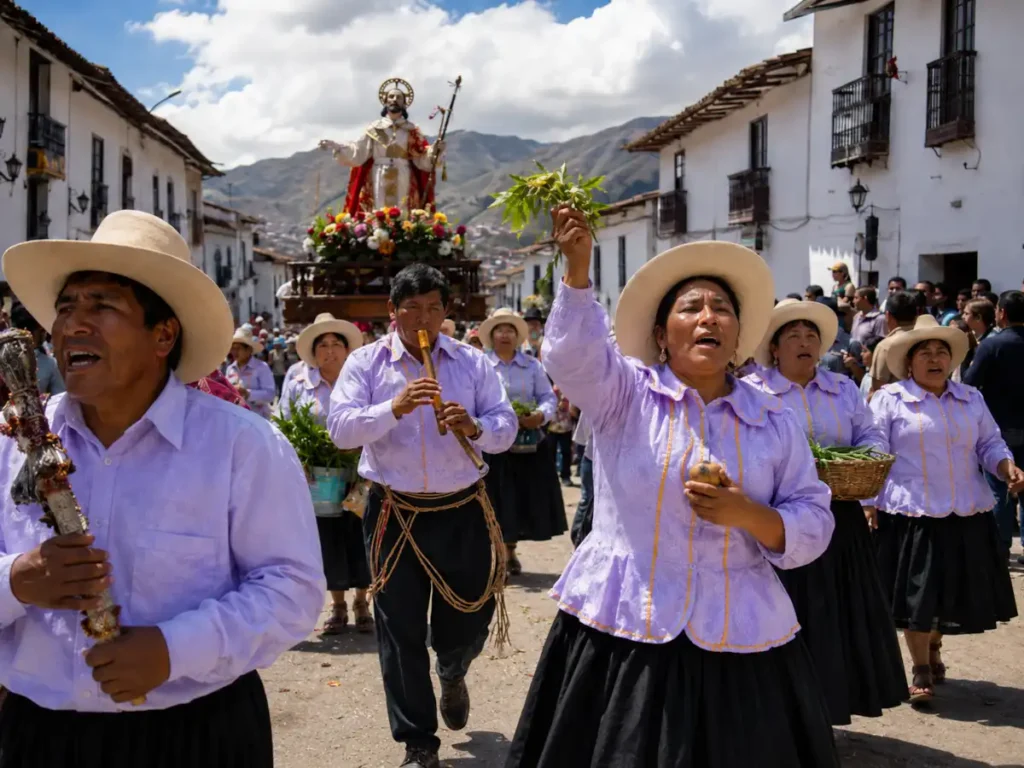
Expect movement, color, and sound everywhere. Groups perform traditional dances, carry symbolic objects, represent daily life in their communities, and share regional pride through clothing and music. Some outfits reflect Andean highland traditions, while others show Amazonian influence. This is one of the most interesting parts of Raymi Llaqta: it reveals Amazonas as a cultural bridge between mountain and jungle.
Arrive early if you want a good viewing spot. The Plaza de Armas and main streets become crowded, especially during the peak hours of the parade. Wear comfortable shoes, bring water, use sunscreen, and carry a light jacket. June can be sunny during the day but cool at night.
Photography is part of the experience, but respect is essential. Ask before taking close-up portraits, avoid blocking performers, and remember that these are not costumes in the superficial sense. They are expressions of identity, memory, and community pride.
Why Raymi Llaqta is different from other festivals in Peru
Peru has many famous celebrations, from Inti Raymi in Cusco to the Virgen de la Candelaria in Puno. Raymi Llaqta stands out because it feels strongly regional and less commercialized than the festivals most international travelers already know.
The festival is not only about one sacred ceremony or one patron saint. It is about the people of Amazonas presenting themselves to the public. That makes it a valuable experience for travelers who want cultural authenticity, not only postcard-style tourism.
This celebration also helps position northern Peru as more than a secondary destination. Many travelers visit Lima, Cusco, the Sacred Valley, and Machu Picchu, but they leave without discovering the archaeological and natural richness of Amazonas. This event can be the perfect reason to extend a Peru itinerary and explore a region that combines cloud forest, ancient ruins, waterfalls, caves, museums, and living culture.
If you have already visited southern Peru or want a trip with fewer crowds, Raymi Llaqta is a strong alternative. It gives you a cultural anchor and lets you build a deeper journey around Chachapoyas.
How to plan Your trip to Raymi Llaqta
Planning is important because the celebration happens during a busy period for Chachapoyas. Hotels, local guides, restaurants, and transport services can be more requested than usual. Book accommodation in advance, especially if you want to stay near the historic center.
The most common way to reach Chachapoyas is by flying to nearby airports such as Jaén and continuing by road, or by combining overland routes from cities like Chiclayo, Cajamarca, or Tarapoto. Travel times can be long, so it is better to treat Amazonas as a multi-day destination rather than a quick stop.
For a comfortable trip, consider this basic plan:
- Day 1:
- Arrive in Chachapoyas: Walk around the historic center, enjoy the Plaza de Armas, and adjust to the local rhythm.
- Day 2:
- Experience the main parade: Attend the central cultural activities, arrive early, and enjoy the performances with a local guide if possible.
- Day 3:
- Visit Kuélap: Explore one of the most impressive archaeological sites in northern Peru and learn about the Chachapoya civilization.
- Day 4:
- Hike to Gocta Waterfall: Add nature to your itinerary with one of the most memorable landscapes in Amazonas.
- Day 5:
- Explore Leymebamba, Revash, or Karajía: Go deeper into Chachapoya archaeology and discover funerary sites, museums, and mountain scenery.
This structure gives you enough time to enjoy the festival and still understand the territory that gives meaning to the celebration.
Combining Raymi Llaqta with Kuélap, Gocta, and Leymebamba
A strong Raymi Llaqta itinerary should not end with the parade. The festival becomes more meaningful when you combine it with the region’s main cultural and natural attractions.
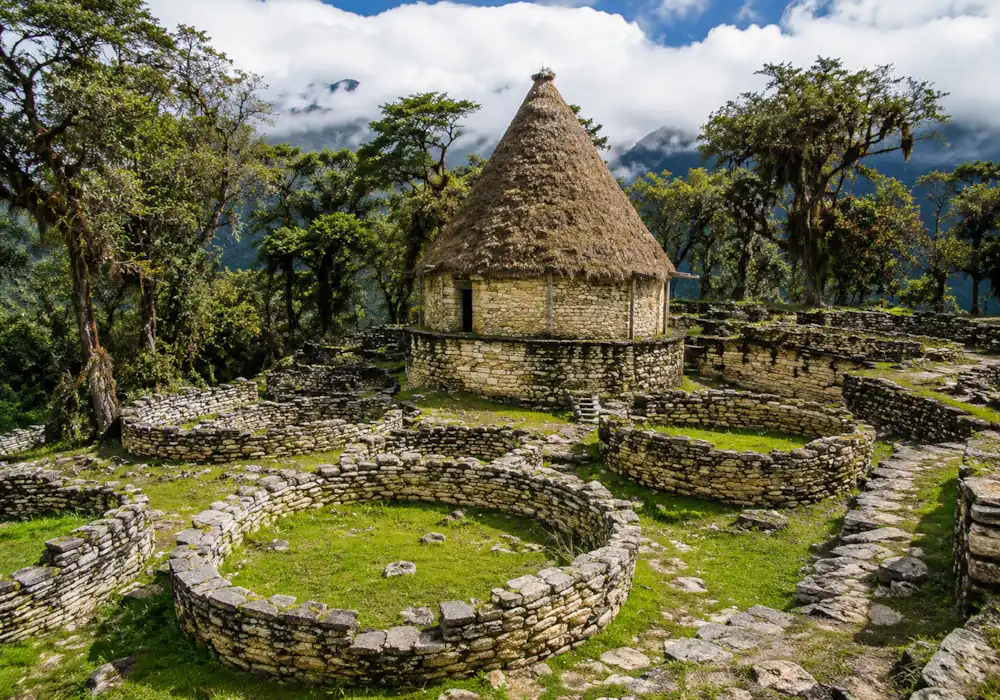
Kuélap is the most iconic archaeological site near Chachapoyas. Built by the Chachapoya culture, it is known for its massive stone walls, circular structures, mountain setting, and cloud forest atmosphere. Visiting Kuélap after Raymi Llaqta helps travelers connect the living culture seen in the streets with the ancient civilization that shaped the region.
Gocta Waterfall is another essential stop. The hike takes you through green landscapes, local villages, and forest trails before reaching one of the most famous waterfalls in Peru. For travelers who enjoy nature, Gocta adds a powerful outdoor experience to the cultural intensity of the festival.
Leymebamba Museum is ideal for those interested in archaeology and history. It houses an important collection related to the Chachapoya culture, including materials connected to funerary traditions and the Laguna de los Cóndores discoveries. Revash and Karajía are also highly recommended for travelers who want to see cliffside mausoleums and sarcophagi, two of the most distinctive expressions of the region’s ancient heritage.
Together, these places turn Raymi Llaqta Chachapoyas into more than a festival trip. They create a complete northern Peru route.
Practical travel tips for Raymi Llaqta
- Book early: Chachapoyas has a growing tourism scene, but capacity is not unlimited. During the event, demand increases, so early reservations are safer.
- Stay close to the center: Being near the Plaza de Armas makes it easier to move around during festival days, especially when streets are crowded or traffic is restricted.
- Use local guides: A guide can explain the meaning behind the dances, clothing, regional symbols, and historical references. Without context, you may enjoy the colors but miss the depth.
- Check the official schedule: Activities can include parades, fairs, concerts, exhibitions, neighborhood celebrations, ceremonies, and cultural presentations. The most important day is not the only day worth attending.
- Prepare for changing weather: Chachapoyas can be sunny, windy, rainy, or cool depending on the hour. Bring layers, sunscreen, and comfortable walking shoes.
- Respect local culture: The celebration is open and festive, but it belongs to the communities that participate in it. Be a respectful guest, not only an observer.
Is Raymi Llaqta worth visiting?
Yes, it is worth visiting if you want to experience Peru through living culture rather than only monuments. It is especially recommended for travelers who enjoy photography, local traditions, music, community festivals, archaeology, nature, and less crowded destinations.
It is also a smart choice for repeat visitors to Peru. If you have already seen Machu Picchu, Cusco, and the Sacred Valley, this festival offers a fresh perspective. If it is your first time in Peru, the festival can complement a classic southern route by showing you the cultural strength of the north.
The key is to plan it as part of a complete Amazonas itinerary. Come for the celebration, but stay for Kuélap, Gocta, Leymebamba, Karajía, Revash, local food, coffee, landscapes, and the calm atmosphere of Chachapoyas.
Why Raymi Llaqta belongs on your Peru itinerary?
This is one of the most meaningful cultural events in northern Peru. It brings together history, identity, music, dance, traditional clothing, regional pride, and the living presence of communities that keep Amazonas’ heritage alive.
For travelers looking for an authentic experience, Raymi Llaqta Chachapoyas offers something different from the usual Peru itinerary. It is festive without feeling artificial, colorful without losing meaning, and accessible enough to enjoy while still feeling local and genuine.
If you are planning a Peru trip in June, consider adding Raymi Llaqta to your route. With the right itinerary, you can experience the people’s festival in Chachapoyas, explore Kuélap, hike to Gocta Waterfall, and discover why northern Peru deserves a much bigger place on the travel map.
Raymi Llaqta is more than a festival. It is an invitation to understand Peru through its communities, its landscapes, and its memory.
Frequently Asked Questions About Raymi Llaqta
What does Raymi Llaqta mean?
Raymi Llaqta is commonly translated from Quechua as “the people’s festival” or “festival of the town.” The name reflects the spirit of the celebration: communities from across the Amazonas region come together in Chachapoyas to share their dances, music, clothing, food traditions, and local identity.
Where is Raymi Llaqta celebrated?
Raymi Llaqta is celebrated in Chachapoyas, the capital of the Amazonas region in northern Peru. The main activities usually take place around the historic center, especially near the Plaza de Armas and the surrounding streets, where delegations parade and perform throughout the day.
When does Raymi Llaqta take place?
Raymi Llaqta usually takes place during the Chachapoyas Tourism Week, between late May and the first half of June. The exact date can vary each year, so travelers should check the official program before booking flights, hotels, or tours.
Is Raymi Llaqta Chachapoyas a good festival for international travelers?
Yes. Raymi Llaqta Chachapoyas is an excellent cultural experience for international travelers who want to discover Peru beyond the classic Cusco and Machu Picchu route. It is especially recommended for visitors interested in living traditions, photography, local communities, music, regional food, and northern Peru’s archaeological heritage.
Do I need tickets to attend Raymi Llaqta?
Most public activities and street parades can usually be enjoyed without a ticket. However, some special events, concerts, exhibitions, or organized experiences may have limited access or require reservations. If you travel with a local agency or guide, they can help you confirm the official schedule and the best viewing areas.
Can I combine Raymi Llaqta with Kuélap and Gocta Waterfall?
Yes. In fact, combining Raymi Llaqta with Kuélap and Gocta Waterfall is one of the best ways to experience Amazonas. The festival gives you a cultural connection to the region, while Kuélap shows the power of the ancient Chachapoya civilization and Gocta adds a memorable nature experience.
What should I wear for Raymi Llaqta?
Wear comfortable walking shoes, light layers, sunscreen, sunglasses, and a hat for daytime activities. Chachapoyas can be sunny during the day and cool in the evening, so bringing a light jacket is also recommended. Since the festival involves walking and standing for long periods, comfort is more important than formal clothing.
Is Raymi Llaqta similar to Inti Raymi in Cusco?
Both are important cultural celebrations in Peru, but they are different. Inti Raymi in Cusco focuses on the Inca Festival of the Sun and is strongly connected to imperial Inca symbolism. Raymi Llaqta, on the other hand, celebrates the identity of Amazonas communities and highlights the cultural diversity of northern Peru.
Why should Raymi Llaqta be part of a Peru itinerary?
Raymi Llaqta is a strong addition to a Peru itinerary because it introduces travelers to a less crowded but culturally rich region. It allows visitors to experience living traditions in Chachapoyas while also exploring archaeological sites, cloud forest landscapes, waterfalls, and the heritage of the Chachapoya people.
