
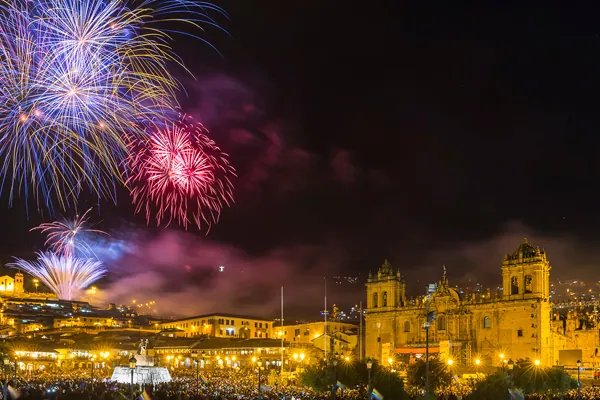
New Year in Peru is one of the most joyful and meaningful celebrations in the country, blending ancient traditions with modern festivities. From coastal fireworks and Andean rituals to jungle gatherings surrounded by nature, each region welcomes the year in its own unique way. The occasion reflects Peru’s rich cultural diversity, where joy, gratitude, and connection to the Earth come together to mark a fresh beginning.
Travellers visiting during this time will find not just parties and music, but also rituals filled with symbolism — from wearing yellow for good fortune to sharing grapes for prosperity. Whether spent on a bustling beach in Lima or a quiet mountain village in Cusco, this celebration offers an unforgettable insight into the Peruvian spirit of renewal and hope.
You might also be interested in: All Saints’ Day in Peru 2025
What makes New Year in Peru unique
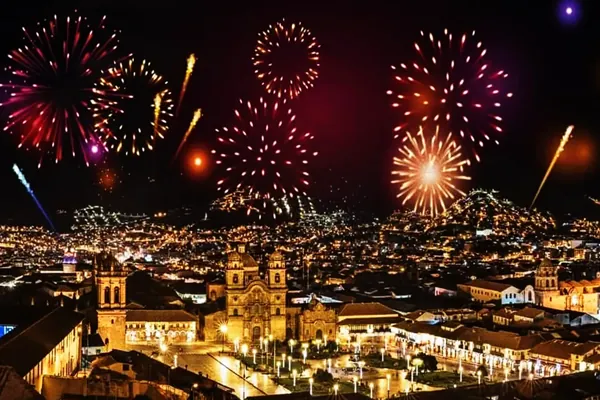
New Year in Peru is a celebration that blends joy, spirituality and deep cultural roots. Unlike in many other countries, the start of a new year here is not only about parties or fireworks, but also about renewal, gratitude and connection with the earth. From the coast to the highlands, each region expresses its own identity, creating an atmosphere that is both festive and meaningful.
This special time reflects the diversity of Peruvian culture. Families gather to share food, friends reunite to dance, and communities celebrate in public squares filled with music and laughter. Everywhere you go, you’ll sense an energy of hope and good fortune that sets New Year in Peru apart from any other celebration in the world.
How Peruvians welcome the New Year
For many Peruvians, welcoming the New Year is about balancing celebration and reflection. As midnight approaches, families gather for dinner, sharing traditional dishes such as roast turkey, tamales or lechón, accompanied by sparkling wine or chicha. When the clock strikes twelve, hugs, cheers and fireworks fill the night sky, marking the start of a new cycle.
Beyond the party, many households perform small rituals believed to bring good luck. Wearing yellow clothing for happiness, placing coins in shoes for prosperity or walking around the block with a suitcase to attract travel opportunities are just a few examples. These playful yet symbolic customs make the New Year in Peru an occasion filled with hope and positivity.
The mix of Andean, coastal and Amazonian traditions
What makes the New Year in Peru truly unique is the way its traditions change from one region to another. In the Andes, people honour Pachamama, the Mother Earth, with small offerings of coca leaves, corn and flowers to thank her for the year gone by. On the coast, families often gather on beaches to watch fireworks reflected in the sea, while in the Amazon, celebrations are accompanied by local music and dances that symbolise renewal and harmony with nature.
This cultural diversity gives the holiday a vibrant and inclusive spirit. Whether you’re celebrating in a mountain village, a coastal city or a rainforest community, you’ll witness how Peruvians mix modern celebration with ancient rituals. It’s a reminder of how the country’s heritage continues to live strongly through every New Year in Peru.
The festive spirit across cities and villages
From the lively streets of Lima to the quiet towns of the Sacred Valley, the festive spirit is unmistakable. Public squares become gathering places for music, dancing and colourful fireworks, while rural communities prepare their own traditional festivities that highlight their local identity. Everywhere, people share the same joy of welcoming a new beginning surrounded by family, friends and neighbours.
Even in small villages, bonfires and local orchestras light up the night, creating moments that are both intimate and communal. This blend of excitement and cultural pride captures the essence of New Year in Peru — a time when traditions, happiness and human connection come together to celebrate life itself.
You might also be interested in: 8 best places to see the sunsets in Peru
Where to celebrate New Year in Peru 2026
Every corner of the country offers a unique way to celebrate New Year in Peru, from energetic beach parties to quiet Andean rituals under the stars. Whether you seek music, spirituality or just a new adventure, you’ll find an unforgettable atmosphere that perfectly blends tradition and celebration. The diversity of landscapes and customs means there is no single way to welcome the New Year — each destination reveals a different face of Peruvian culture.
From the coast to the highlands, Peruvians mark this date with enthusiasm and warmth, sharing moments of joy and gratitude. Cities fill with lights and music, while smaller towns keep ancient customs alive. Exploring the country during this time allows travellers to experience the heart of Peru’s festive spirit in its most authentic form.
Lima – Fireworks by the Pacific Ocean
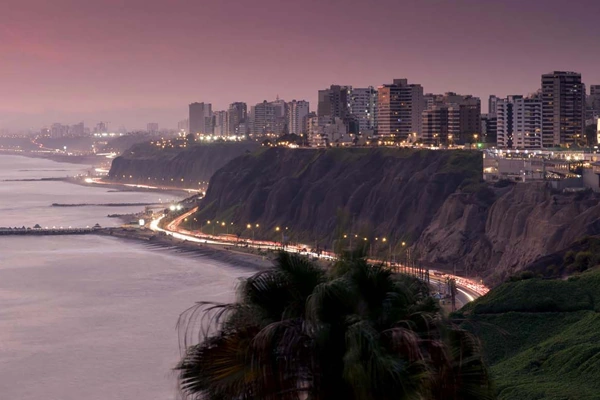
In Lima, the capital, the celebration of New Year in Peru takes on a spectacular and modern tone. As the clock nears midnight, families and friends head to the beaches of Miraflores, Barranco and Costa Verde to watch fireworks light up the sky above the Pacific Ocean. Restaurants, clubs and rooftop bars host lively events that combine Peruvian cuisine, live music and an unbeatable view of the coastline.
For those who prefer a calmer evening, many hotels and restaurants offer elegant dinners with local dishes and traditional toasts. No matter where you choose to be, Lima’s energy on this night is contagious — a mix of joy, reflection and hope that perfectly captures the spirit of a new beginning.
Cusco – Andean energy and traditional rituals
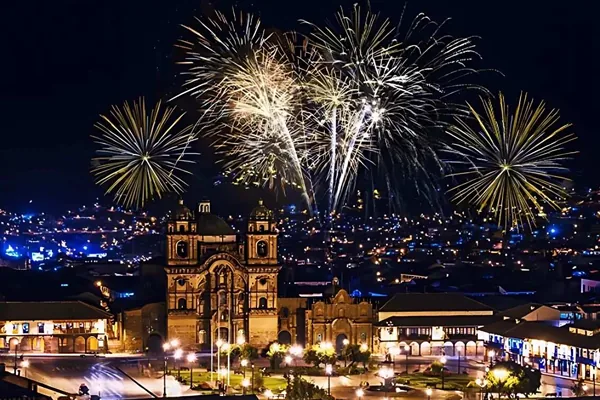
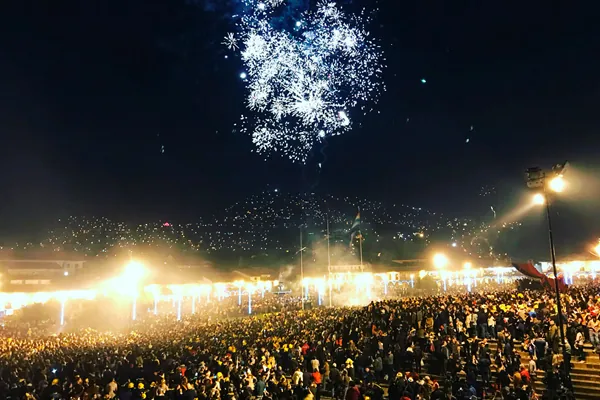
Cusco offers one of the most spiritual ways to experience New Year in Peru. The main square fills with thousands of people dressed in yellow, symbolising prosperity, while Andean rituals honour Pachamama, the earth goddess. Locals and travellers alike gather to dance, sing and share coca leaves as a gesture of gratitude and renewal.
The celebration here feels both ancient and alive. As fireworks illuminate the Inca walls and colonial balconies, you can sense the powerful connection between the city’s past and present. Many visitors also take part in cleansing ceremonies led by local shamans, an experience that reflects the deep cultural roots that make Cusco a magical place to welcome the New Year.
Máncora – Warm beaches and lively parties
Máncora, located in northern Peru, is the perfect destination for those seeking sun, music and endless celebration. Known for its stunning beaches and relaxed atmosphere, this coastal town transforms into a vibrant party scene during New Year in Peru. Bonfires, open-air concerts and beach bars create an unforgettable night that lasts until dawn.
Beyond the parties, Máncora also offers moments of tranquillity. Watching the first sunrise of the year over the Pacific Ocean is an experience that connects joy with peace. It’s the ideal choice for travellers who want to combine relaxation, natural beauty and a truly festive environment in one place.
Arequipa – Historic charm and local gatherings
In Arequipa, the White City, New Year’s Eve blends colonial elegance with heartfelt celebration. Locals gather in the main square to enjoy live music and admire fireworks against the backdrop of the Misti volcano. The streets fill with laughter and food stands offering traditional snacks like buñuelos and hot drinks to keep warm through the night.
What makes Arequipa special during this time is its sense of community. Families open their doors to friends and visitors, sharing dinner and stories about the year gone by. It’s a beautiful mix of tradition and warmth that allows you to experience New Year in Peru in a more intimate and authentic way.
Puno – A cultural experience by Lake Titicaca
Celebrating New Year in Puno offers a unique connection between nature, culture and spirituality. Located on the shores of Lake Titicaca, the city hosts colourful parades and folk dances where local groups perform traditional music that honours the water and the land. The reflection of fireworks on the lake creates a mesmerising scene unlike anywhere else.
In nearby communities, Andean families welcome the new year with rituals dedicated to the spirits of the lake and mountains. Visitors are often invited to join these ceremonies, making it a moving and memorable cultural experience. Puno’s combination of beauty, music and meaning makes it one of the most authentic destinations to celebrate New Year in Peru.
Trujillo – Coastal joy and family traditions
In northern Peru, Trujillo offers a celebration full of warmth and local charm. Families gather at home or along the beaches to enjoy fireworks, food and music, creating a joyful yet relaxed atmosphere. The city’s historic streets come alive with people sharing good wishes and dancing to traditional marinera tunes.
Trujillo’s residents are known for their hospitality, and visitors are often welcomed into family gatherings or community events. Between its colonial architecture, cultural pride and coastal breeze, this destination offers a perfectly balanced way to enjoy New Year in Peru — festive, authentic and full of good energy for the year ahead.
You might also be interested in: 10 lakes in Peru you should visit
Traditional New Year customs in Peru
New Year in Peru is more than a moment to mark the passing of time — it’s a celebration deeply rooted in ancient traditions, local beliefs and the desire to start afresh. Every region, from the high Andes to the Pacific coast, embraces the occasion with customs that blend spirituality, symbolism and joy. These traditions not only express hope for the year ahead but also reflect the country’s cultural richness and connection with nature.
While modern celebrations have added fireworks and parties, many Peruvians still honour customs passed down through generations. These rituals, each filled with meaning, are performed to attract good fortune, health and success. They show how Peruvians balance festive joy with reverence for the energies that guide their lives.
The twelve grapes and other lucky rituals
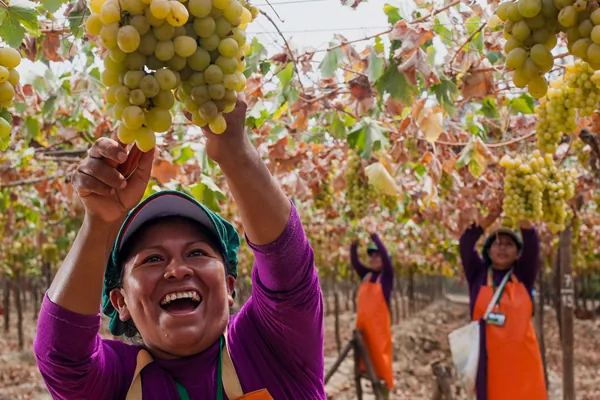
One of the most popular traditions during New Year in Peru is eating twelve grapes at midnight — one for each month of the coming year. As the clock strikes twelve, people make a wish with each grape, hoping for happiness, love and prosperity. The custom, originally from Spain, has become a must in Peruvian homes and is often accompanied by laughter, hugs and toasts with sparkling drinks.
Beyond the grapes, other lucky rituals are performed to bring positive energy. Some people place coins in their shoes to attract wealth, others take a suitcase and walk around the block to ensure a year full of travel. Each act, whether playful or symbolic, reflects the optimism and joy that define the spirit of New Year in Peru.
Yellow clothing, candles and wishes for prosperity
Yellow is the colour of luck and happiness in Peru, and wearing something yellow — often new underwear — is believed to bring good fortune in the year ahead. Markets and street stalls overflow with yellow garments, confetti and decorations in the last days of December, creating a bright and cheerful atmosphere that fills every corner of the country.
Many Peruvians also light candles in different colours to attract specific blessings: white for peace, red for love, green for money. These simple gestures combine faith and hope, turning New Year’s Eve into a time to manifest dreams and set positive intentions for the months to come.
Symbolic cleanses and Andean offerings
In the Andean regions, people perform spiritual cleanses or “limpias” to remove bad energies before welcoming the new year. These rituals often include herbs, incense and even flower baths, designed to purify the body and soul. Families may also make small altars or offerings to the Pachamama (Mother Earth), expressing gratitude for the past year and asking for abundance and protection in the next.
These ancestral practices connect the celebration with the natural world and the wisdom of Peru’s indigenous cultures. They remind everyone that New Year in Peru is not only about parties and fireworks but also about renewal, balance and gratitude — values that continue to unite generations across the country.
Food, drinks and celebrations during New Year
Celebrating New Year in Peru means enjoying an explosion of flavours, aromas and festive sounds that fill homes and streets alike. Food plays a central role, as families gather for a late dinner that reflects abundance and good fortune. Every dish carries symbolic meaning — from prosperity and unity to love and health. Alongside the meal, music and laughter set the tone for a night that blends family warmth with community celebration.
In both cities and small towns, the festive energy builds up towards midnight. People dance, share stories, and wait for the clock to strike twelve while fireworks light up the sky. The combination of traditional meals, heartfelt toasts and joyful music makes New Year in Peru a multisensory experience — one that stays in memory long after the night has passed.
Traditional Peruvian dishes for the occasion
A classic Peruvian New Year dinner usually includes roasted meats, rice dishes and salads prepared with local ingredients. One of the most common options is baked turkey or pork, accompanied by rice with corn or raisins, reflecting the desire for abundance. In coastal regions, seafood dishes like ceviche or arroz con mariscos are also popular, as people take advantage of the summer season and fresh catches.
Sweet treats are equally important. Panettone and hot chocolate — once reserved for Christmas — often make a return to the table, along with regional desserts like mazamorra morada or arroz con leche. Each dish brings family members together, symbolising the richness and diversity of Peruvian culture.
Drinks and toasts to welcome the year
No New Year celebration in Peru is complete without a proper toast. Pisco, the national spirit, is often the drink of choice, enjoyed as a Pisco Sour or mixed into refreshing cocktails. In many homes, champagne or sparkling wine is shared at midnight as fireworks illuminate the sky and people cheer for a prosperous year ahead.
In more traditional gatherings, chicha de jora or even herbal infusions may accompany the meal, connecting the celebration to Peru’s Andean roots. Whether with fine wine or a homemade drink, the act of toasting represents unity and hope — a moment where everyone looks forward with optimism.
Street parties and music from midnight onwards
Once the clock strikes twelve, the streets of Peru come alive with music, dancing and fireworks. Public squares, beaches and neighbourhoods turn into open-air parties that last until dawn. Bands play cumbia, salsa, huayno and reggaeton, creating a lively mix of rhythms that unite people of all ages.
In some towns, locals burn effigies known as muñecos — figures made of old clothes and paper — to symbolise leaving behind the bad moments of the past year. The scene is filled with joy, symbolism and togetherness, reflecting the warm and communal spirit that defines New Year in Peru.
You might also be interested in: Top 20 animals of Peru that should know
Tips for travellers spending New Year in Peru
Experiencing New Year in Peru as a visitor offers a rare chance to see how culture, faith and festivity intertwine. Whether you choose to celebrate by the ocean, in the highlands or by Lake Titicaca, every destination provides something unique. Travellers can expect both vibrant street celebrations and meaningful local rituals, making this time of year perfect for cultural immersion and connection.
To make the most of your trip, planning ahead and understanding a few local customs can go a long way. From booking accommodation early to learning about traditions like wearing yellow or eating grapes at midnight, a bit of preparation ensures a smooth and unforgettable experience.
How to plan your trip for 2026
New Year is one of the busiest travel periods in Peru, so it’s best to secure accommodation and transport several weeks in advance. Major cities like Lima and Cusco fill up quickly, and even smaller destinations such as Máncora or Puno attract large crowds. Booking early also allows you to find better rates and choose locations close to the main festivities.
If you’re hoping for a lively atmosphere, stay near city centres or main squares where fireworks and concerts are held. For a quieter, more spiritual celebration, consider rural areas or smaller Andean towns, where ancient traditions still guide the New Year rituals.
What to expect from weather and local customs
Peru’s geography means you’ll encounter very different climates depending on where you travel. Coastal areas such as Lima and Trujillo are warm and humid in December, while the Andes, including Cusco and Arequipa, have cooler nights despite sunny days. Packing light clothing for the coast and layers for high-altitude regions is the best way to stay comfortable.
In terms of customs, expect open hospitality and genuine warmth. Peruvians often invite visitors to join family dinners or community celebrations. Showing respect by learning a few greetings in Spanish and participating with gratitude will make your experience even more meaningful.
Responsible celebration and respect for traditions
When celebrating New Year in Peru, it’s important to do so responsibly and with cultural sensitivity. Avoid excessive noise or littering, especially near natural or sacred areas. If you’re invited to a traditional ceremony or offering, follow the host’s lead and treat the ritual with respect.
Supporting local businesses, artisans and guides also helps preserve the cultural heritage that makes these celebrations so special. Whether you join a street party or witness an Andean offering, celebrating respectfully ensures your experience of New Year in Peru contributes positively to the places and people you visit.
The meaning of New Year for Peruvians
In Peru, the arrival of a new year goes far beyond fireworks and parties. It’s a deeply symbolic moment that reflects gratitude, hope, and renewal — values that are rooted in both ancient Andean beliefs and Catholic traditions. For many Peruvians, this time marks a spiritual reset, a chance to reconnect with nature, family, and the energy of Pachamama, or Mother Earth.
Across regions, people use this moment to honour what they’ve achieved and to ask for guidance in the year ahead. Whether through offerings, prayers, or joyful celebration, the New Year in Peru becomes an expression of cultural identity and unity that has been passed down through generations.
Connection with Pachamama and renewal
Many New Year rituals in Peru have their origin in Andean spirituality, which emphasises harmony with nature. People express gratitude to Pachamama by offering food, flowers, and coca leaves, symbolising balance and prosperity for the coming year. These rituals often take place at sunrise or during special family gatherings, creating a spiritual link between the physical and natural worlds.
This connection reflects the idea that renewal is not just personal but collective — a moment to restore balance with the Earth and with one another. Even in modern urban areas, Peruvians preserve these values, blending ancestral gratitude with modern celebration, showing that respect for nature remains at the heart of Peruvian culture.
The importance of community and gratitude
In Peru, the sense of community defines the spirit of the New Year. Families and neighbours come together to share meals, exchange wishes, and celebrate side by side. Gratitude takes centre stage — people reflect on the challenges and joys of the past year and express appreciation for the simple things: health, togetherness, and hope.
This collective joy strengthens bonds and fosters a feeling of belonging. In rural areas, communities may organise collective offerings or dances, while in cities, families host large dinners that bring generations together. In every setting, the act of celebrating together symbolises unity and shared optimism for the year ahead.
You might also be interested in: Mountains of Peru: Top 10 Trails and Experiences
Frequently asked questions about New Year in Peru
Understanding how New Year is celebrated in Peru helps travellers experience the occasion more authentically. While customs vary between regions, the essence remains the same — joy, gratitude, and connection. Below are some common questions that visitors often have when planning to spend New Year in Peru.
These answers provide practical and cultural insights to help travellers prepare, whether they’re visiting the Andean highlands, the coastal cities, or the Peruvian Amazon during this vibrant celebration.
Is New Year’s Day a public holiday in Peru?
Yes, New Year’s Day — celebrated on 1 January — is a public holiday across Peru. Most businesses, schools, and government offices close, allowing families to rest and spend time together after the night’s festivities. Major tourist sites generally remain open, but it’s best to check schedules in advance, especially in smaller towns.
Public transport and taxis continue to operate, though service may be limited early in the morning. Visitors will notice that streets are quieter during the first hours of the day as Peruvians recover from the late-night celebrations before heading out to enjoy outdoor activities or family lunches.
Can tourists take part in the rituals?
Absolutely. Visitors are often welcomed to join in local New Year traditions, especially if they show respect and genuine interest. Whether participating in an Andean offering to Pachamama or joining a family dinner, the experience can be both memorable and enriching.
It’s important, however, to observe and follow local etiquette. Ask for permission before joining rituals, and participate with sincerity rather than curiosity. Many Peruvians appreciate when travellers show an understanding of the cultural and spiritual meanings behind these customs, turning the moment into an exchange of respect and joy.
What is the best place to celebrate New Year in Peru 2026?
The best place to celebrate depends on what kind of experience you’re seeking. For lively beach parties and fireworks, Lima and Máncora are excellent choices. If you prefer a cultural or spiritual celebration, Cusco and Puno offer unique traditions rooted in Andean beliefs and local rituals.
Arequipa and Trujillo combine family-oriented festivities with beautiful architecture and delicious food, while the Amazon region provides a more tranquil setting surrounded by nature. Each destination has its own atmosphere, but all share the same welcoming energy that makes celebrating New Year in Peru a truly unforgettable experience.
Conclution of the New year in Peru 2026
Celebrating New Year in Peru is more than just welcoming another calendar year — it’s embracing a blend of joy, gratitude, and cultural heritage that unites people across the country. Each region adds its own rhythm and colour to the celebration, creating a rich tapestry of experiences that reflect the country’s deep traditions and vibrant character.
For travellers, it’s an opportunity to connect with local communities, witness ancient rituals, and feel the energy of renewal that defines this time of year. No matter where you are — by the Pacific, in the Andes, or deep in the Amazon — the beginning of the year in Peru promises warmth, reflection, and an unforgettable sense of celebration.
