

Hello! While I was doing a search about everything I know and that inspires me about Cusco, I started thinking about what I could write and tell you today. And I came across something that I’m sure will catch your attention and you will love it: the queuña tree.
This is a very important tree for the whole community… and also for the world. Because, in case you didn’t already know, it is one of the great allies in the fight against climate change, thanks to its incredible capacity to absorb carbon dioxide.
Just as you read it: this tree is of vital importance and highly valued, so much so that reforestation campaigns are constantly carried out. Unfortunately, it also suffers from deforestation by irresponsible people who value neither culture nor the environment.
And that is precisely why I want to tell you about it: so that, when you are in Cusco and you are invited to participate in a queñua plantation… do not hesitate. It is a beautiful opportunity to connect with the land, with the community, and with a gesture that really leaves a mark.
You might also be interested in: Qoyllur Rit’i: Exploring the magical snow star festival of the Andes
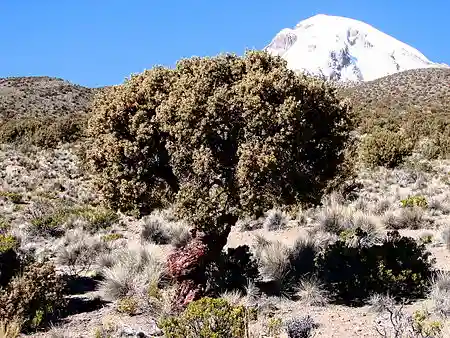
What is Queuña?
Queuña, or Polylepis spp., is one of the Andes’ toughest survivors. These gnarled trees grow way up high, sometimes above 4,000 meters, where the air is thin, cold, and dry. What really sets apart is how it thrives where few others can, with its twisted trunks and flaky, reddish bark giving it a rugged, timeless look. When you see a queuña forest, you’re looking at nature’s own fortress, built to withstand the harshest mountain weather.
The ecological role of queuña in the Andes
These forests aren’t just beautiful, they’re vital lifelines for the Andes. They act like natural water sponges, catching moisture from mist and rain, then slowly releasing it to keep rivers and wetlands flowing below. These trees create cozy homes for animals like the elusive Andean bear and the rare royal cinclodes bird. Plus, on steep mountain slopes, these tree roots hold the soil tight, stopping landslides and erosion that could wreak havoc in these fragile landscapes.
Why queuña is vital for climate resilience
With climate change shaking things up, this plant is becoming an unexpected hero. Its thick canopy cools the land and locks in precious moisture, helping to fight off droughts and the effects of melting glaciers. Beyond that, queuña forests soak up carbon dioxide, one of the main culprits of global warming, making them a natural ally in the fight to keep the planet healthy. Protecting these trees means protecting the people who rely on them, and the wild Andes that make this place so unforgettable.
You might also be interested in: Words in Quechua: How to connect with locals in Peru?
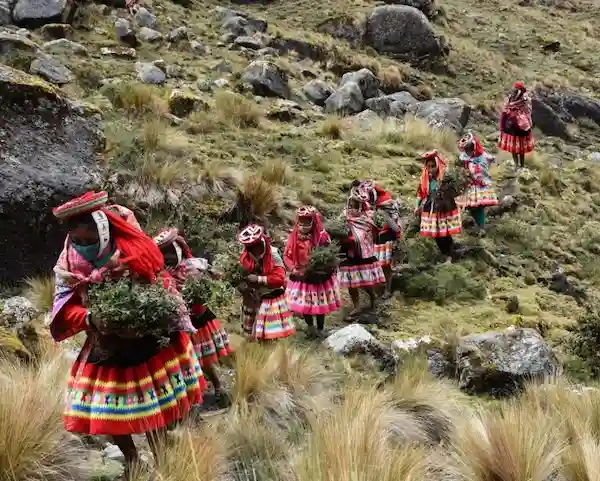
Queuña in Cusco: habitat and conservation efforts
Well, as you know, this tree in Cusco is currently going through various problems, like many other species in the world, which is very sad, considering the priceless value of this plant, not only for Cusco or Peru, but for the whole world.
And well, because of this, several efforts are being made to continue to maintain it and increase the number of specimens of this tree. However, it is always good to raise awareness, especially to those who are going to visit Cusco and who also share this love for culture, for the environment, and for preserving, above all, something that is a jewel for the planet.
The queuña is an invaluable opportunity to fight against a problem that we have been dragging for a long time: climate change. So we must always act to prevent deforestation or fires from affecting this tree, which is of great importance to everyone.
Where to find queuña forests in Cusco
If you’re exploring the Cusco region, the forests are hidden gems waiting to be discovered. These resilient trees thrive mostly in high-altitude pockets across the Andes, and Cusco is home to some of the densest and most beautiful woodlands. You can spot them around places like the Ausangate mountain area, the Vilcanota range, and scattered throughout remote valleys and protected natural reserves. Trekking through these forests offers not only stunning landscapes but also a chance to witness a vital ecosystem that’s been part of Andean life for centuries.
Threats facing queuña ecosystems
Despite their toughness, queuña forests face several challenges that put their survival at risk. Here are some of the main threats:
- Deforestation: Expansion of agriculture and grazing lands often leads to the clearing of these areas.
- Fire: Both accidental and intentional fires can quickly destroy these slow-growing trees.
- Climate change: Altered rainfall patterns and rising temperatures stress habitats.
- Overgrazing: Livestock feeding on young saplings prevents forest regeneration.
- Illegal logging: Though not widespread, selective cutting for firewood still occurs in some areas.
Protecting queuña forests means addressing these threats head-on, with support from local communities and environmental groups.
Local initiatives to protect and restore queuña
The good news? There’s growing awareness and action around preserving queuña in Cusco. Local communities, NGOs, and government programs have teamed up to:
- Establish protected areas where these trees can thrive without interference.
- Promote reforestation projects, planting new trees to restore damaged forests.
- Educate locals and visitors on the importance of queuña for water and climate stability.
- Develop sustainable grazing practices to minimize damage to young trees.
- Support research and monitoring to better understand needs and threats.
These efforts not only help keep the forests alive but also strengthen the bond between people and nature in this incredible part of the world.
You might also be interested in: Chiribaya dog: The Peruvian ancestral dog
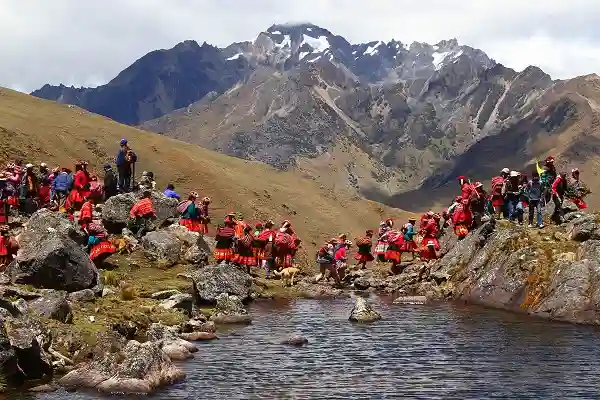
The cultural significance of Queuña Raymi
Just as you read, of course, there is a Queuña Raymi! This is a very important festivity, and it is just a reflection of how valuable this tree is for the community, for the people. And it is not a practice of now, but something that has been going on for many, many years.
In the Queuña Raymi, pre-Columbian rituals are combined with elements of the colonial era, reflecting the mixture of cultures and traditions that characterizes Peru.
So read a little more about the Queuña Raymi and tell us if you would like to participate in one of them.
What is queuña raymi, and its origins?
Queuña Raymi is a vibrant Andean festival that celebrates the sacred tree and its deep connection to the land and people. Rooted in ancient Indigenous traditions, this celebration honors the resilience and life-giving power of Polylepis forests, which have sustained Andean communities for centuries. The festival’s origins blend pre-Columbian rituals with elements introduced during colonial times, creating a unique cultural tapestry that reflects both reverence for nature and a strong sense of community identity.
Rituals and celebrations involving Queuña
During Queuña Raymi, communities come together to perform a variety of rituals that pay homage to the trees and the spirits believed to inhabit them. Common practices include:
- Offerings of coca leaves, flowers, and chicha (traditional corn beer) are placed at the base of sacred trees.
- Traditional dances and music are performed in colorful costumes that mimic the natural surroundings.
- Storytelling sessions where elders share legends about the queuña and its role in Andean cosmology.
- Tree planting ceremonies symbolize renewal and the hope for continued protection of these vital forests.
These rituals not only celebrate the queuña but also reinforce the community’s bond with the environment.
Queuña Raymi’s role in connecting communities with nature
More than a festival, Queuña Raymi serves as a living reminder of the inseparable link between people and the natural world. It fosters a sense of stewardship and respect for the fragile Andean ecosystems, encouraging sustainable practices that protect forests for future generations. Through shared celebrations, communities strengthen their cultural heritage and renew their commitment to preserving the landscapes that sustain their way of life. For visitors, participating in Queuña Raymi offers a rare chance to witness this powerful relationship firsthand and experience the Andes beyond its breathtaking scenery.
You might also be interested in: Inti Raymi 2025: Inca festival of the sun
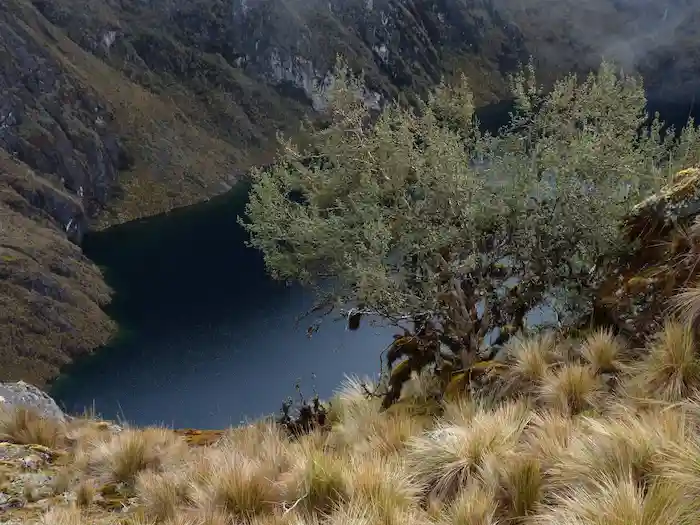
How queuña contributes to fighting climate change
Just as you read, of course, there is a Queuña Raymi! This is a very important festivity, and it is just a reflection of how valuable this tree is for the community, for the people. And it is not a practice of now, but something that has been going on for many, many years.
In the Queuña Raymi, pre-Columbian rituals are combined with elements of the colonial era, reflecting the mixture of cultures and traditions that characterizes Peru.
So read a little more about this festival and tell us if you would like to participate in one of them.
Carbon capture and water regulation benefits
Queuña (Polylepis spp.) forests are exceptional carbon sinks in the high Andes. Despite their often sparse appearance, these trees have dense woody biomass capable of storing significant amounts of carbon, which helps mitigate greenhouse gas emissions. Moreover, queuña forests play a crucial role in hydrological cycles at high altitudes. Their thick canopy captures moisture from clouds and fog, a process known as horizontal precipitation, which then seeps into the soil, sustaining streams and groundwater throughout dry periods. This water regulation is essential for local communities and ecosystems dependent on consistent water flow.
The impact of queuña on biodiversity
Ecosystems of these plants are among the most biodiverse high-altitude forests in the world. They provide critical habitat for numerous endemic and endangered species, including the royal cinclodes (Cinclodes aricomae), a bird species native to these forests, and the Andean bear (Tremarctos ornatus). These forests also support various plants, insects, and microorganisms adapted to extreme mountain conditions. Protecting forests means preserving this fragile biodiversity, which is vital for ecosystem resilience amid climate change.
Scientific studies supporting queuña’s environmental role
Multiple scientific studies underscore the importance of queuña forests for environmental stability. Research published in journals such as Forest Ecology and Management and Mountain Research and Development highlights that Polylepis forests have high rates of carbon sequestration relative to other mountain ecosystems. Studies also show their role in reducing soil erosion and enhancing water infiltration in steep Andean slopes. Conservationists rely on this scientific evidence to advocate for restoration projects, emphasizing their potential to mitigate climate impacts and support sustainable livelihoods in Andean communities.
How travelers can support queuña conservation
If you want to be part of everything that involves the preservation of this tree, visiting the queuña forests is an ideal experience for you. But, be careful, here we have to follow the guidelines that are established to take care of these trees, because we cannot just go and do whatever we want. It is always good to consult and, above all, respect the indications given by the guide or the communities, not only about the queuña, but also about all the tourist destinations we visit.
The nice thing is that massive plantations are constantly taking place in different parts of Cusco and, if you arrive on time, you can be part of them. And besides, what better way to enrich your travel experience than doing something like this?
Responsible tourism in queuña forests
Visiting queuña forests is an incredible experience, but it comes with a responsibility. Travelers should stick to marked trails to avoid damaging fragile roots and soil. Avoid collecting plants or disturbing wildlife, and always carry out what you bring in; leave no trace behind. By respecting these guidelines, you help preserve these unique ecosystems for future generations while enjoying their breathtaking beauty.
Educational tours and volunteering opportunities
Many local organizations and eco-lodges in Cusco offer guided tours focused on conservation. These tours educate visitors about the ecological importance of Polylepis forests and the threats they face. For those wanting a deeper connection, volunteering programs provide hands-on experience in tree planting, habitat restoration, and community outreach. Joining these initiatives not only supports conservation but also enriches your travel experience through meaningful participation.
Supporting local communities and conservation projects
Queuña conservation goes hand in hand with supporting the people who live in and around these forests. Choose tour operators and projects that collaborate closely with local communities, ensuring that economic benefits stay local. Purchasing handmade crafts, eating locally sourced food, and respecting cultural traditions all contribute to sustainable development. By investing in these communities, travelers play a vital role in protecting both the environment and the rich Andean heritage tied to the queuña.
Conclusion
The queuña is not just a tree. It is a symbol of resistance, culture, and hope high in the Andes. These special forests not only help combat climate change, but they are also home to so much life and are fundamental to the communities that live near them.
Knowing their value and acting with awareness when we travel can make a big difference. Whether you are walking through the queuña forests in Cusco, participating in festivities such as Queuña Raymi, or supporting a conservation initiative, you are joining a beautiful story, where nature, culture, and adventure come together.
