

One day, I was talking to a traveler and he told me that he felt a bit helpless not being able to connect, even in a basic way, with the native communities, and he considered that very important because he didn’t want to just visit the archaeological sites and that’s it. So I kept thinking and looking for ways in which I could help with that, and I came up with an idea, so I made a compilation of the main words in Quechua to bring them to you.
That is why I bring you essential Quechua words, the precise ones you need to know, so that all the interaction with the locals is valuable and makes your trip a more emotional and culturally connected one.
So, learn how to greet, some numbers, and phrases. Also, I give you some tips to learn how to pronounce because it is not a language similar to English, which makes it more complex, but with effort, dedication and interest in the culture, you can achieve it, so let’s not waste more time and let’s dive into one of the most important cultural manifestations of the Andean culture.
You might also be interested in: Chiribaya dog: The Peruvian ancestral dog
What is Quechua language?
Quechua is an Indigenous language spoken primarily in the Andes, with millions of speakers across Peru, Bolivia, Ecuador, and parts of Colombia and Argentina.
The roots of Quechua: More than just an Inca legacy
When people think of the Quechua language, they often picture the Incas, and for good reason. This was the official language of the Inca Empire, spoken across vast regions of South America long before the Spanish ever arrived. But Quechua is not a relic of the past. It’s a living, breathing language still spoken by millions in Peru, Bolivia, Ecuador, and parts of Colombia and Argentina.
Its roots run deep into the mountains, valleys, and communities of the Andes. Quechua was never just a tool for communication; it was a way to understand the world, its cycles, its spirits, and its people. Words in Quechua often carry more than just literal meanings. They reflect values like reciprocity (ayni), harmony with nature, and deep familial ties. It’s a language woven with emotion, metaphor, and identity. I’m sure you will fall in love with the Quechua language.
Where is Quechua spoken today?
Today, Quechua is one of the most widely spoken Indigenous languages in the Americas, with over 8 million speakers across the Andes. In Peru alone, it’s estimated that more than 3.5 million people use it daily. It’s especially alive in rural regions of Cusco, Puno, Apurímac, Ayacucho, and parts of the Sacred Valley.
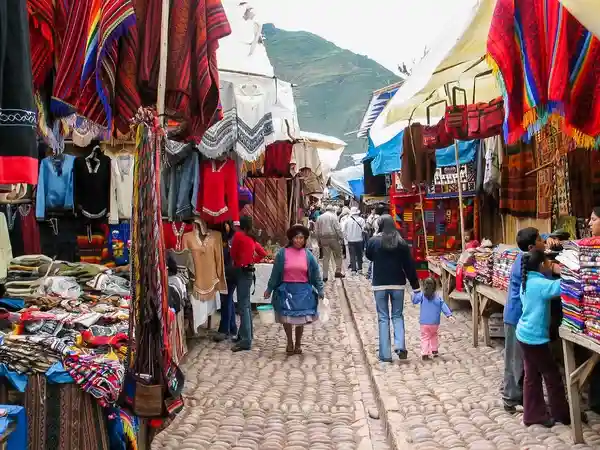
While Spanish dominates in cities, Quechua pulses through highland communities, festivals, rituals, markets, and even lullabies. If you wander through the weaving towns of Chinchero or walk the stone streets of Ollantaytambo, you’re bound to hear it, often spoken softly, intimately, between generations.
And perhaps what’s most striking is that Quechua isn’t just spoken by elders. It’s kept alive by young musicians, teachers, tour guides, and artists who proudly carry it forward as a symbol of resistance and cultural pride.
Why travelers should learn words in Quechua before visiting Cusco or the Sacred Valley
You don’t need to be fluent. In fact, knowing just a handful of words in Quechua can open a world of warmth and connection. Locals deeply appreciate when travelers make the effort to speak, even if imperfectly. It shows respect. It breaks the tourist-local barrier. And it leads to unforgettable moments.
Imagine greeting your trek porter with a cheerful “Allin punchay!” (Good morning), or thanking a market señora with “Sulpayki.” Those small gestures are often met with surprised smiles, laughter, and genuine curiosity.
In places like the Sacred Valley, where communities are still closely tied to ancestral traditions, speaking phrases in Quechua helps you experience the region not just as a visitor, but as a welcomed guest.
Plus, for photographers, storytellers, and curious souls alike, learning words in Quechua adds depth. It allows you to name mountains, stars, and places with their true, original voices, Waqrapukara, Saqsaywaman, Inti Punku. Names that carry meaning, memory, and mystery.
You might also be interested in: Inti Raymi 2025: Inca festival of the sun
Basic words in Quechua language every traveler should know
Learning Quechua words is not only a way to have a better travel experience, but it is also a sign of respect and interest in the culture you are visiting. Peruvians, or even I think every person in the world who receives travelers, appreciate it when tourists make an effort to speak in their language. Wouldn’t you feel the same? With the affection of the locals, you will discover that a trip can be much better, especially when you take special tours, such as the Rainbow Mountain full day.
Greetings in Quechua
There’s something beautiful about starting a conversation with a Quechua word. It shows you care. It shows you’re not just passing through—you’re present.
| Quechua | Meaning | Use case |
| Rimaykullayki | Hello / I greet you with respect | A traditional, warm greeting |
| Allin punchay | Good morning | Perfect for early walks or chatting with your porter |
| Allin sukha | Good afternoon | Use this after lunchtime when exploring villages |
| Allin tuta | Good night | A gentle phrase when ending the day in a homestay |
Lovely fact: There’s no direct word for “goodbye” in Quechua. Instead, people say Tupananchiskama, which means “until life reunites us”. It’s a reminder that all meetings are temporary, and maybe eternal. Isn’t it lovely?
Polite expressions in Quechua
These polite words in Quechua open doors, soften conversations, and often lead to heartfelt exchanges, especially with elders or artisans.
| Quechua | Meaning | Use case |
| Sulpayki | Thank you | Use it generously—it always brings smiles |
| Ñuqa… kani | I am… (used to introduce yourself) | For sharing who you are in a humble way |
| Ama hina kaychu | Please don’t / excuse me | A respectful way to say no or interrupt gently |
| Ñawinchayki | I see / I understand | Useful when listening to stories or instructions |
| Tupananchiskama | Until we meet again | The closest thing to “goodbye” in Quechua |
Numbers in Quechua
Understanding basic numbers helps with prices, distances, or even playing with local kids who’ll quiz you just for fun.
| Quechua | Meaning | Use case |
| Huk | One | “Huk sol” (one sol), “huk wasi” (one house) |
| Iskay | Two | Great for bartering in markets |
| Kimsa | Three | Use in daily travel situations |
| Tawa | Four | “Tawa runa” = four people |
| Phichqa | Five | Helpful for counting objects or people |
Directions and essentials for getting around
Whether you’re exploring ancient paths or asking for the nearest chichería, these words in Quechua will come in handy.
| Quechua | Meaning | Use case |
| Maypin…? | Where is…? | Ask locals for places with confidence |
| Ñawpaqman | Forward | Used when walking on trails or in guided tours |
| Liqsi | Right | Follow directions on rural roads |
| Ch’iqchi | Left | Listen for it during hikes or city walks |
| Ñañaykuna | Sisters (people) | Commonly, when interacting with women in the community |
| Wasi | Home/house | You’ll hear this often when visiting families |
You might also be interested in: The mystery of the Nazca lines
Phrases in Quechua to use during your trip
Once you’ve learned a few basic words in Quechua, the next step is using full phrases—and that’s where the magic happens. Whether you’re asking for help, expressing gratitude, or simply sharing a moment with someone on the trail, these expressions create a bridge. And trust us: during adventures like the Choquequirao trek 4 days, even one Quechua sentence can turn a stranger into a friend.
Asking for help or information in a friendly way
In small Andean villages, not everyone speaks Spanish, let alone English. These Quechua phrases help you approach locals respectfully and with genuine curiosity.
| Quechua phrase | Meaning | Use case |
| Maypin karqa…? | Where was…? | Ask about a place, person or object |
| Imaynataq rinki…? | How do I get to…? | Ideal for getting directions on a trail or town |
| Yanapayway | Help me, please | A polite and humble way to request help |
| Rikhuriykuy | Excuse me / May I? | Use before asking something |
| Ima sutin kanki? | What’s your name? | Great for connecting with porters or artisans |
How to say “thank you”, “delicious”, and other local favorites
Food, kindness, and laughter are universal, and Quechua has beautiful expressions for each.
| Quechua phrase | Meaning | Use case |
| Sulpayki | Thank you | Use after meals, guidance, or gifts |
| Misky | Delicious/sweet | Say this after trying chuño, oca or chicha morada |
| Ñawi sumaqki | You have beautiful eyes | A compliment that delights, used respectfully |
| Sumak kawsay | A good life/living in harmony | A philosophical concept central to Quechua worldview |
| Kachkaniraqmi | I’m still alive (used to say you’re doing okay) | Warm and honest answer to “how are you?” |
Simple Quechua sentences to connect with market vendors, porters, and local guides
A smile goes far, but a few Quechua sentences go even further, especially when shared with people who carry traditions on their backs and in their voices.
| Quechua sentence | Meaning | Use case |
| Ñuqa turista kani, rimaykullayki | I am a traveler, hello | Friendly and respectful introduction |
| Ñuqa munani ruwana rimaykita | I want to learn to speak Quechua | Shows genuine interest and often opens conversation |
| Allinmi kachkani, qamrí? | I’m fine, and you? | Casual talk with porters or guides |
| Qan ruwanki chaymi? | Did you do that? / Is that your work? | Perfect for admiring crafts or textiles in a market |
| Añaykuyki chay mikhuypaq | Thank you for the food | Say this at a communal meal or a homestay dinner |
You might also be interested in: Inca calendar: How ancient timekeeping shaped Andean life

Beautiful words in Quechua with deep cultural meaning
In Quechua, every word carries the weight of centuries, a connection to the land, the sky, and the people. These words in Quechua are not just translations—they are reflections of a worldview that values life, harmony, and spirituality. If you want to go beyond being a mere tourist and truly connect with Peru’s heart, learning these words will guide you to a deeper understanding of its culture.
Words that reflect nature, spirituality, and community
Quechua is deeply intertwined with the natural world, and the language itself is often used to describe the unseen, the sacred, and the connection between humans and their environment. The following words convey a world of meaning far beyond their literal translation:
| Quechua | Meaning | Use case |
| Inti | Sun (God) | The sun god, worshipped by the Incas,was central to their beliefs |
| Pachamama | Mother Earth | The revered goddess of the earth, key to Andean spirituality |
| Apus | Mountain spirits | Sacred mountain spirits, often associated with divine protection |
| Kawsay | Life, existence | More than just life—it’s the flow of energy in all living things |
| Wasi | Home, house | Symbolizing not just a physical structure, but the safety and warmth of community |
| Sumaq | Beautiful | Used to describe the beauty of nature or people, often in a spiritual context |
These words in Quechua connect people to their surroundings, breathing life into landscapes and relationships alike.
Quechua concepts that don’t translate directly to English
One of the most beautiful things about words in Quechua is how they capture entire concepts, ideas, and feelings that are so deeply rooted in the Andean worldview that they can’t be fully understood in English. Here are a few that reveal the true essence of the culture:
| Quechua | Meaning | Use case |
| Ayni | Reciprocity, mutual exchange | This concept governs community life—helping one another with no expectation of immediate return. |
| Runa | Human being, person (also refers to a community) | Beyond just a person, a runa is someone who lives in harmony with their people and the earth. |
| Ñawi | Eye, or a powerful vision | A way of seeing the world that goes beyond the physical eye, a deep, spiritual vision. |
| Misky | Sweet, delicious, or pleasant | Used for both food and experiences that are sweet or delightful, this word carries deep positivity. |
These words in Quechua help to express a worldview that emphasizes the interconnectedness of all things, something that’s felt during experiences like visiting the Poc Poc waterfall, where nature, community, and spirit all converge.
Words in Quechua you’ll hear often in traditional festivals
The rich tradition of festivals in the Andean region is full of music, dances, rituals, and celebrations, and Quechua words are the very heartbeat of these events. Whether it’s during a sacred ritual or a joyful local festivity, you’ll hear these words often.
| Quechua | Meaning | Use case |
| Inti Raymi | Festival of the Sun | The most important festival in Cusco, celebrating the winter solstice and honors the sun. |
| Qoyllur Rit’i | Snow Star Festival | A beautiful celebration that combines religious beliefs and Andean cosmovision. |
| Wawa | Baby, child | Often used in traditional dances and songs for children or to symbolize new beginnings. |
| Huayno | Traditional Andean dance | The lively and rhythmic dance you’ll see at festivals represents community and joy. |
| T’ikariy | To dance or celebrate | Often said at festivals to encourage participation and joy. |
You might also be interested in: Peruvian superfoods: ancient treasures for modern health
How to speak Quechua: Tips to pronounce and practice on the road
Quechua is a beautiful language, but it can be a bit tricky to pronounce at first. The good news is that, with a little effort, you can learn to say basic words in Quechua and start connecting with locals right away. Whether you’re trekking to Machu Picchu or exploring the Sacred Valley, knowing a few simple phrases will make all the difference.
Easy pronunciation guide for English speakers
Quechua pronunciation can seem intimidating, but with a few tips, it becomes much easier to pick up. Here’s a quick guide to get you started on how to pronounce words in Quechua:
| Quechua letter/sound | English equivalent | Tip for pronunciation |
| A | “ah” (as in “father”) | This sound is the same as the English “ah” sound. |
| Q | “k” (as in “cat”) | Pronounced like a hard “k” with emphasis, like “k’” |
| H | Silent | In many Quechua words, the “h” is silent, such as in “Huch’uy” (small). |
| Ñ | “ny” (as in “canyon”) | Make sure to press your tongue to the roof of your mouth—it’s softer than an English “n”. |
| I | “ee” (as in “see”) | Always pronounced like “ee”—never “i” as in “bit”. |
Real-life moments where a single word can open hearts
There’s something truly magical about using words in Quechua at the right moment. When you greet a local with “Rimaykullayki” or thank them with “Sulpayki”, you’ll see their face light up. It’s not about perfection; it’s about showing that you’re engaged and respectful of their culture.
One of the most beautiful moments I had was during a hike to Rainbow Mountain. I greeted my guide with “Allin punchay” (Good morning), and he smiled so widely that it felt like I had won a prize. Later, as we were talking about the mountains, I used “Apus” (mountain spirits), and he nodded, saying I was beginning to understand the sacredness of the land. That connection made the whole journey more meaningful.
Learning words in Quechua can lead to these heartwarming experiences, where a few simple words open doors to deeper conversations, stories, and friendships.
The language of the Incas
Now you know a few words in Quechua, I hope you do not go through what that traveler told me and live a very nice experience where you connect with the culture, with the people, and create unforgettable experiences. I am sure you have noticed that Quechua is a very rich language and that it has a beautiful connection with the environment, whether it is nature, animals, with its cosmovision. I will always be fascinated by how they knew how to convert all that knowledge and translate it into a language that is still relevant today and is one of the official languages of Peru. So, I hope that you also see the language in this way, that you value it and that you not only keep what you have read here, but that you learn much more and come away with much more experience.
