
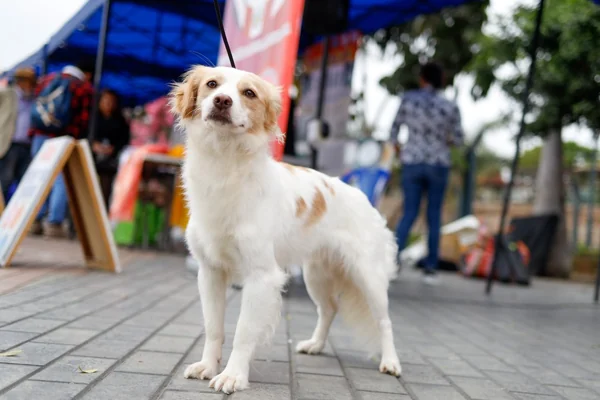
Today I come with good news! Peru has a new native breed: the chiribaya dog. This was present many, many years before dogs posed with us for their selfies, because archaeologists found him buried next to his human, a symbol of loyalty, security, and now, an ancestral Peruvian breed.
Once forgotten under layers of desert sand, the Chiribaya shepherd dog is rewriting what we know about the bond between people and animals in ancient South America. From carefully preserved mummies to the emotional legacy they carry, these dogs are more than archaeological artifacts, they’re proof of a civilization that loved, cared, and remembered.
In this blog, we’ll take you through the story of the Chiribaya dog: where it came from, what it looked like, why it mattered, and how its spirit still lingers in the Andes. Whether you’re planning your next adventure or simply want to meet a canine soul from a thousand years ago, this is a journey worth taking.
You might also be interested in: Inti Raymi 2025: Inca festival of the sun
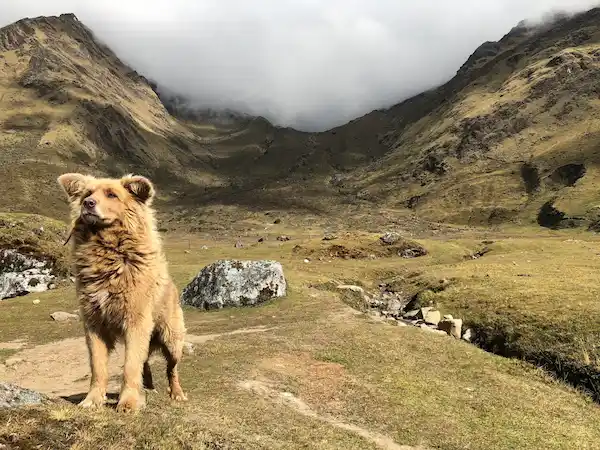
A sacred bond: What is the Chiribaya dog?
Long before the arrival of the Spanish or even the rise of the Inca Empire, the people of southern Peru already knew what it meant to love and care for a dog. Among the dry sands and fertile valleys of Ilo, archaeologists uncovered something extraordinary: the remains of dogs buried alongside their human families. These were not wild animals or hunting companions, they were cherished members of the household. Today, we know them as the Chiribaya dog.
Unlike other ancient canines, the Chiribaya shepherd dog was not a symbol of power or a tool for survival. It was a companion. Many were found buried with blankets, food, and even personal ornaments, clear signs of emotional attachment and reverence. Their posture, often curled up or resting, suggests they were laid to rest with care and dignity. These discoveries rewrote what we knew about human-animal relationships in ancient South America.
The Chiribaya dog is more than just a breed, it’s a window into a worldview where animals were treated with empathy and love. In a world that often separates the past from the present, this ancient shepherd reminds us that affection is timeless.
From the Chiribaya culture to national recognition
The story of the Chiribaya dog lay buried for nearly a thousand years, until researchers like Sonia Guillén brought it back to light. After excavating more than 80 canine burials in the Ilo Valley, her team concluded that these animals were not just strays or working dogs. They formed part of a distinct and possibly endemic breed, tied closely to the Chiribaya culture that flourished between 900 and 1350 A.D.
This finding challenged long-held assumptions. For years, street dogs in Peru, commonly referred to as chuscos, were dismissed as mixed-breed or insignificant. But now, scientists suspect that some of these dogs may carry the genetic legacy of the Chiribaya shepherd. And in 2025, after decades of study and advocacy, the Chiribaya dog was officially recognized as an ancestral Peruvian breed, a milestone that honors both science and cultural memory.
This recognition isn’t just about taxonomy, it’s a tribute. A way of saying that these dogs, and the people who cared for them, still matter. They are not relics. They are heritage.
You might also be interested in: The Mystery of the Nazca Lines
The Chiribaya culture: Who were these ancient coastal people?
Peru is a country with many cultures as you may already know, some are better known than others. Definitely everyone has heard about the most predominant of them all, the Inca culture. However, there was also the Chiribaya culture, which for many may be unknown, but this cute little dog comes from it, so let’s read a little more about it to learn more about the origin of this sweet animal.
Timeline, territory, and lifestyle in southern Peru
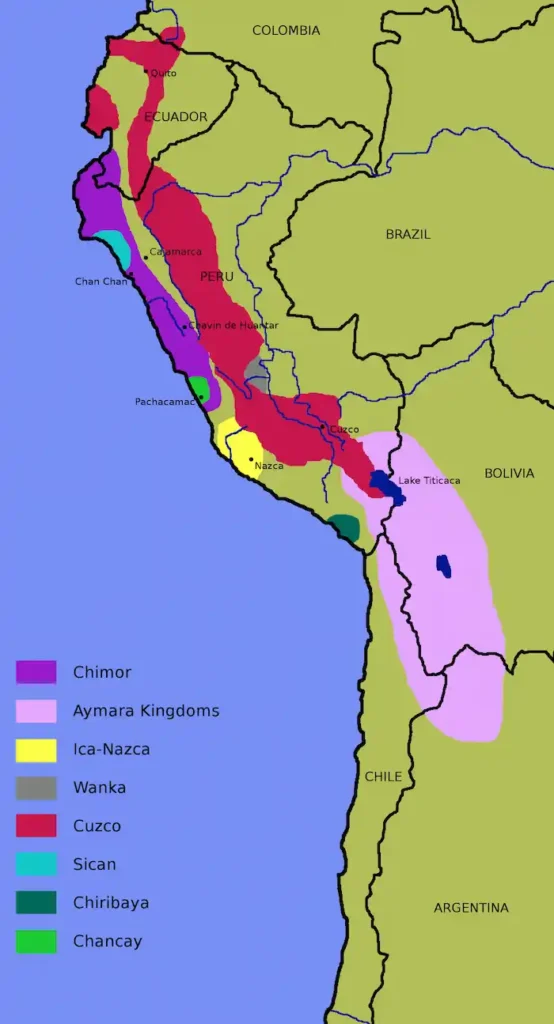
The Chiribaya culture thrived between 900 and 1350 A.D. along the southern coast of Peru, particularly in the Ilo Valley, in what is now the Moquegua region. These people lived between the desert and the Pacific, building communities that flourished through irrigation agriculture, fishing, and trade. They weren’t a large empire like the Incas, but rather a network of organized settlements with their own distinct identity.
What set the Chiribaya apart was their harmonious relationship with nature. They engineered canals to farm maize, beans, and squash, while also relying on the sea for fish and shellfish. Their pottery and textiles reveal refined aesthetics and technical skill, often decorated with geometric patterns, animals, and daily life scenes.
But perhaps their most touching legacy is not material, it’s emotional. In the burial sites of Chiribaya families, archaeologists found not only human remains but also those of dogs, lovingly laid to rest in the same tombs. These discoveries led to one of the most fascinating insights in Andean archaeology: dogs held a meaningful place in Chiribaya society, not just as guardians or herders, but as true companions.
Agriculture, fishing, and domesticated animals in their daily life
The Chiribaya people’s economy was a careful blend of coastal resources and valley agriculture. They bred llamas and alpacas, fished with nets made of cabuya, and cultivated crops with impressive irrigation systems. In this sustainable balance, dogs played a subtle yet important role, not as beasts of burden, but as protectors of home and heart.
Unlike in other pre-Columbian cultures where dogs were sacrificed or used for ritual purposes, the Chiribaya shepherd dog was given a place of dignity in life and in death. This unique relationship between human and animal offers us a powerful glimpse into a society where affection and coexistence were deeply rooted in everyday life.
You might also be interested in: Inca calendar: How ancient timekeeping shaped Andean life
Chiribaya mummies: 1,000 years of canine-human connection
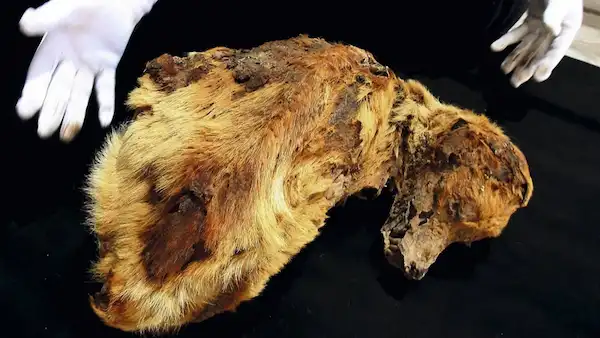
It was in the quiet valleys of Ilo, southern Peru, where a groundbreaking discovery changed what we knew about pre-Hispanic life. In the late 1990s, Peruvian bioarchaeologist Sonia Guillén and her team unearthed over 80 dog burials among human tombs. These dogs weren’t randomly placed, they were intentionally buried, often wrapped in textiles or alongside offerings of food and ceramics.
Unlike sacrificial remains found in other cultures, these burials told a different story. The dogs showed signs of having lived full, healthy lives. Some even had arthritis, evidence of age, and care. The consistent burial patterns, the affectionate placement of the animals, and the inclusion of grave goods all pointed to a domesticated breed with emotional significance. This wasn’t just any dog, it was the Chiribaya shepherd dog, now known as the Chiribaya dog.
Burial sites, grave goods, and emotional clues
What makes the Chiribaya mummies so compelling isn’t just the preservation of their remains, but the emotion they carry across centuries. In many cases, dogs were buried curled up, as if sleeping. Some were placed next to their owners, as though continuing their companionship into the afterlife. Others were laid to rest in their own small graves, sometimes with ceramic bowls or blankets, reinforcing the belief that these animals were honored family members.
These findings provide a rare glimpse into the emotional world of ancient Peruvians, where dogs weren’t just functional; they were loved. Today, many travelers interested in history and archaeology include a visit to Ilo or Moquegua as part of their Peru tours, seeking to witness firsthand this unique story of human-animal connection that predates the Incas.
What makes these dogs different from other pre-Columbian remains
Unlike other canine remains found across pre-Columbian sites, the Chiribaya dog mummies reveal a unique consistency in size, shape, and burial treatment. These dogs were medium-sized, long-snouted, with soft fur and a calm expression. They weren’t sacrificed or hunted, they were nurtured and mourned.
This level of intentional burial and the sheer number of preserved dogs suggest that the Chiribaya culture may be the first in South America to have recognized and cared for a distinct dog breed. A shepherd in name, yes, but more importantly, a symbol of loyalty, memory, and the depth of Andean compassion.
You might also be interested in: Peruvian superfoods: ancient treasures for modern health

Physical traits and genetic legacy of the Chiribaya shepherd
The Chiribaya dog wasn’t a large or imposing animal, but its presence in ancient Peruvian life was monumental. Based on well-preserved remains, this breed had a medium-sized frame, an elongated snout, upright ears, and a thick, soft coat—ideal for the cooler nights of coastal valleys. Their posture in burial sites, often curled peacefully or lying on their side, suggests a temperament that was calm, domesticated, and deeply bonded with humans.
Unlike hairless breeds like the Peruvian Inca Orchid, the Chiribaya shepherd dog had a dense fur coat, which archaeologists believe was highly valued not only for protection from the elements but also for companionship and warmth. The dog’s physical traits, seen consistently across dozens of burials, point to a carefully maintained lineage, not a mixed population of strays, but a defined and possibly bred canine companion.
Is the Chiribaya dog related to today’s chusco dogs?
For decades, many Peruvian dogs, especially those in rural or coastal areas, have been labeled chuscos, or mutts. But recent research suggests that some of these dogs may carry the genetic heritage of the Chiribaya shepherd. While not yet confirmed through large-scale DNA testing, the physical similarities and behavioral traits found in some modern dogs point to ancestral continuity.
This idea opens the door to a new way of thinking: that ancient breeds like the Chiribaya dog may not be extinct, but living quietly among us, their legacy woven into everyday life. You might see their descendants trotting beside farmers, napping in fishing boats, or even accompanying trekkers on scenic routes like the Inti Punku hike, the very trails where the sun once lit the path for both humans and their loyal four-legged companions.
Recent studies on DNA and breed classification
The formal recognition of the Chiribaya dog as a distinct ancestral breed in 2025 marks a turning point for Peruvian science and heritage. Researchers are now working to sequence ancient DNA from the mummies and compare it with that of modern dogs in southern Peru.
Early findings support the idea of an endemic Andean lineage, possibly related to early canine populations that migrated with humans from North America thousands of years ago. This could make the Chiribaya dog not just a national symbol, but also a key piece in understanding the evolution of domestic dogs in the Americas.
What’s clear is this: the Chiribaya shepherd wasn’t just a product of its time; it was a reflection of how humans chose to love, protect, and live with animals. That legacy lives on, not just in bones, but in the spirit of every dog-human bond today.
You might also be interested in: Altitude sickness in Peru: Everything you need to know before your trip
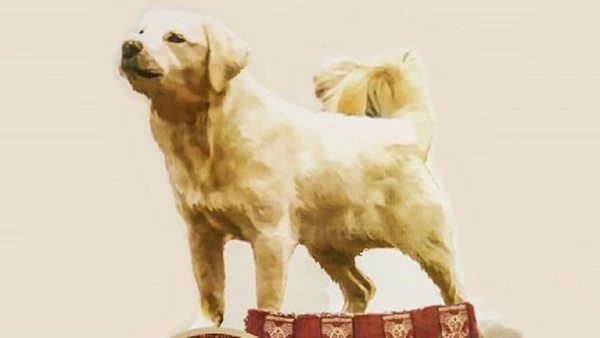
The Chiribaya shepherd dog is officially recognized as a breed
And the moment that many people were waiting for finally arrived, the official recognition of this breed as a native of Peru, marking a historic event, as the hairless dog is no longer the only Peruvian dog. This nomination has generated great repercussions in Peru, generating reactions in diverse media. I’ll stop talking and proceed to tell you all about this event.
From archaeological evidence to scientific validation
After decades of research, excavation, and cultural advocacy, March 28, 2025, became a landmark date in Peru’s canine and cultural history. On that day, the Federación Canina Americana (FCA) officially recognized the Pastor Peruano Chiribaya, or Chiribaya shepherd dog, as a new ancestral breed native to Peru.
The announcement was made during a special ceremony held in Brazil, where experts, cultural leaders, and dog enthusiasts from across Latin America gathered to celebrate. This recognition was more than symbolic, it marked a turning point in how native dogs are valued throughout the continent, especially in countries with rich but often overlooked pre-Columbian histories.
Much of the credit for this achievement goes to Dr. Sonia Guillén, the Peruvian bioarchaeologist who led the excavations in Ilo during the late 1990s. Her work revealed that the Chiribaya dog wasn’t just a local breed, but a carefully nurtured companion that lived, aged, and died alongside humans over 1,000 years ago.
Now, what was once seen as a humble chusco has become a recognized cultural and biological treasure, affirming that heritage is not just found in monuments, but in living beings who walked beside us.
Why this recognition matters for Peru’s cultural identity
The official recognition of the Chiribaya shepherd dog doesn’t just enrich Peru’s registry of native species—it reclaims a piece of history. For centuries, Indigenous knowledge and local traditions were pushed aside or erased. This acknowledgment restores value to the stories carried by rural families, archaeologists, and even the dogs themselves.
By honoring this ancient breed, Peru sends a clear message: our past matters, and so do the beings, human and non-human, that shaped it. The Chiribaya dog is now not only a symbol of loyalty and affection but also an ambassador of Peruvian identity, connecting modern citizens with their pre-Hispanic roots.
You might also be interested in: 7 most impressive traditional dances of Peru

Cultural value and symbolism in Andean societies
In the Andean worldview, everything is connected: the land, the sky, the ancestors, and even the animals who walk beside us. The Chiribaya dog wasn’t just a helper or a pet; it was a sacred companion, believed to accompany the soul in its journey beyond life.
Burial sites discovered in the Ilo Valley show that these dogs were not only buried with their owners but also received their own grave goods, blankets, ceramic bowls, and food offerings. Such attention to detail reflects a deep belief that dogs played a spiritual role, helping guide the deceased through the ukhu pacha, the Andean underworld.
This idea of animals as guardians of the afterlife is not exclusive to the Chiribaya culture. Similar beliefs can be found throughout the Andes, from Moquegua to Puno. Many travelers exploring Puno tours and visiting sacred sites around Lake Titicaca will find echoes of these ancestral beliefs, where animals remain part of the sacred landscape.
The spiritual role of the Chiribaya dog in funerary contexts
The positioning of the Chiribaya dog mummies, often curled peacefully beside human remains—suggests that they were meant to stay close to their humans even after death. Some archaeologists believe that these dogs were seen as protectors of the soul, ensuring a safe passage to the next world.
In fact, their presence in tombs mirrors practices seen in many spiritual traditions worldwide, where animals serve as bridges between the physical and the divine. But what makes the Chiribaya case unique is the emotional care evident in their burials; there are no signs of ritual sacrifice or violence. These dogs were loved, and they were mourned.
Today, they serve as a reminder of a deeper truth: that compassion and connection have always been part of our story, and that ancient people understood something we’re only beginning to rediscover, that animals are not separate from us, but part of who we are.
Where to see Chiribaya dog remains and learn more
If you want to go beyond the headlines and truly connect with the story of the Chiribaya dog, there are places in Peru where you can see their legacy up close. Several of the original mummies discovered by Dr. Sonia Guillén are preserved in regional museums in Ilo and Moquegua, where they are displayed with respect, context, and care.
The Museo Contisuyo in Moquegua is one of the most accessible places to explore artifacts and learn about the Chiribaya culture. There, you can view not only canine remains but also pottery, textiles, and burial reconstructions that help you understand the people who lived with and loved these dogs.
For those exploring broader southern Peru, some temporary exhibits on pre-Hispanic animals can also be found in national museums in Lima and Arequipa. While not always permanent, these exhibits highlight how the Chiribaya dog has entered public awareness as a symbol of heritage and emotional intelligence in ancient Peru.
Ongoing research and preservation efforts
The recognition of the Chiribaya shepherd dog has sparked renewed interest in both scientific and cultural preservation efforts. Universities in Peru, along with international institutions, are now conducting deeper genetic analyses to determine whether today’s rural dogs, especially those in Moquegua, Tacna, and even parts of Puno, carry traces of Chiribaya ancestry.
At the same time, communities and researchers are working to promote responsible care for native dogs, to help protect the legacy of this unique breed and prevent it from being lost to time again.
If you’re a traveler with a passion for anthropology, archaeology, or simply the bond between humans and animals, these projects are worth following, and perhaps even supporting. Many of them are open to visitors, volunteers, or collaboration with educational programs.
The Chiribaya shepherd is a symbol of ancestral love
The story of the Chiribaya dog is not just about bones found in the desert. It’s about the quiet, tender moments that survive time, about the love between a person and a dog, preserved for over a thousand years beneath the sand. It’s proof that affection, loyalty, and companionship are ancient values that shaped how we lived and how we died.
Today, as we walk through the sunlit trails of southern Peru, we are not alone. Somewhere, the spirit of the Chiribaya shepherd dog still walks beside us, just as it did long ago, faithful, silent, and full of meaning.
By honoring this noble breed, Peru doesn’t just recognize a dog. It celebrates a legacy of empathy. A reminder that the most enduring history is the one written not only in stone or gold, but in the quiet bond between two beings who chose to love each other.
